
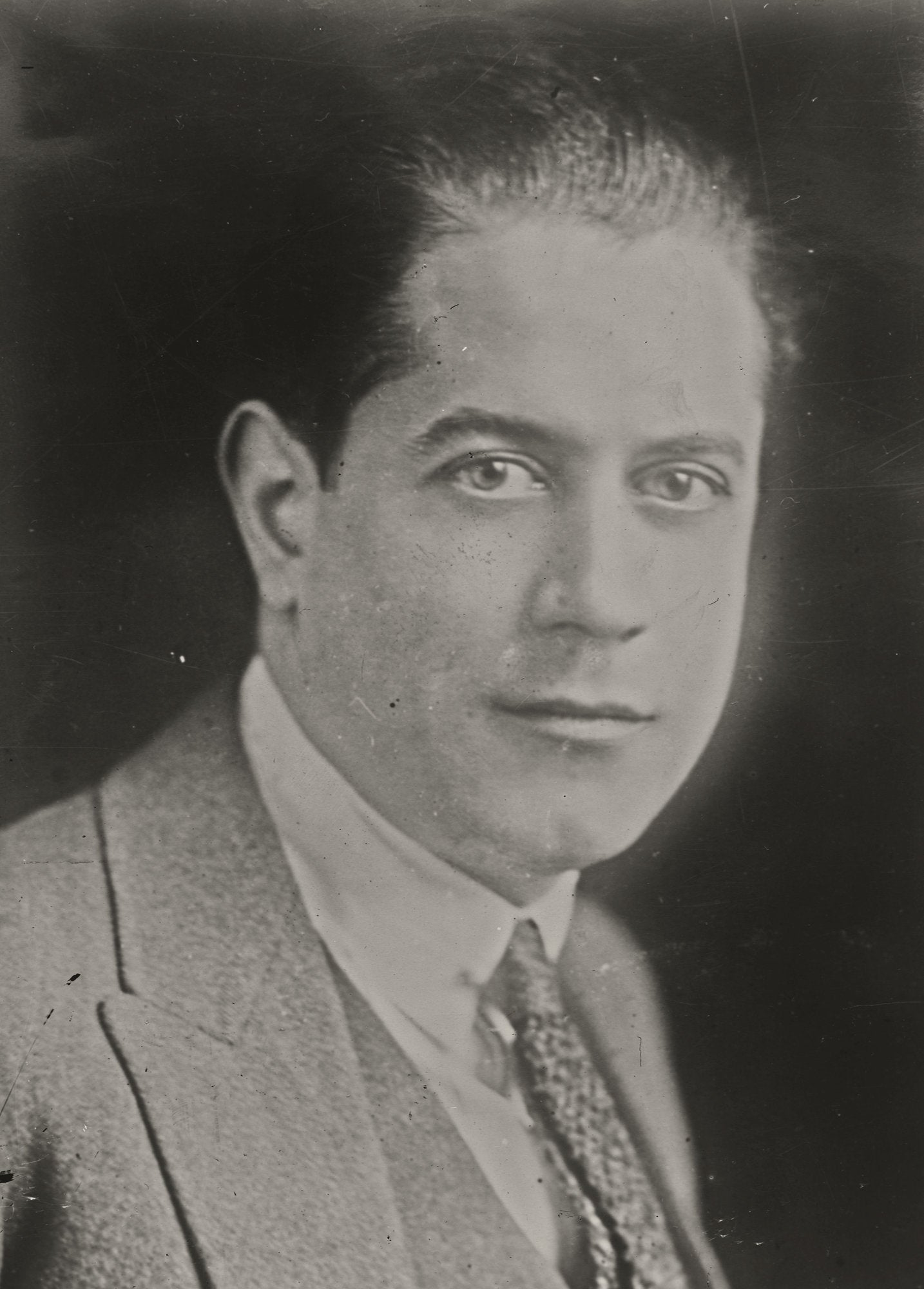
The years without a loss in serious play, from February 1916 to March 1924.
Early
Born in Havana in 1888, Capablanca learned the moves at four from watching his father, and beat the Cuban champion Juan Corzo in a match at twelve.
He studied at Columbia University in New York and entered the top level of international chess with a decisive match victory over Frank Marshall in 1909.
San Sebastian, 1911
Invited to an elite tournament despite objections from established masters, Capablanca won it at his first attempt.
The title, 1921
Capablanca took the world championship from Emanuel Lasker in Havana, winning four games and drawing ten, without a loss.
Lasker had held the title since 1894.
The style
Contemporaries emphasised speed and clarity rather than depth of calculation, and a technique in endgames and simplified positions regarded as close to flawless.
The nickname the chess machine attached itself to him and he disliked it.
Capablanca chess
Concerned that opening theory would exhaust the game and produce mass draws, he proposed a variant on a 10x8 board with additional pieces.
It was never widely adopted, but the concern was shared by others at the time.
Buenos Aires, 1927
Capablanca lost the title to Alexander Alekhine after thirty-four games, then the longest world championship match ever played.
Alekhine never granted a rematch, setting financial terms that were not met, and held the title until his death in 1946.
The end
Capablanca suffered a cerebral haemorrhage at the Manhattan Chess Club on 7 March 1942 and died the following morning, aged fifty-three.
Why it goes on a wall
Because the record is the argument: eight years without losing, a world title taken without conceding a game, and a champion who then spent fourteen years asking for a rematch he was never given.
The chess machine.