
Stories worth passing on
Stories
We tell the stories of teams and champions who no longer exist. Some won everything. Others lost in the way that made them impossible to forget.
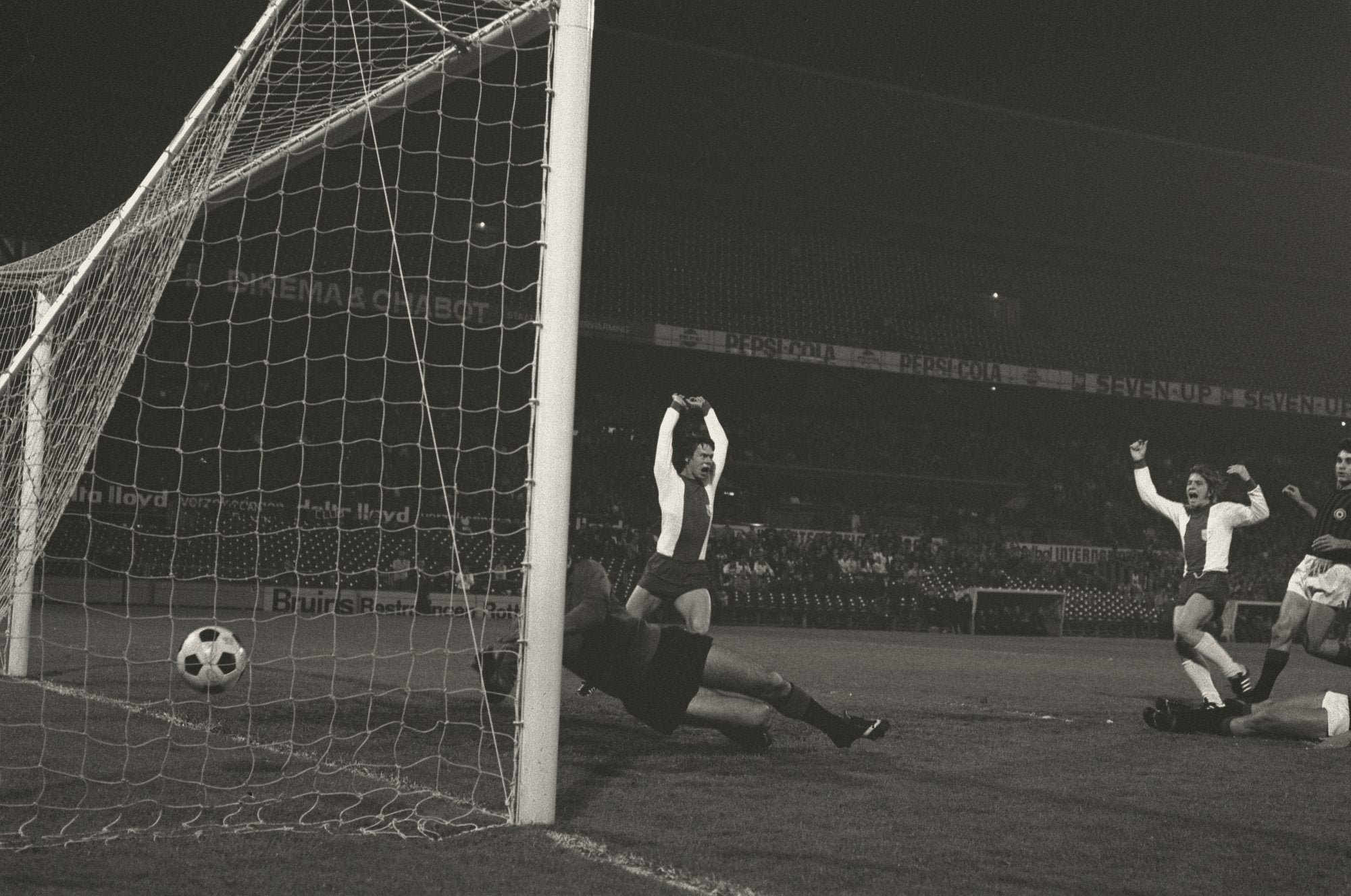
1. FC Magdeburg, 1974: The Final Almost Nobody Saw
Rotterdam, the eighth of May 1974. A European final, played in a stadium built for more than sixty thousand, in front of a few thousand at most.
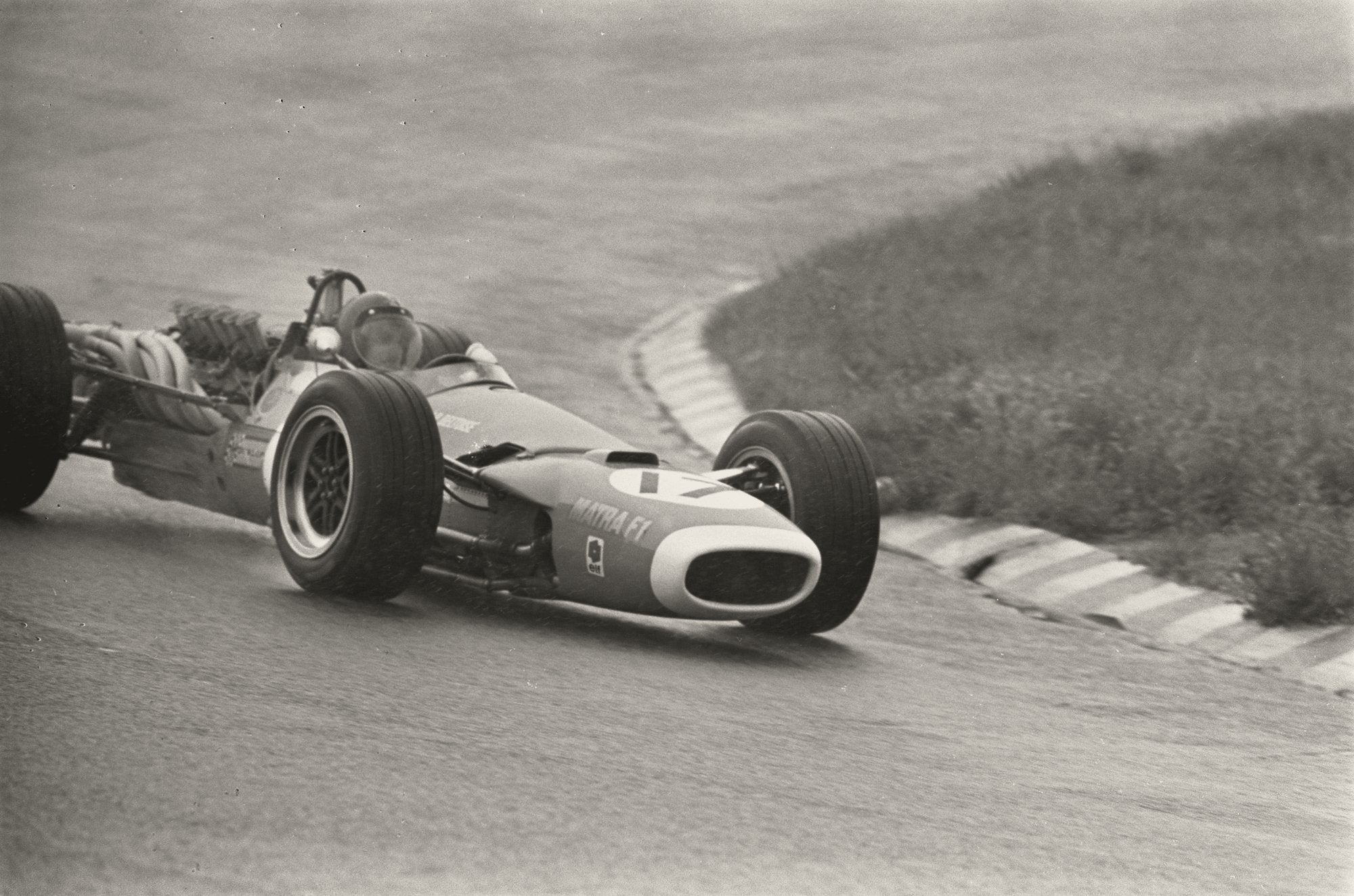
Matra, 1969: The Missile Maker That Won Formula One
Matra was not built to go racing. It was a French aerospace and defence concern, and its ordinary work involved guided weapons and the hardware of a country that preferred to arm itself with its own engineering rather than borrow anyone else's.
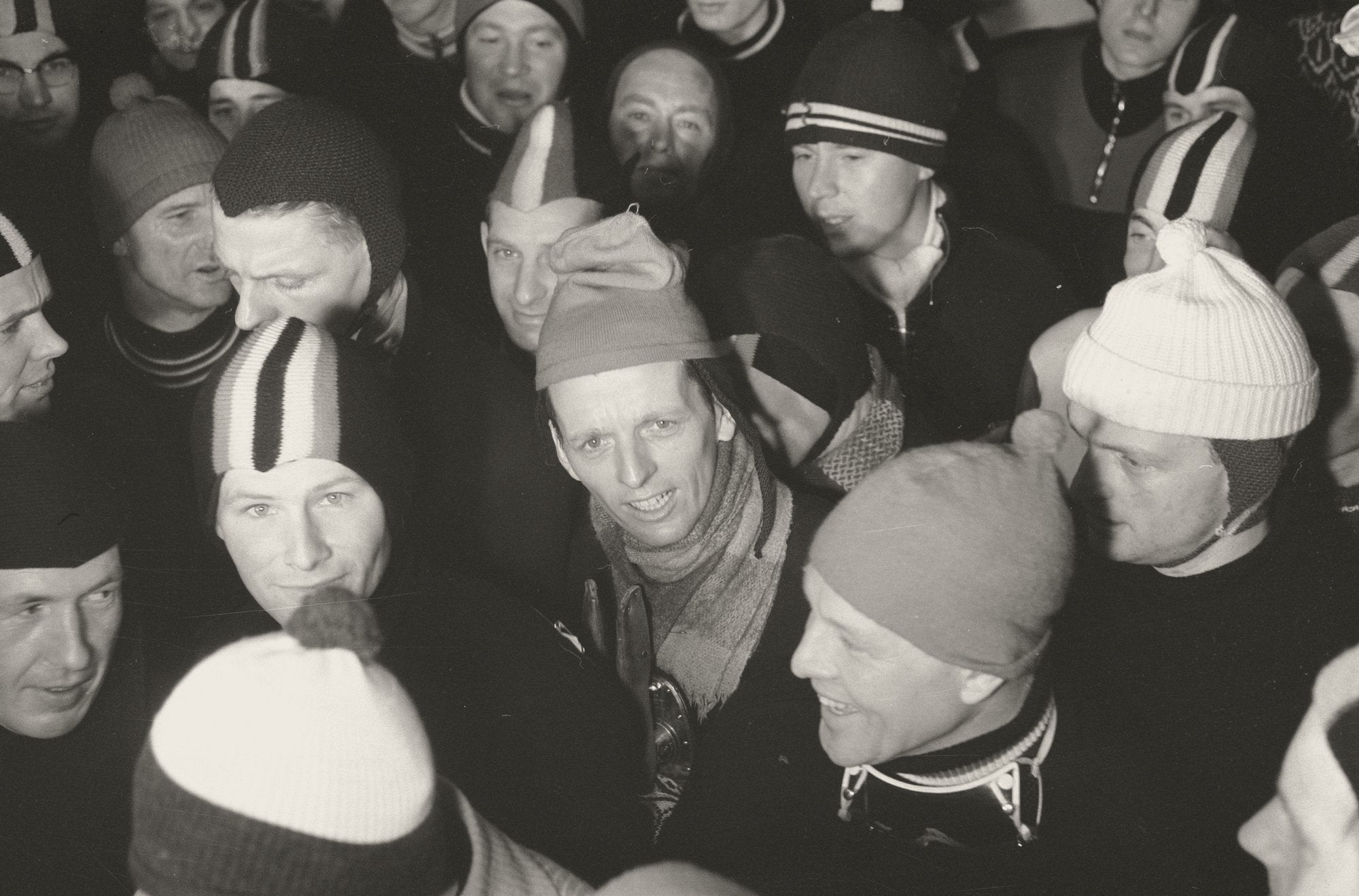
A Nation on Blades: Dutch Speed Skating, 1960 to 1990
Sapporo, February 1972, the first Winter Olympics held in Asia. Over a few days a skater from the Netherlands, Ard Schenk, won three of the four speed-skating titles.
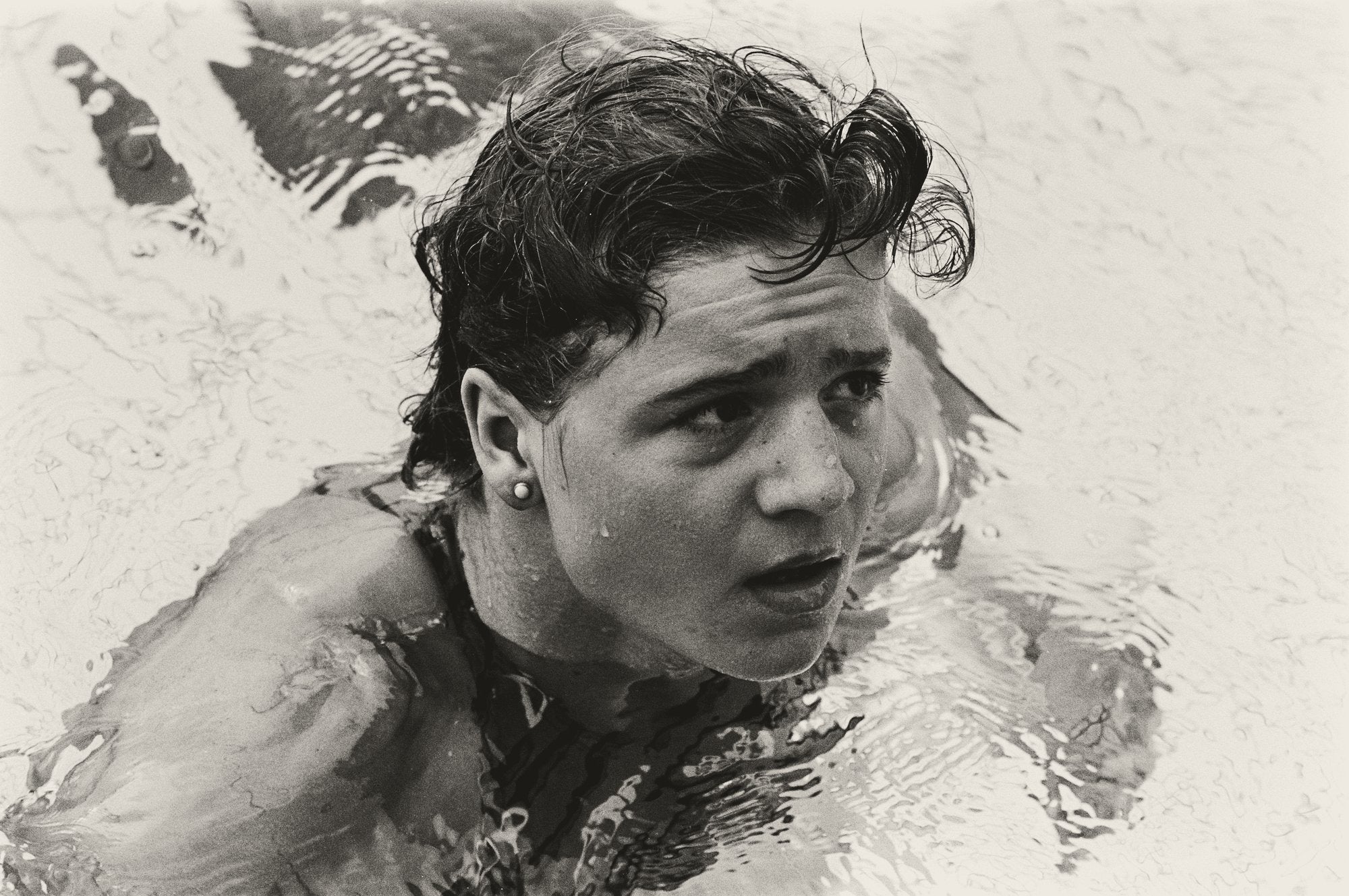
East German Women's Swimming: Montreal 1976
The swimming at the Montreal Olympics ran to thirteen events for women in the summer of 1976. East Germany won eleven.
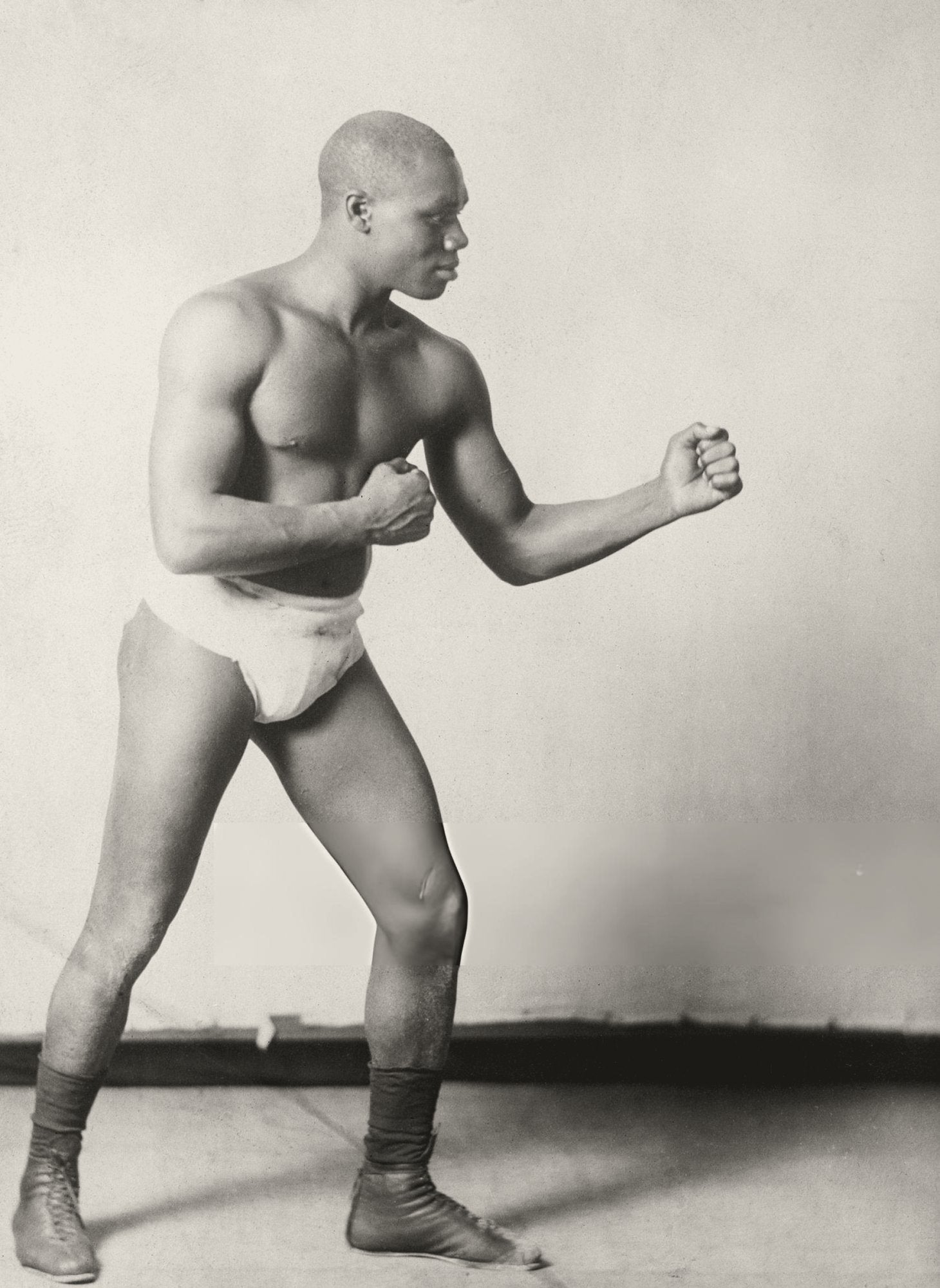
Sam Langford: A Career Without a Single Title Shot
Zero. In something close to twenty-five years of professional boxing, Sam Langford was matched for a world title exactly that many times.
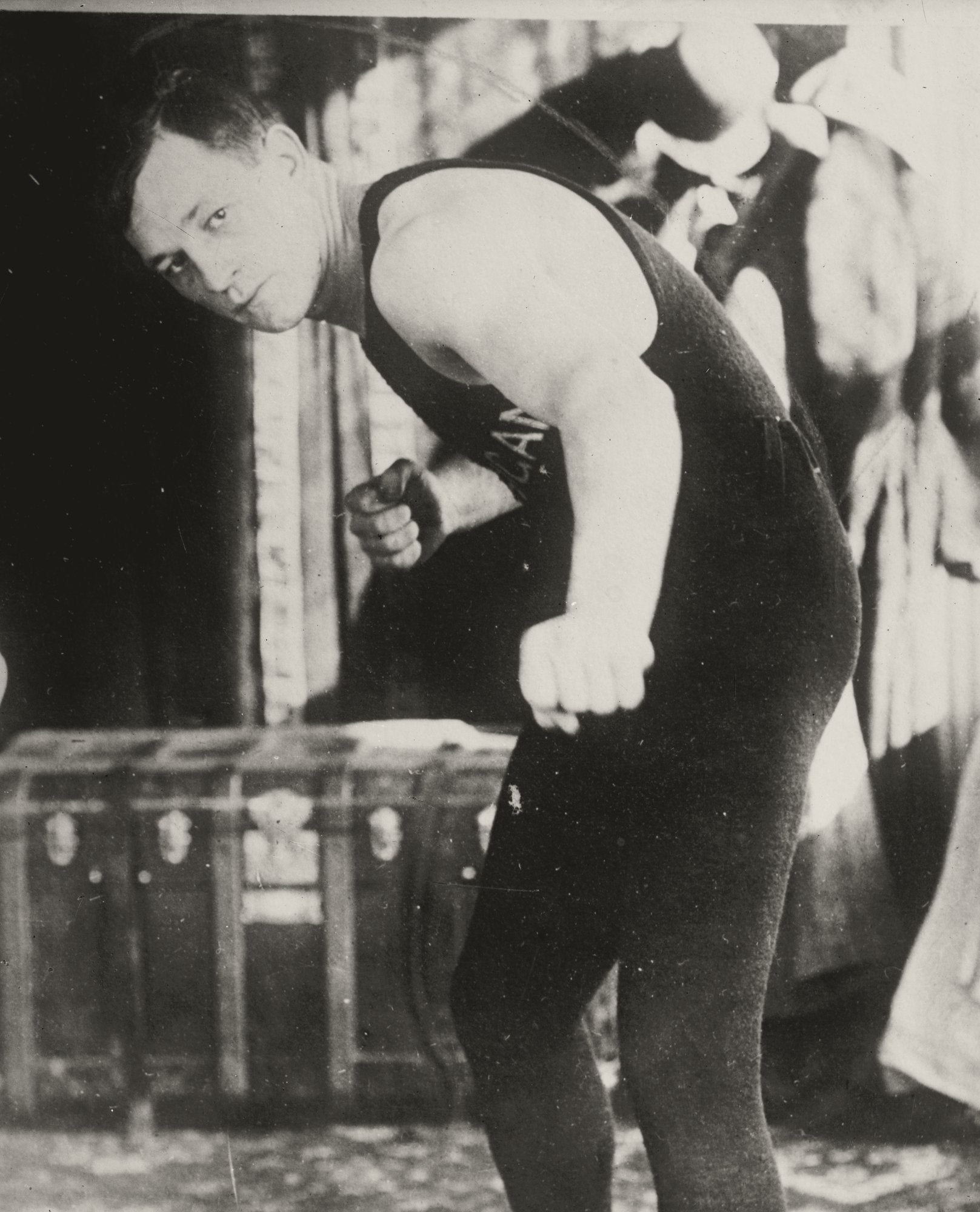
Stanley Ketchel: Dead at Twenty-Four, Missouri 1910
That is the age Stanley Ketchel reached and did not pass. A rifle saw to it, on a farm in Missouri, in the autumn of 1910.
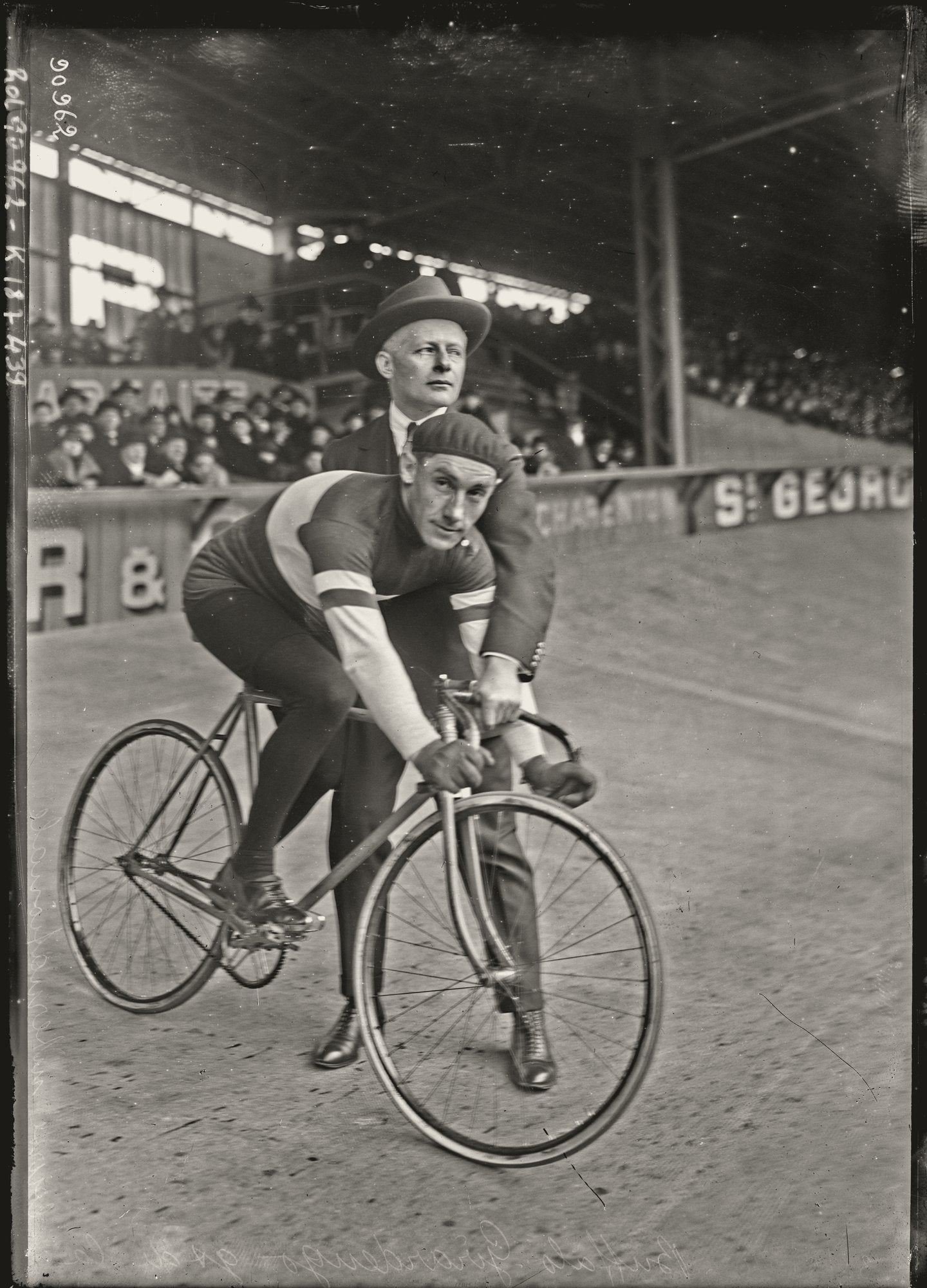
Costante Girardengo, Italy's First Campionissimo
Novi Ligure is a small town in the south of Piedmont, out on the plain where the land has not yet begun to climb toward the sea. In the Twenties the express trains running between Turin and Genoa were not timetabled to stop there.
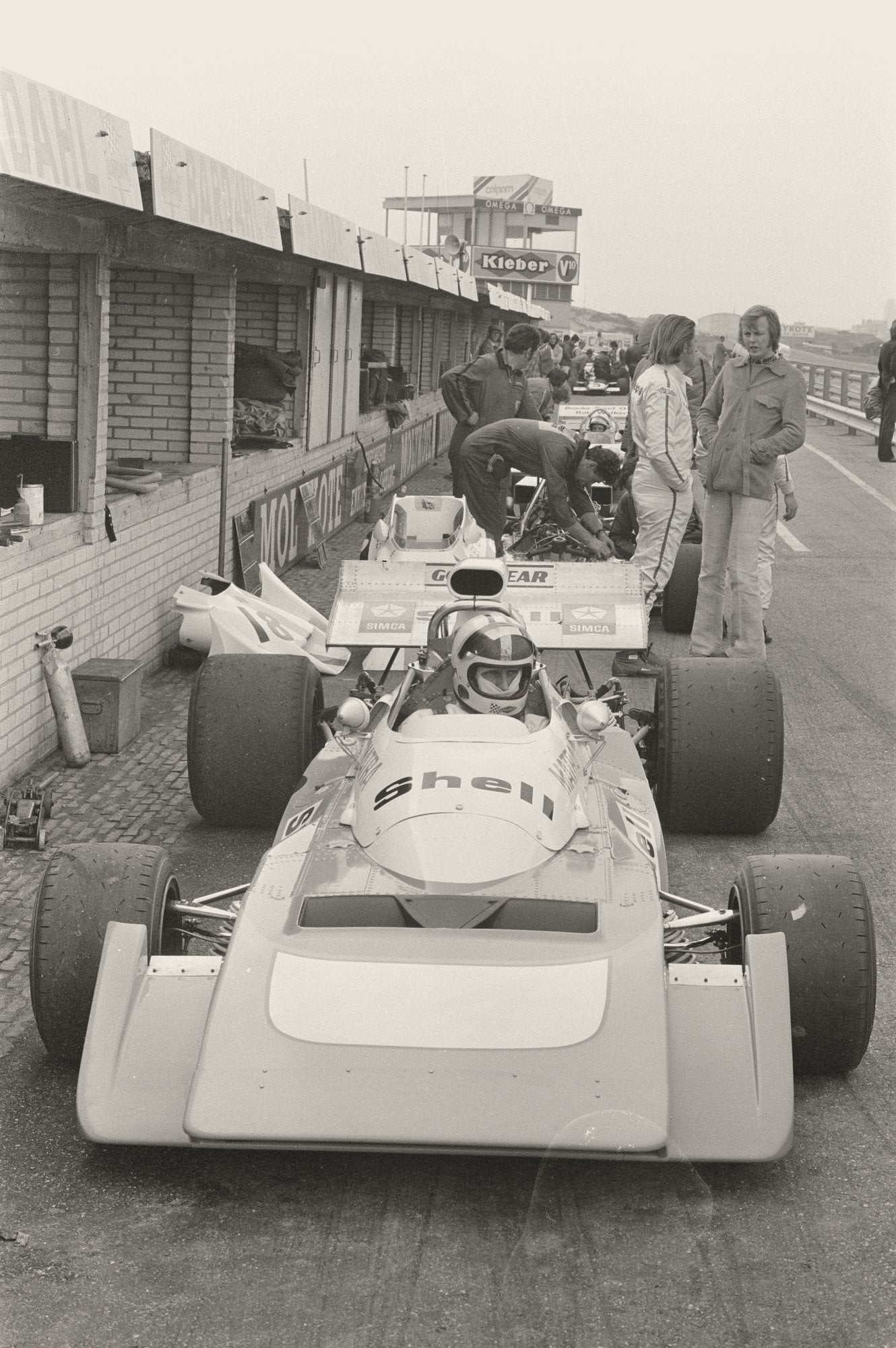
Ronnie Peterson, the SuperSwede: Sideways, 1973 to 1978
He drove through corners sideways, and he meant to. The back of the car would step out, the nose pointing somewhere that did not agree with the road, and he would hold the whole sliding mass on the throttle until it settled and drove out straight.
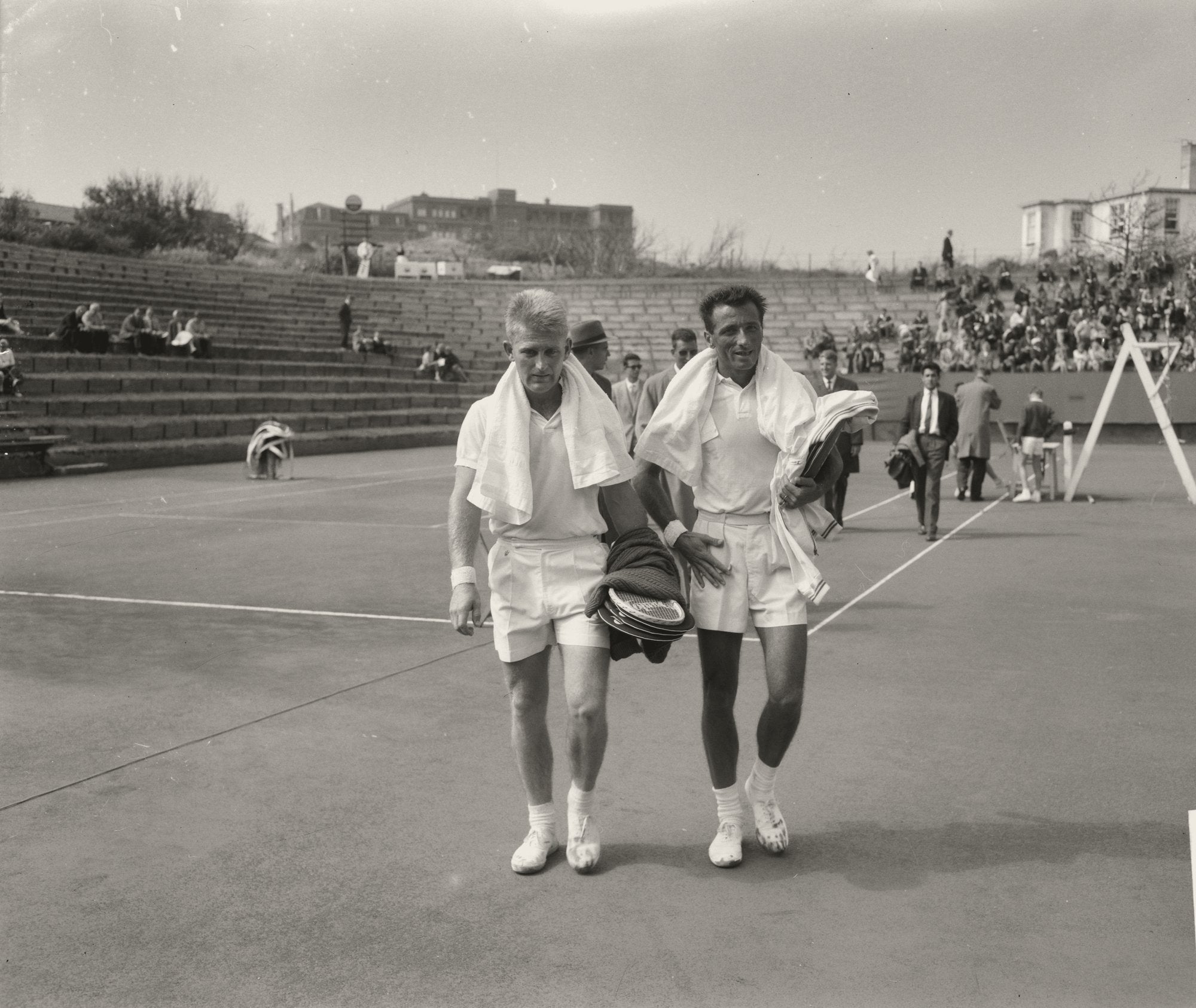
Lew Hoad: The Grand Slam Missed by One Match, 1956
He was blond and broad, built more like a swimmer than a tennis player, and he hit the ball as though he held a grudge against it and had no fear of the consequences. That is the first thing people reached for when they tried to describe Lew Hoad, and they nearly always gave up somewhere after it.
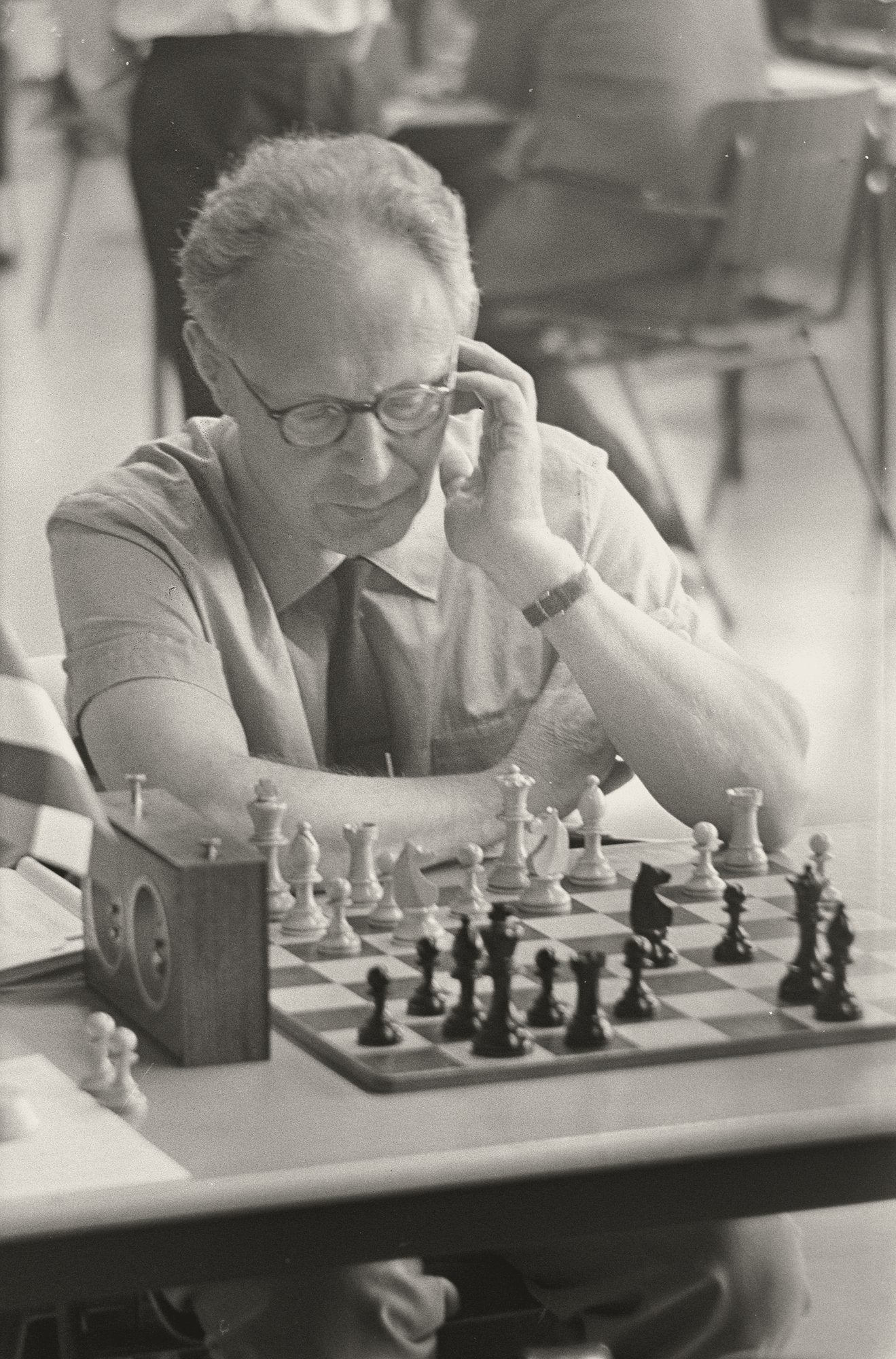
Mikhail Botvinnik and the Empty Chess Crown, 1948
The highest title in chess sat empty for two years. The man who had held it died in 1946, in a hotel on the Portuguese coast, with the crown still his and no one set to take it from him.
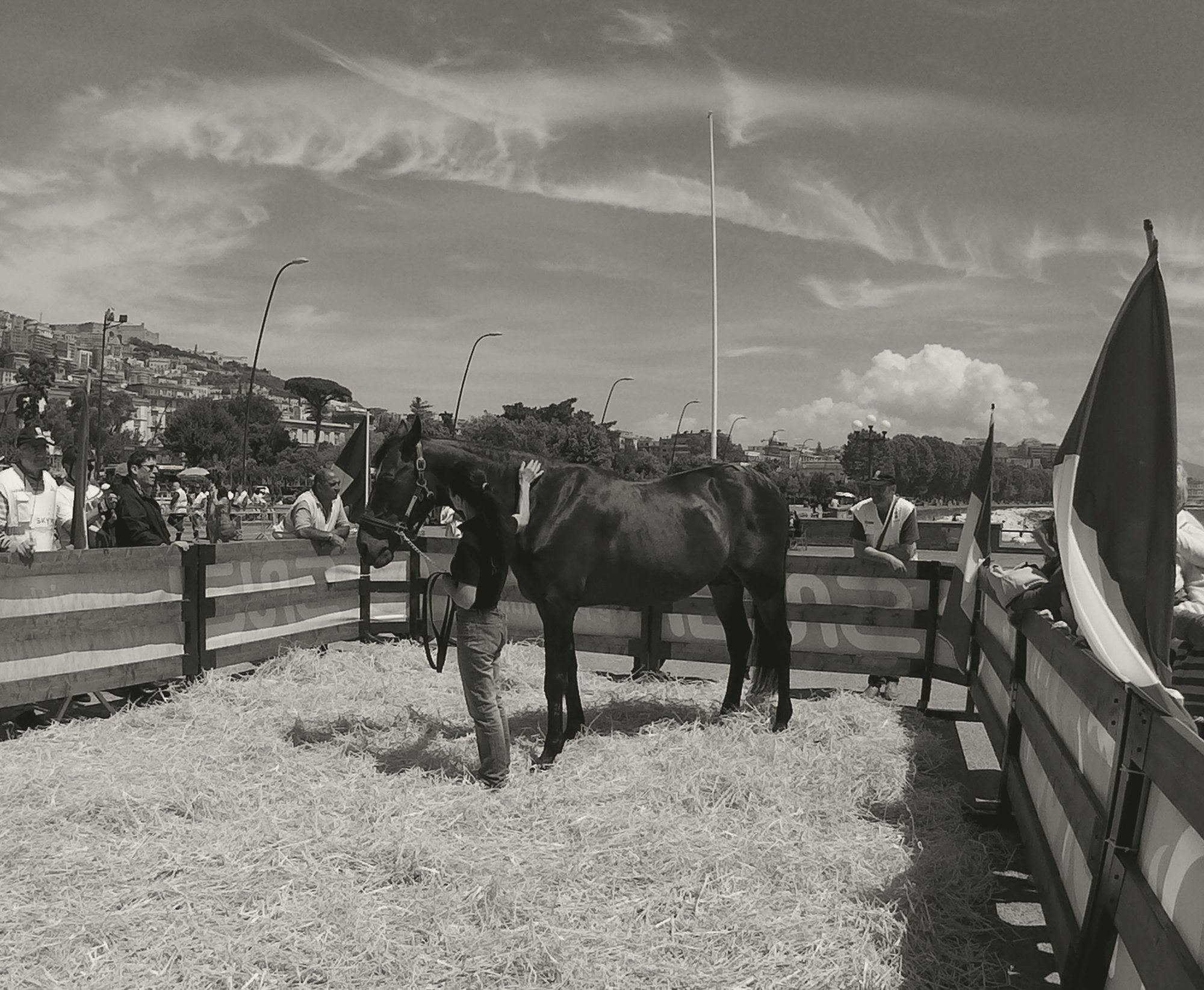
Varenne: Sixty-Two Wins From Seventy-Three Starts
The number is the story, so it may as well come first. Varenne started seventy-three races and won sixty-two.
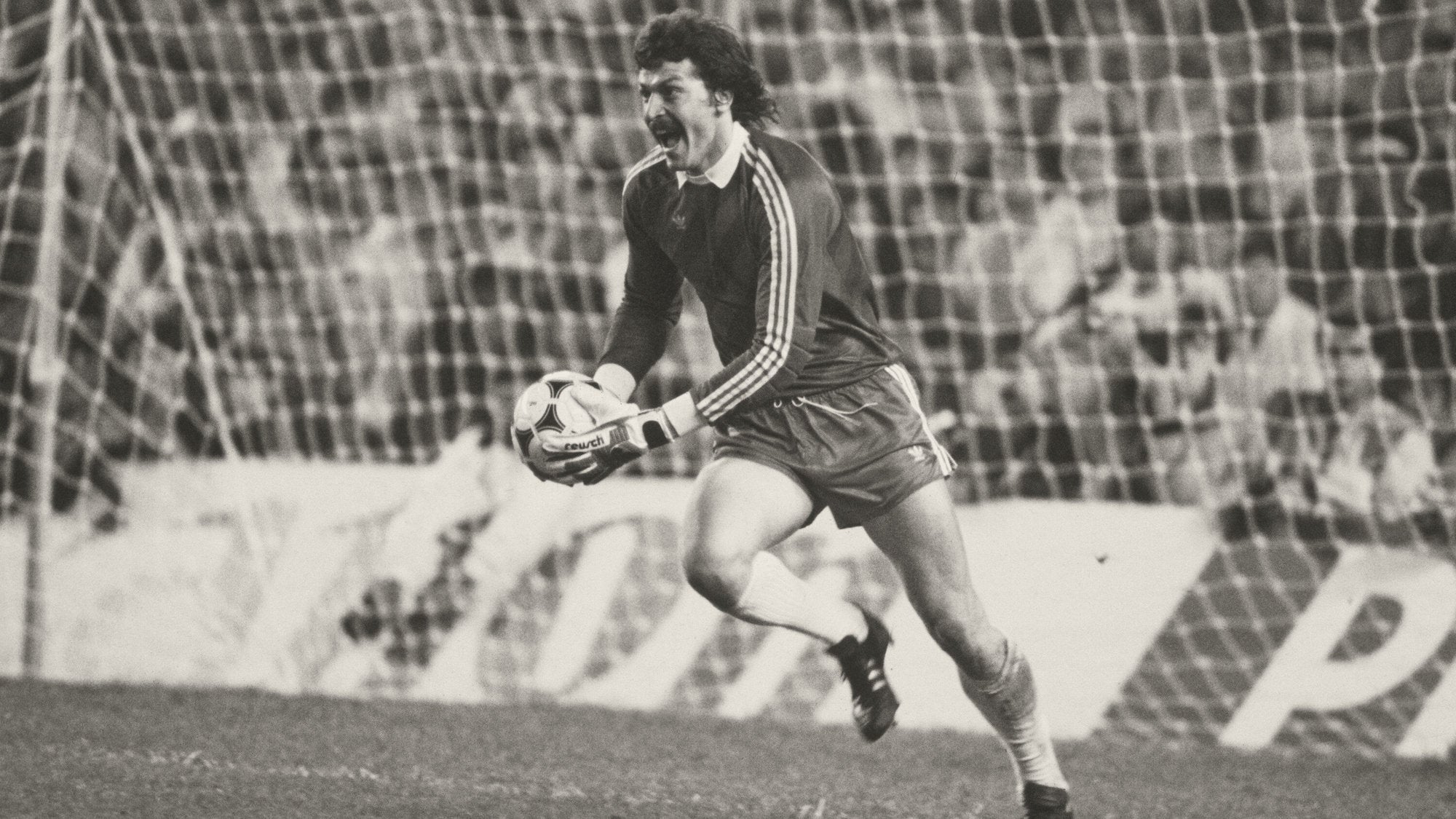
Helmut Duckadam, Seville 1986: Four Penalties Saved
The number is the whole story, so it goes first. In the penalty shootout of the 1986 European Cup final, Barcelona took four penalties and Helmut Duckadam saved four penalties.
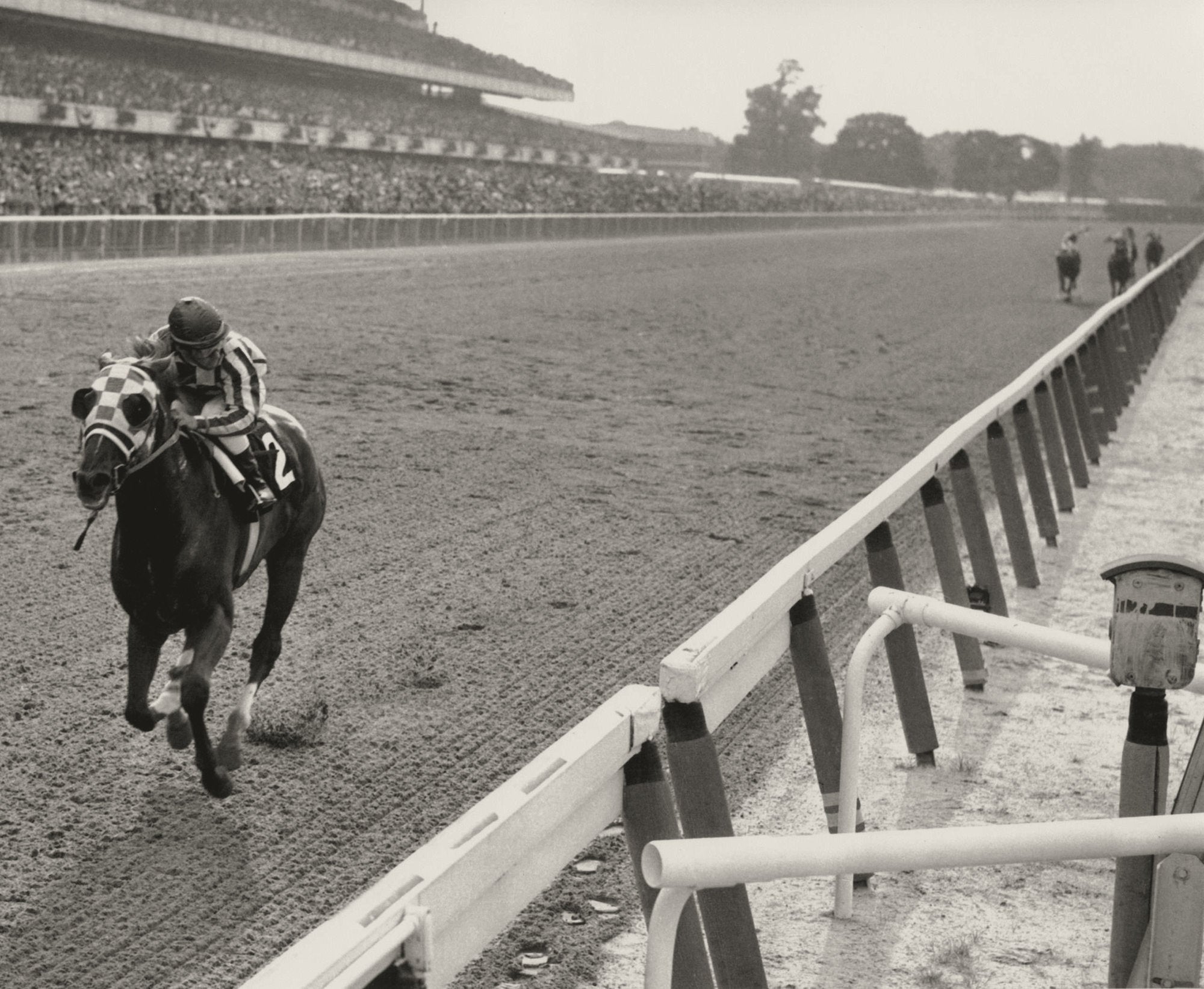
Secretariat, Belmont 1973: Thirty-One Lengths
Thirty-one lengths. That is the margin by which Secretariat won the Belmont Stakes on 9 June 1973, and it is the reason this print exists.
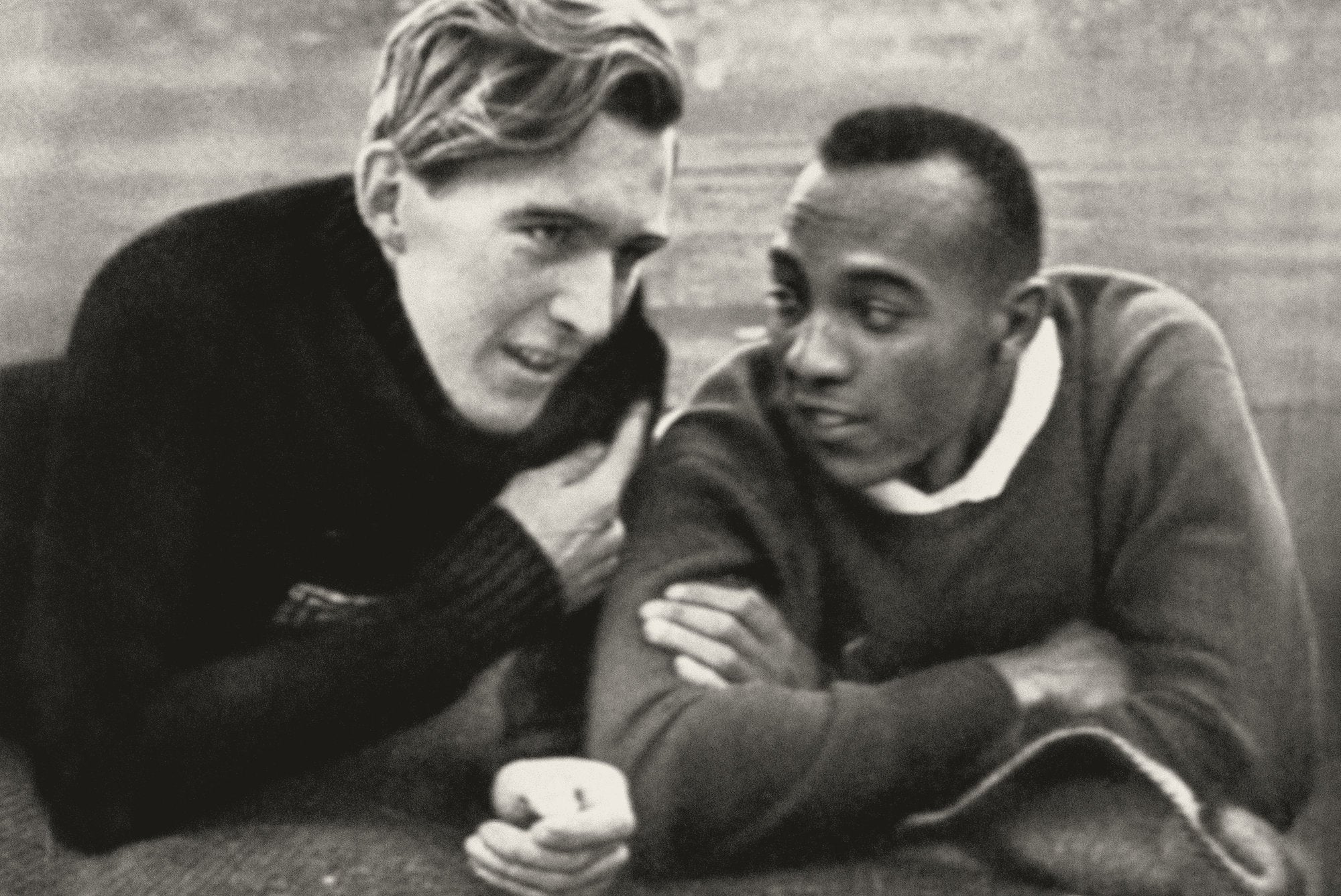
Luz Long and Jesse Owens, Berlin 1936: Two Fouls
The number that matters here is two. Two fouls in long jump qualifying at the 1936 Olympic Games, which left Jesse Owens with one attempt between himself and elimination.
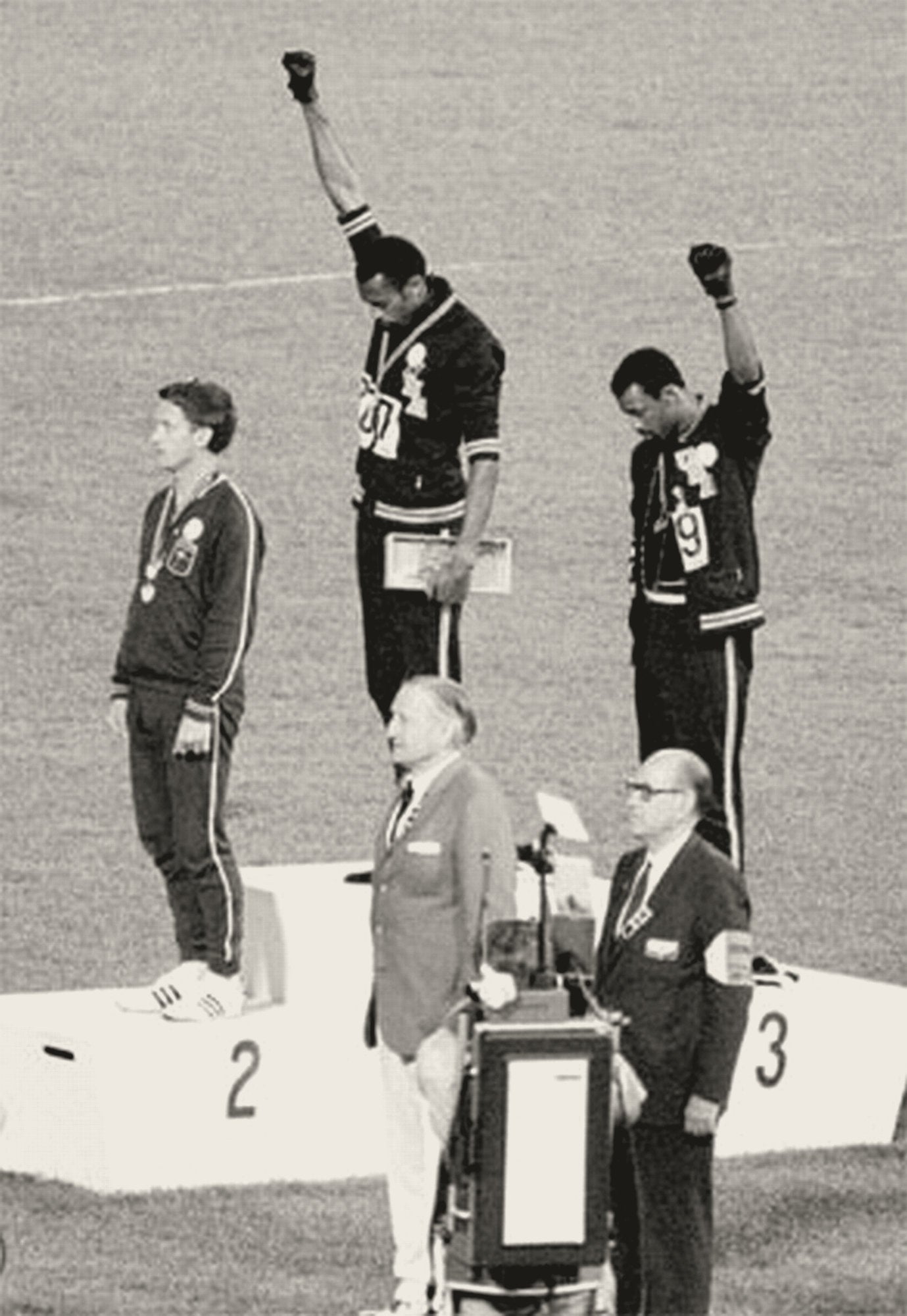
Peter Norman: The Third Man on the Podium, Mexico 1968
The image is famous enough to need no description. Mexico City, October 1968, two raised fists on an Olympic podium.
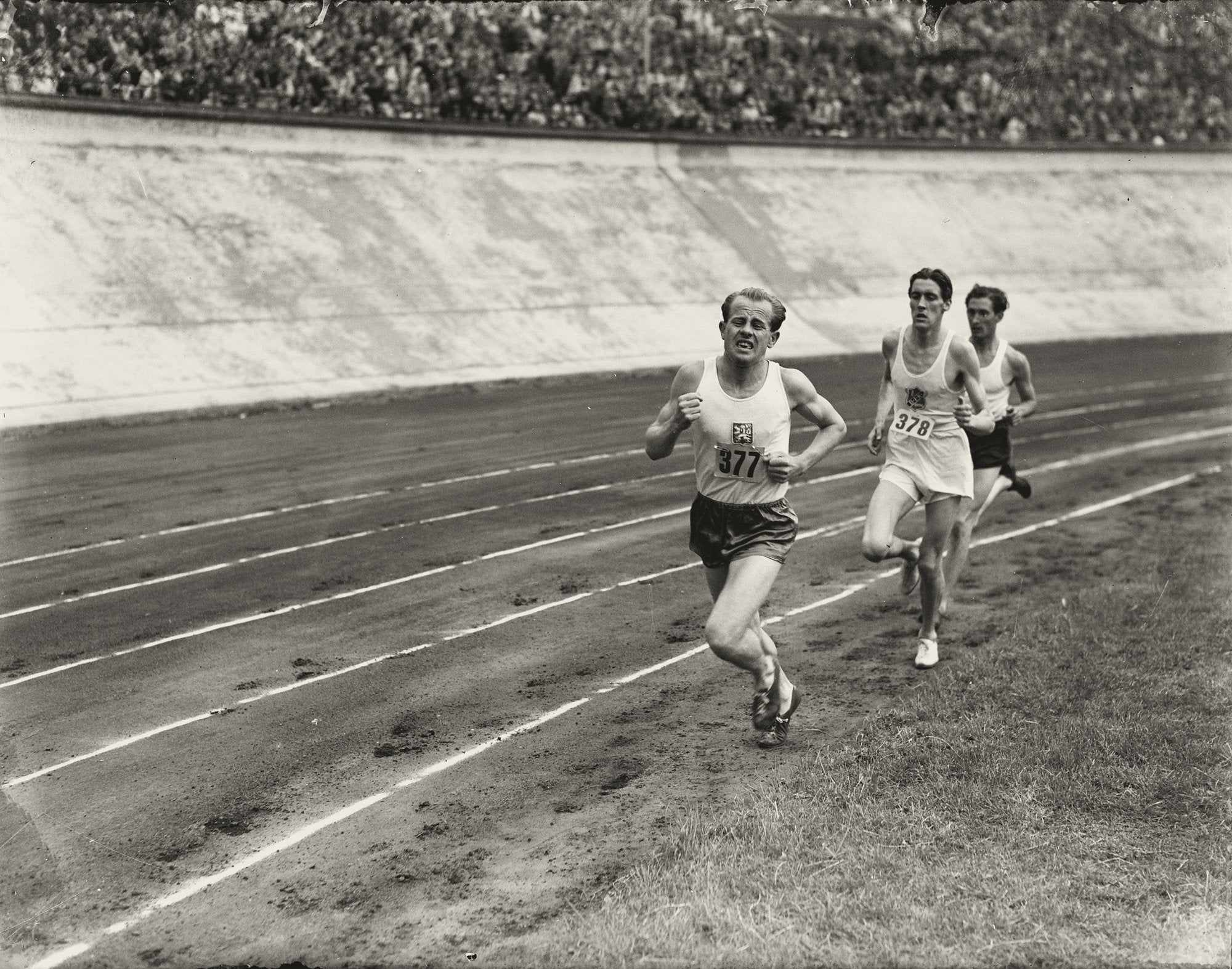
Emil Zatopek Gives Away His Gold, Prague 1966
The number is one. One Olympic gold medal, given away by the man who won it to a man who never could.
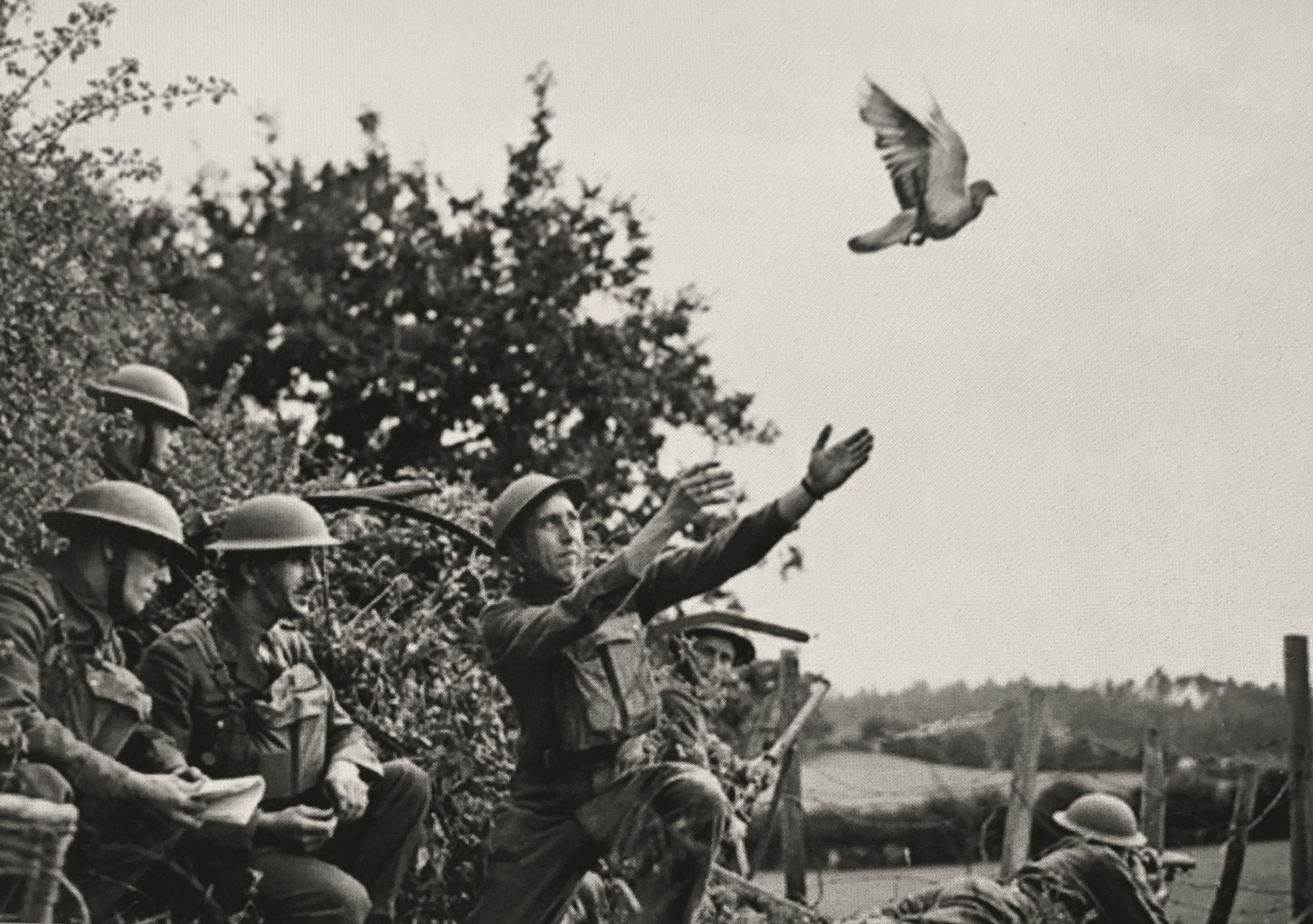
Cher Ami: The Pigeon That Saved the Lost Battalion, 1918
Forty kilometres. That is roughly the distance a wounded homing pigeon covered in October 1918 with a bullet in her chest, one eye gone, and a leg hanging off, carrying the message that stopped an American artillery barrage falling on American soldiers.
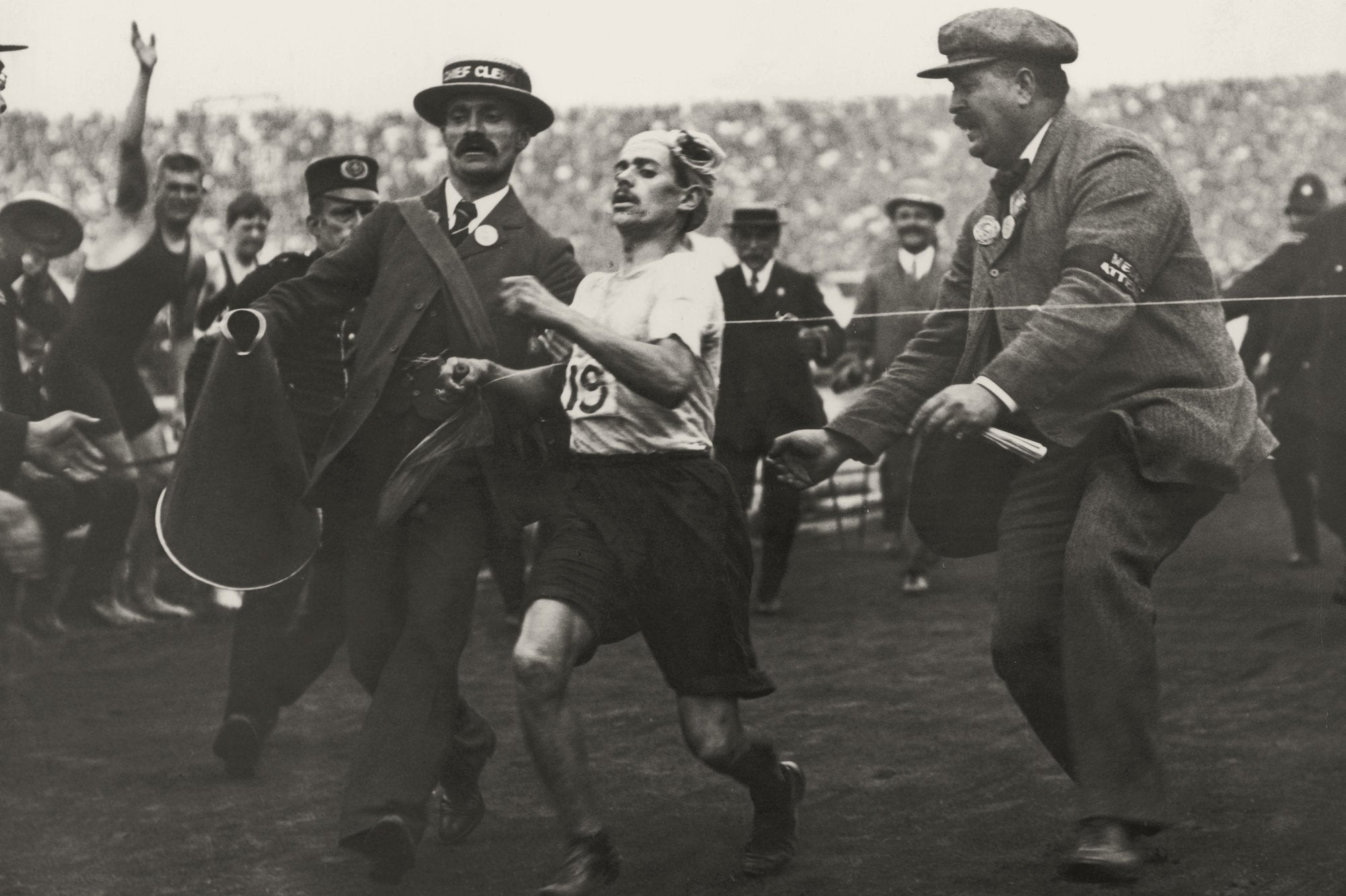
Dorando Pietri: Five Falls, London Marathon 1908
Five falls, inside one lap of a track, at the end of an Olympic marathon that he entered the stadium leading.
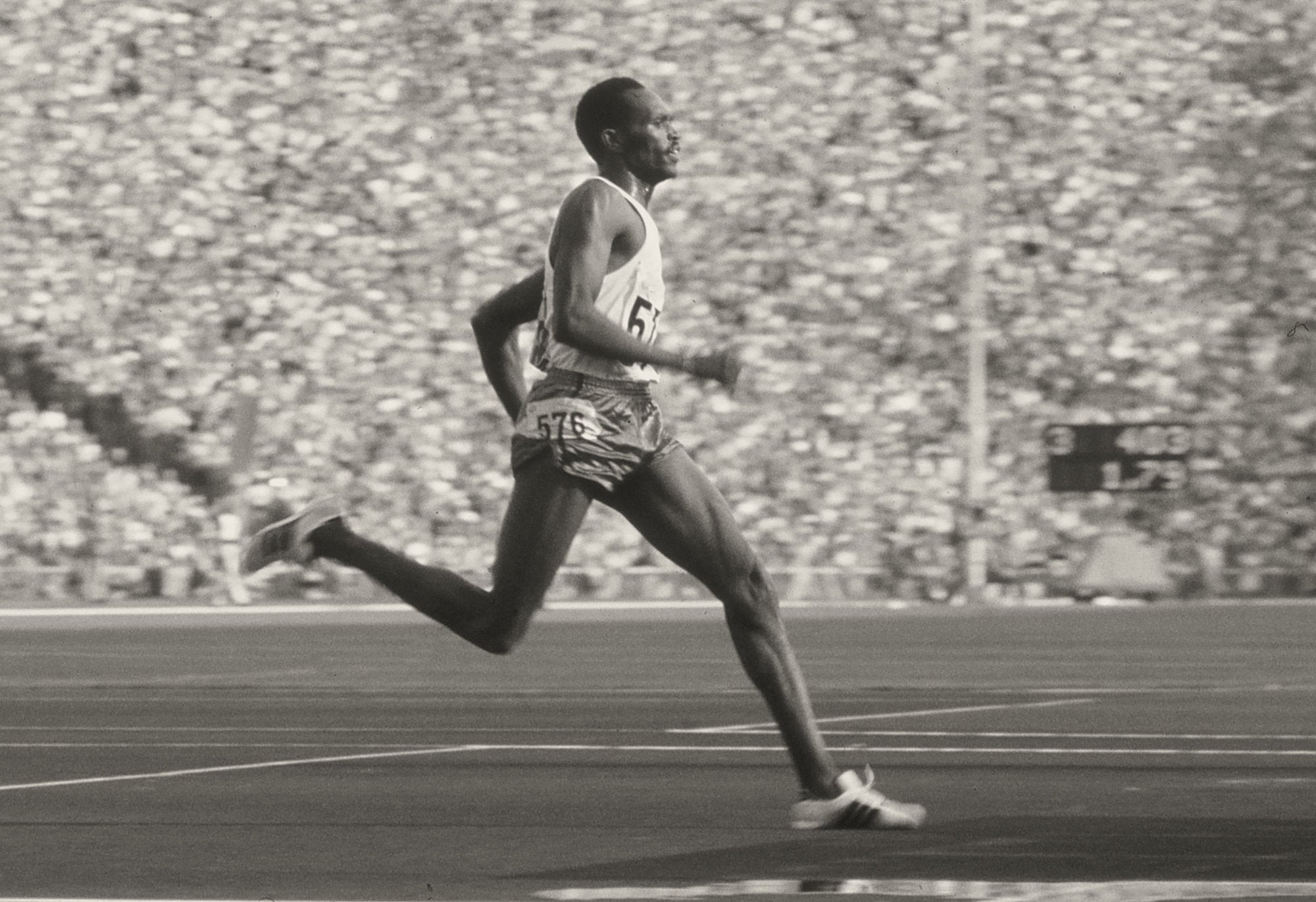
Kipchoge Keino, Mexico 1968: Three Finals in Eight Days
Three Olympic finals in eight days, run by a man whose doctors had told him not to start any of them.
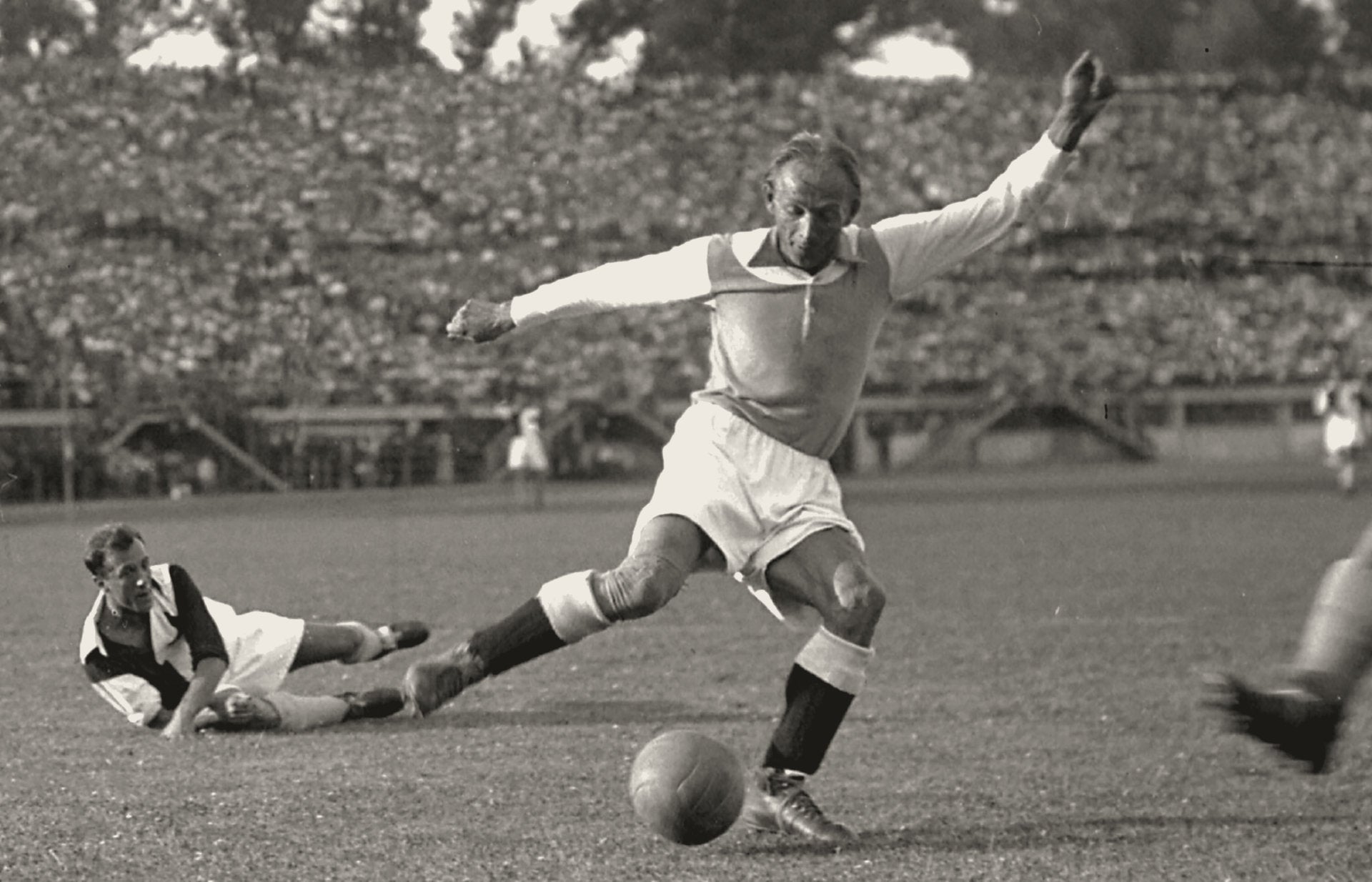
Matthias Sindelar, the Paper Man: Vienna, 1938
Matthias Sindelar was called der Papierene because of how he looked on the pitch: thin, light, apparently fragile, and impossible to knock down. He was the centre forward of the Austrian Wunderteam and, by common consent, the best player in Europe in the early 1930s.
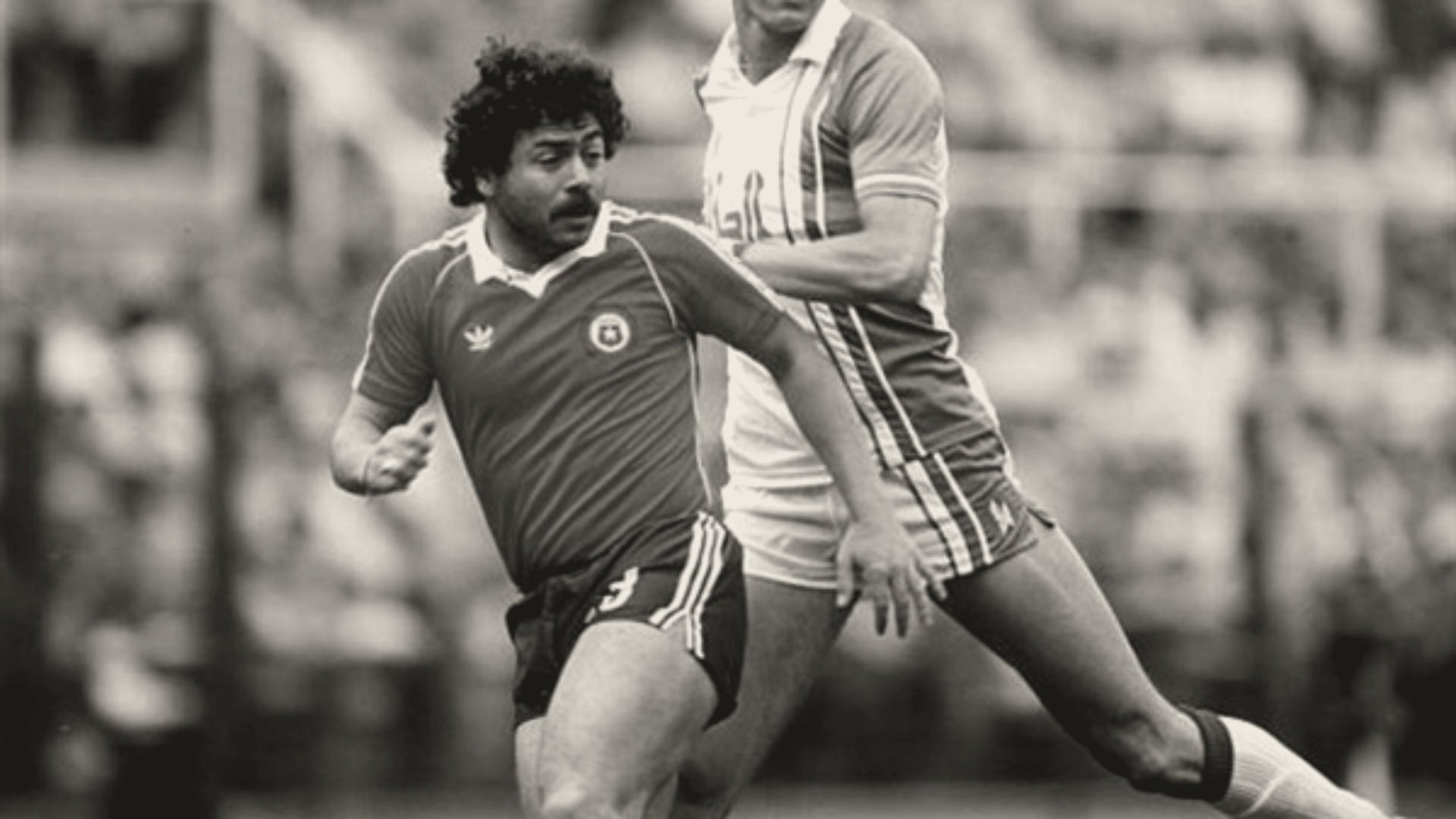
Carlos Caszely, Chile 1974: The Handshake Refused
One handshake, refused, on camera, in front of the man who ran the country.
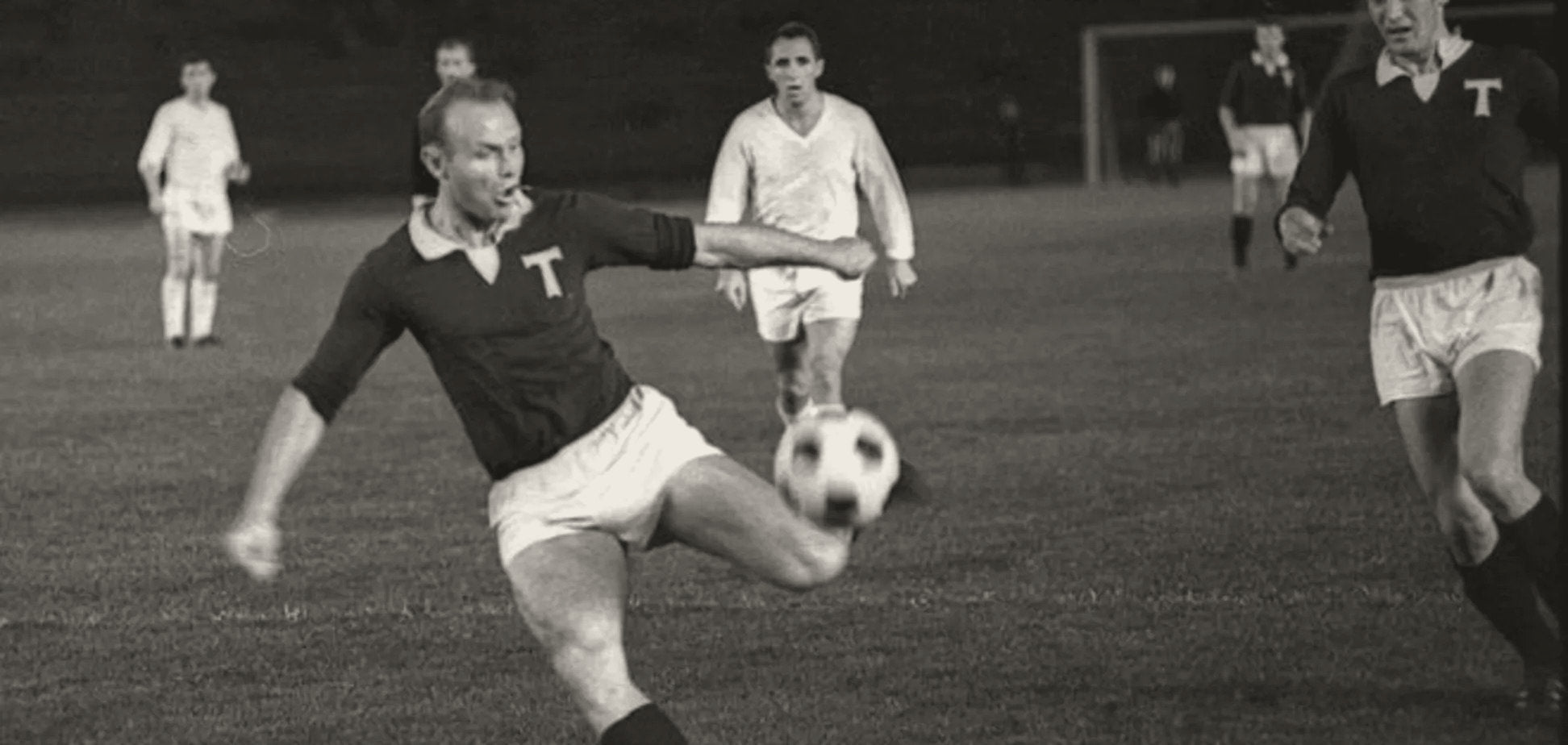
Eduard Streltsov, Torpedo Moscow: Twelve Years Lost
Twelve years, handed down three weeks before a World Cup, to the best footballer in the country. He served five of them.
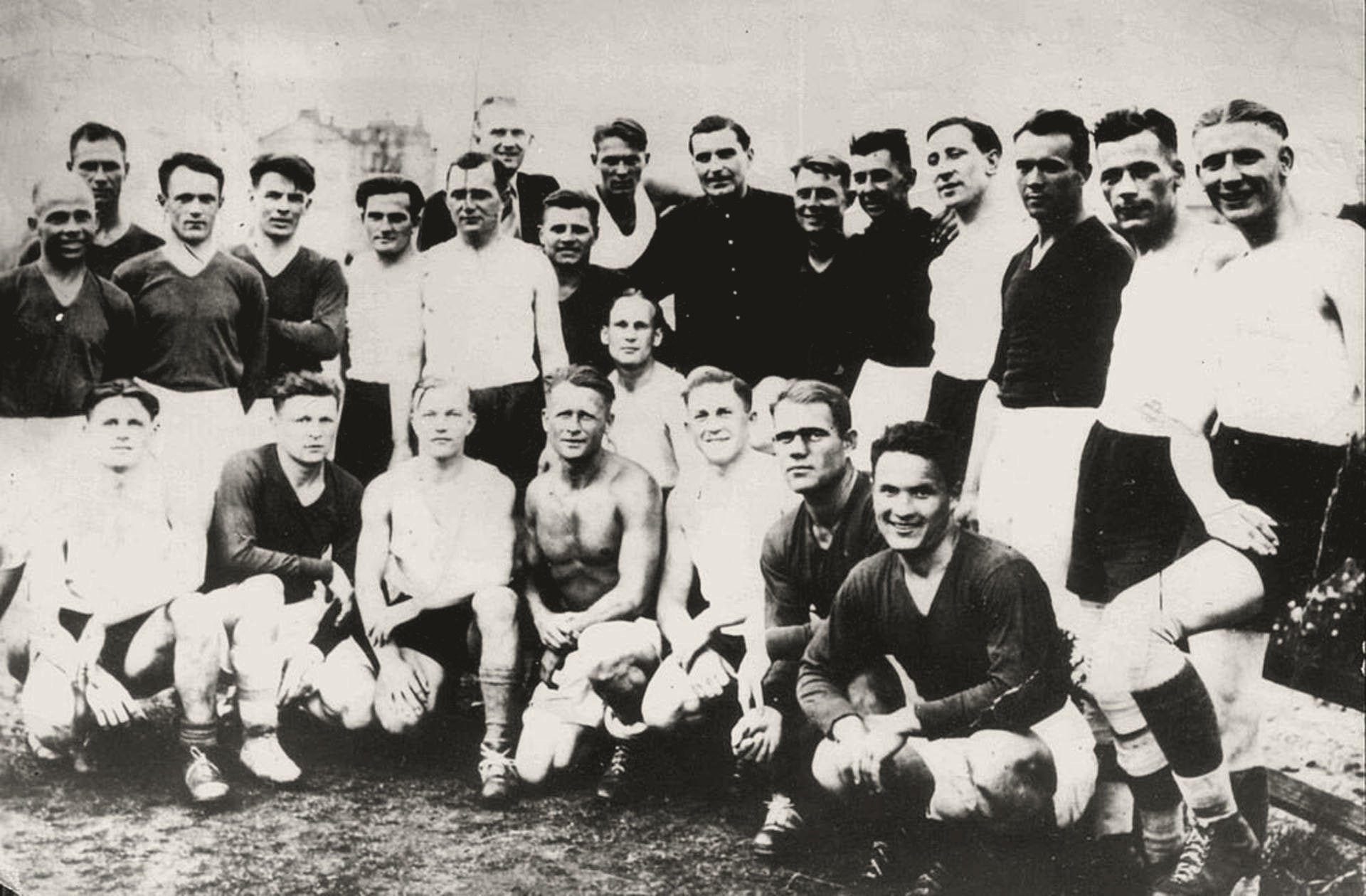
FC Start, Kyiv 1942: The Match of Death
That is the score, and it is the part of this story that nobody disputes.
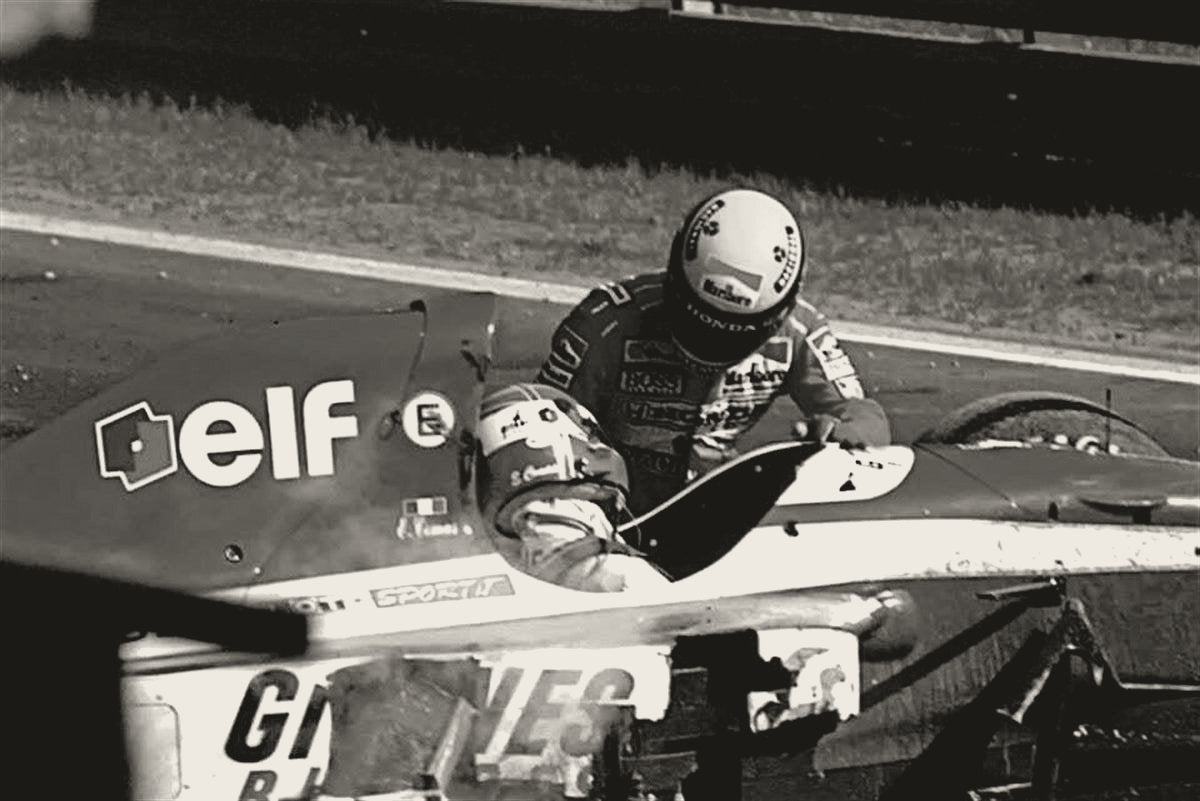
Ayrton Senna at Spa, 1992: The Rescue of Erik Comas
One driver got out of a running Formula 1 car, in a live session, and ran across the circuit to someone else's cockpit.
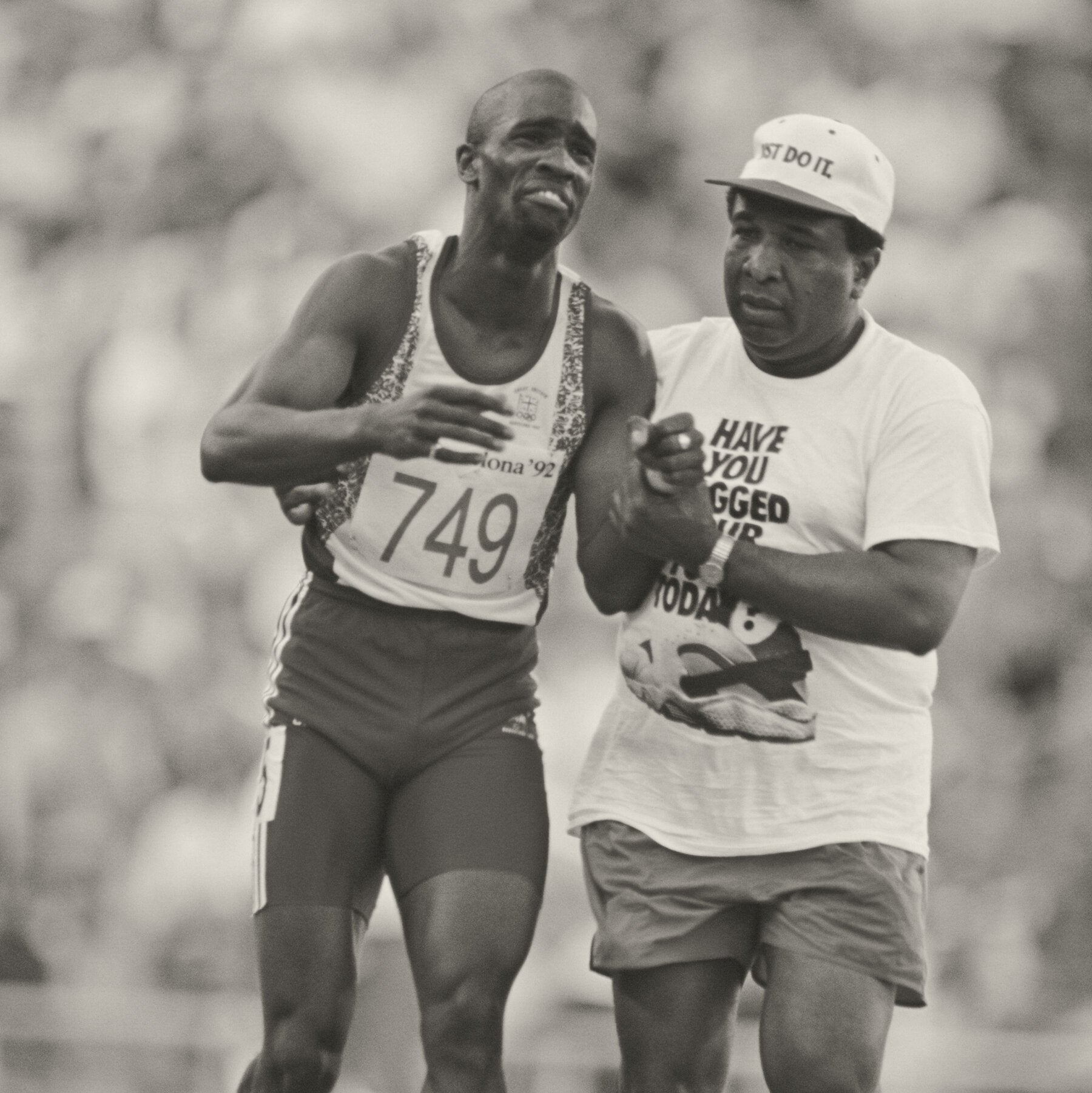
Derek Redmond and His Father, Barcelona 1992
No medal, no time, no placing. The only measurable output of that race was a crowd of about sixty-five thousand people getting to their feet.
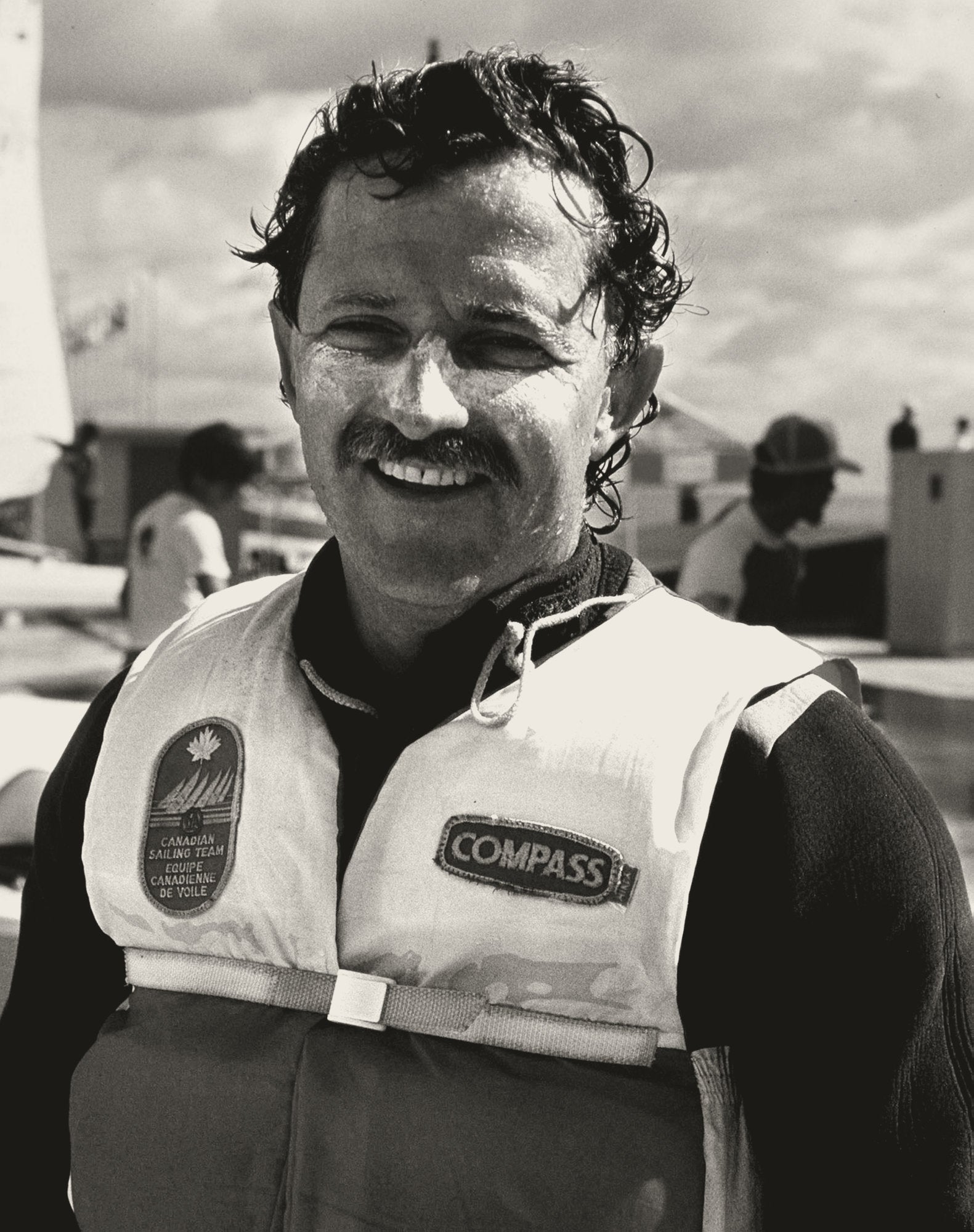
Lawrence Lemieux, Seoul 1988: Second, Then Twenty-Second
He was second. He finished twenty-second.
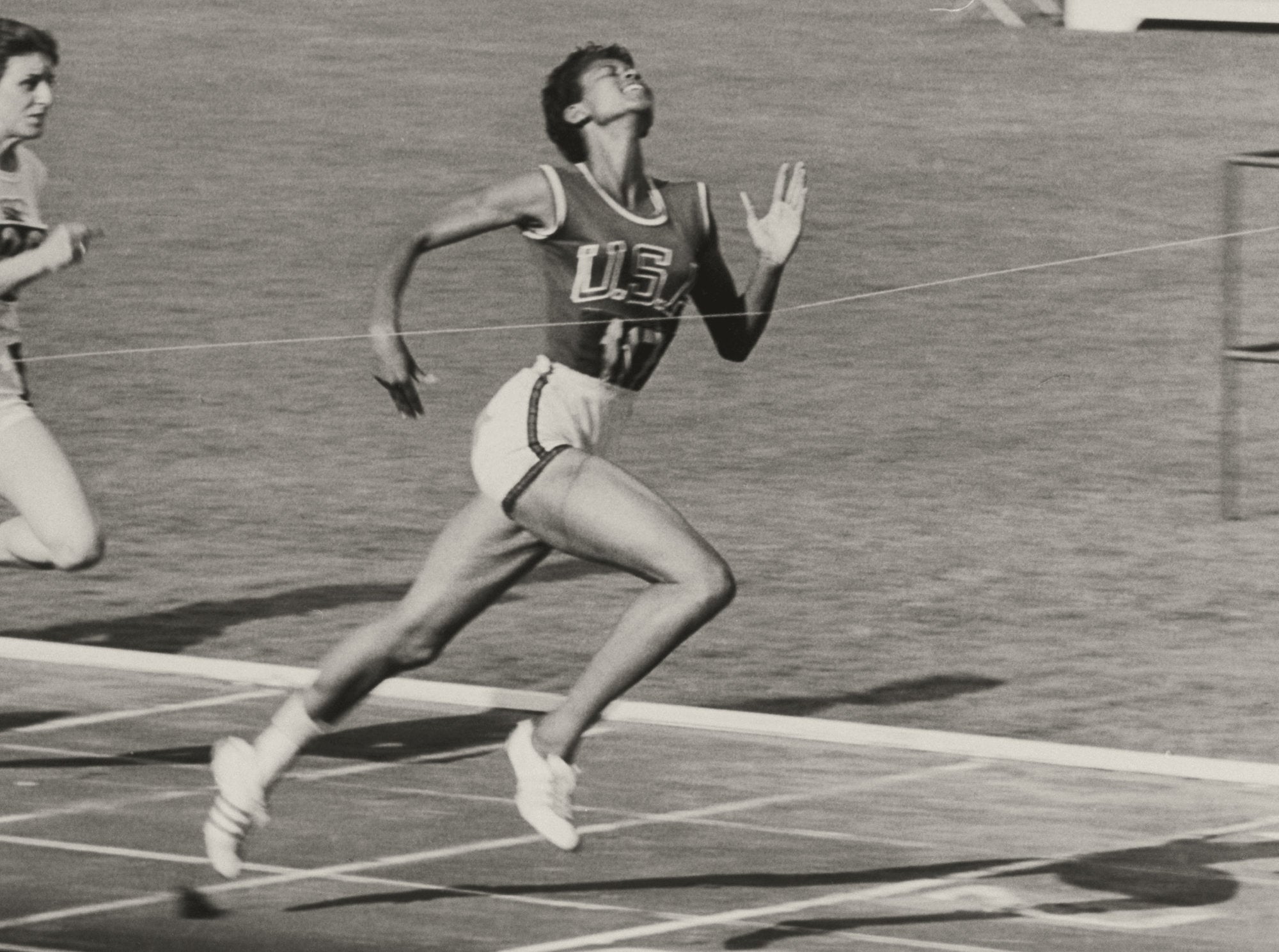
Wilma Rudolph, Rome 1960: Three Golds
Three gold medals at a single Olympic Games, won by a woman who had worn a leg brace into her adolescence.
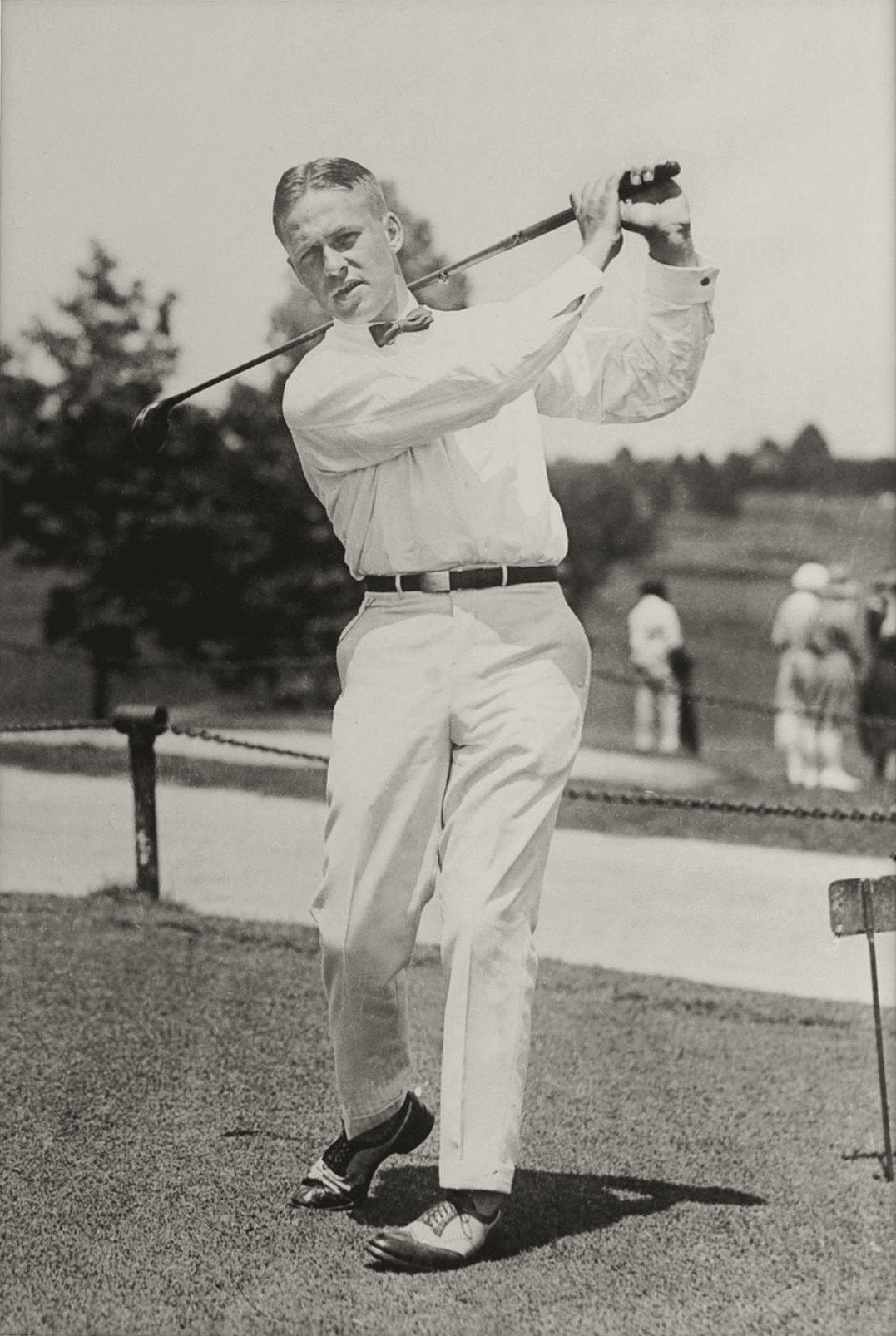
Bobby Jones Calls a Penalty on Himself, 1925 US Open
One penalty stroke, called by a player on himself, for an infraction that no other human being observed. It cost him the 1925 US Open by exactly that margin.
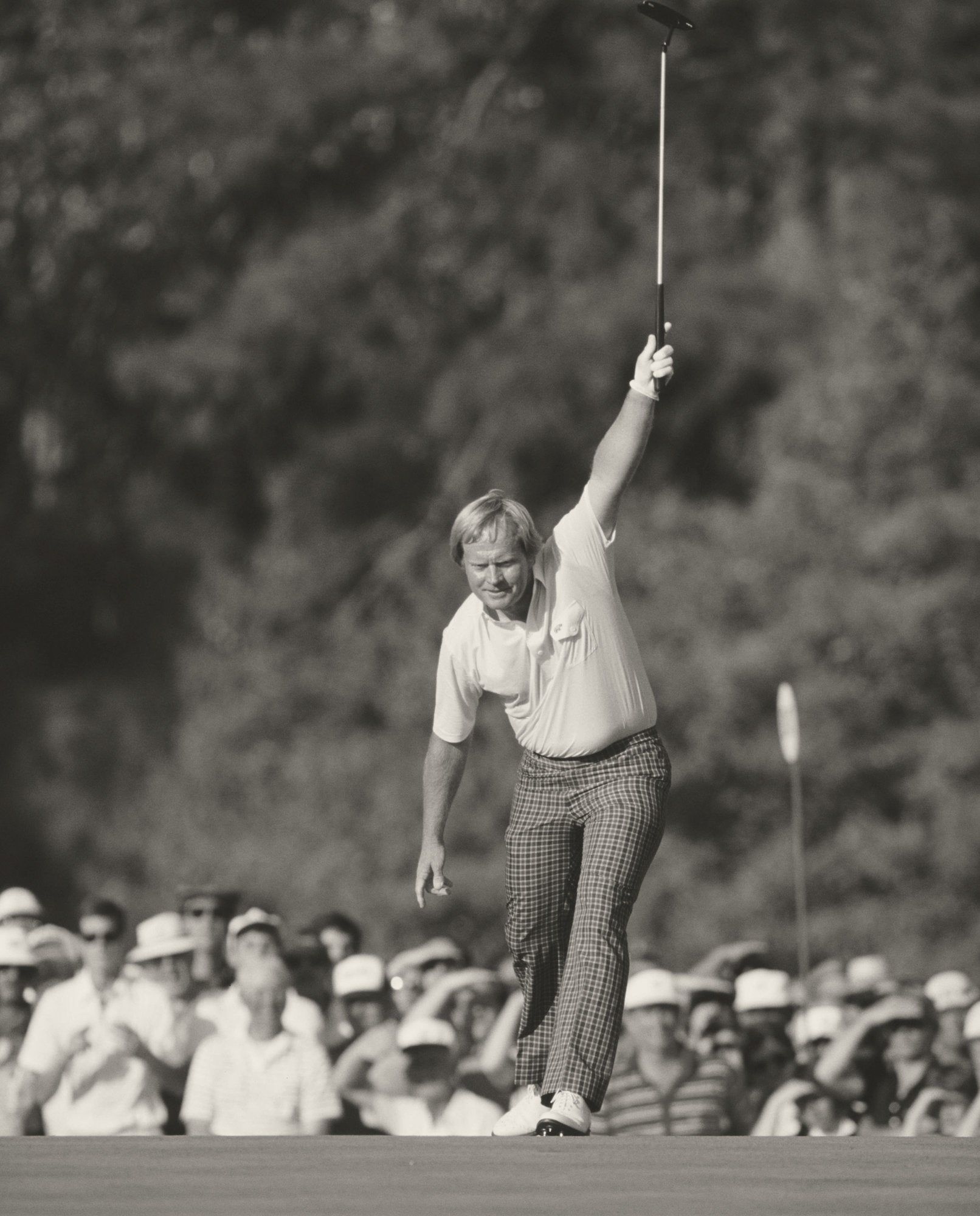
Jack Nicklaus Concedes the Putt, Ryder Cup 1969
The 1969 Ryder Cup finished level. Sixteen points each.
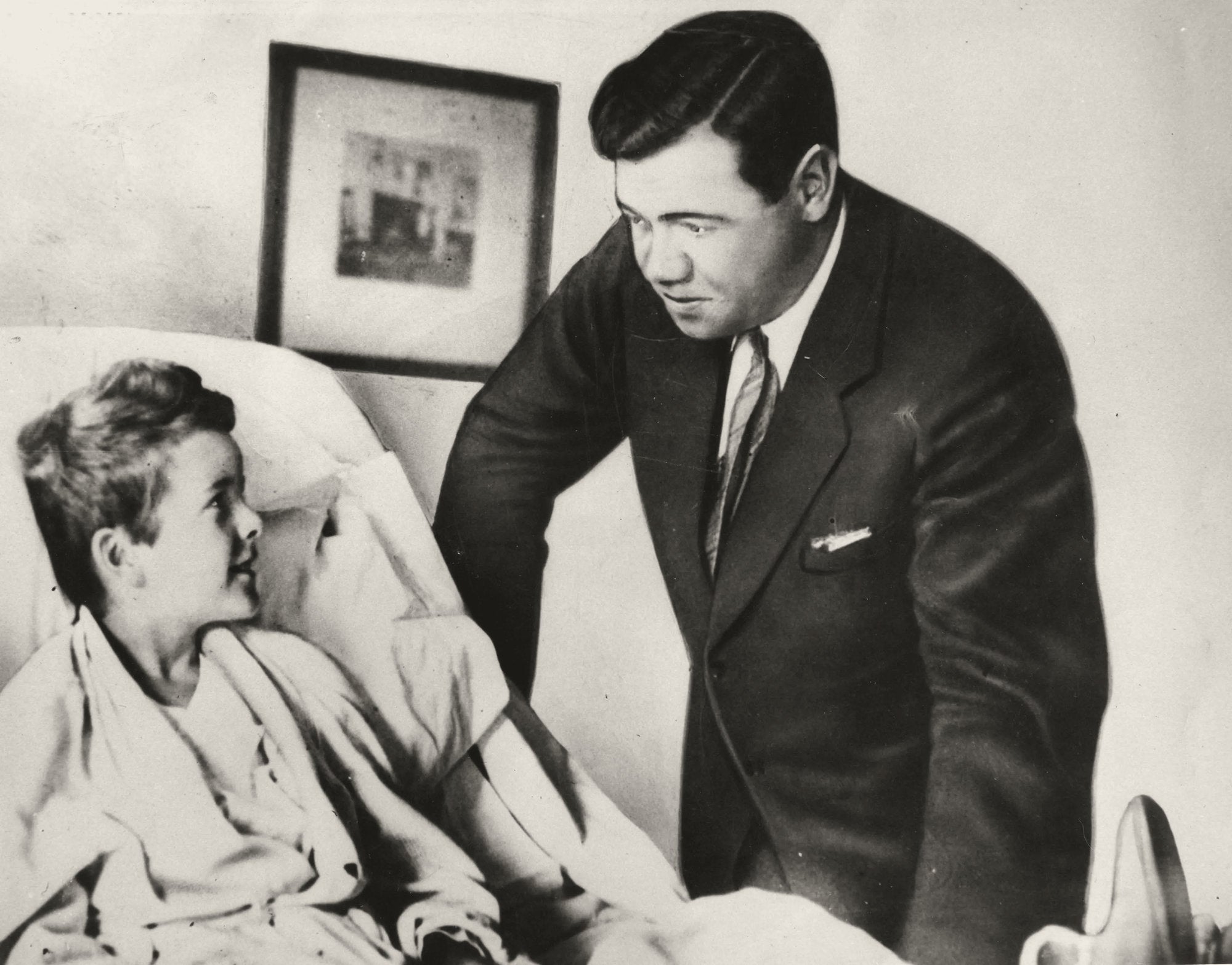
Babe Ruth's Promise to Johnny Sylvester, 1926
Three home runs in one World Series game, the first time it had been done, on the afternoon a promise to a sick child was in every newspaper in New York.
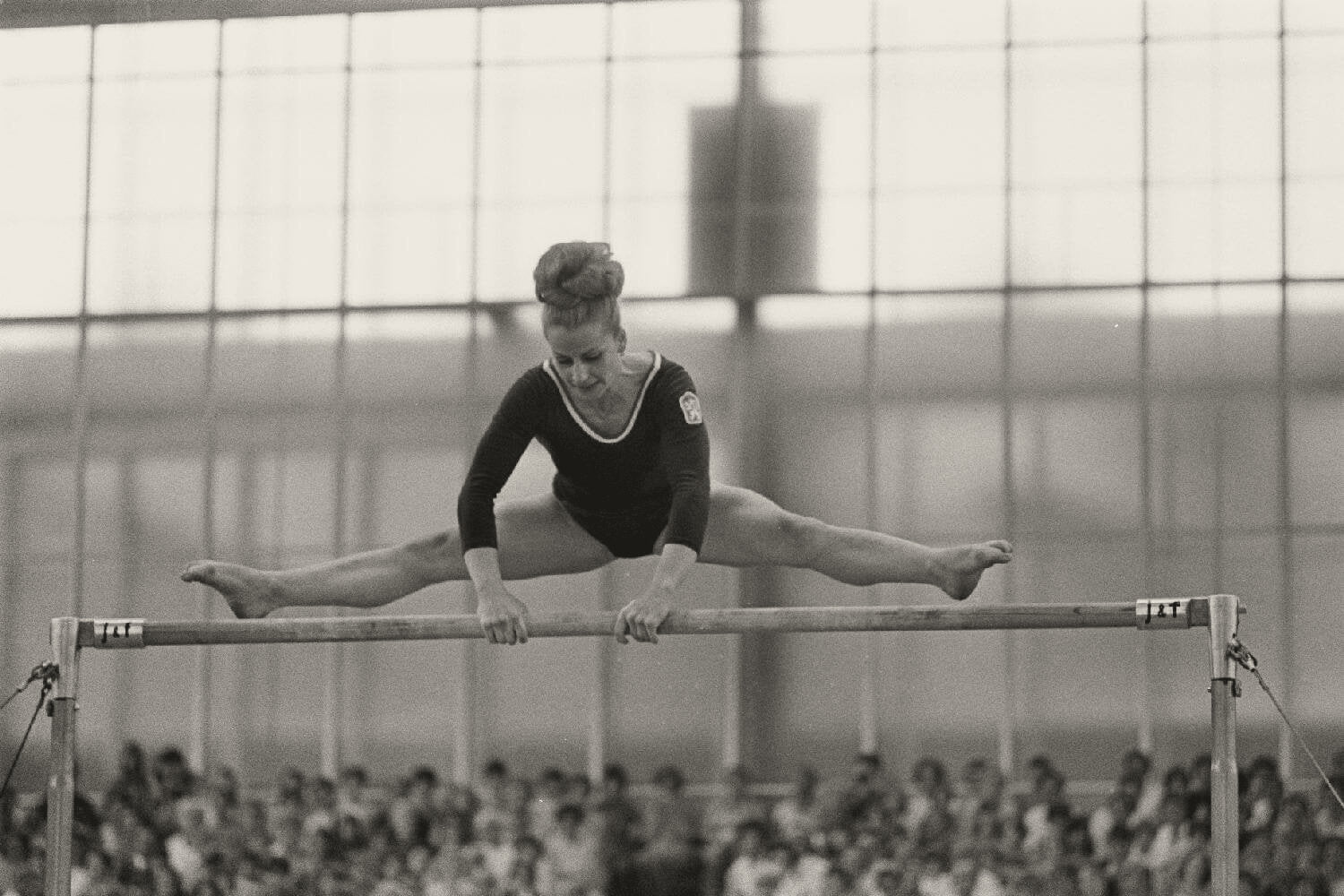
Vera Caslavska: Seven Olympic Golds, Mexico 1968
Seven Olympic gold medals, across Tokyo and Mexico City. She remains the only woman to win the individual all-around title at consecutive Games and the only gymnast, of any sex, to have won gold in every individual apparatus event.
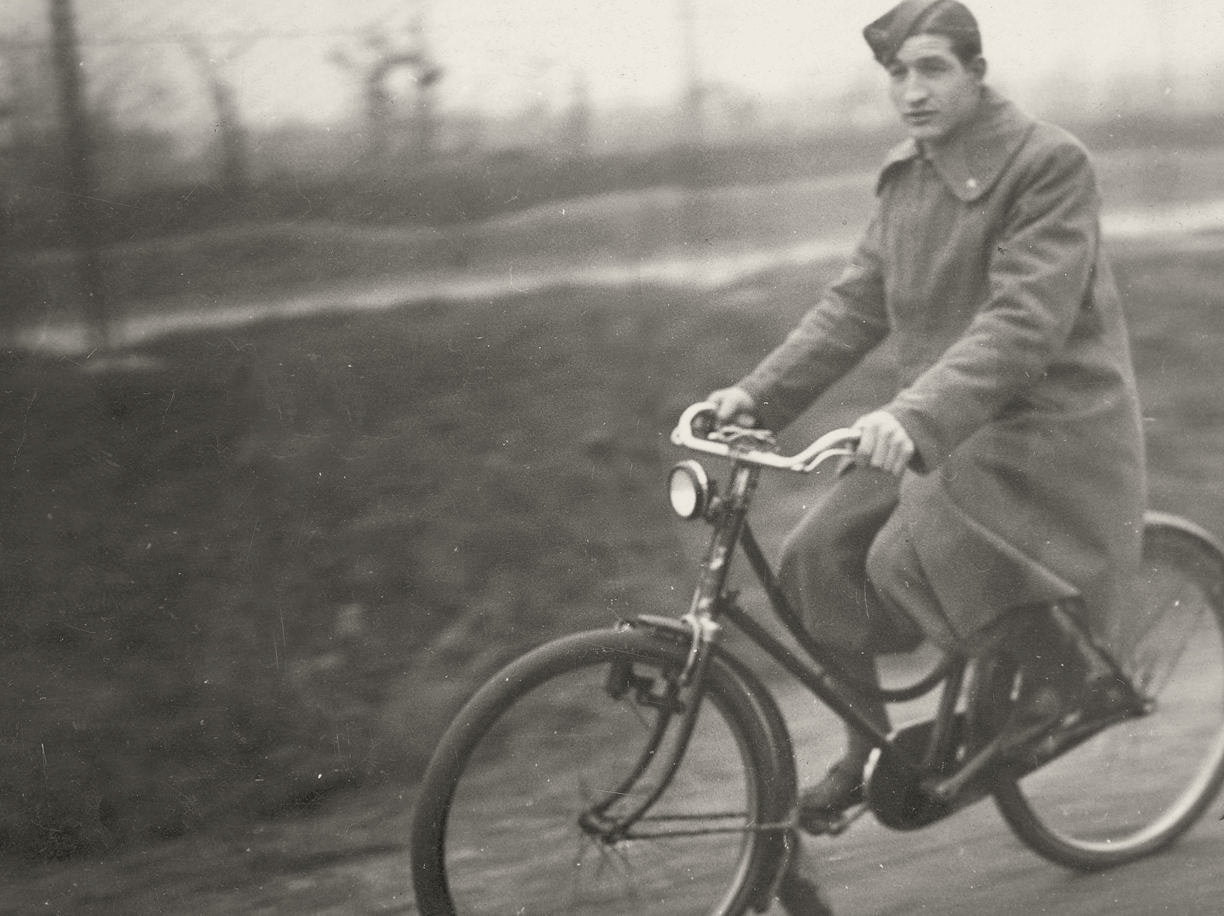
Gino Bartali: The Rides From Florence to Assisi, 1943
The number attached to the network Bartali worked for is around eight hundred people saved. Precision is impossible here, for obvious reasons, and we would rather say roughly than pretend.
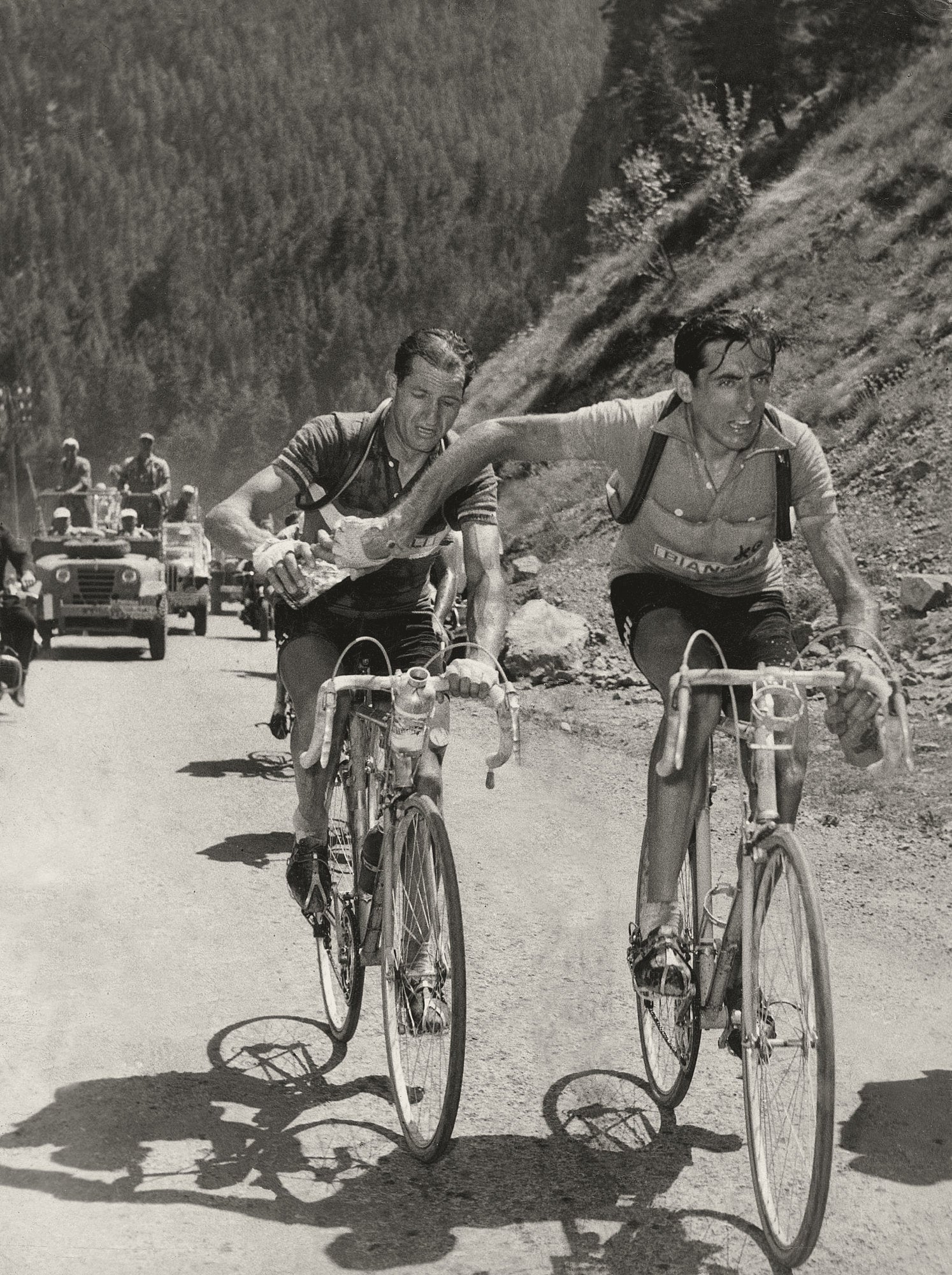
Coppi and Bartali: The Bottle, Tour de France 1952
One bottle, passed between two riders on a mountain, in a photograph that has been argued about for more than seventy years.
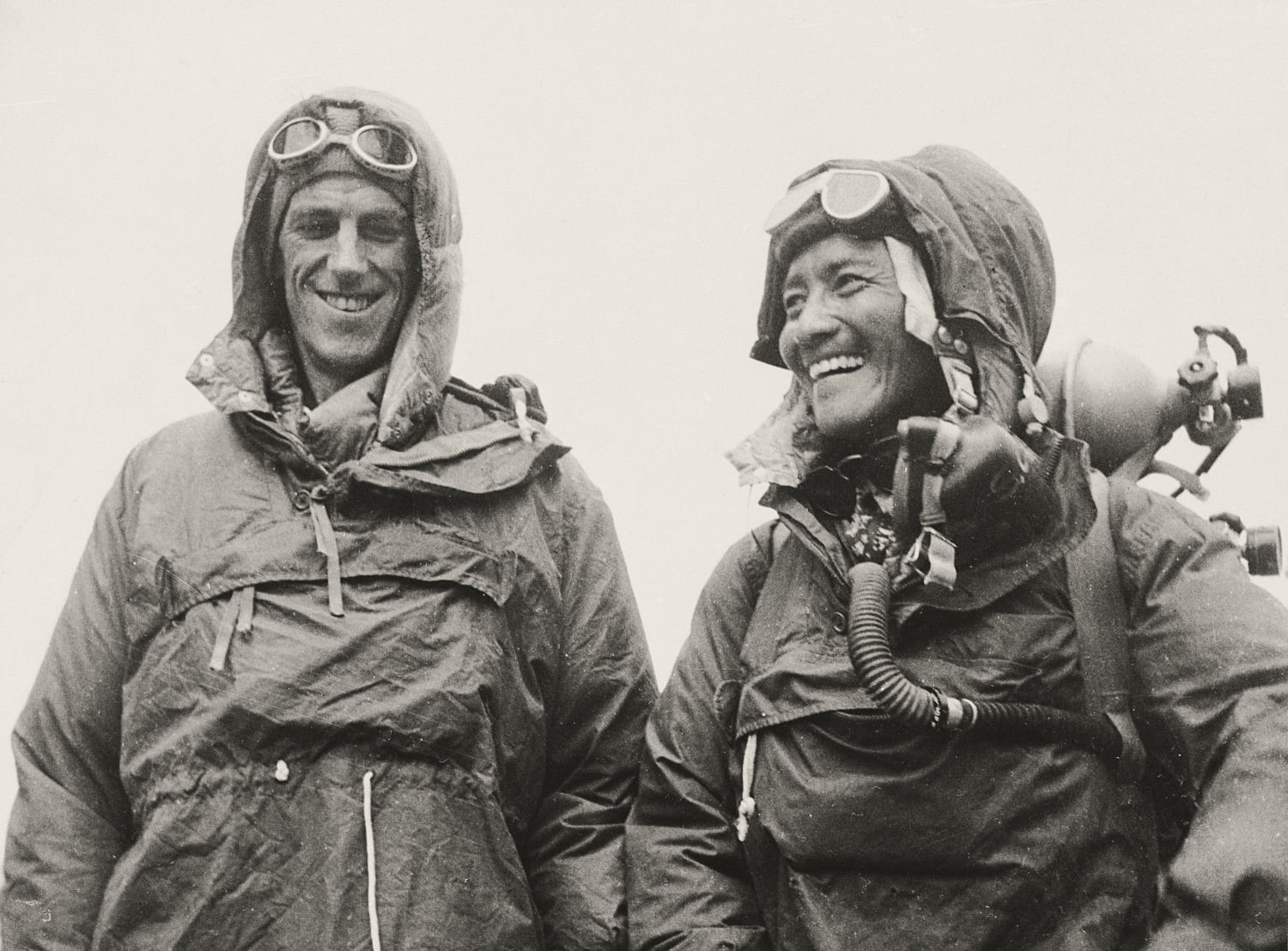
Hillary and Tenzing, Everest 1953: Who Was First
The gap between first and second on the summit of Everest, as reported by the only two people who were there, for the first several decades after they got back.
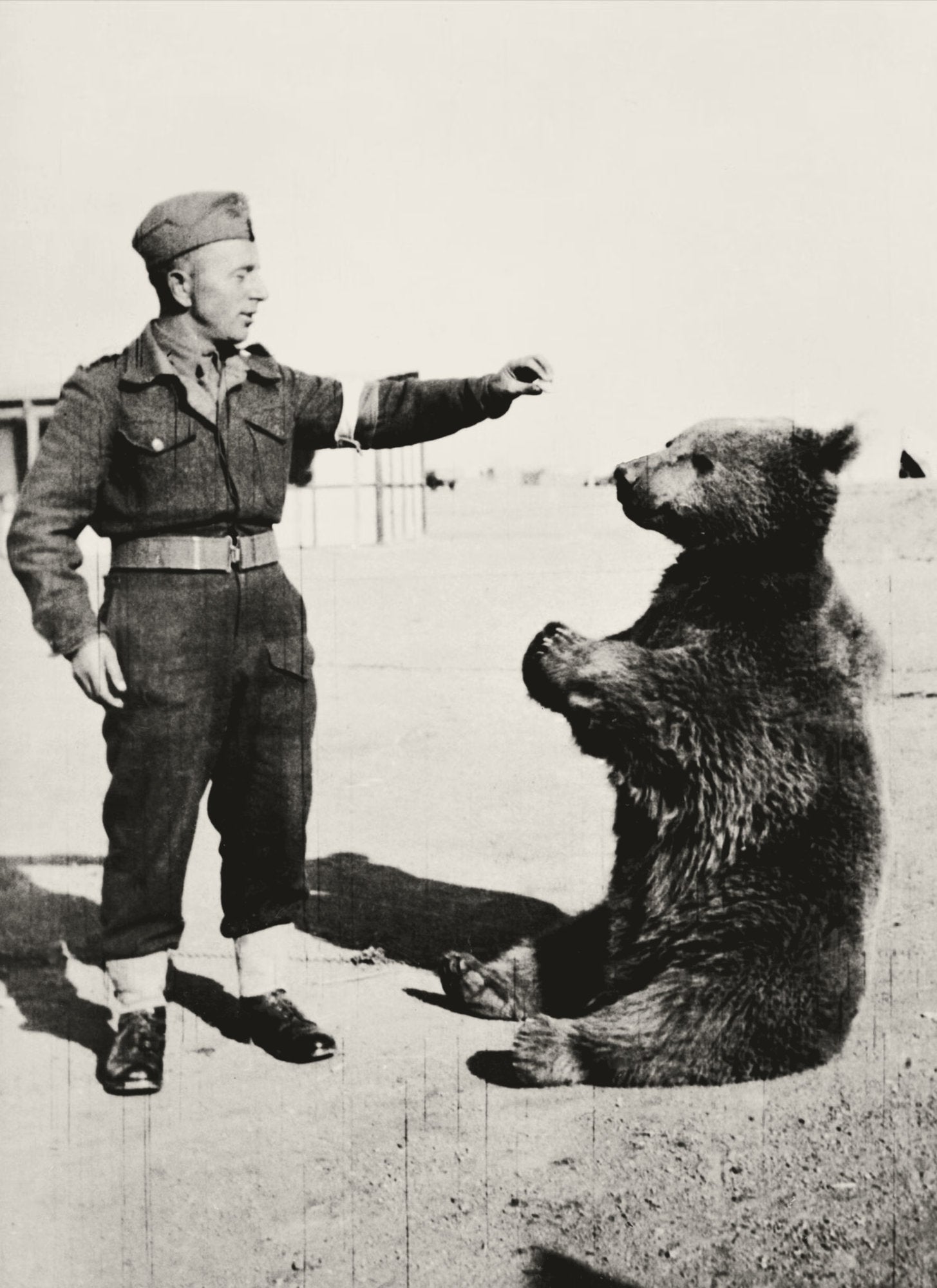
Wojtek: The Bear Enlisted at Monte Cassino, 1944
The 22nd Artillery Supply Company of the Polish II Corps, which is the unit that enlisted a bear, and which afterwards put him on its badge.
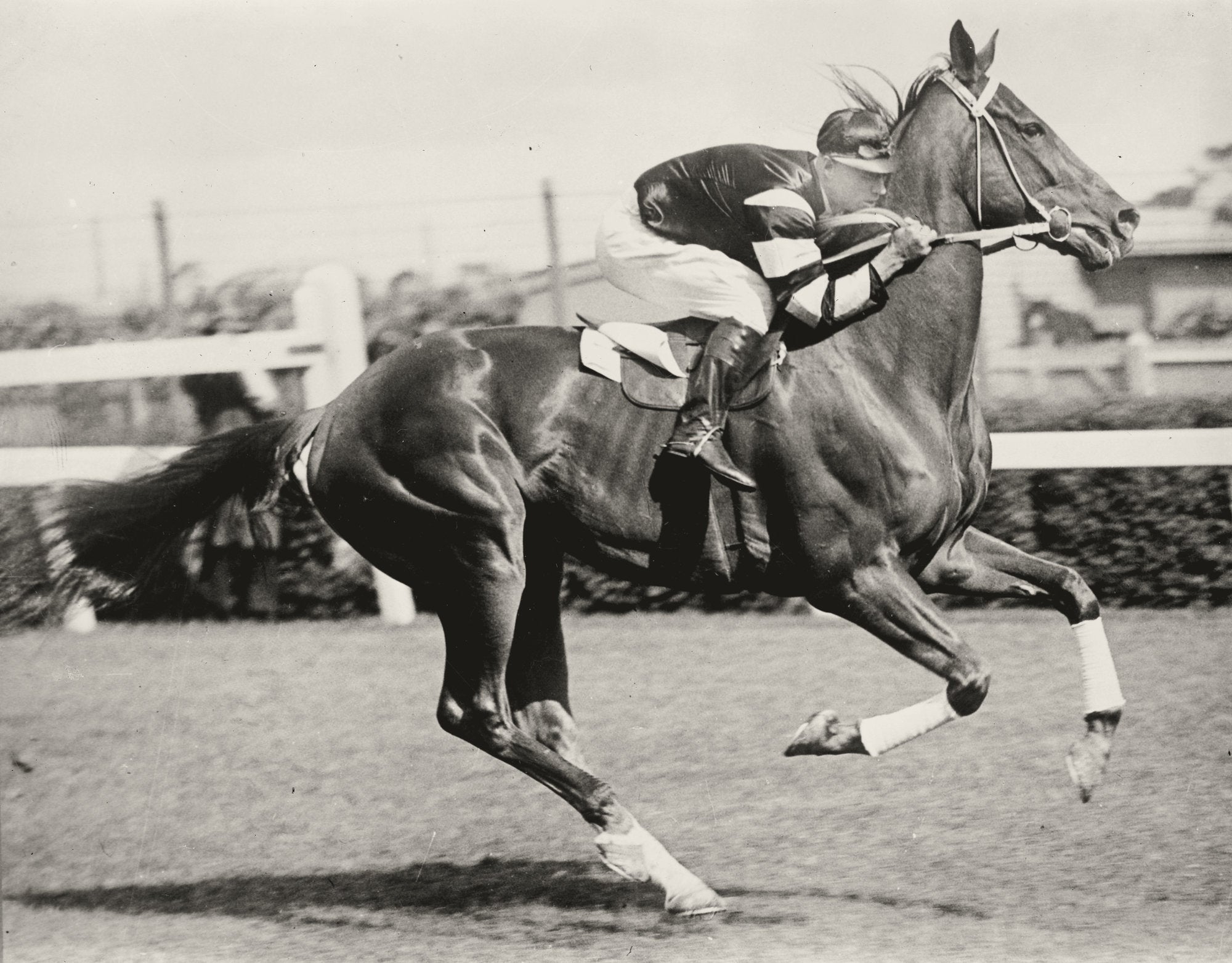
Phar Lap: Thirty-Seven Wins, 1929 to 1932
Thirty-seven wins from fifty-one starts, across a career of a little over three years.
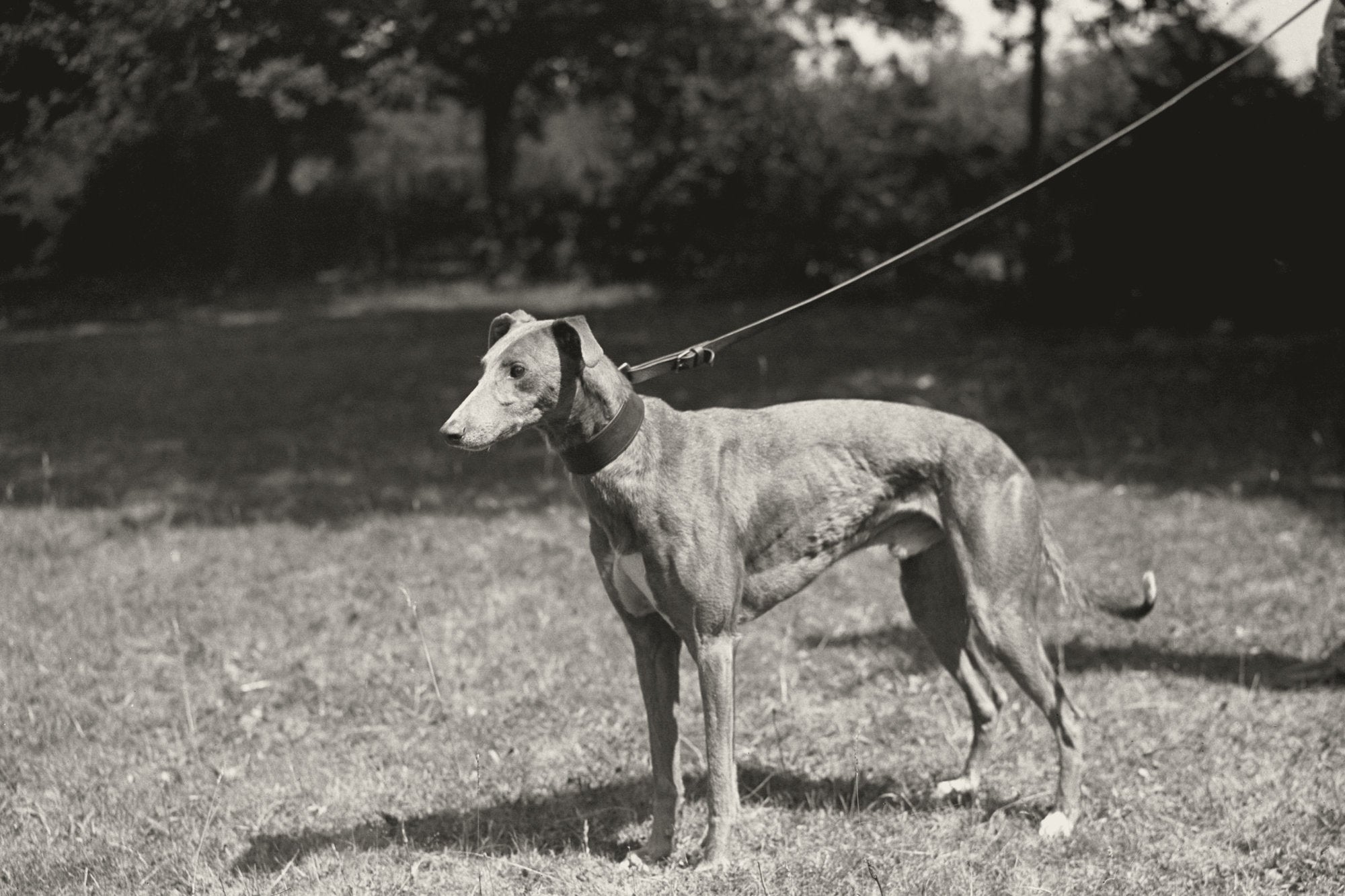
Mick the Miller: Nineteen Straight Wins, 1929
Nineteen consecutive victories, in a sport where the draw, the traps and the traffic in the first bend make long winning runs close to impossible.
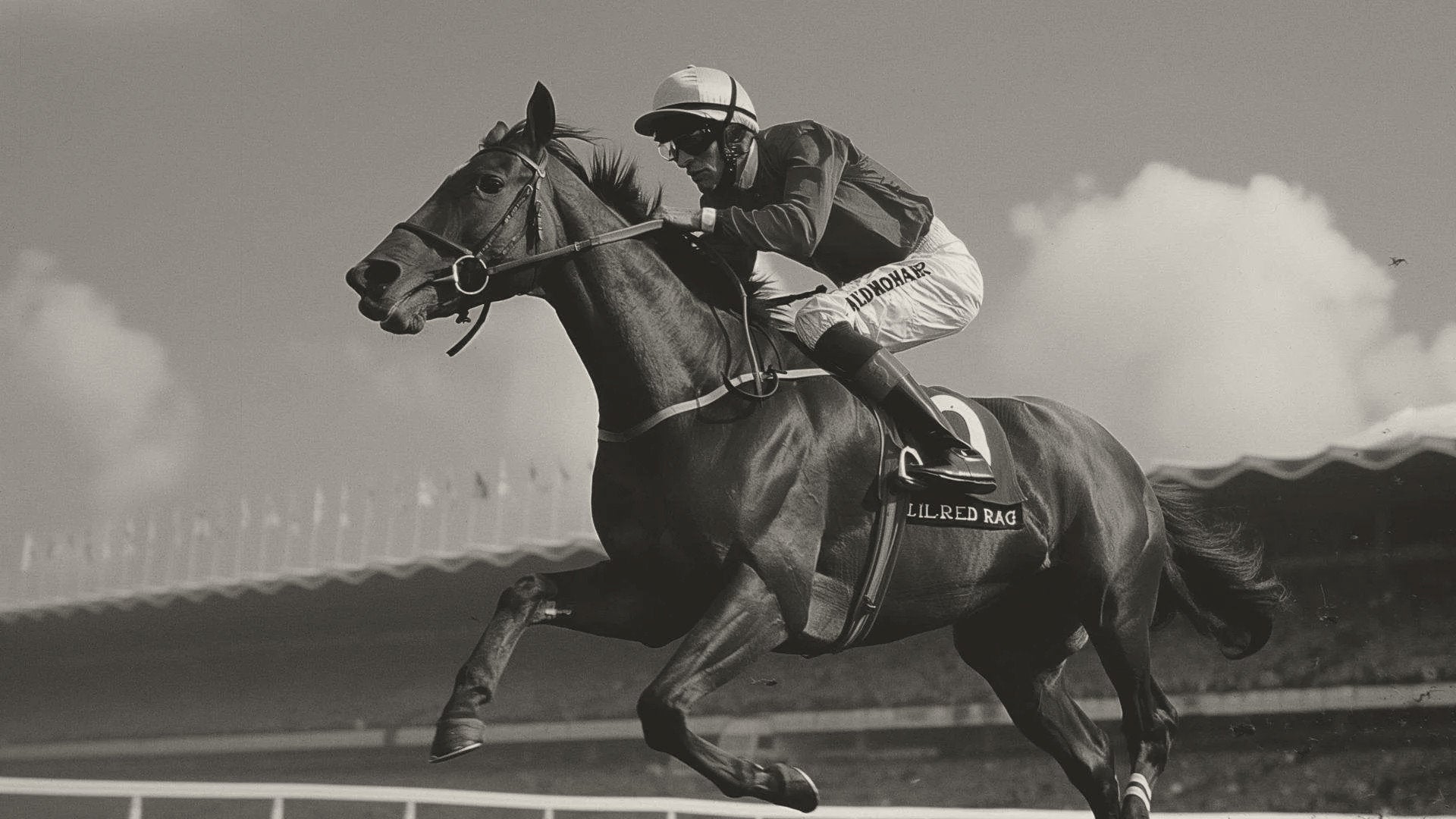
Red Rum: Three Grand Nationals, Aintree 1973 to 1977
Three Grand Nationals. No other horse has won more than two.
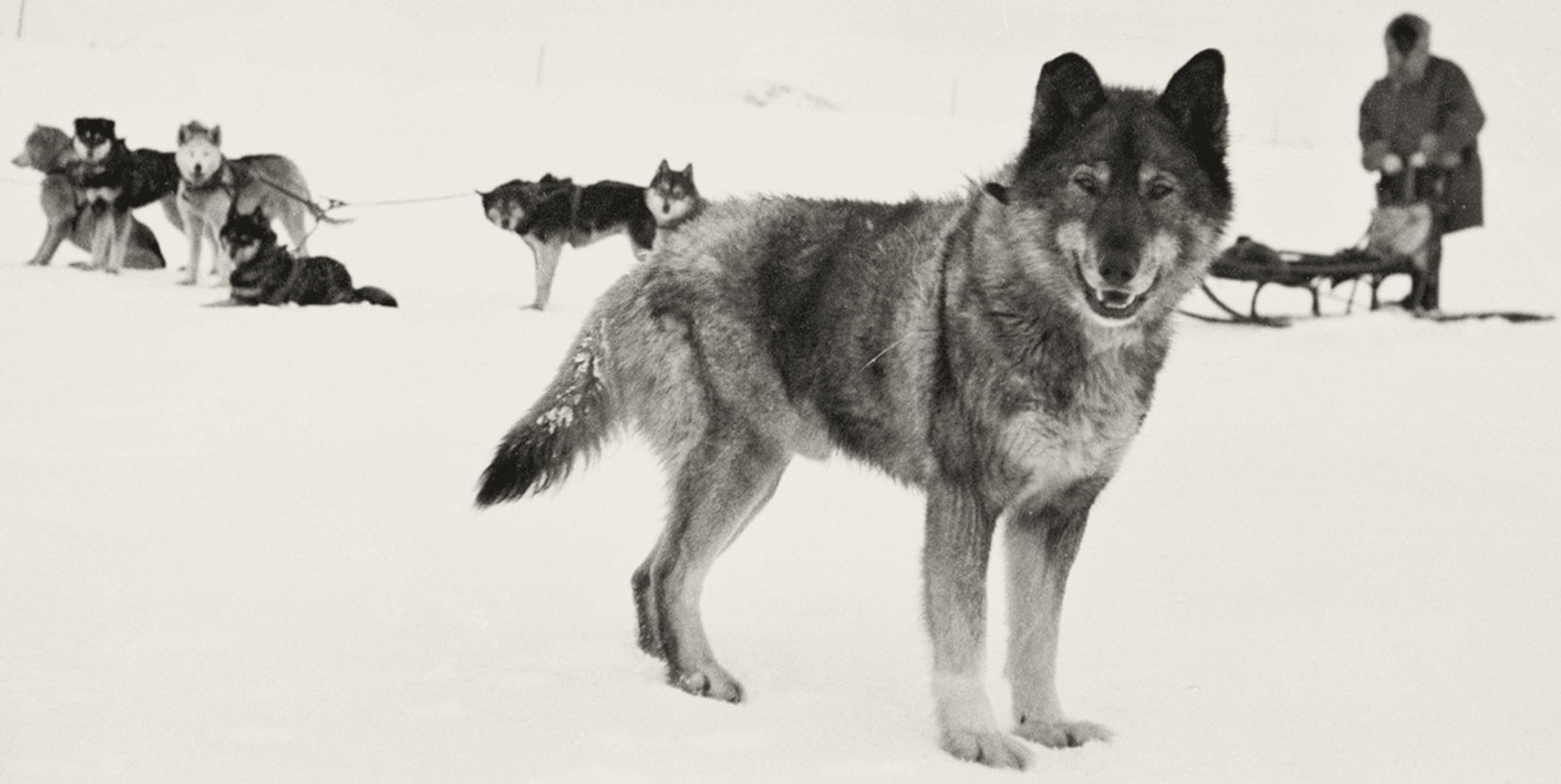
Togo and the 1925 Serum Run to Nome
The approximate distance in kilometres covered by Leonhard Seppala's team during the 1925 serum run, including the return leg. It is more than three times what any other team in the relay covered.
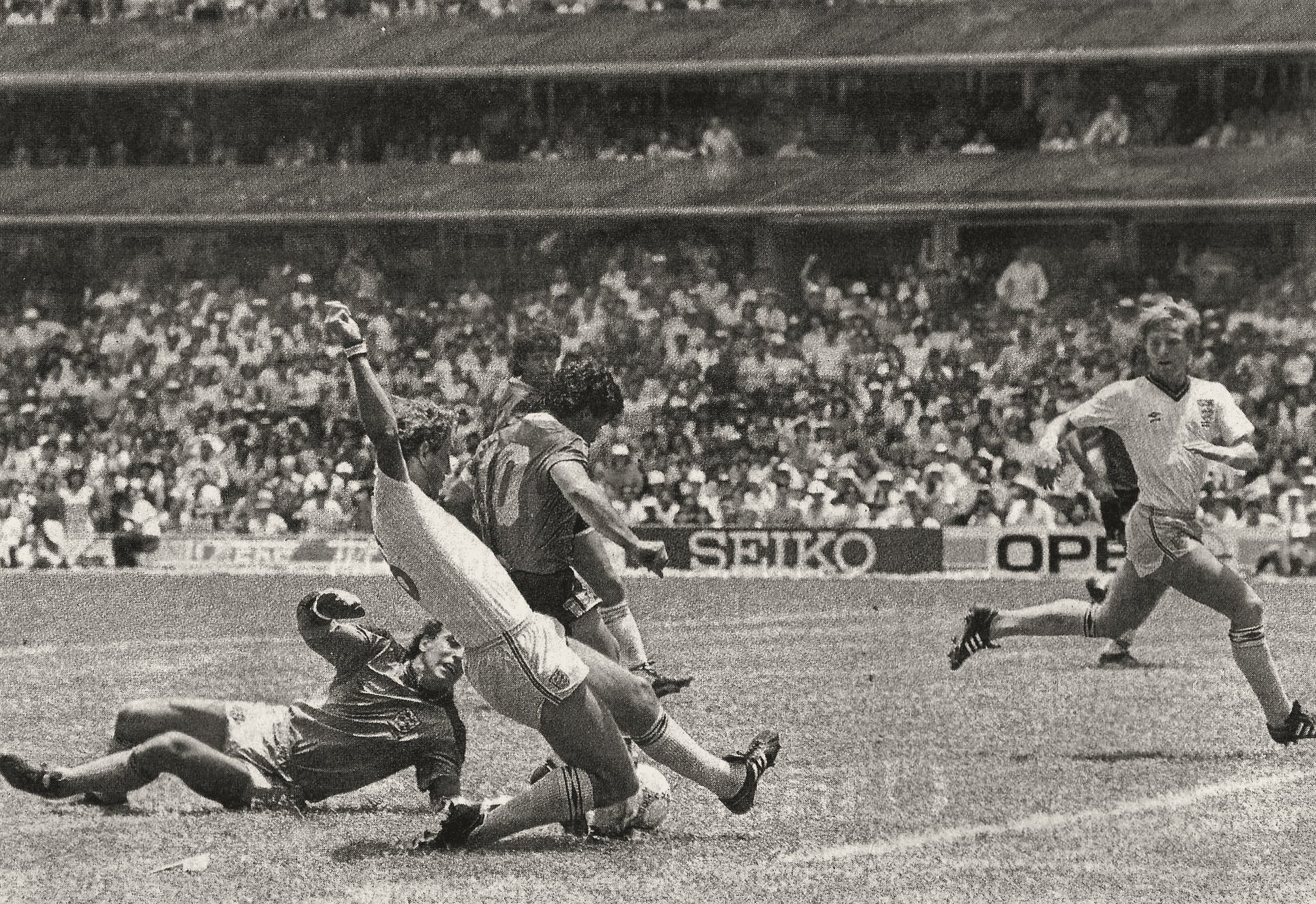
Maradona, Mexico 1986: Four Minutes, Two Goals
Four minutes separate the two most discussed goals in the history of the World Cup. They were scored by the same player, in the same match, against the same goalkeeper.
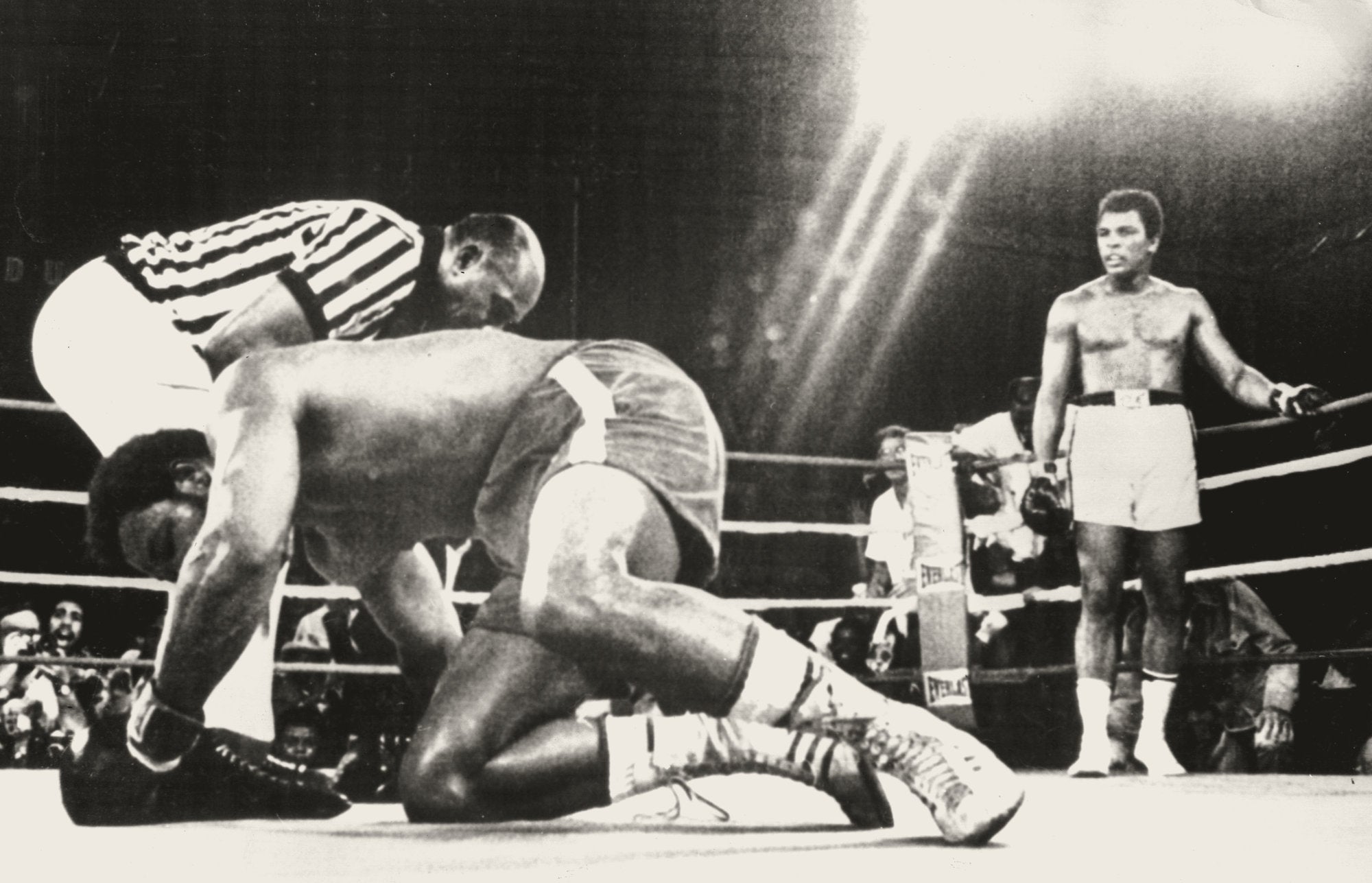
Rumble in the Jungle, Kinshasa 1974: Eight Rounds
Eight rounds. That is how long it took, and seven of them were spent being hit on purpose.
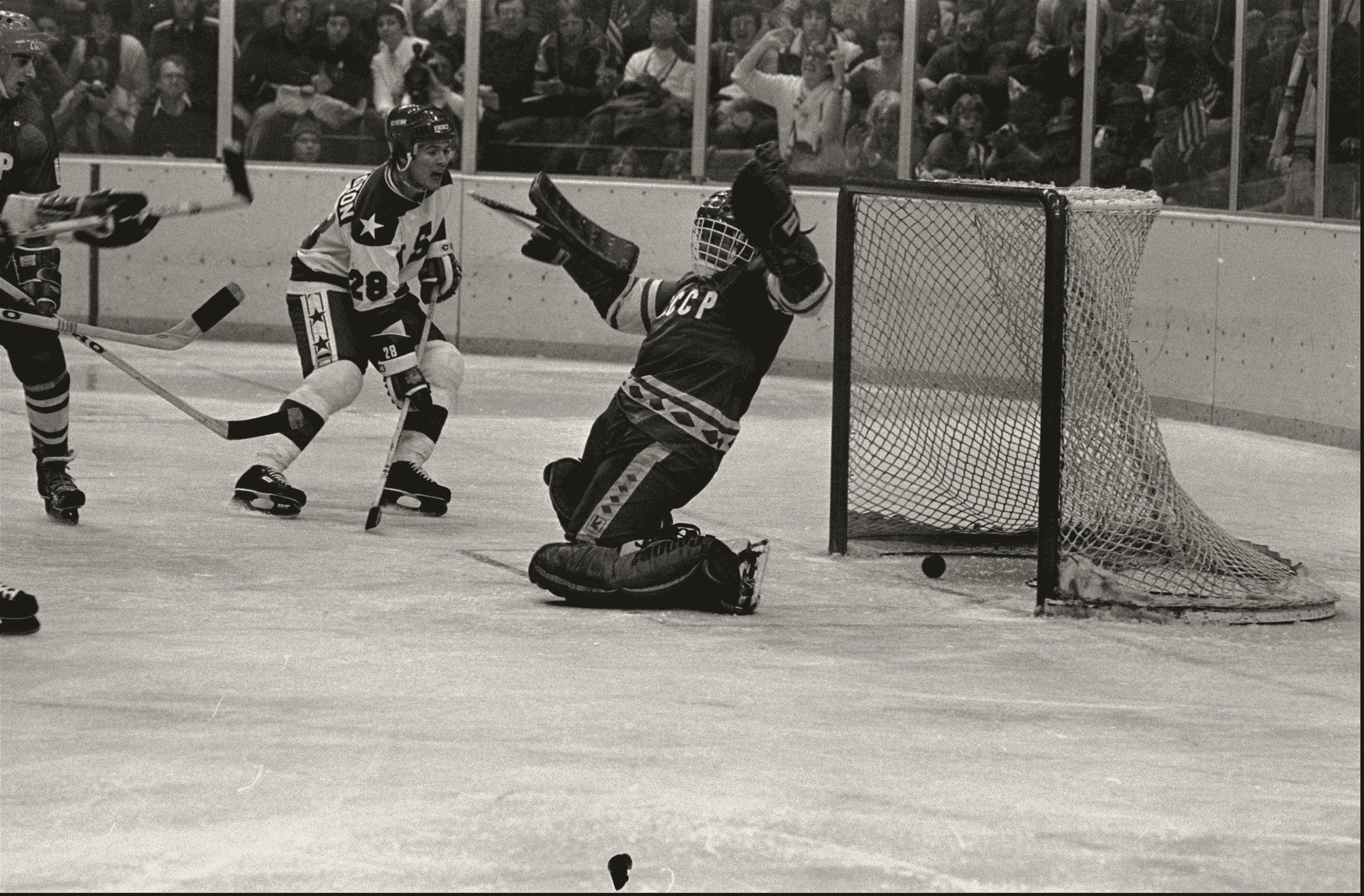
Miracle on Ice, Lake Placid 1980: USA 4, USSR 3
The score. It is on the print because the identity of the game is the scoreline, and because the two teams that produced it were not remotely comparable.
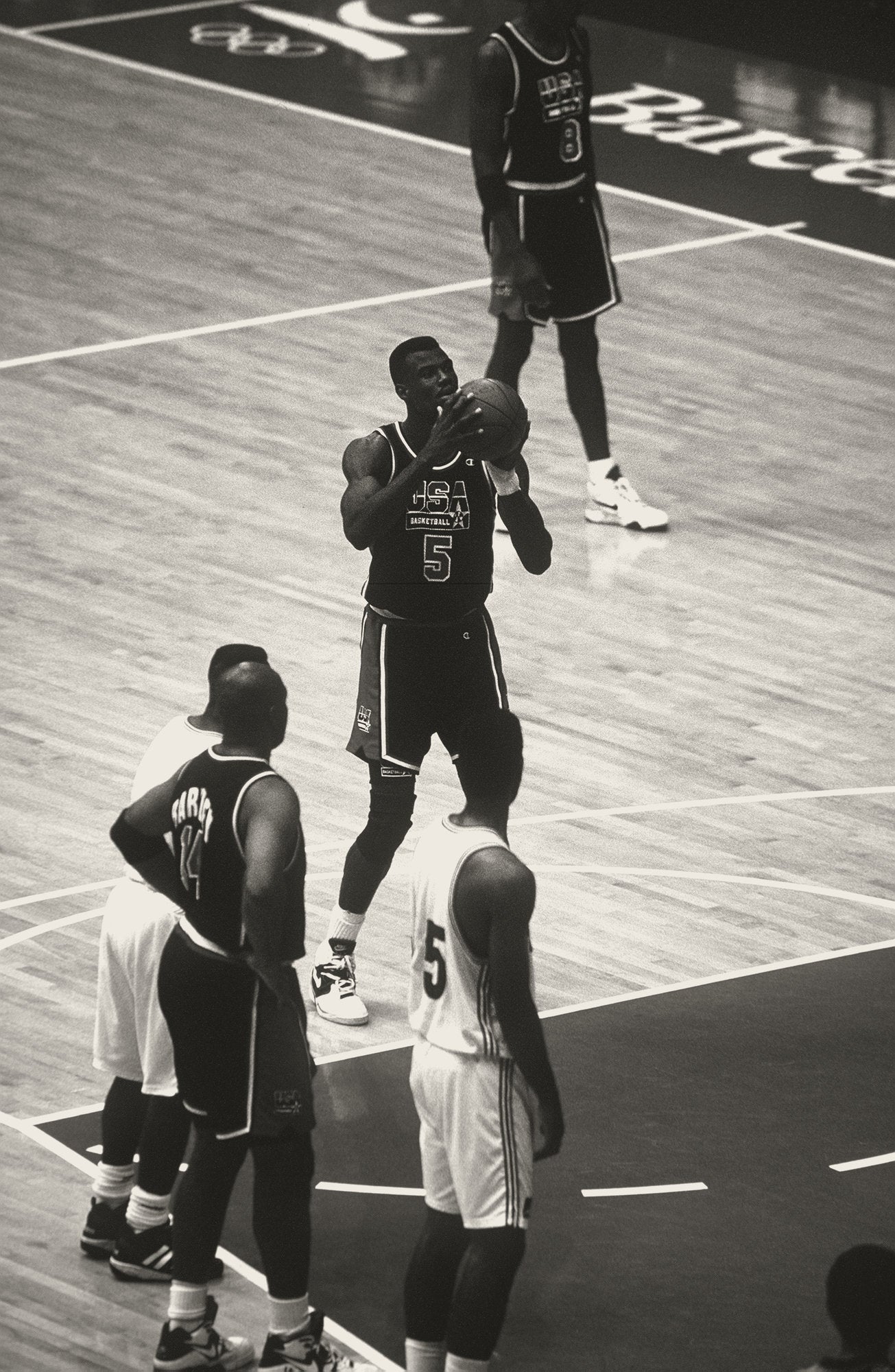
The Dream Team, Barcelona 1992: Winning by Forty-Four
The average winning margin, rounded. Eight games, and not one of them was closer than thirty-two points.
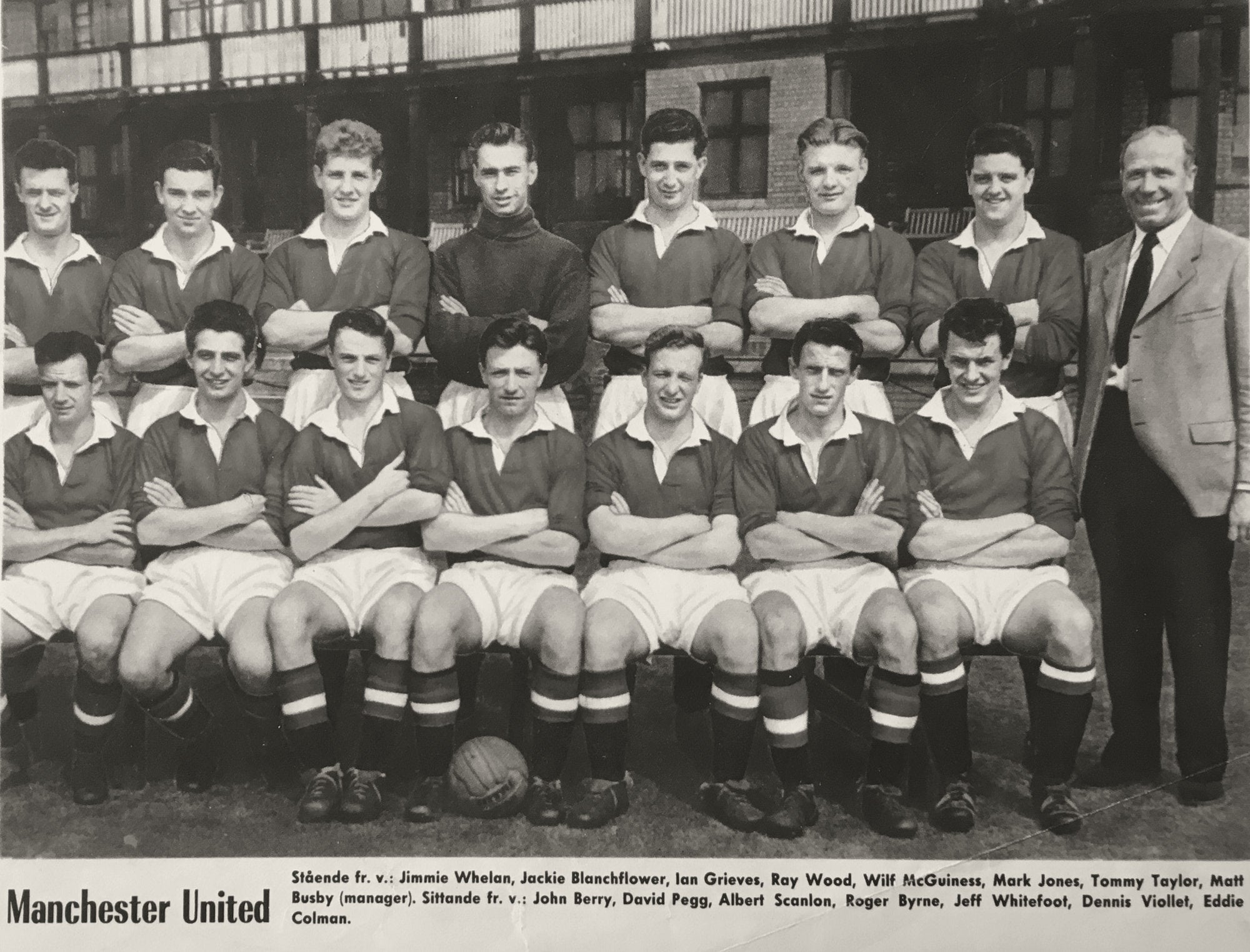
The Busby Babes and the Munich Air Disaster, 1958
Eight players died as a result of the Munich air disaster on 6 February 1958. Twenty-three people in total.
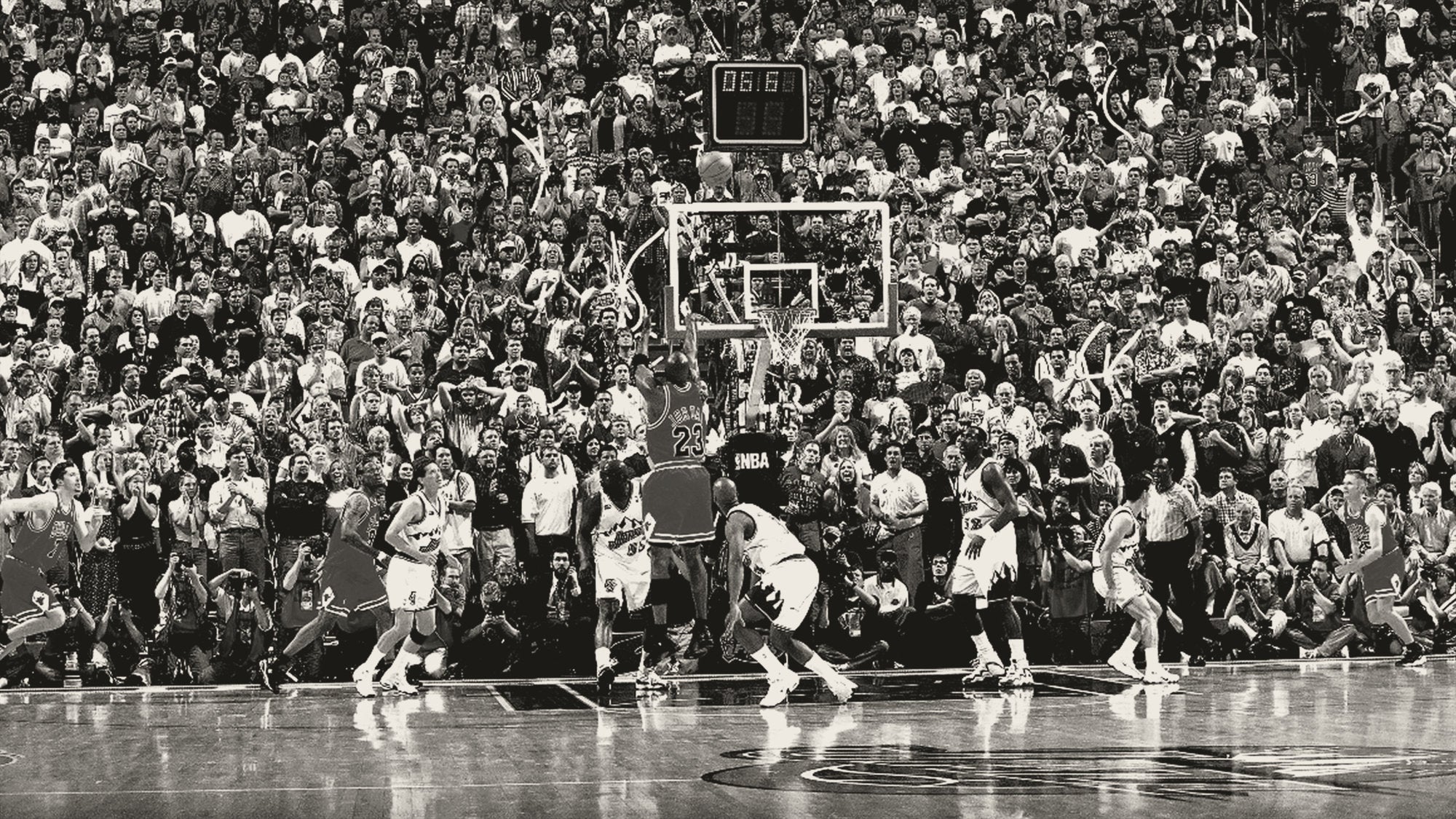
Michael Jordan's Last Shot, Salt Lake City 1998
The seconds remaining when the ball left his hand. It is on the print because the whole sequence is a compression problem: three decisive actions inside forty seconds.
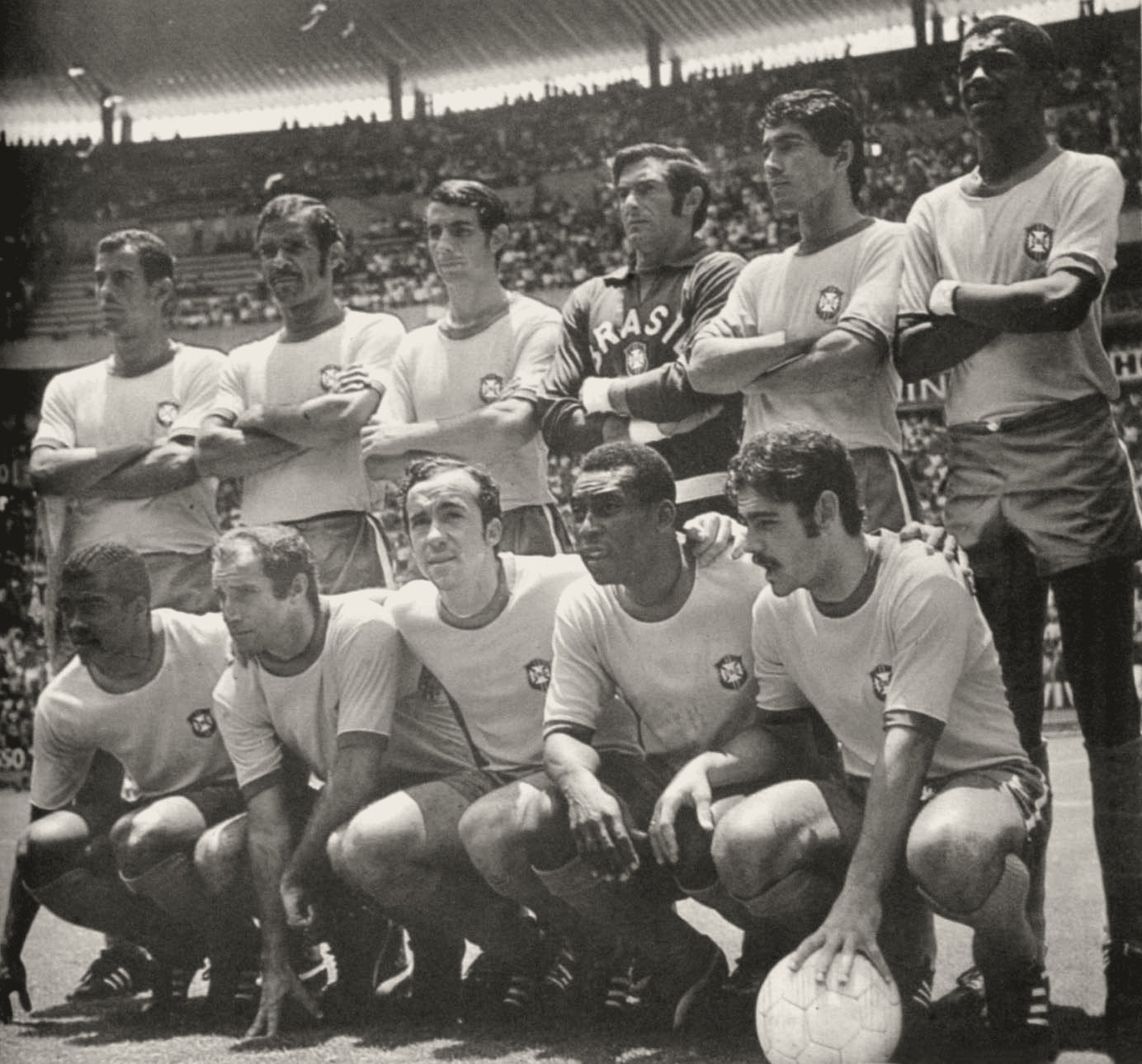
Brazil 1970: The Third World Cup That Kept the Trophy
The third World Cup, which under the rules of the era meant the Jules Rimet trophy became Brazil's property permanently.
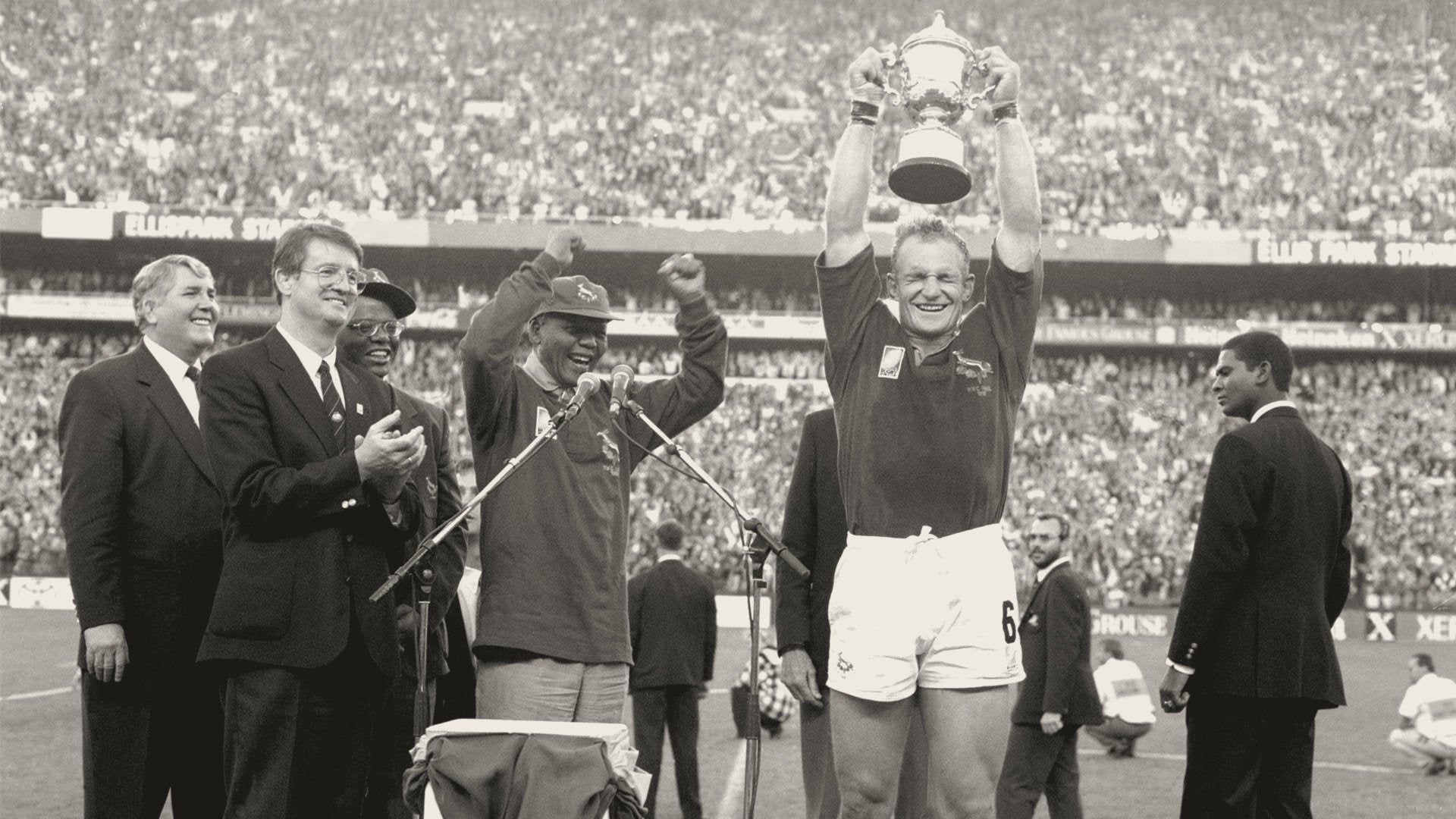
Mandela and the Springboks: Ellis Park, 1995
The number on the jersey Mandela wore. It was Francois Pienaar's, the captain's, and that detail is the whole gesture: he did not wear a neutral shirt, he wore the captain's.
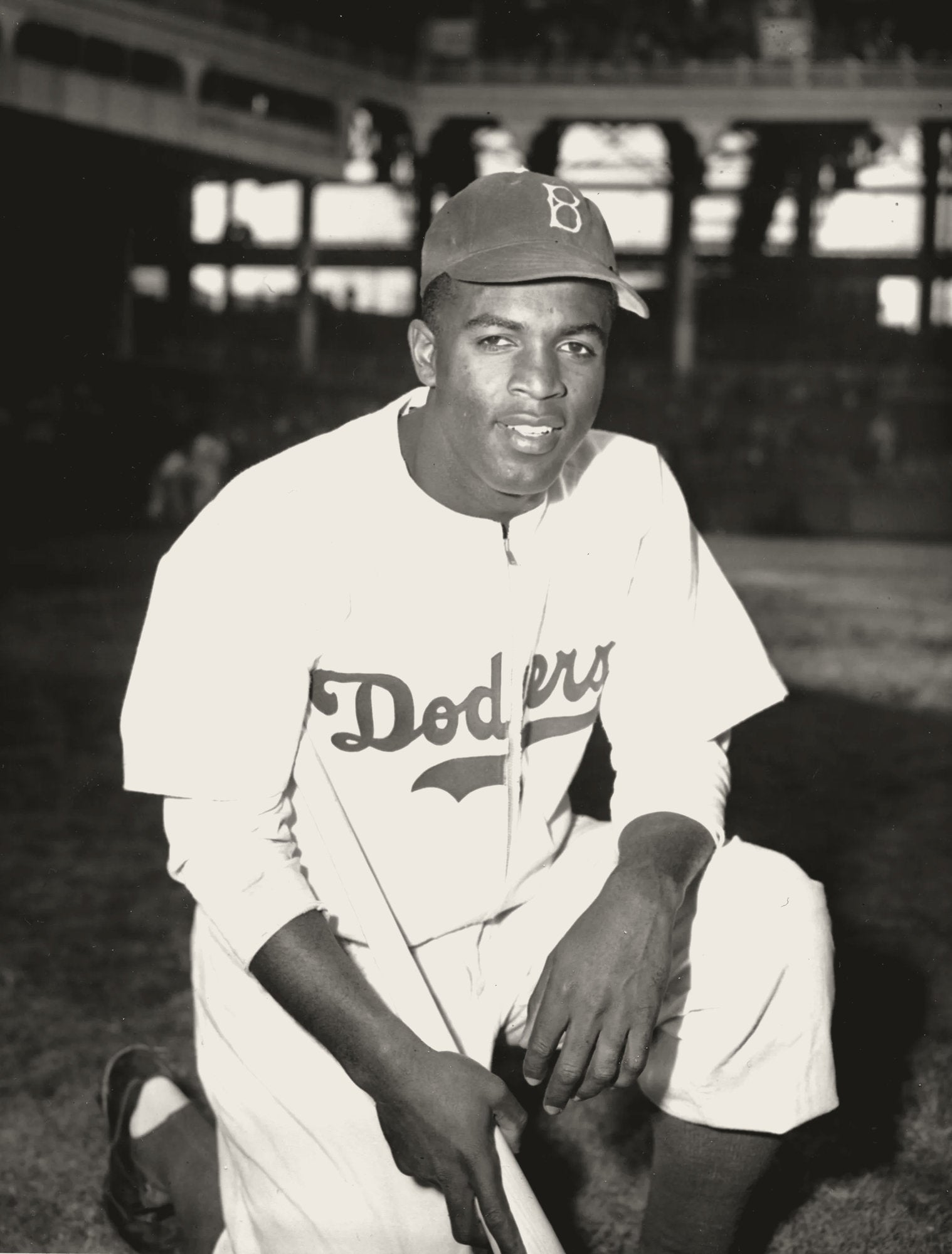
Jackie Robinson, 1947: Three Years of Silence
Three years. That was the length of the silence Jackie Robinson agreed to keep before he signed with Brooklyn, and it is the number this print carries.
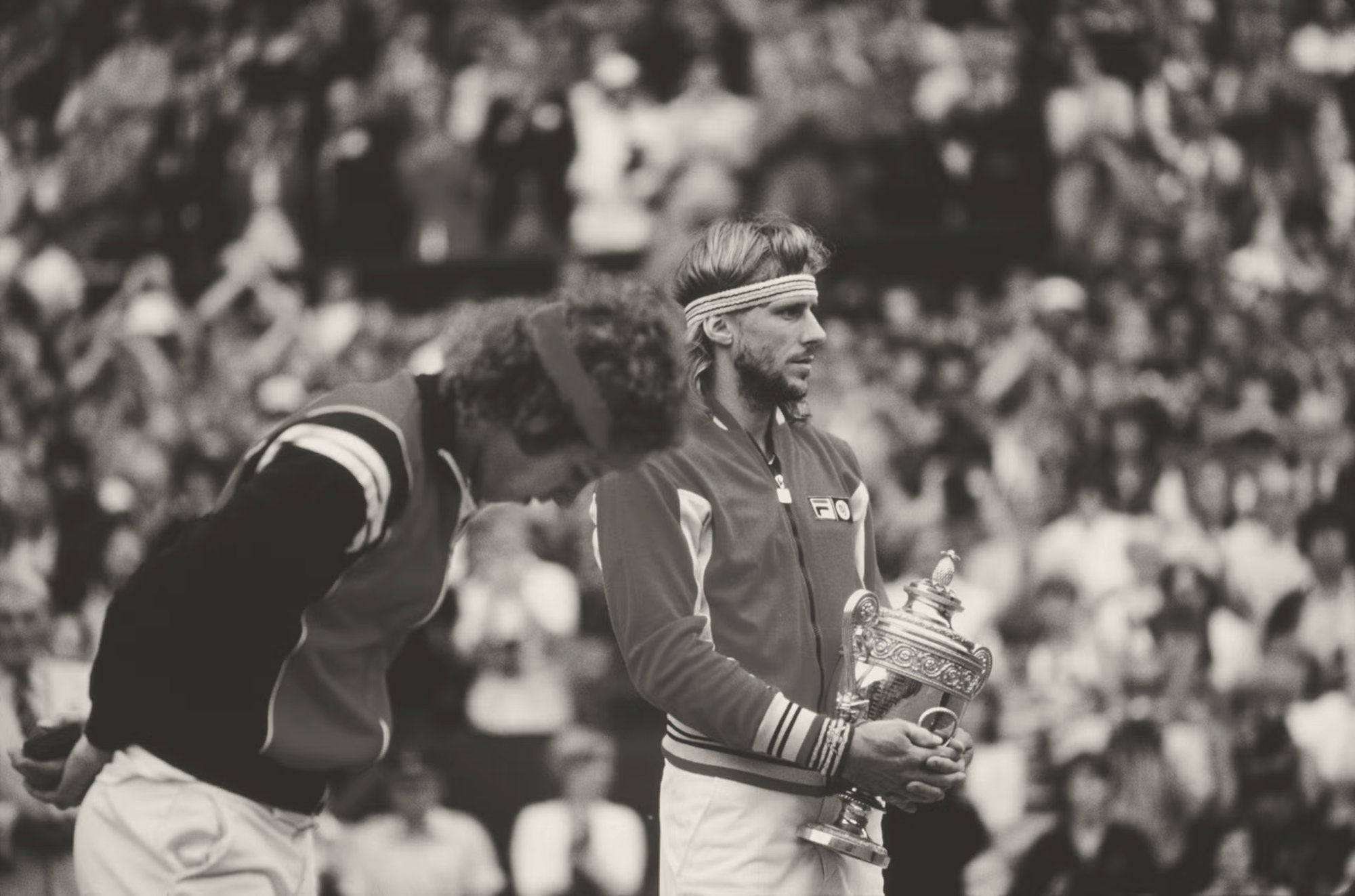
Borg and McEnroe, Wimbledon 1980: The 18-16 Tiebreak
The score of the fourth set tiebreak. Thirty-four points, twenty-two minutes, and it is on the print because it is the most famous single game in the sport.
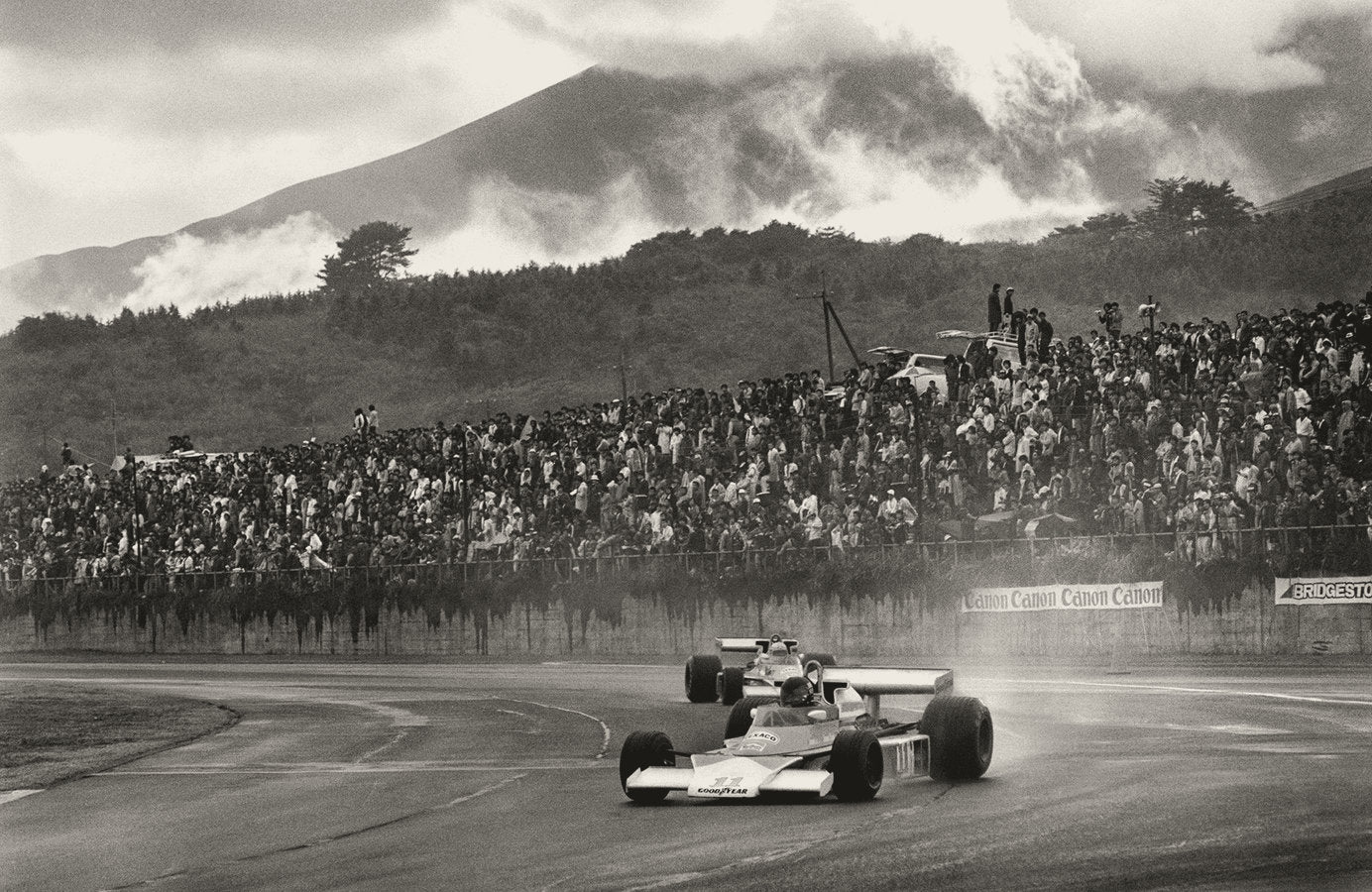
Hunt and Lauda, 1976: A Championship by One Point
The margin. James Hunt won the 1976 world championship by a single point.
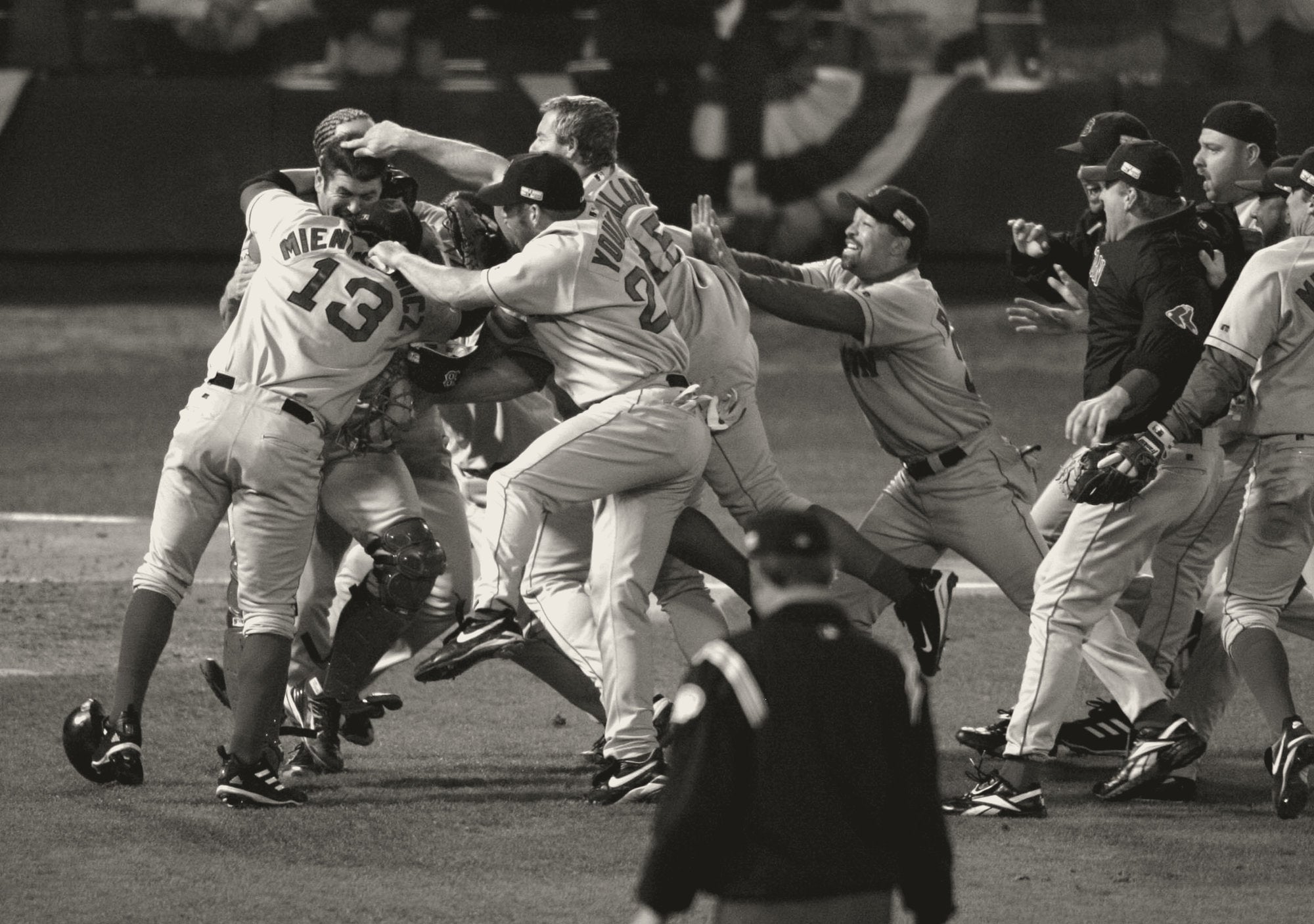
Boston Red Sox, 2004: Back From Nothing to Three
The series score after three games. In one hundred and one years of Major League Baseball postseason play, no team had recovered from it in a best of seven.
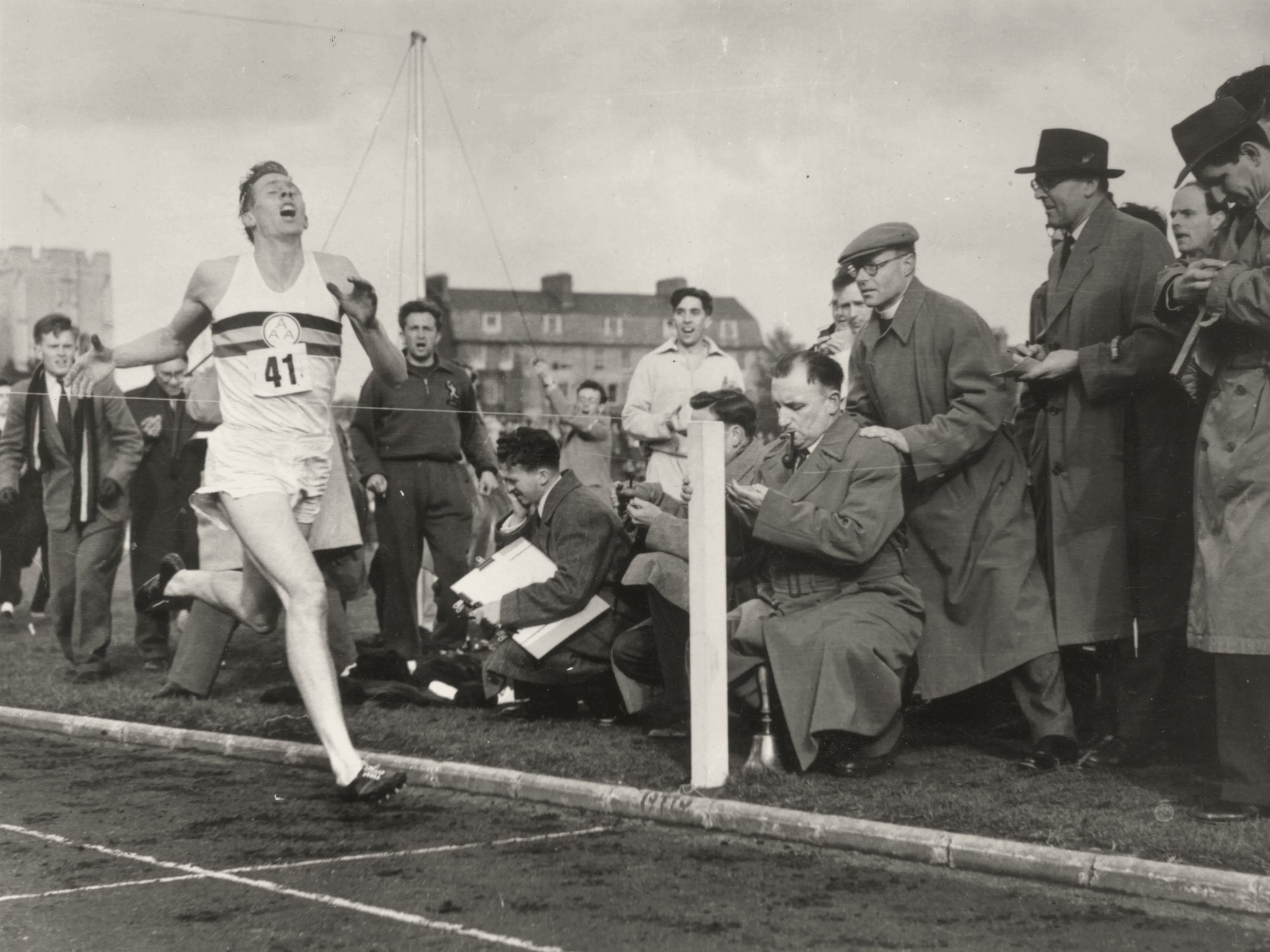
Roger Bannister, 1954: The Four-Minute Mile, and What Followed
Forty-six days after Roger Bannister broke the four minute mile, someone else broke it too. That gap is the whole point of the story, and it is the part that usually gets left out.
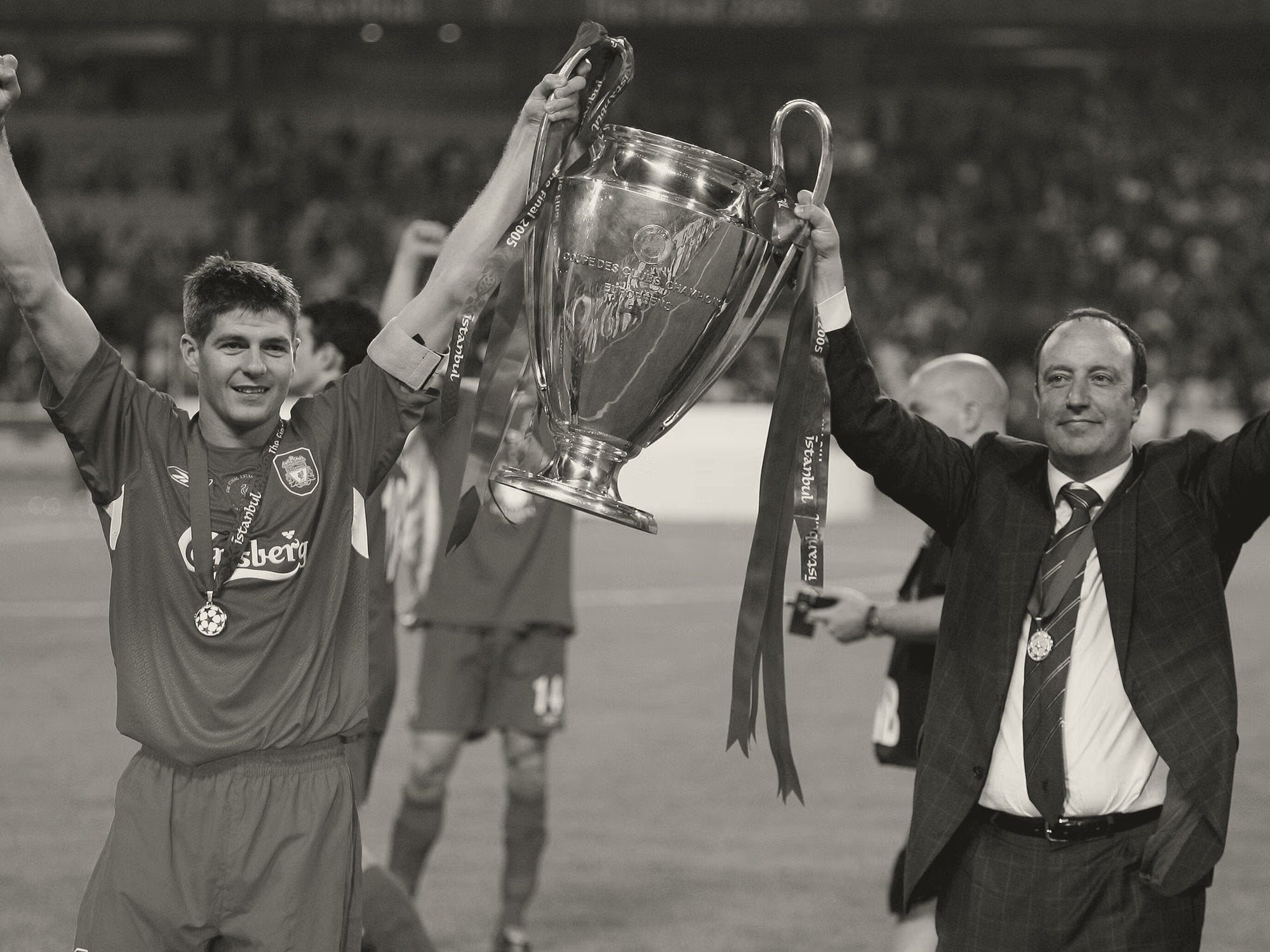
Liverpool in Istanbul, 2005: Three Nil at Half Time
The half-time score. It is the identity of the match, and no side had ever recovered from it in a European Cup final.
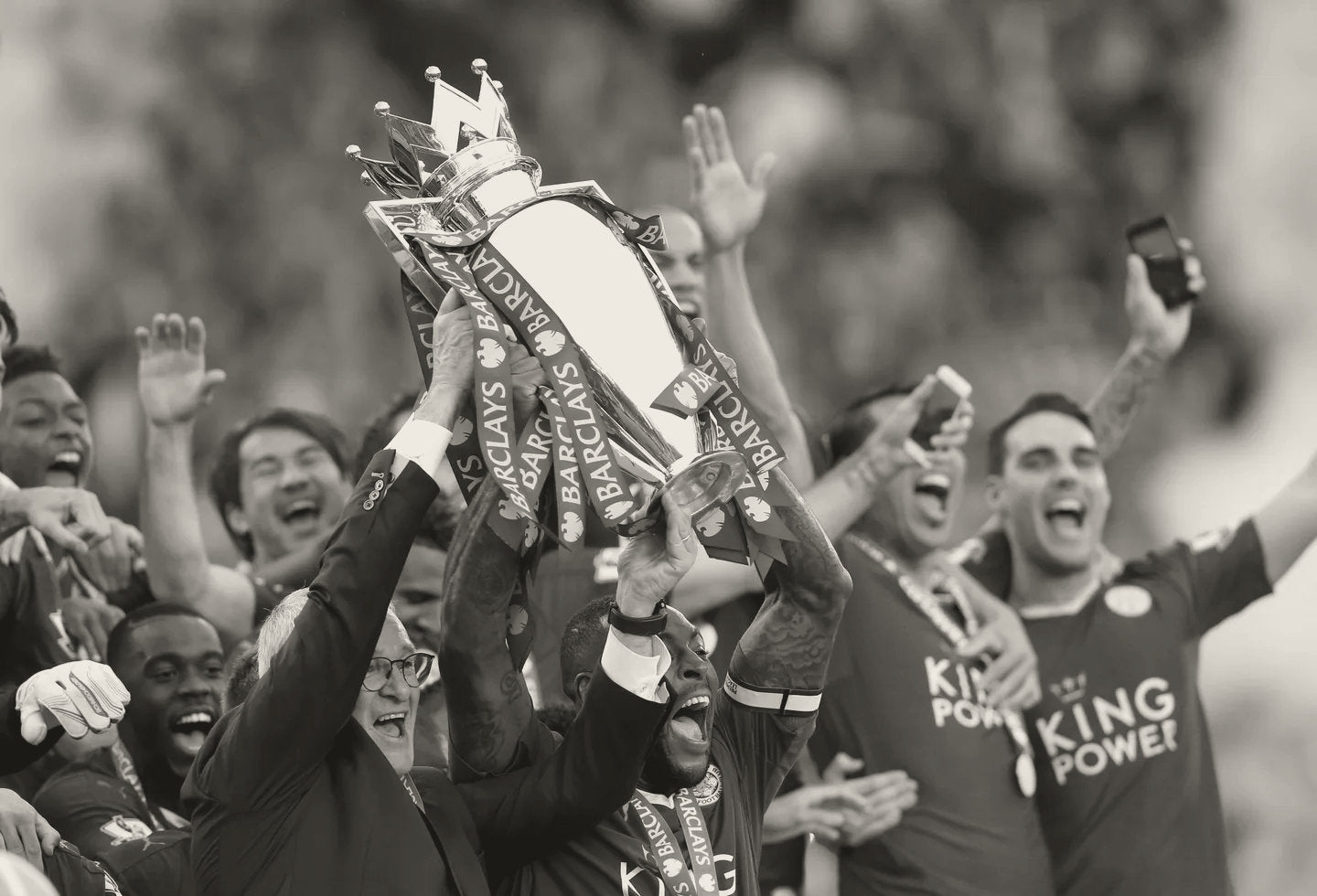
Leicester City, 2016: Champions at Five Thousand to One
The opening price on Leicester City to win the 2015-16 Premier League. Bookmakers use numbers at that level for novelty bets, not for football clubs.
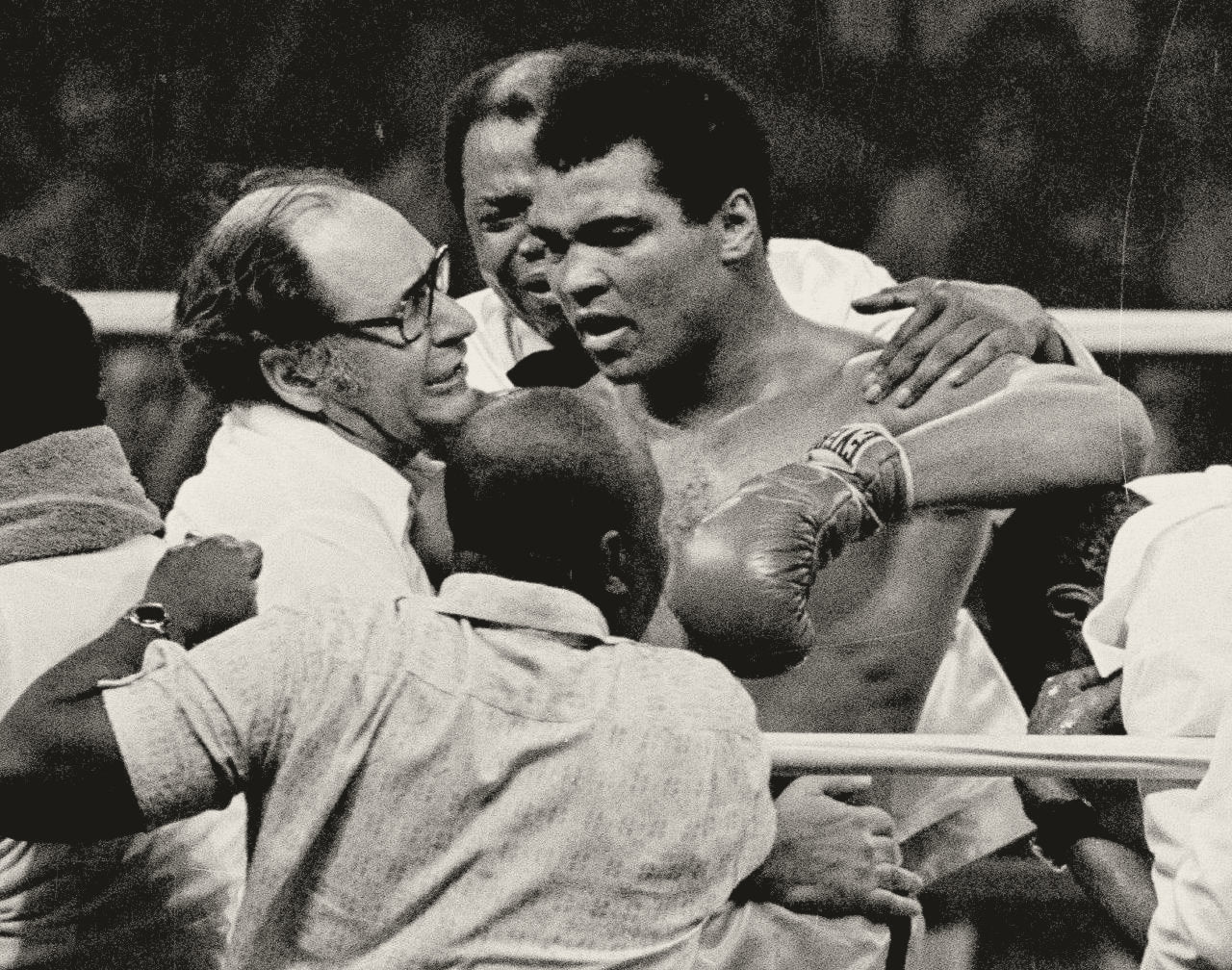
Thrilla in Manila, 1975: Stopped After Fourteen Rounds
The fight was scheduled for fifteen rounds. It ended after fourteen, stopped in the corner rather than on the canvas.
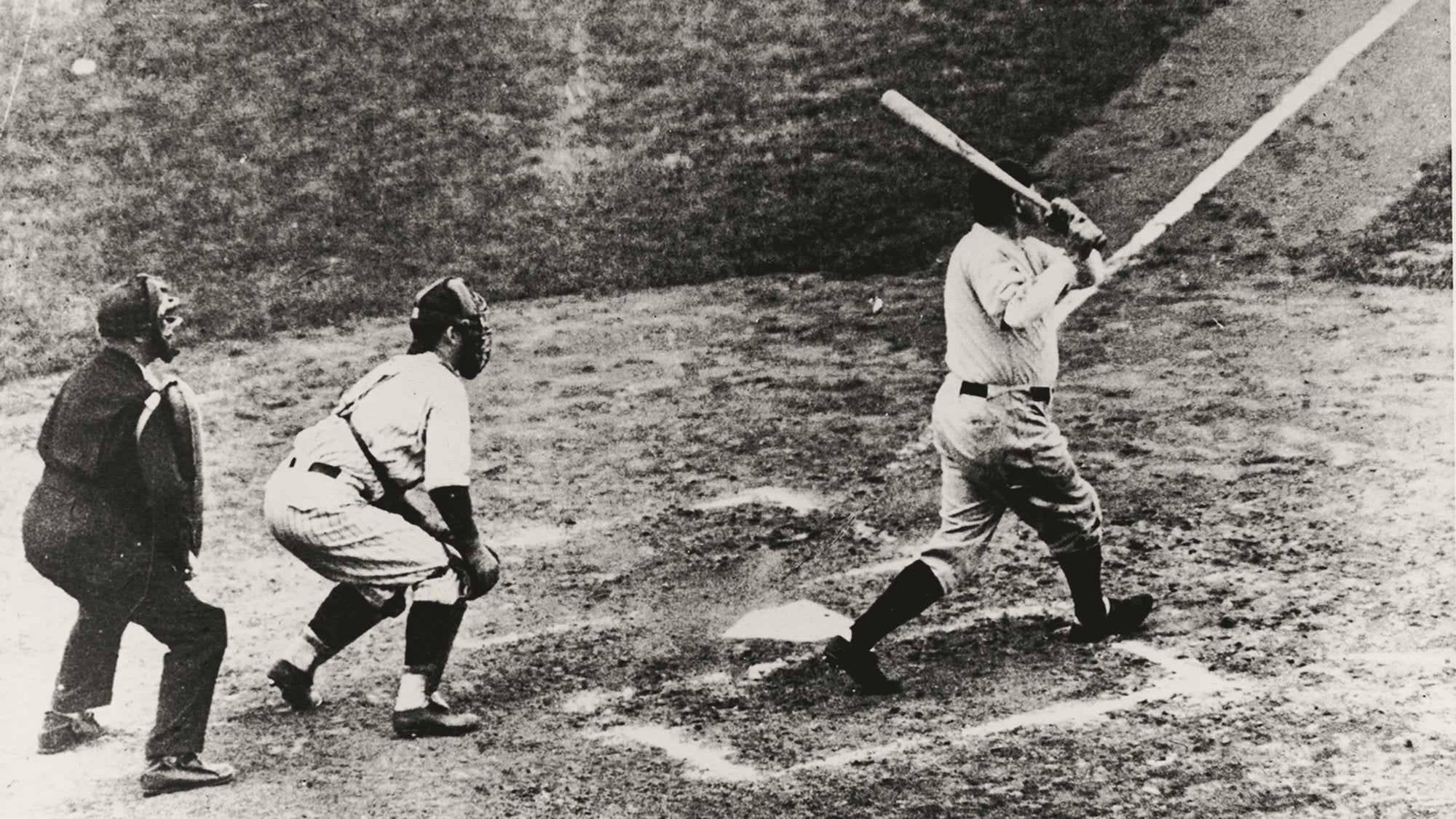
Babe Ruth's Called Shot, Wrigley Field 1932
Game three of the 1932 World Series, at Wrigley Field, Chicago, on 1 October 1932. New York led the series 2-0 going in.
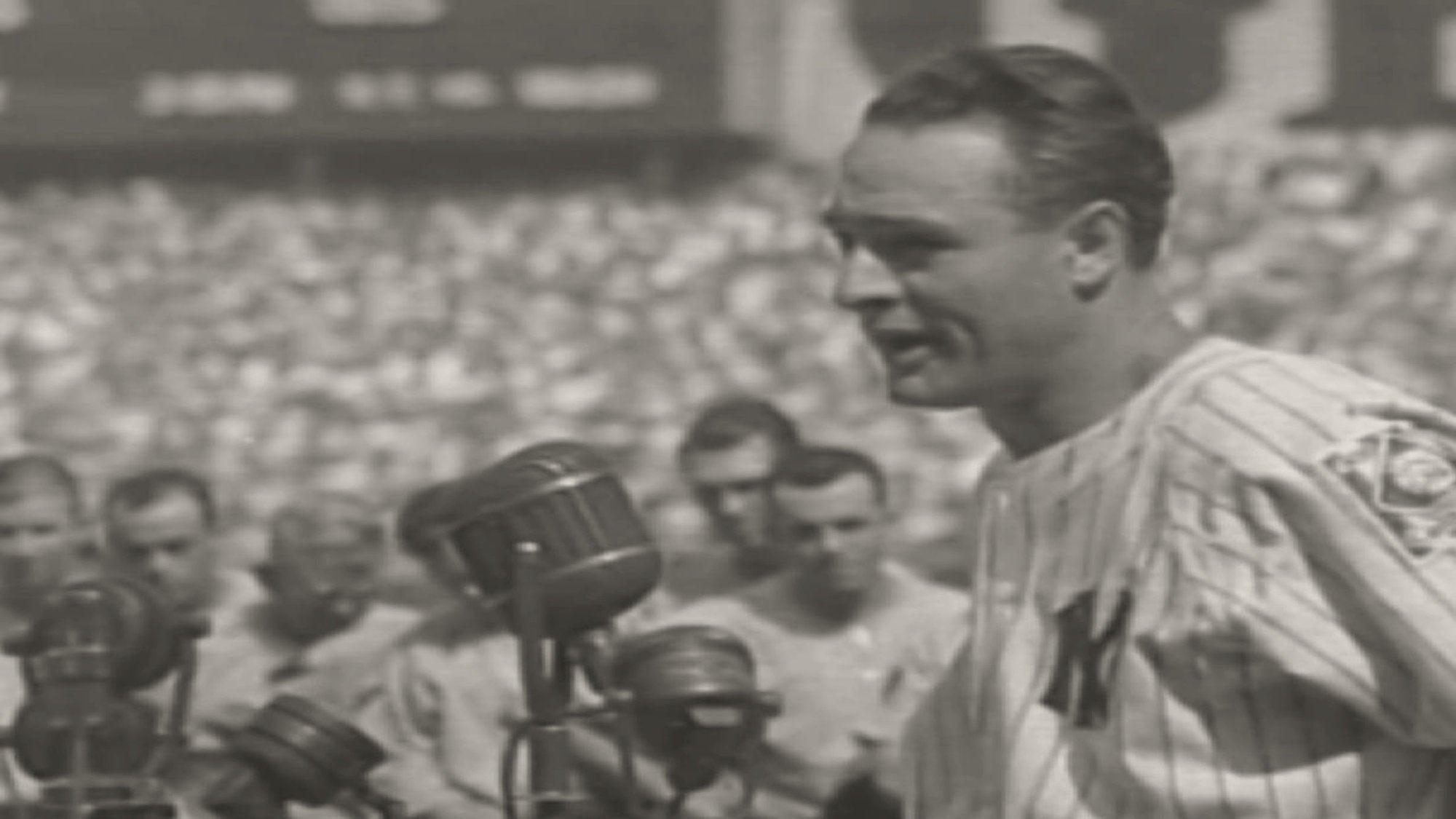
Lou Gehrig: 2,130 Consecutive Games, and the Farewell
Consecutive games played, from 1 June 1925 to 30 April 1939. Fourteen seasons.
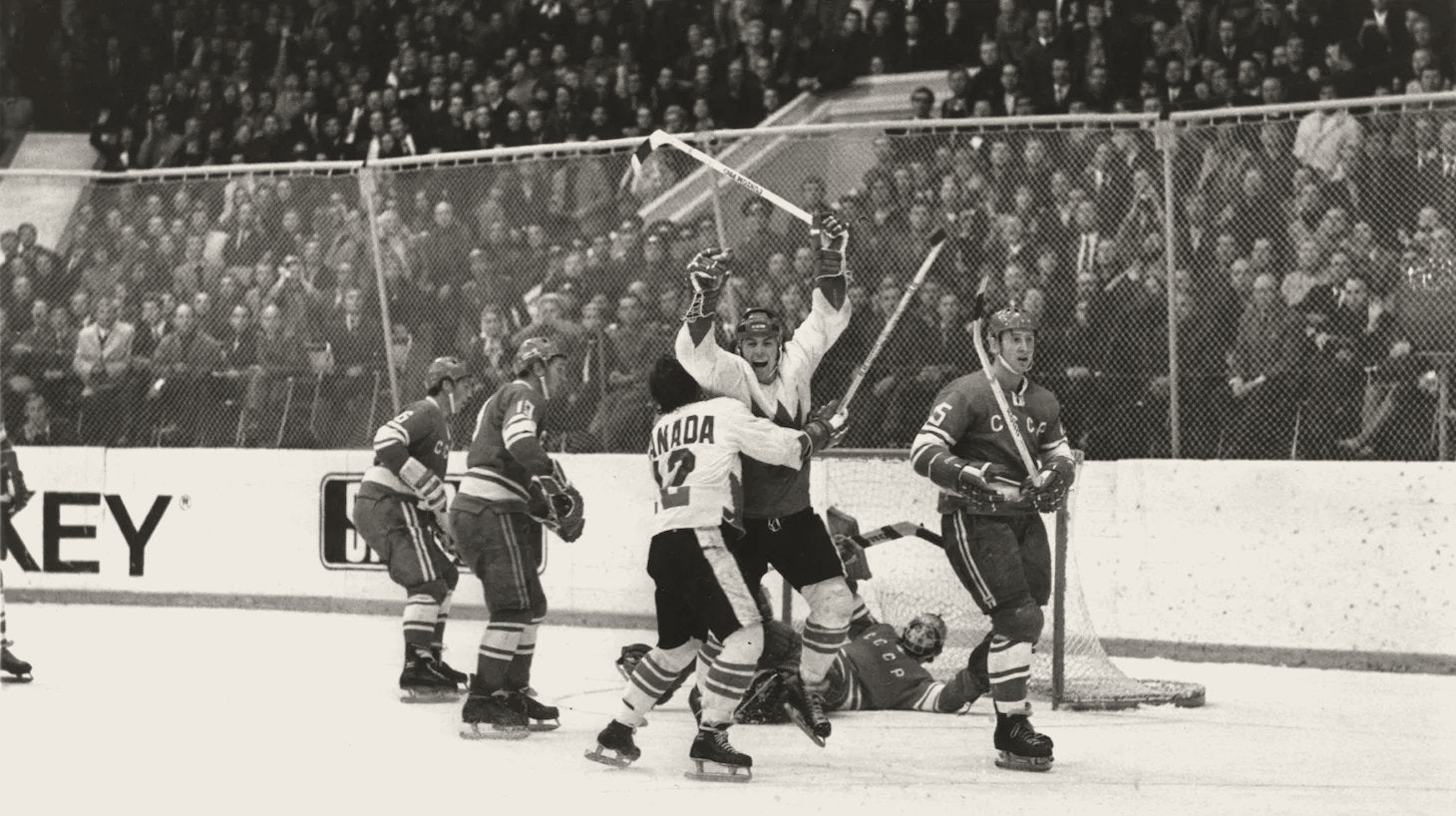
Summit Series 1972: Henderson Scores in the Last Minute
The seconds remaining in game eight when Paul Henderson scored the goal that won the series.
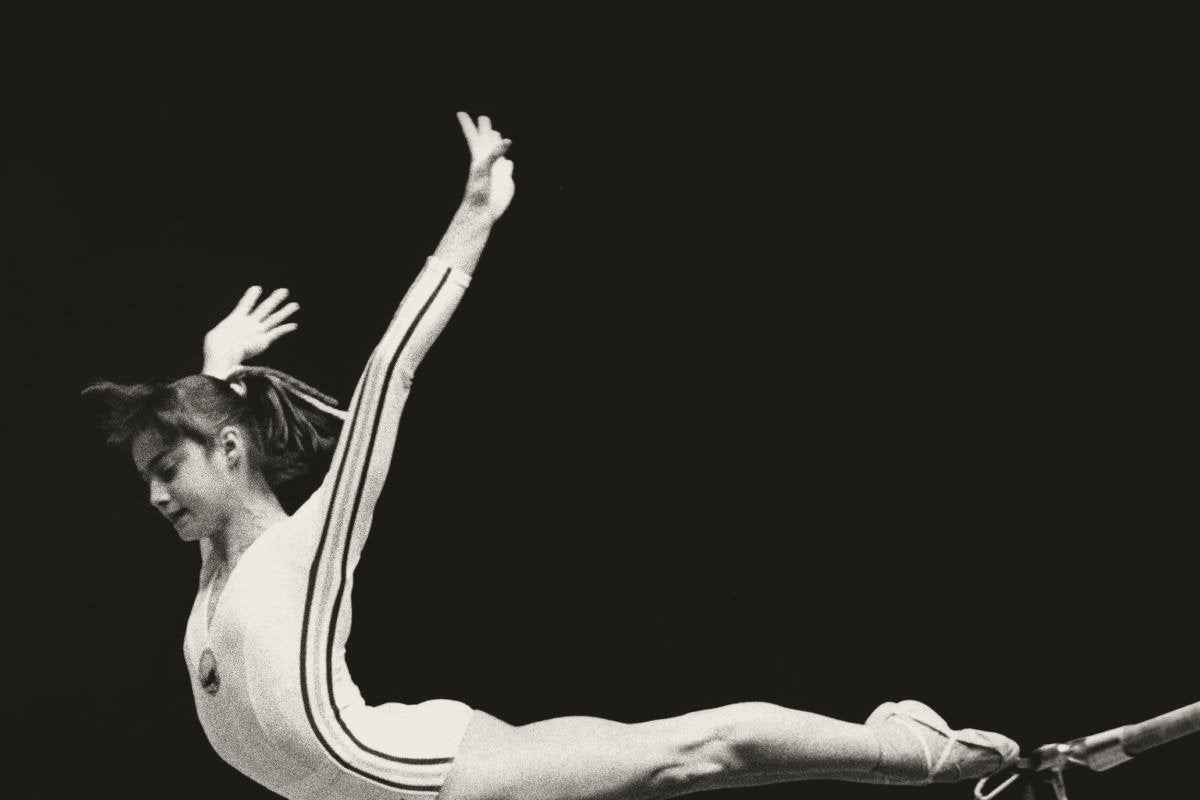
Nadia Comaneci, Montreal 1976: The First Perfect Ten
What the scoreboard displayed. It is on the print exactly as the arena saw it.
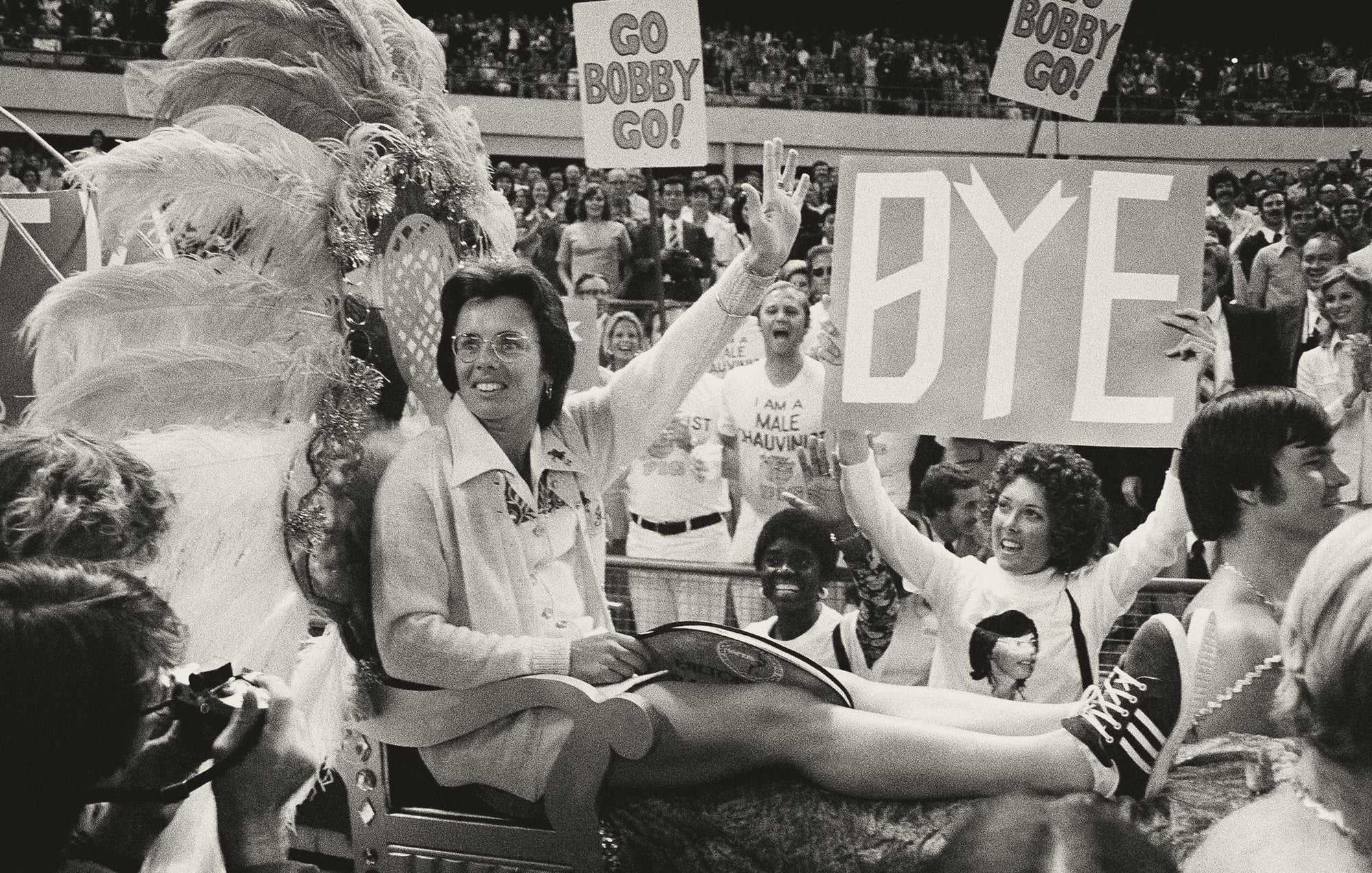
Billie Jean King Beats Bobby Riggs, Houston 1973
Straight sets: 6-4, 6-3, 6-3. The margin matters because the entire premise of the event was that it would not be close.
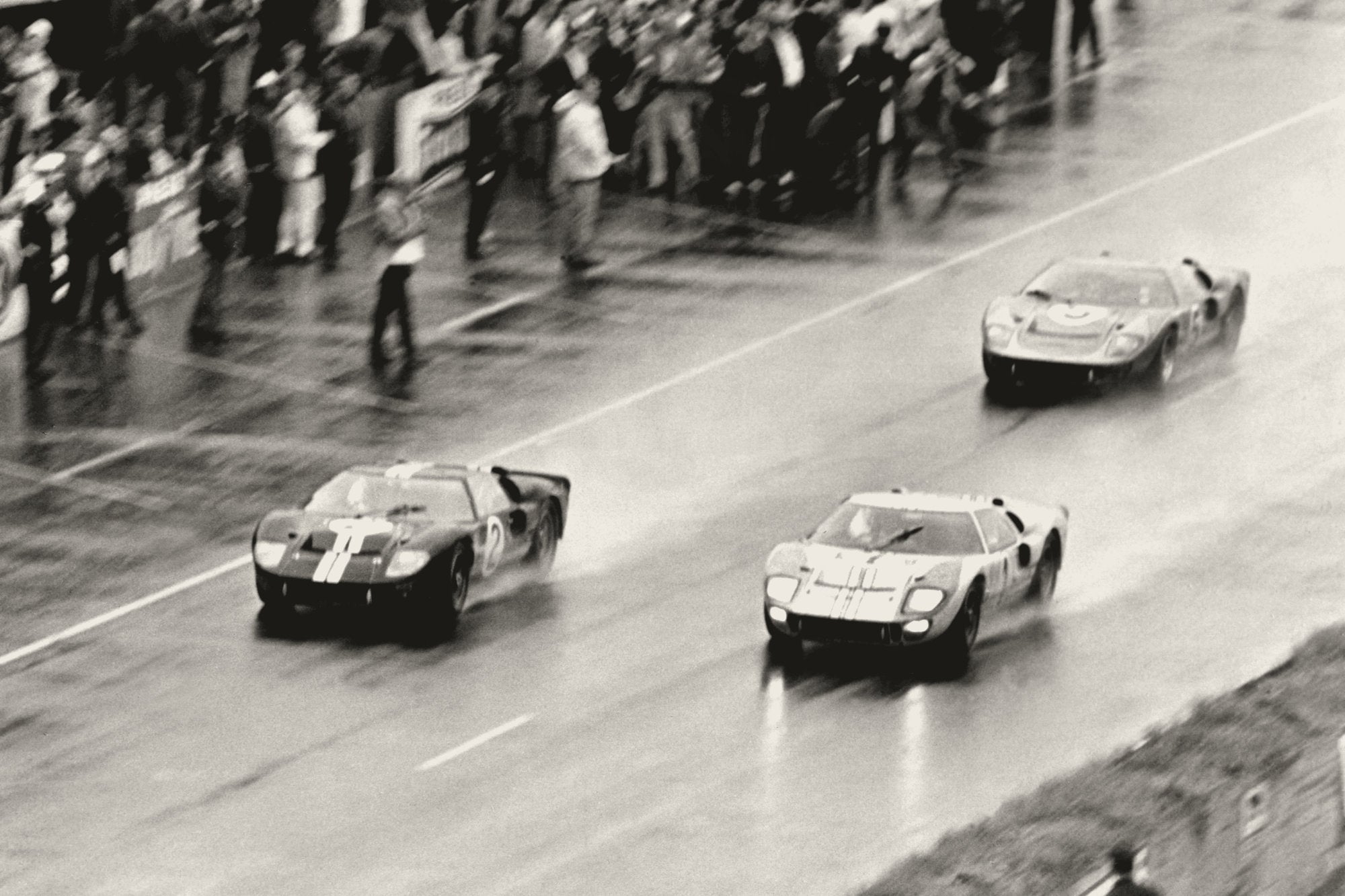
Le Mans 1966: Ford's One-Two-Three Finish
The finishing order Ford wanted on film. It is what the 1966 Le Mans is remembered for, and it is also the reason a man lost a race he had won.
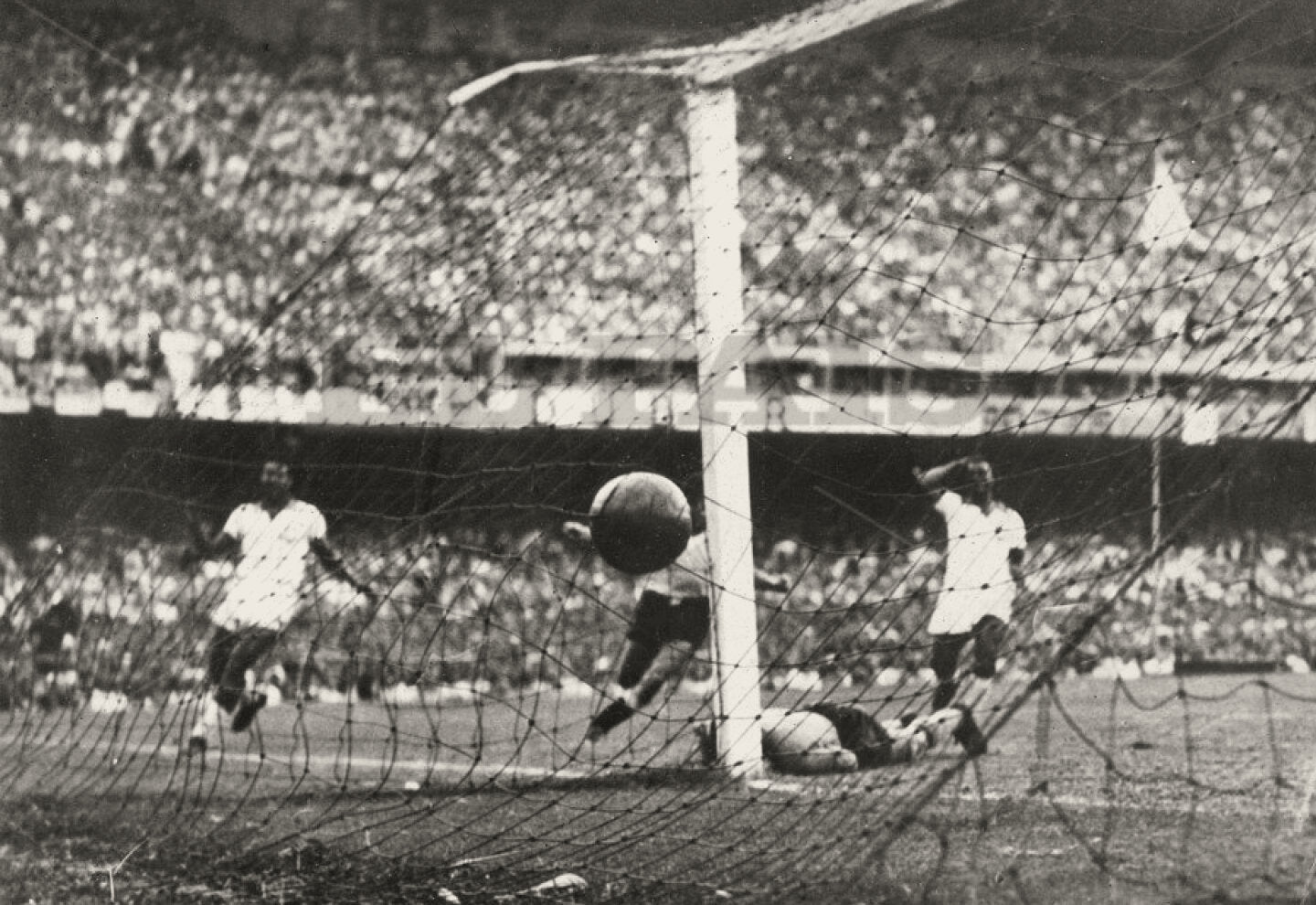
The Maracanazo, 1950: Uruguay Silence Brazil
Uruguay 2, Brazil 1, 16 July 1950. Brazil needed only a draw.
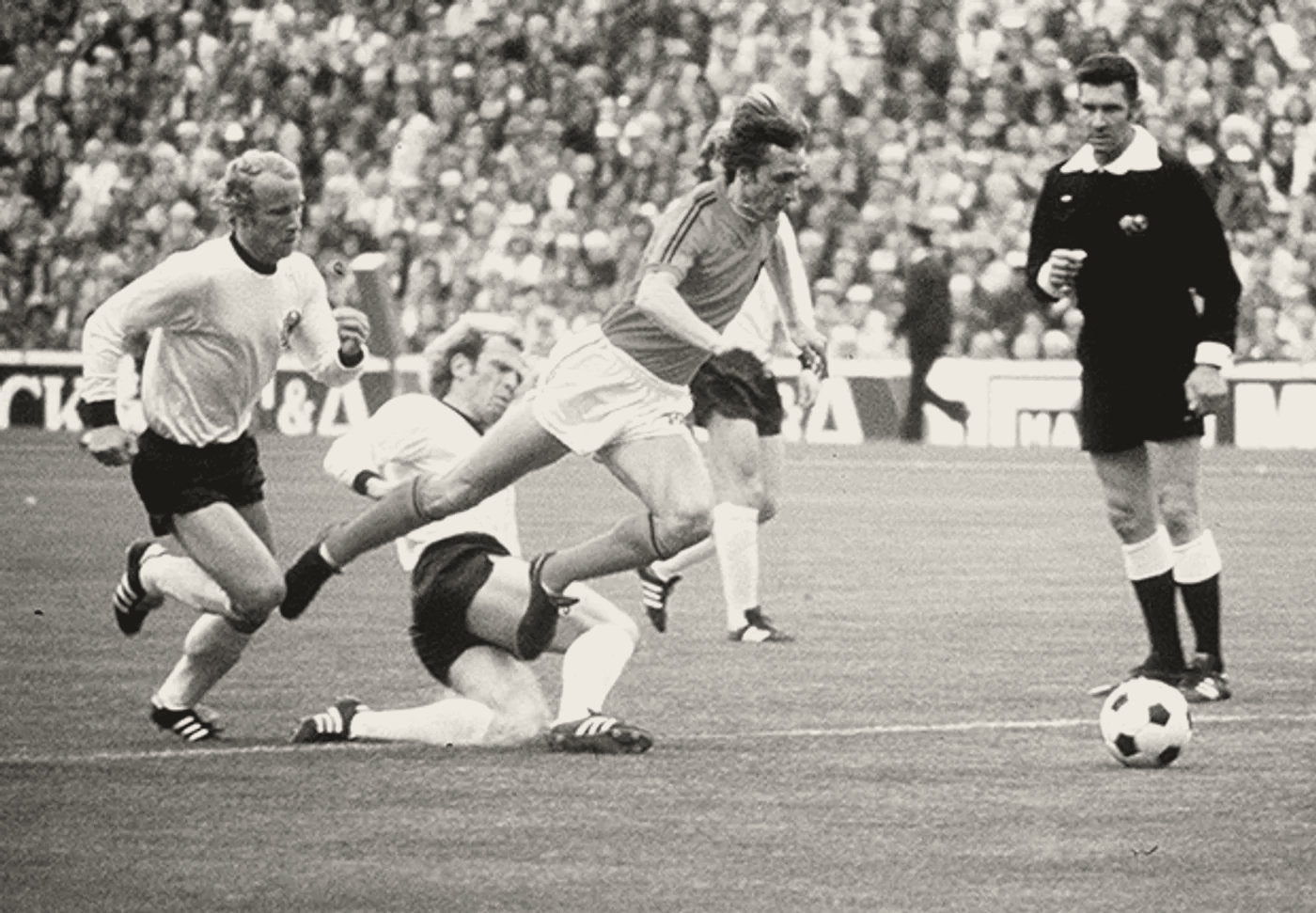
The Netherlands, 1974: Fourteen Passes Before the Foul
The number of Dutch passes before the foul, in the opening seconds of the 1974 World Cup final. West Germany did not touch the ball at any point in the move.
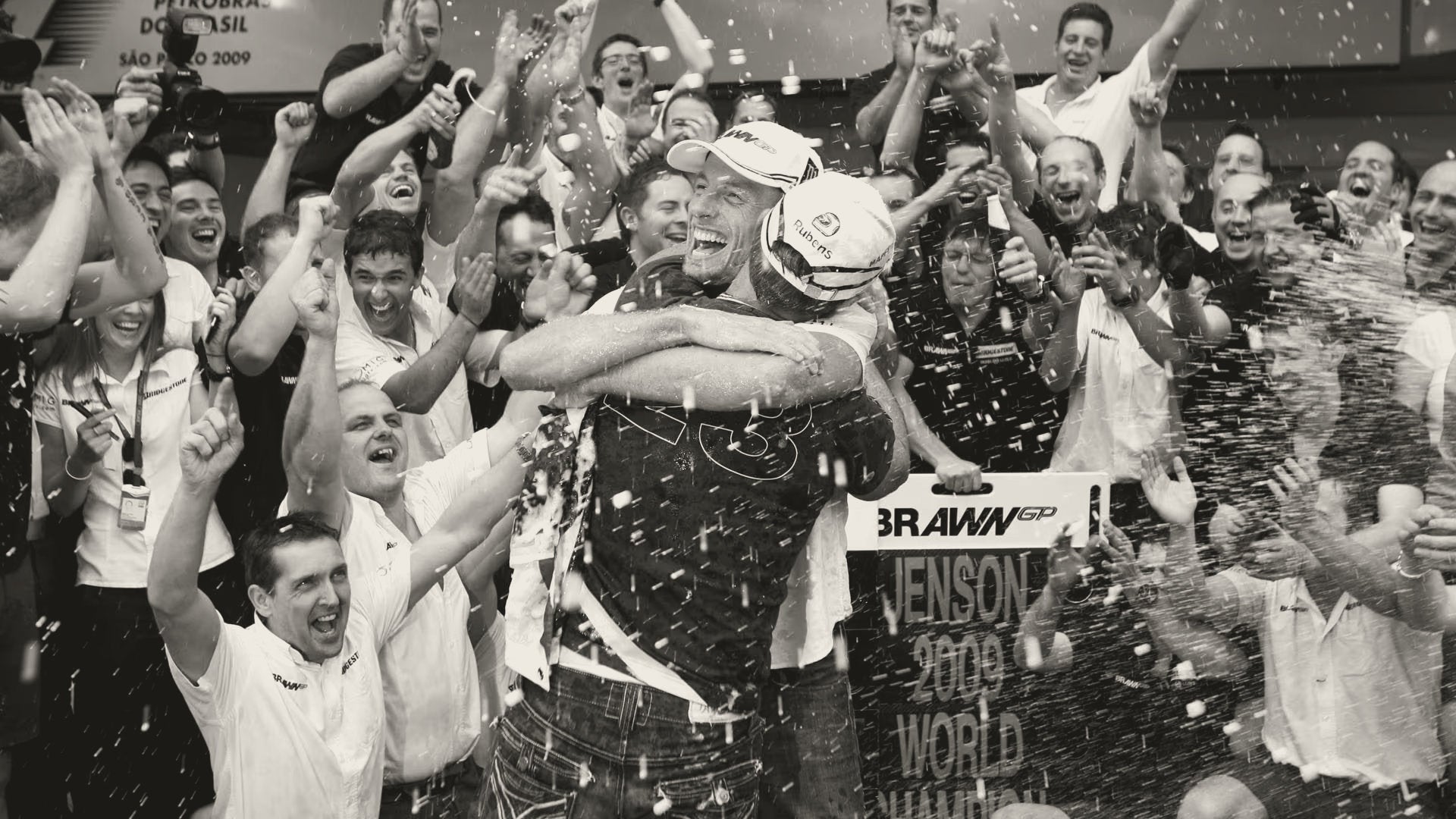
Brawn GP, 2009: A Formula One Title Bought for a Pound
The reported price of the team: a nominal pound, in a management buyout led by Ross Brawn, with Honda covering redundancy and wind-down costs.
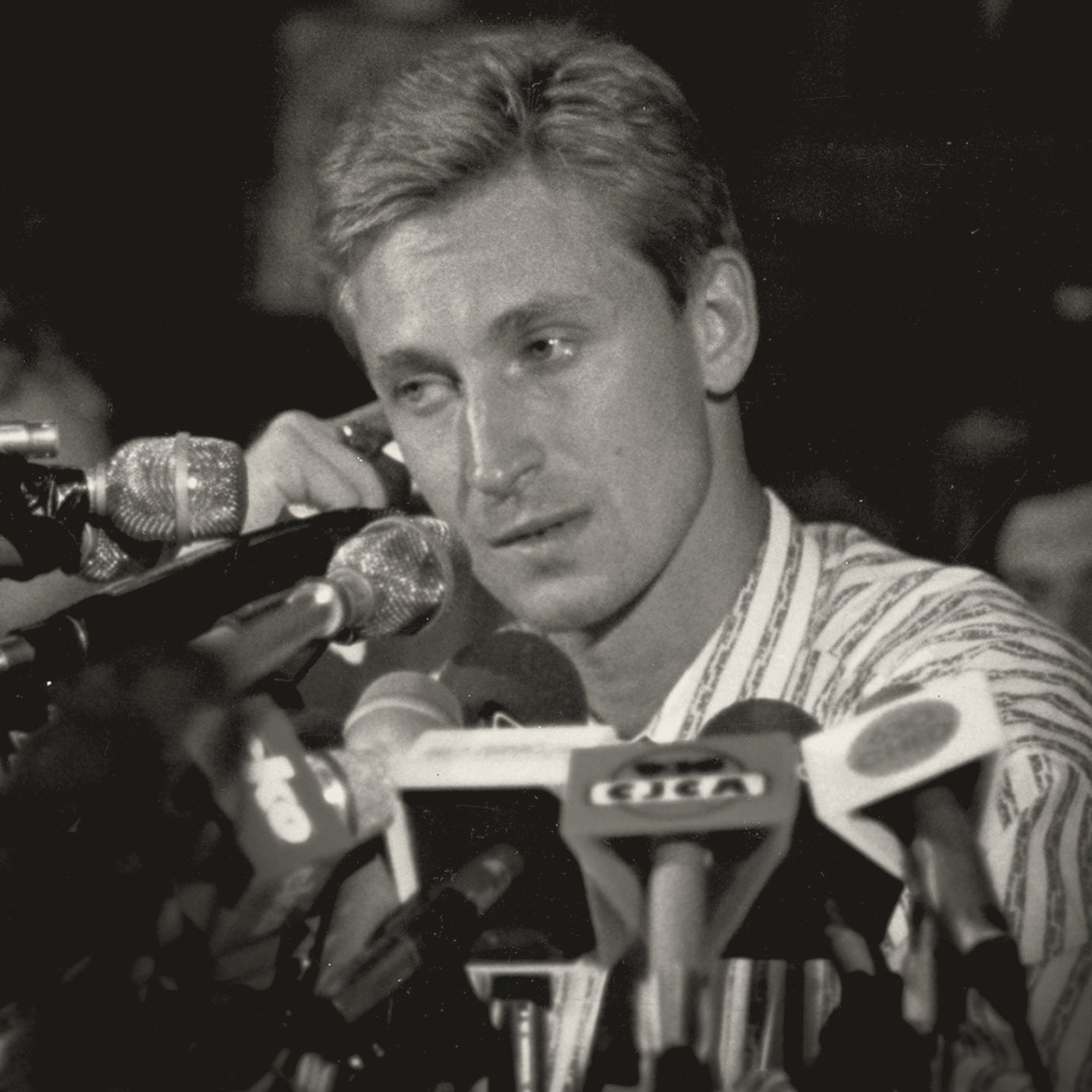
Wayne Gretzky Traded to Los Angeles, 1988
Gretzky's number, retired league-wide by the NHL in 2000. No player in the league may wear it.
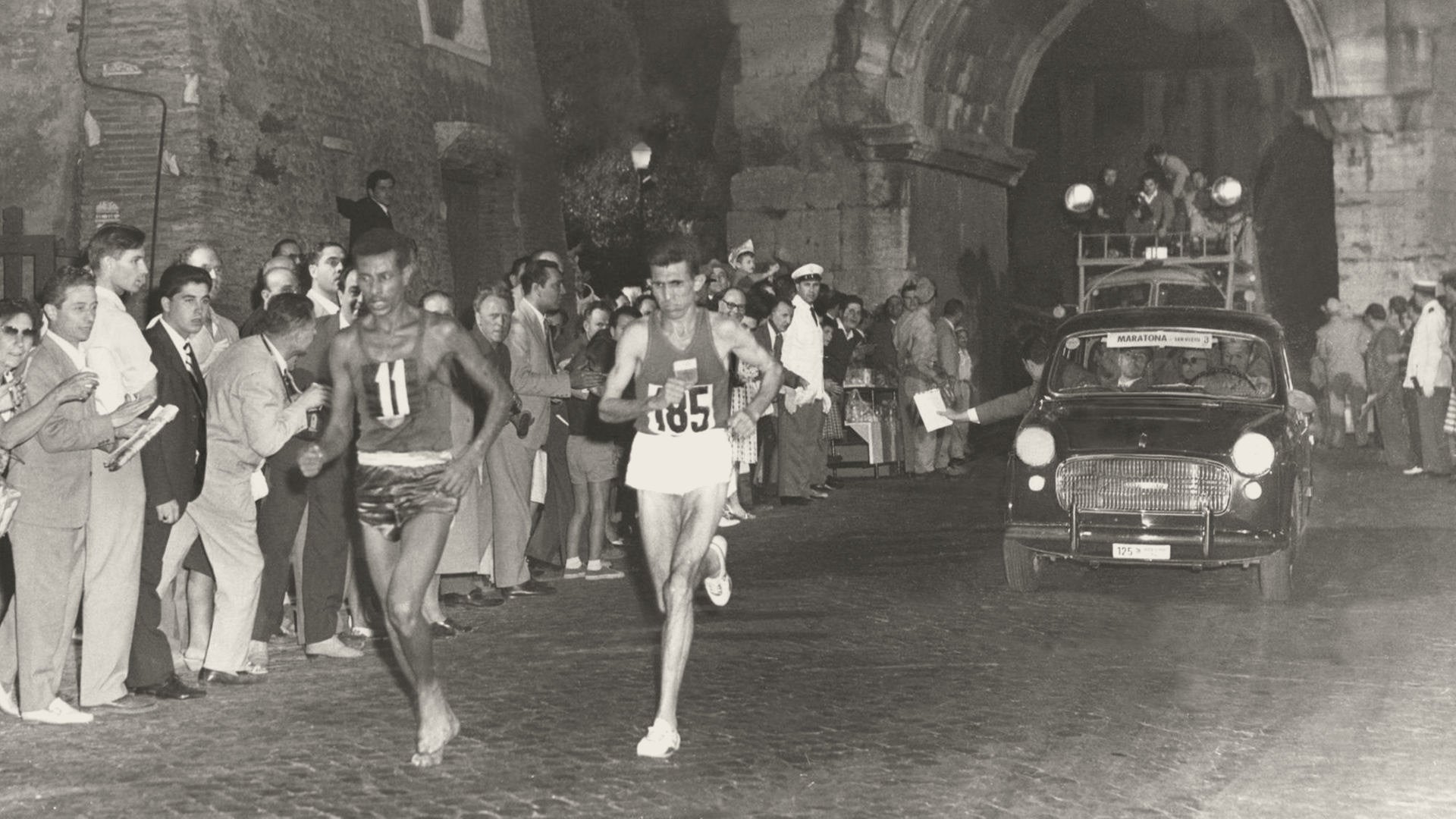
Abebe Bikila, Rome 1960: The Marathon Run Barefoot
What he wore on his feet. The Rome marathon of 1960 was run barefoot from start to finish.
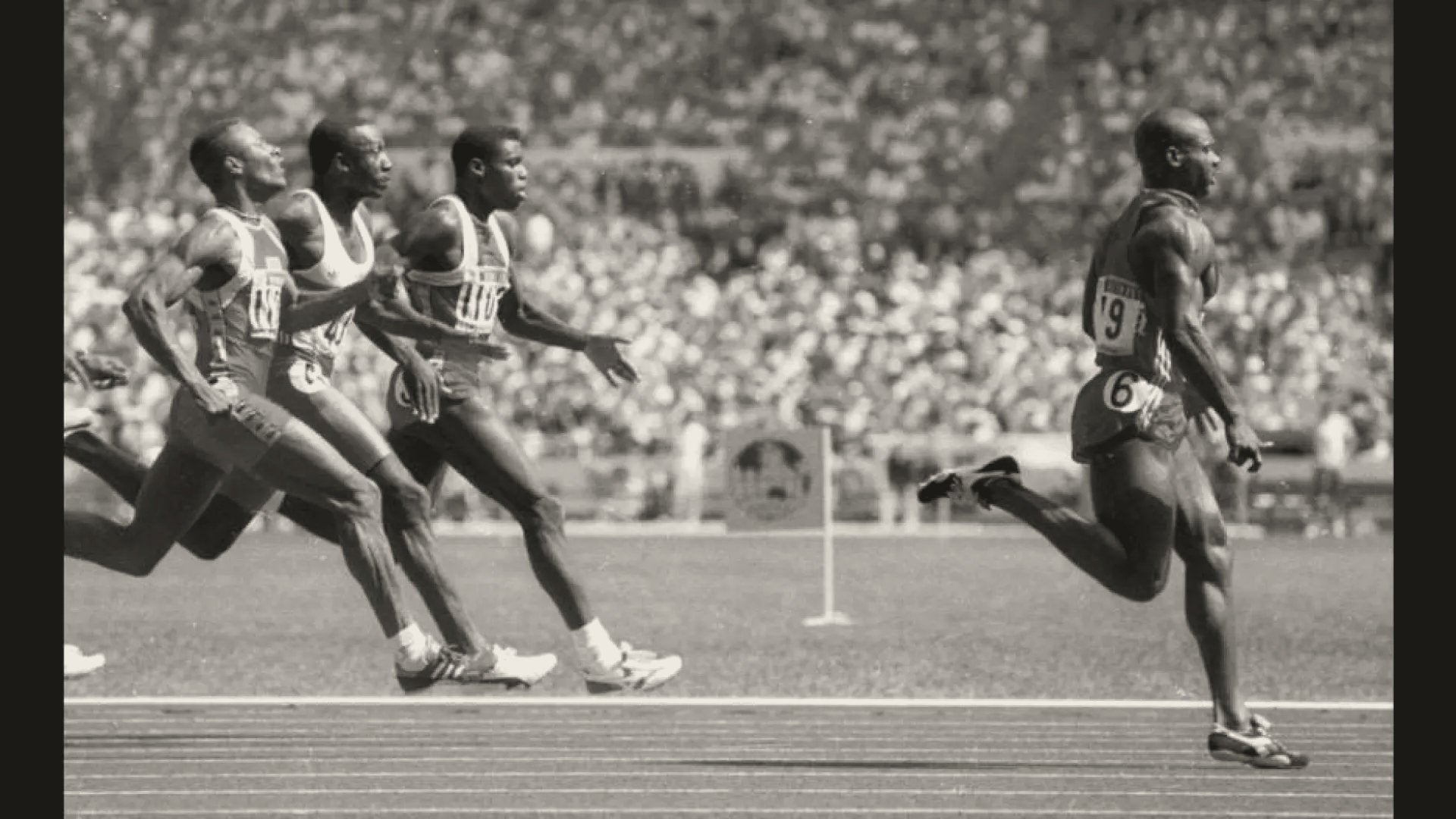
Ben Johnson, Seoul 1988: A Record That Lasted 72 Hours
The time on the clock, 24 September 1988. It was a world record and it stood for less than seventy-two hours before being annulled.
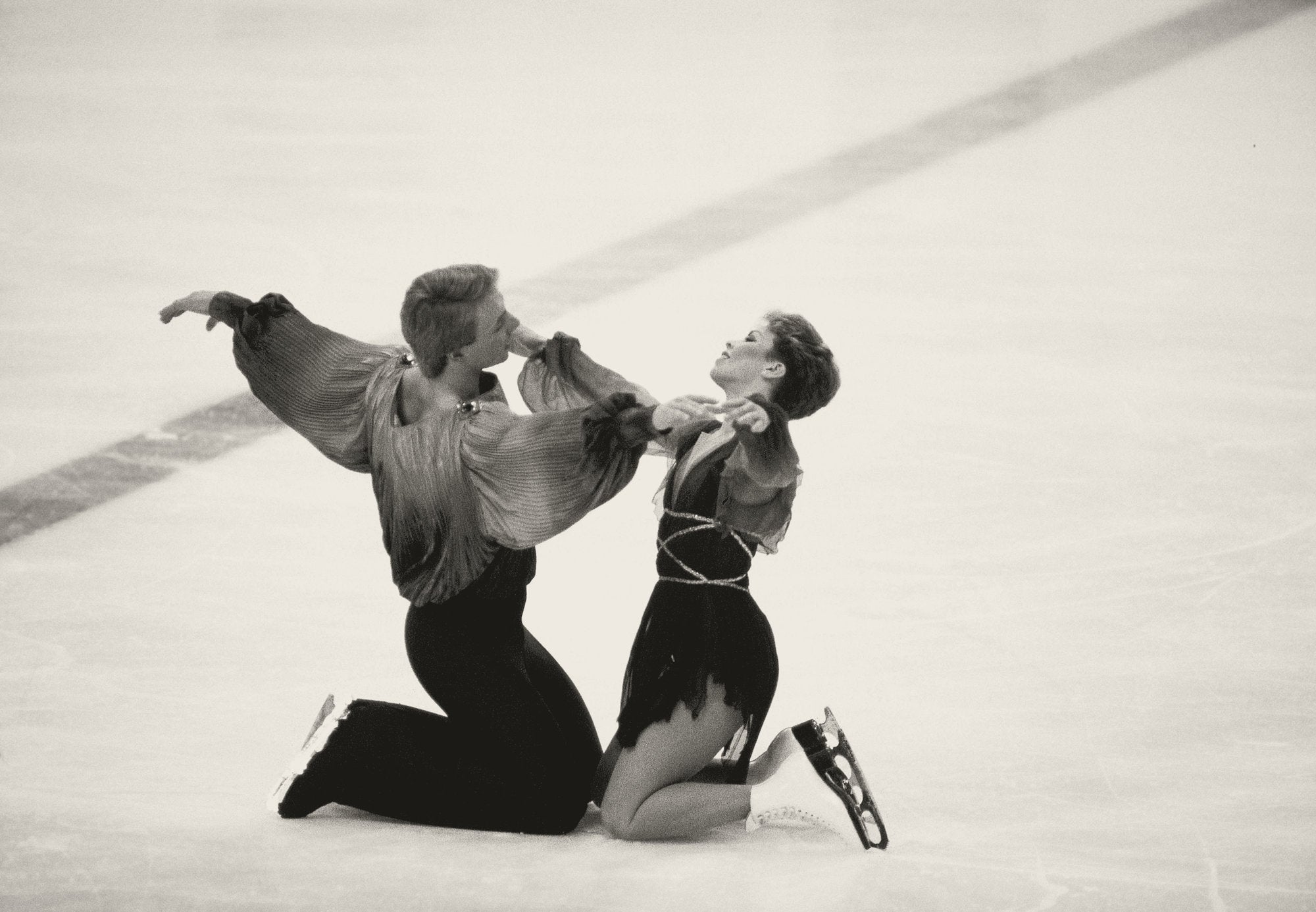
Torvill and Dean, Sarajevo 1984: Nine Perfect Sixes
The number of judges, and the number of perfect 6. 0 marks awarded for artistic impression.
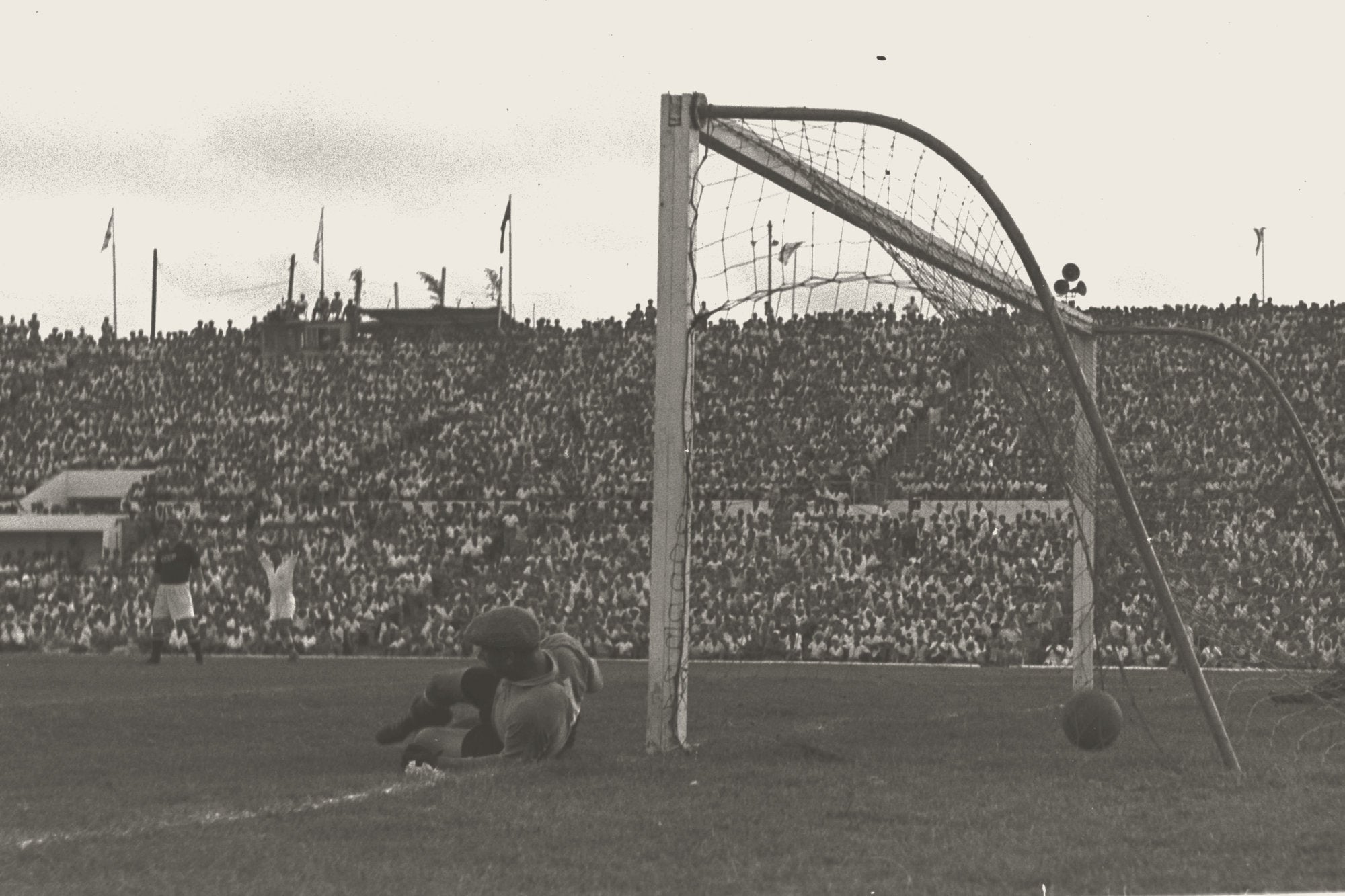
Lev Yashin: The Only Goalkeeper to Win the Ballon d'Or
The Ballon d'Or has been given out since 1956. In all those years it has gone to a goalkeeper exactly once, in 1963, to a man from Moscow who had never played club football anywhere else and never would.
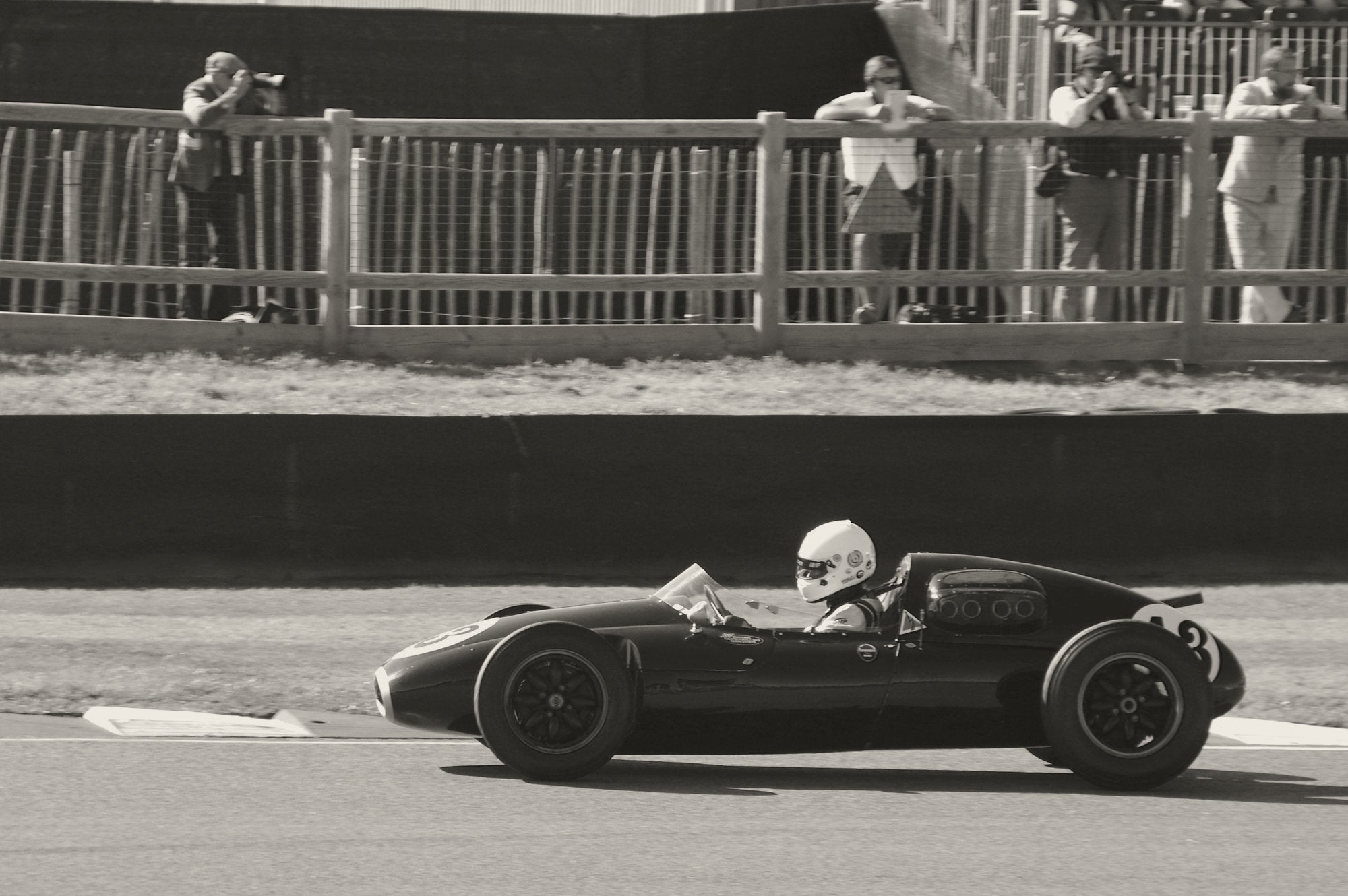
Cooper, 1959: The Fire-Pump Engine That Won Formula One
Coventry Climax made industrial engines. In the years after the war they developed a portable pump for fire brigades, powered by a small aluminium petrol engine that was designed above all to be light, because it had to be carried by hand to places a vehicle could not reach.
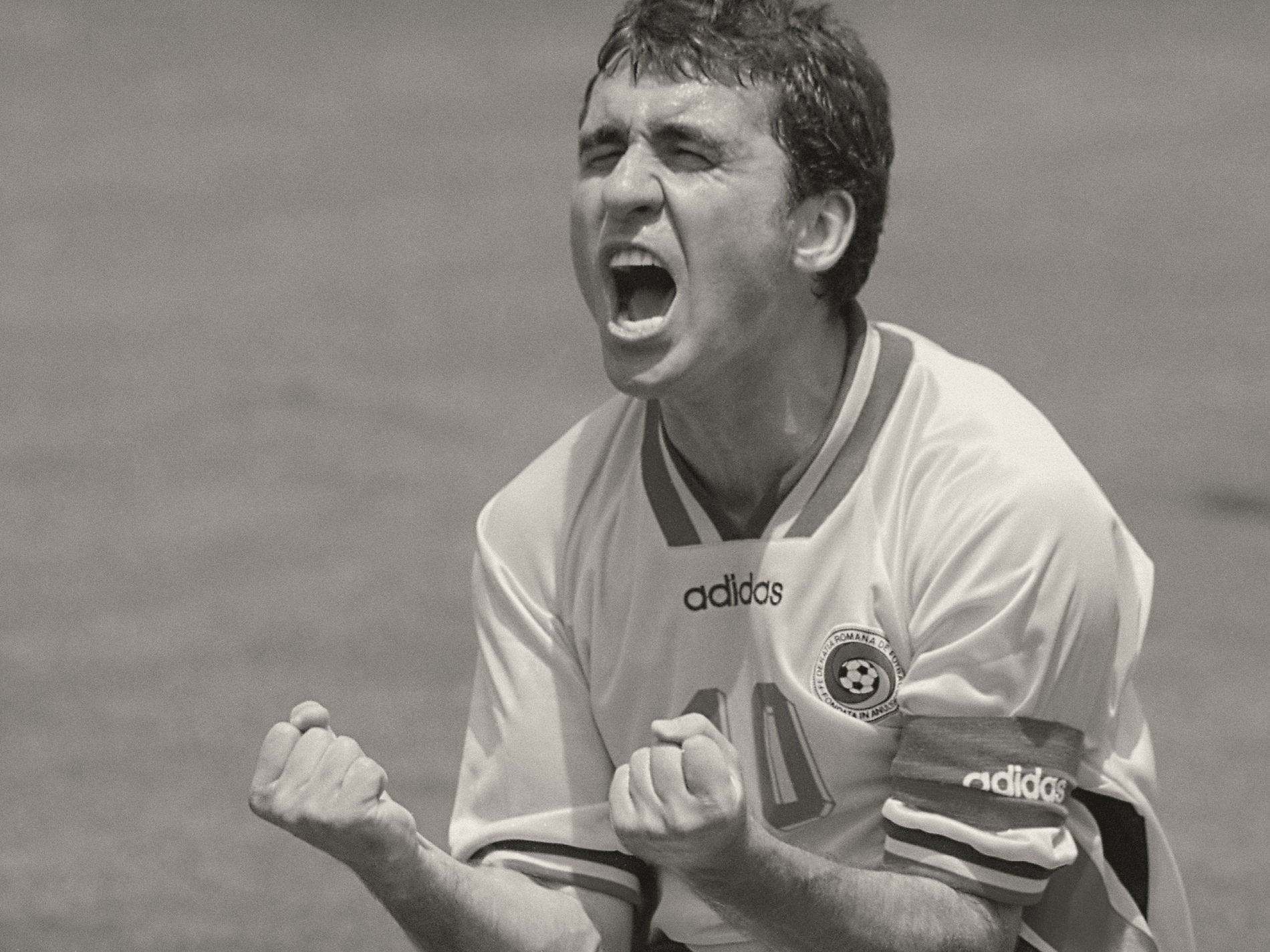
Hagi's Romania, 1994: Three Two Against Argentina
On the third of July 1994, in the Rose Bowl at Pasadena, Romania beat Argentina three goals to two in the last sixteen of a World Cup.
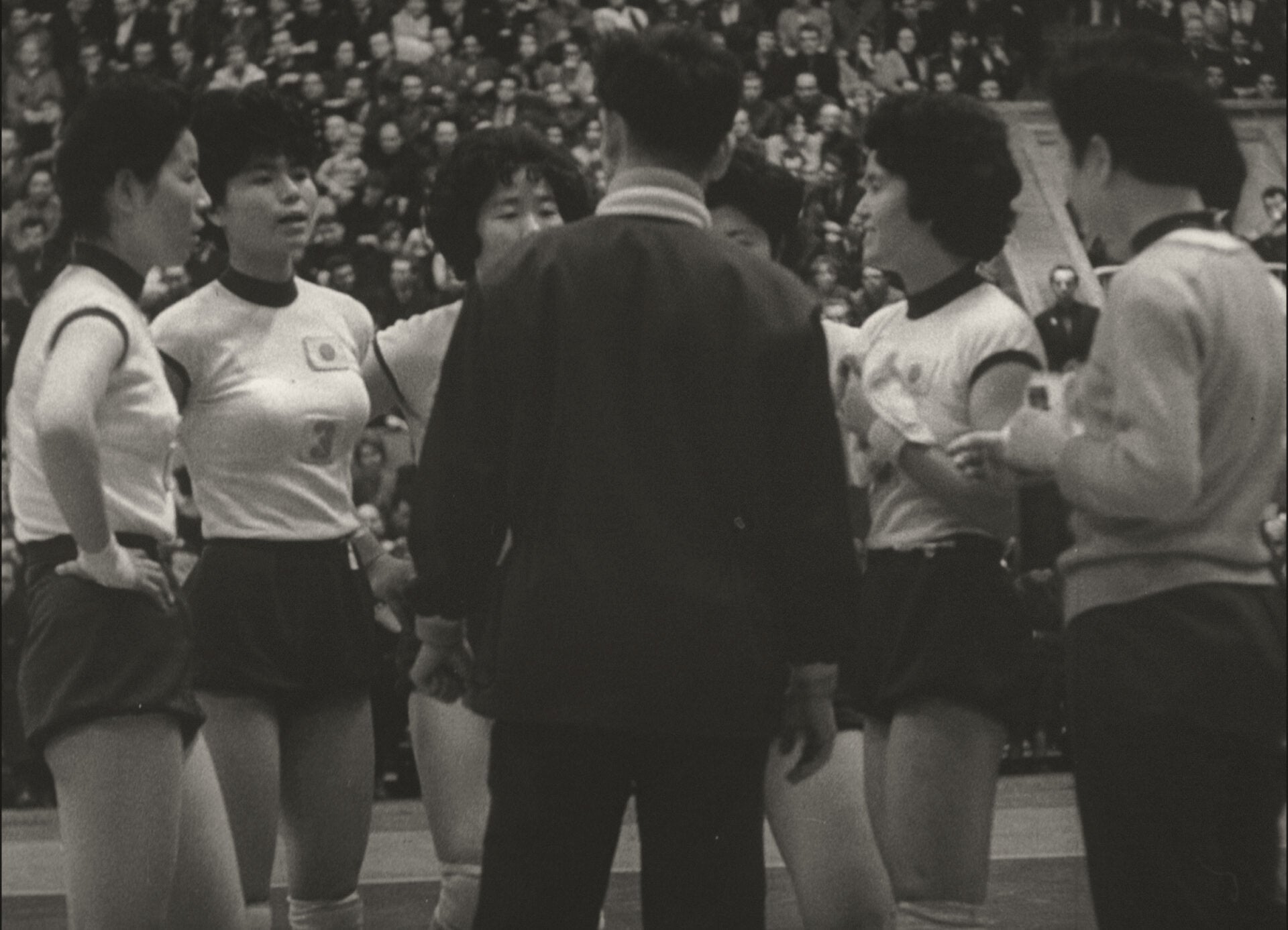
The Witches of the Orient: Japan's Volleyball Gold, 1964
The team came from a factory.
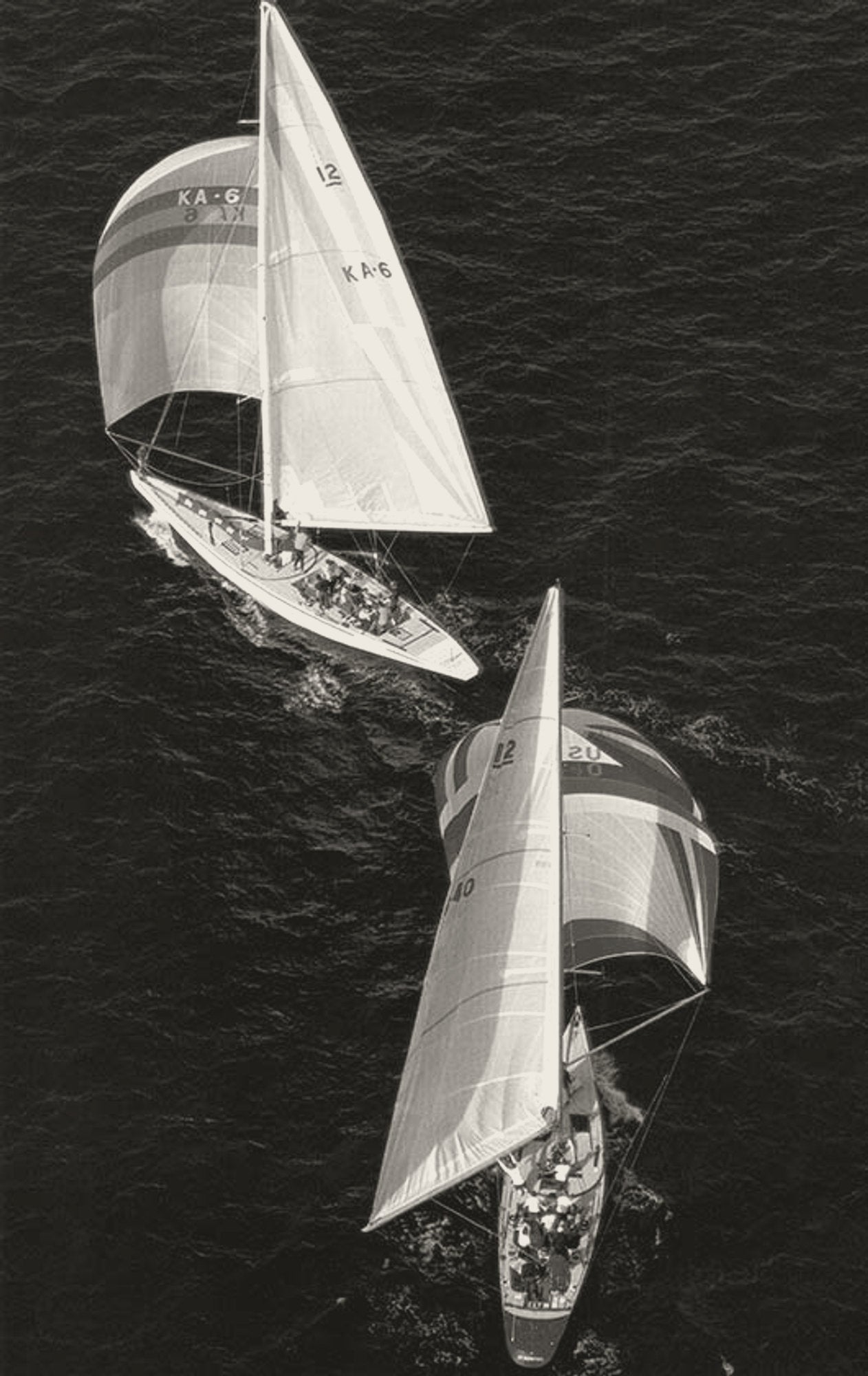
Australia II, 1983: The End of a 132-Year Streak
In 1851 a schooner named America sailed to England and beat a fleet of British yachts around the Isle of Wight. The cup she won was given to the New York Yacht Club under a deed of gift, to be held as a perpetual challenge trophy.
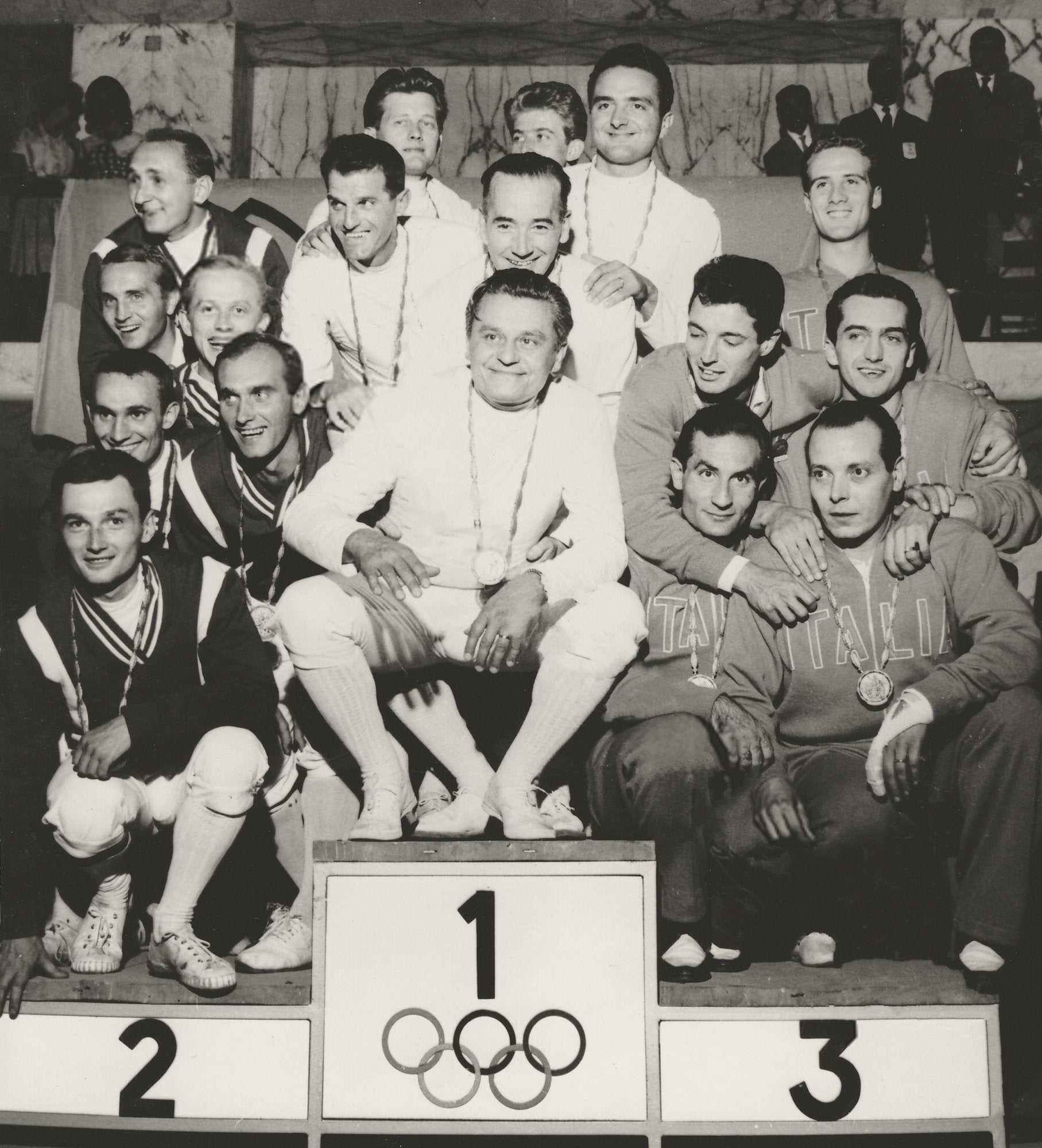
Aladar Gerevich: Six Olympic Golds, 1932 to 1960
Aladár Gerevich won an Olympic gold medal at six consecutive Games: 1932, 1936, 1948, 1952, 1956 and 1960.
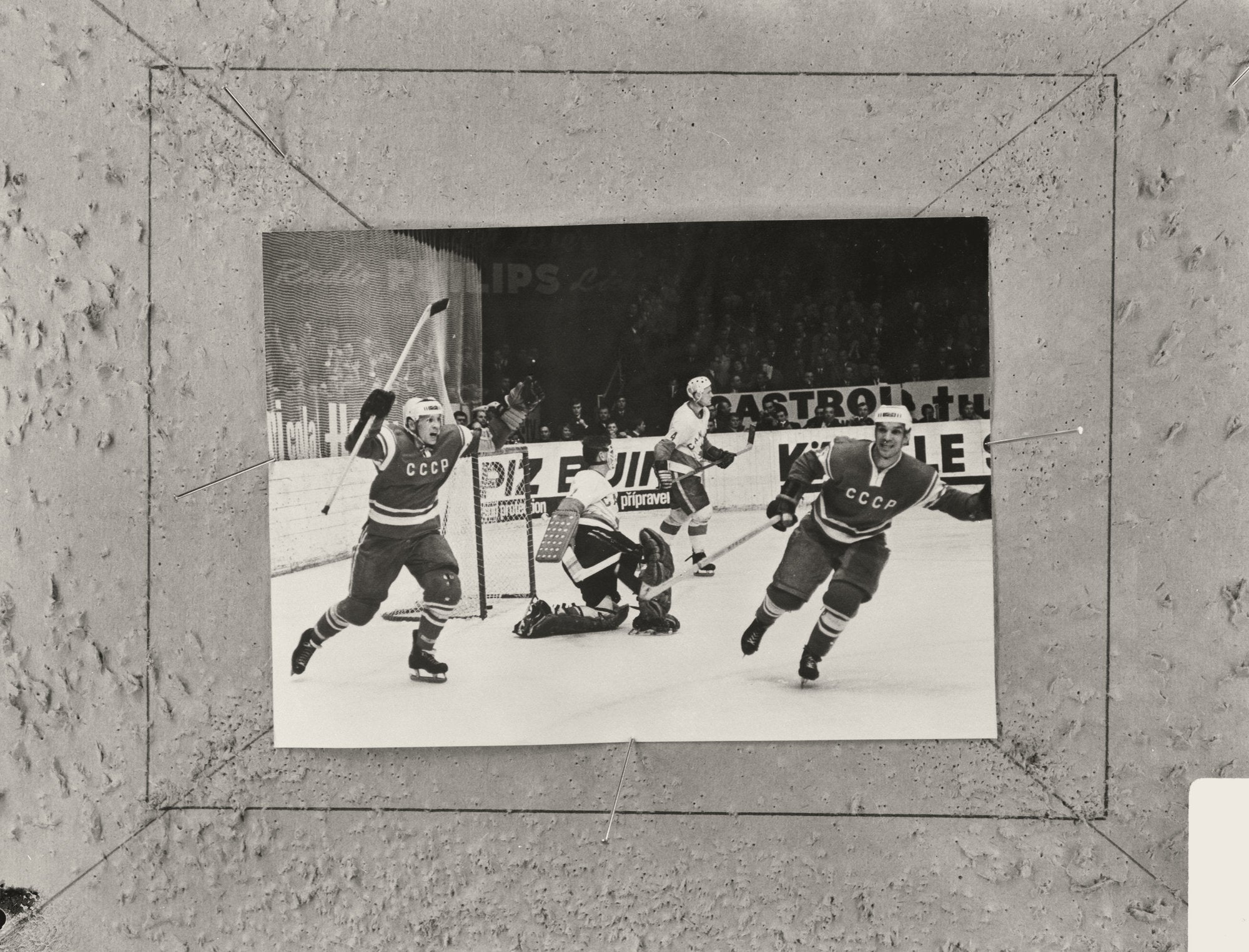
The Soviet Red Machine: Kharlamov and CSKA Moscow
The number on the back was seventeen and it belonged to Valeri Kharlamov, who was five foot eight, weighed a little over eleven stone, and was for about a decade the most frightening forward in the world.
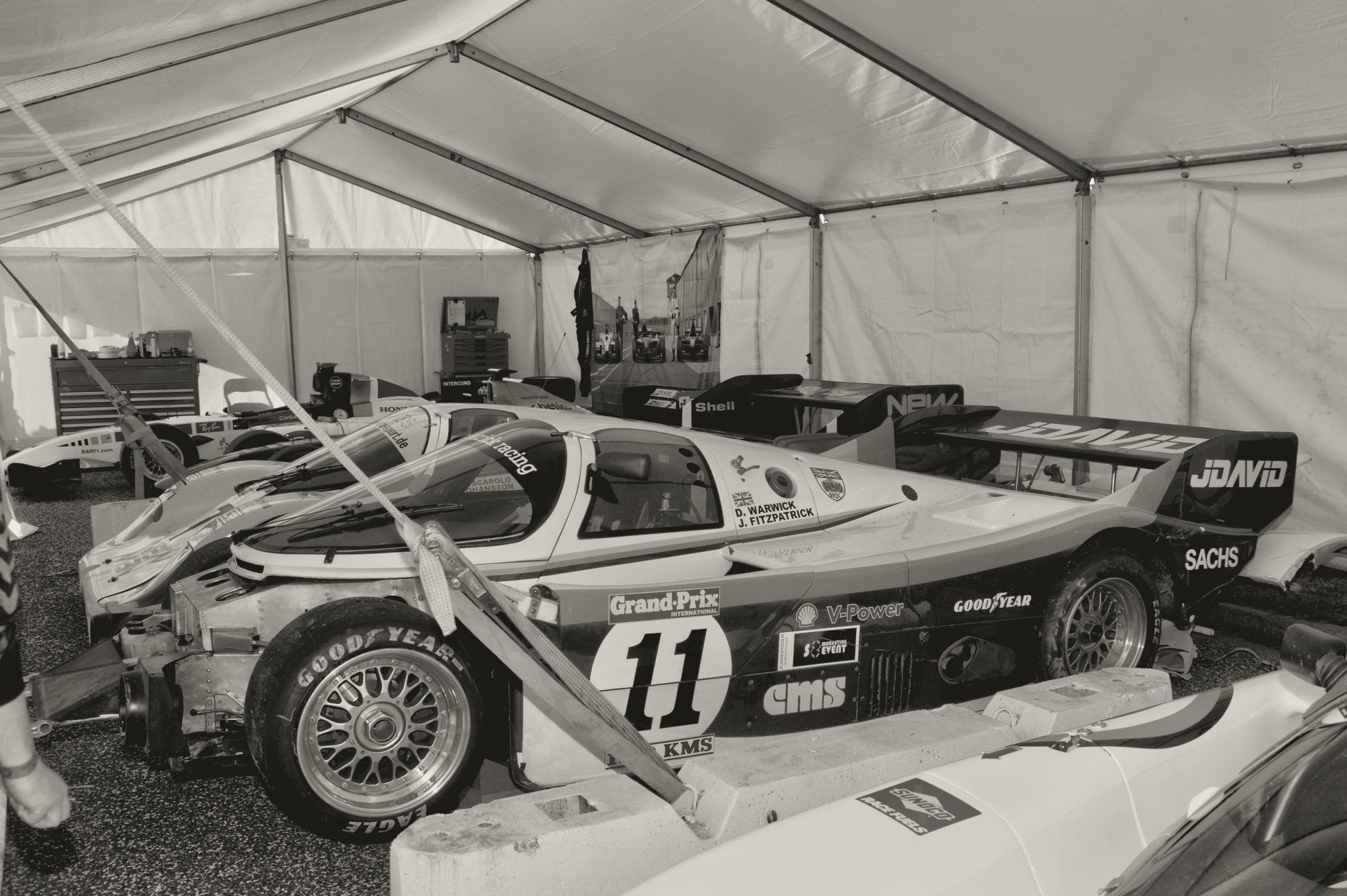
Group C and the Porsche 956: Bellof at the Nordschleife
On the twenty-eighth of May 1983, in qualifying for the Nürburgring 1000 kilometres, Stefan Bellof took a Porsche 956 round the Nordschleife in six minutes and 11. 13 seconds.
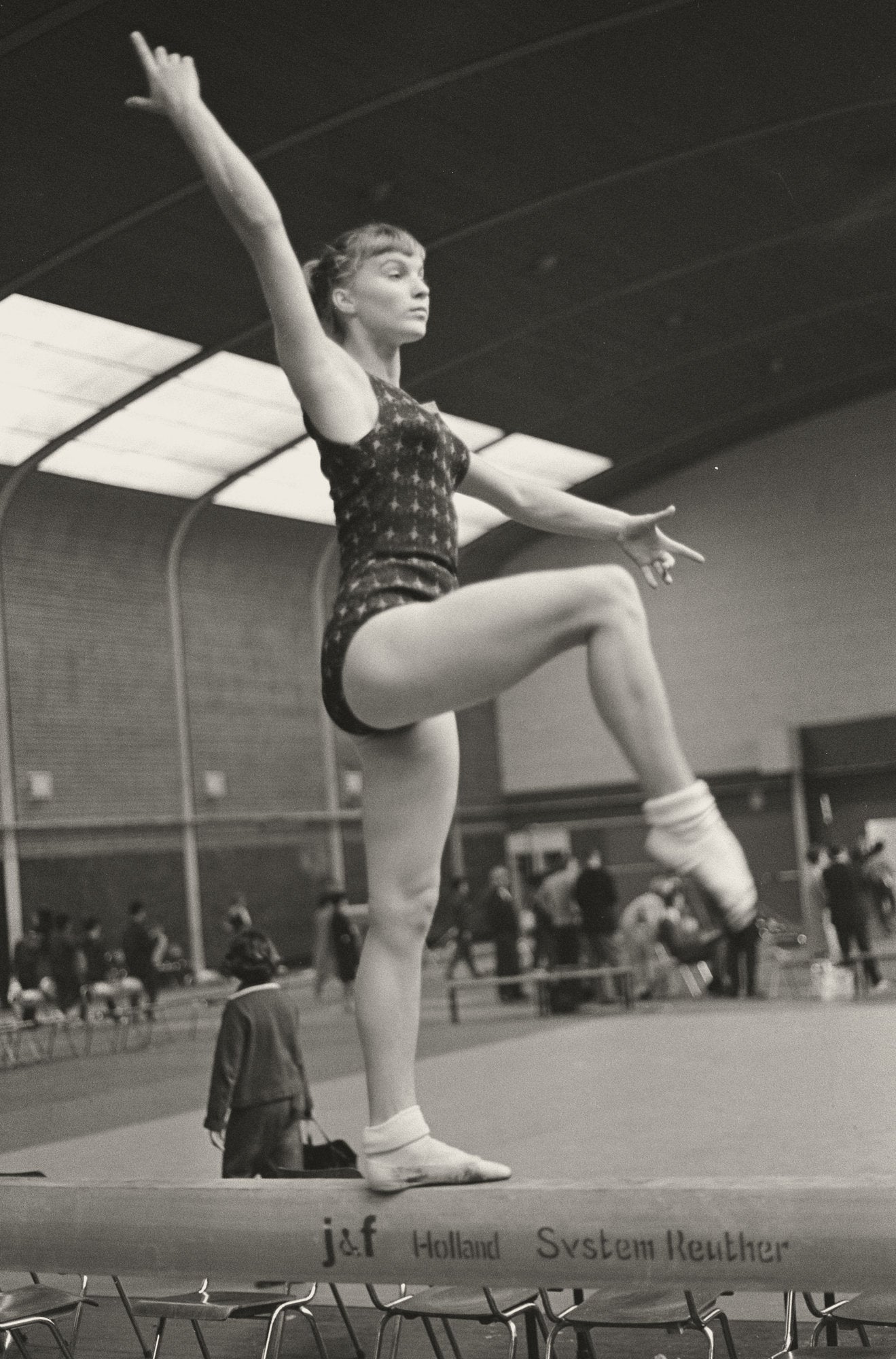
Soviet Women's Gymnastics: Ten Team Titles, 1952 to 1992
Between the Helsinki Olympics of 1952 and the Barcelona Olympics of 1992, the Soviet women's gymnastics team competed at ten Games and won the team title at all ten.
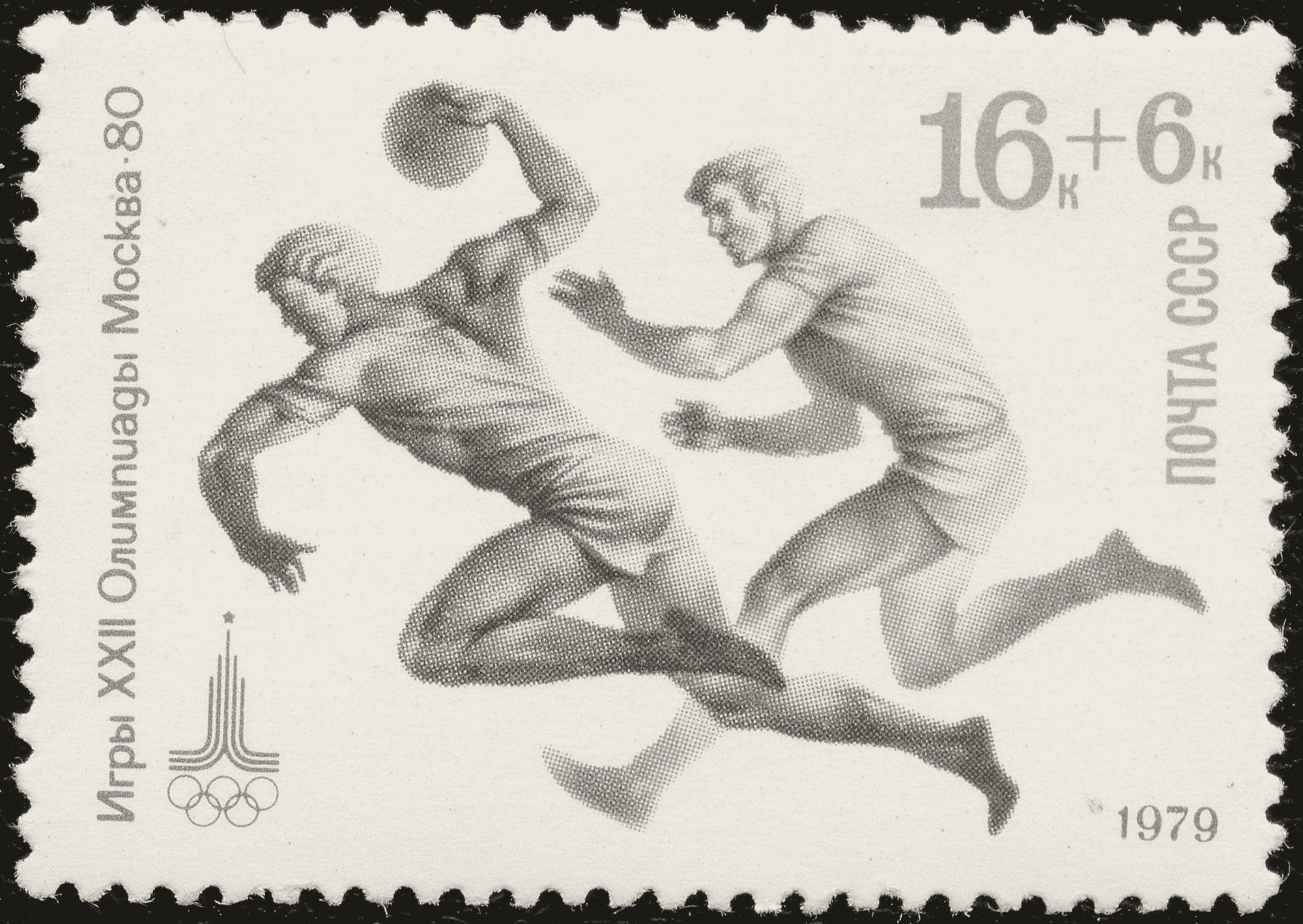
East German Women's Handball: Three World Titles
The East German women's handball team won the world championship three times: 1971, 1975 and 1978. In the 1978 final they finished ahead of the Soviet Union and Hungary.
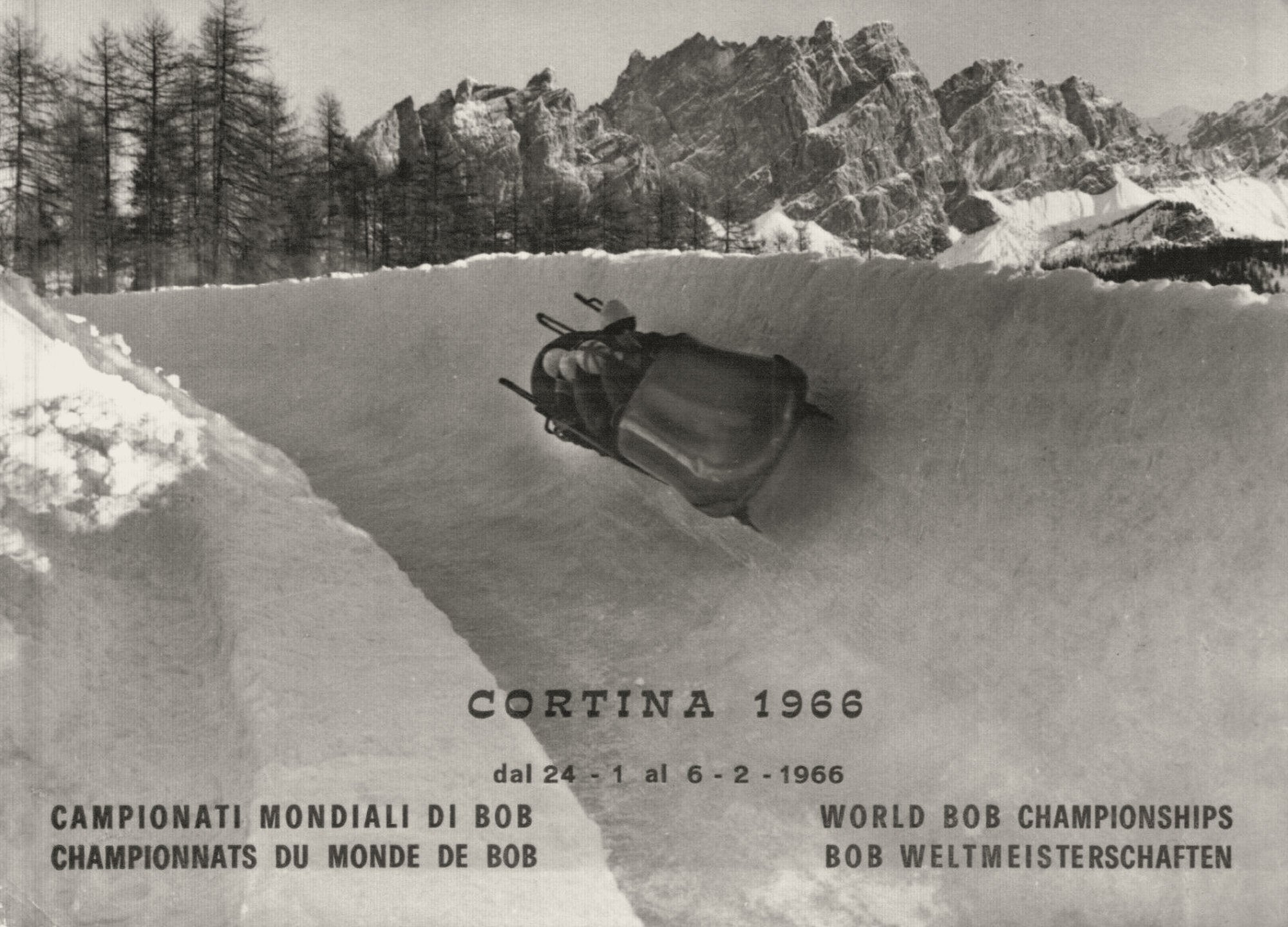
Eugenio Monti, Grenoble 1968: Olympic Gold at Forty
His age at Grenoble in 1968, when he finally won Olympic gold. Two of them, in the same Games, twelve years after his first Olympic silver.
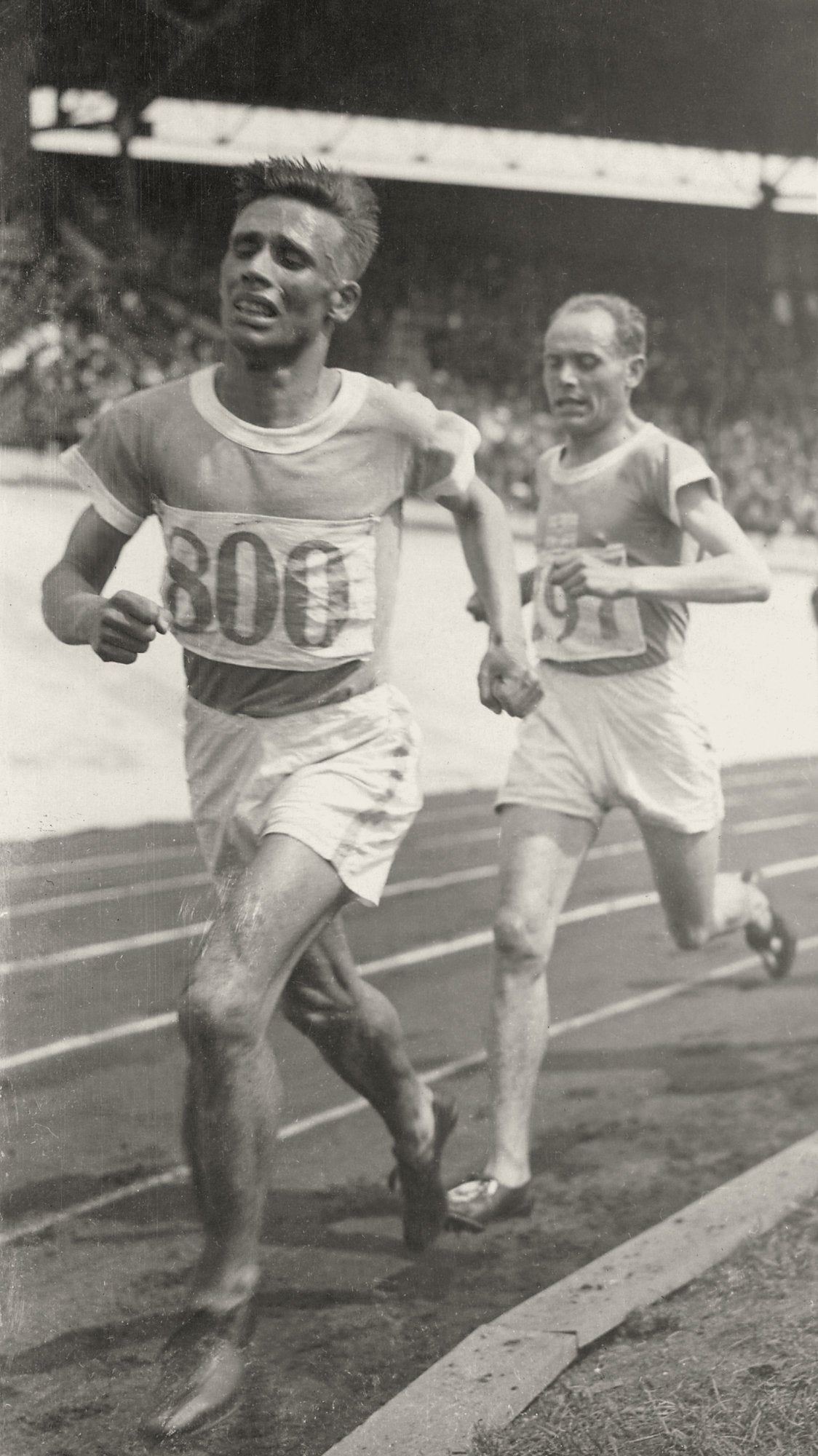
The Flying Finns: Finnish Running, 1912 to 1936
The years between Kolehmainen's first Olympic titles in 1912 and the end of Finnish dominance around the Berlin Games of 1936.
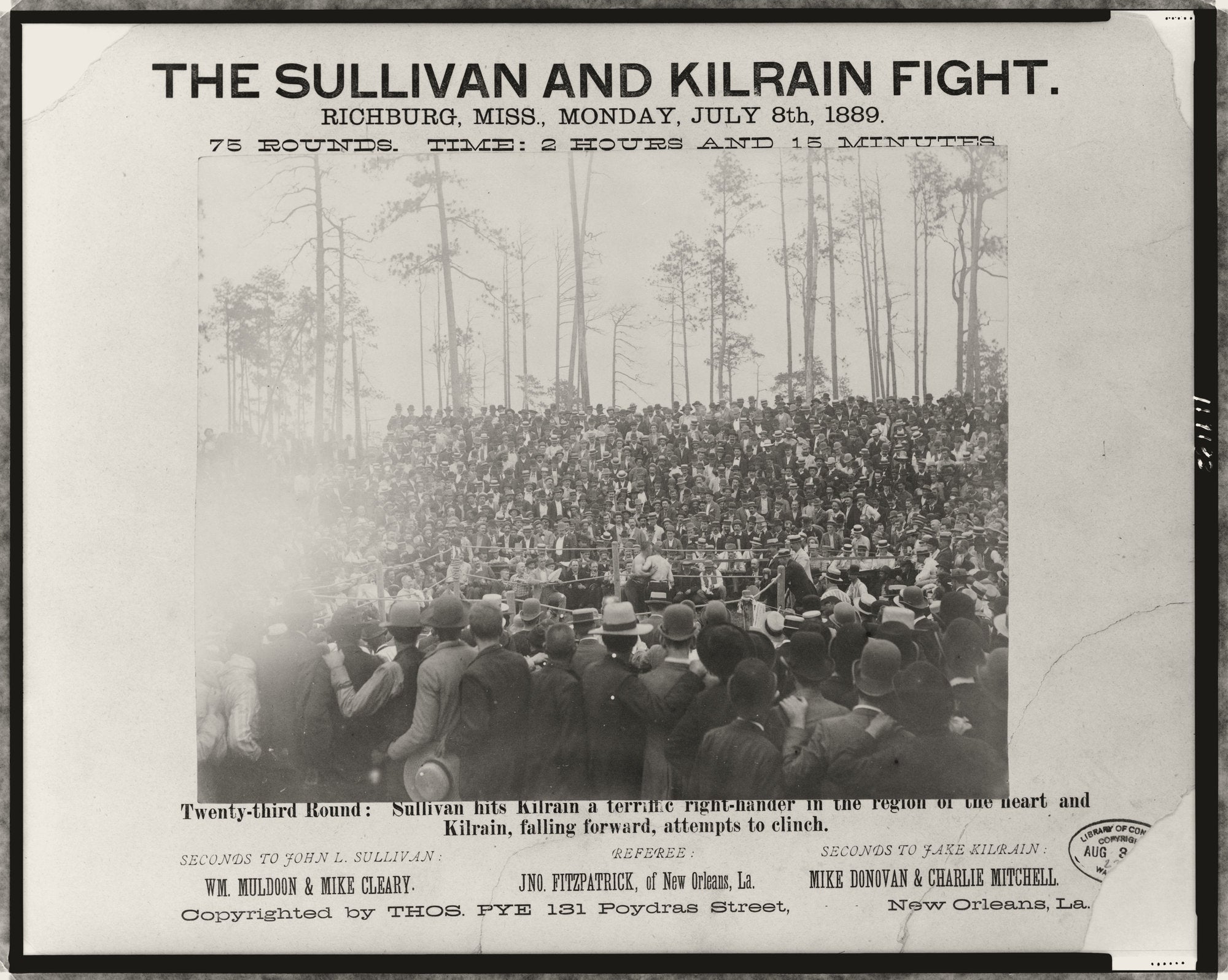
John L. Sullivan, 1892: The End of Bare-Knuckle Boxing
The year the bare-knuckle era ended, when Sullivan lost the heavyweight championship to James J. Corbett under Queensberry rules.
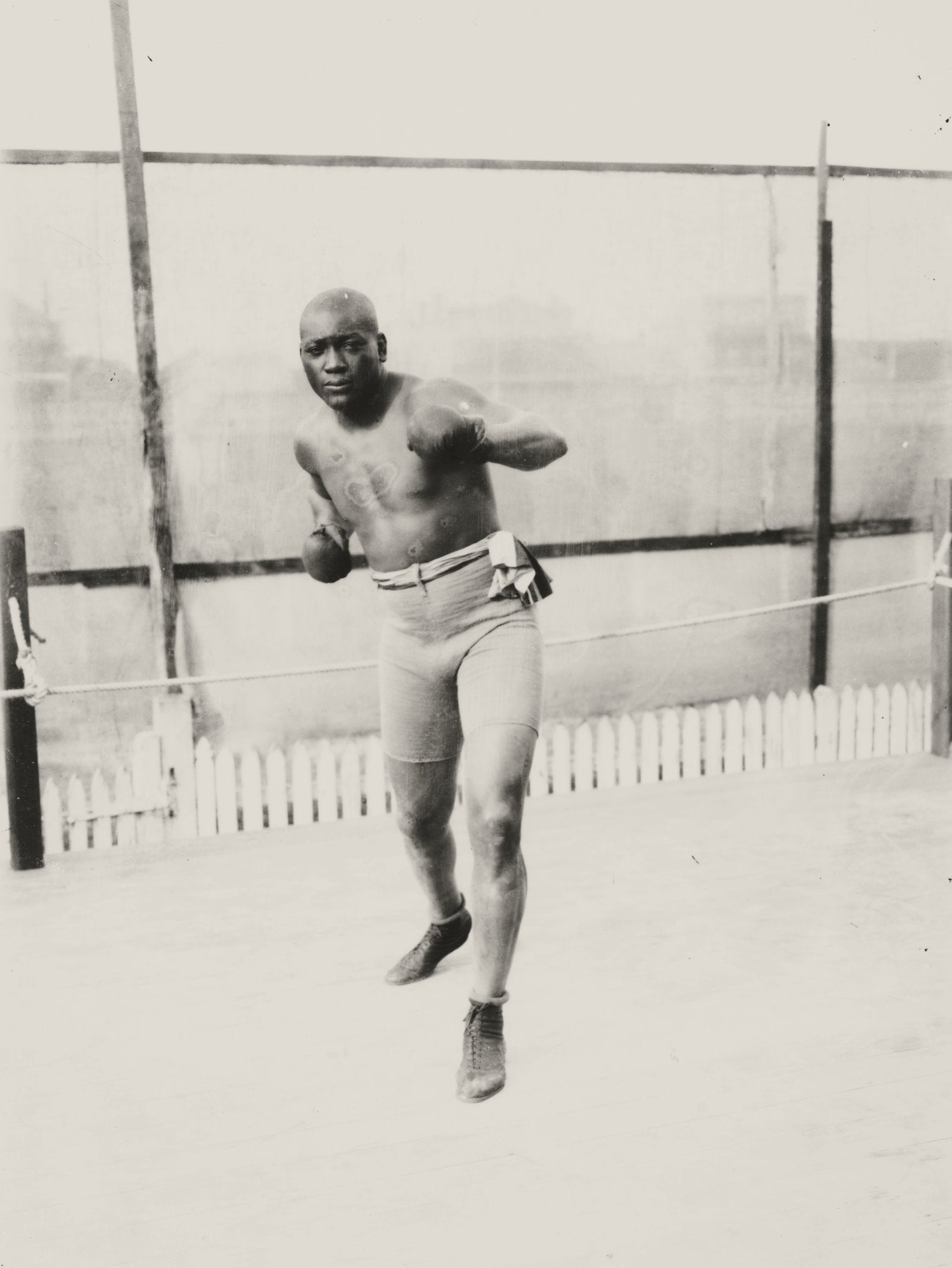
Jack Johnson, 1908: The First Black Heavyweight Champion
On 26 December 1908 in Sydney, Jack Johnson defeated Tommy Burns to become the first Black world heavyweight champion. Police stopped the fight in the fourteenth round; the filmed record was cut before the finish.
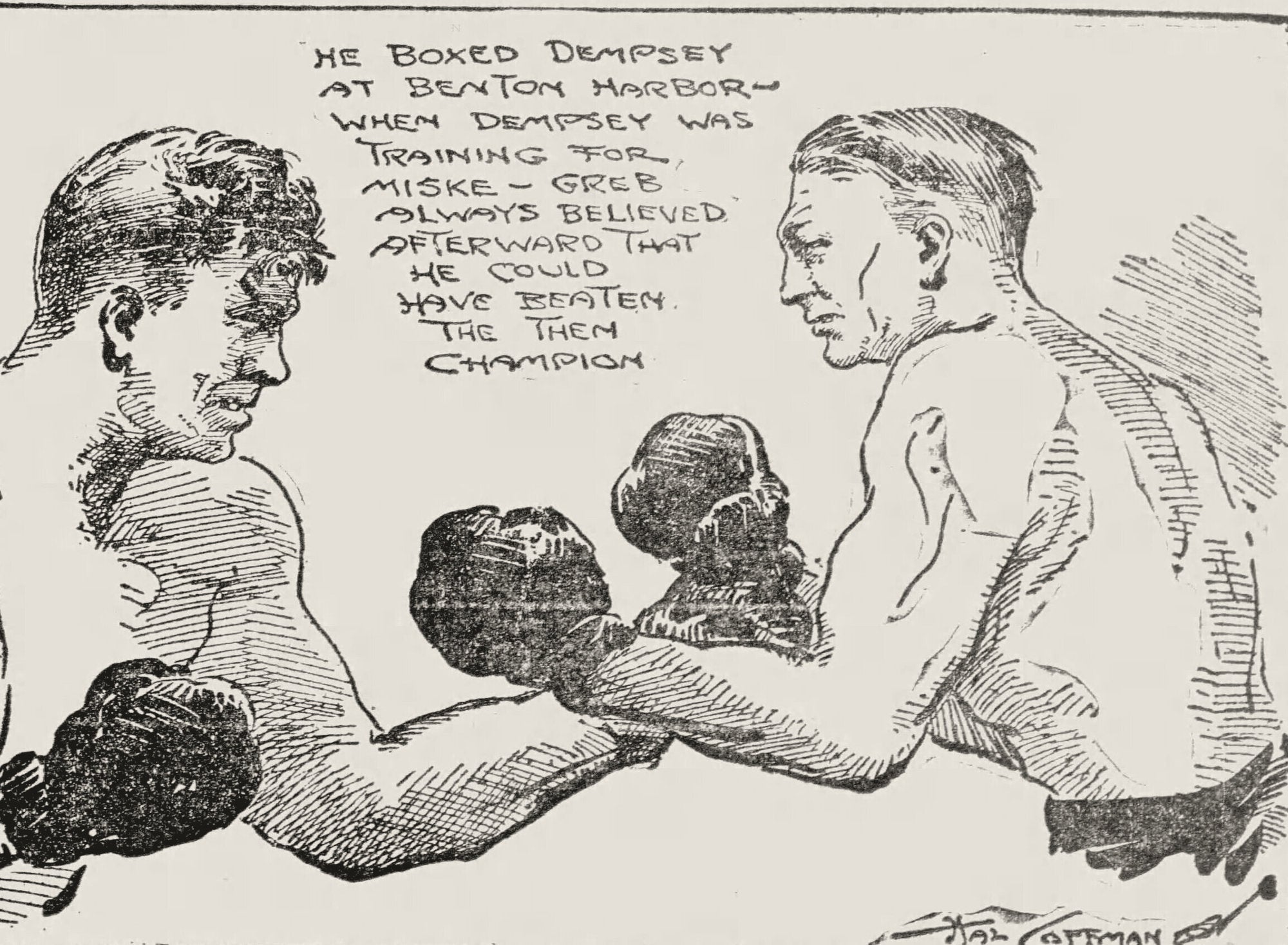
Harry Greb: The Man Who Beat Tunney, Half Blind
The number of working eyes he had for the last five years of his career, and the number of men who ever beat Gene Tunney.
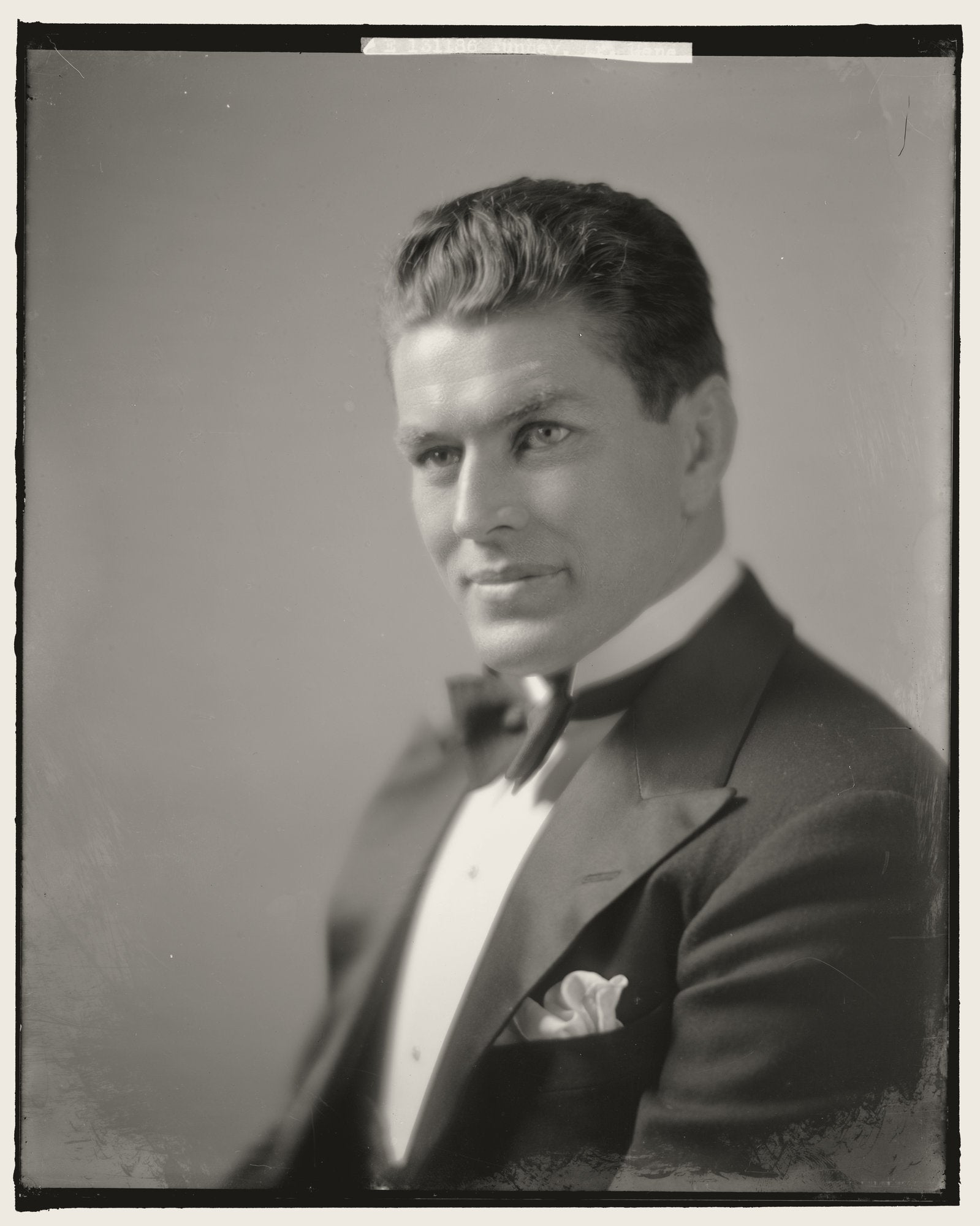
Gene Tunney: The Man Who Beat Jack Dempsey Twice
His two wins over Jack Dempsey, in 1926 and 1927. Nobody else beat Dempsey in his prime.
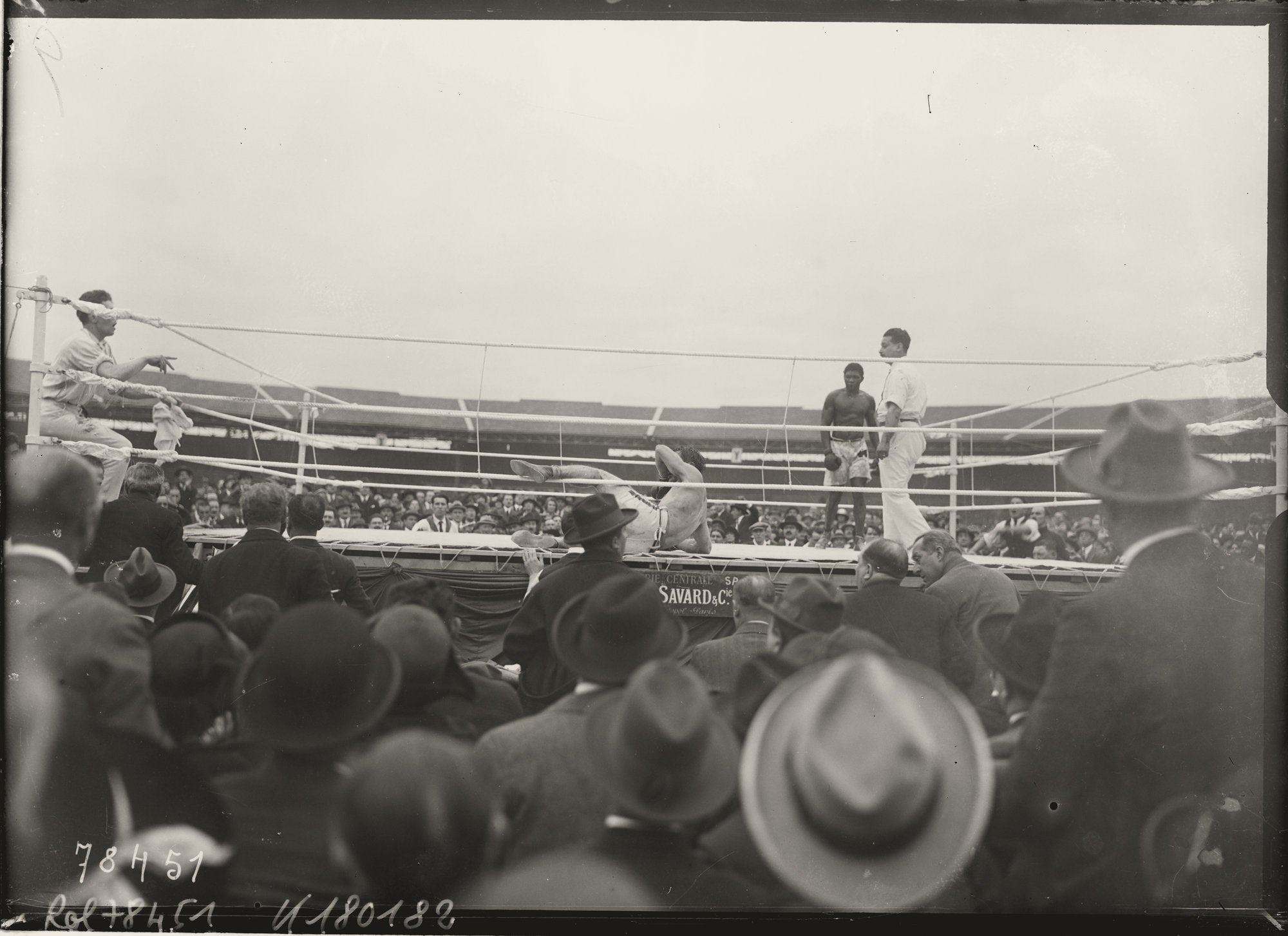
Battling Siki, 1922: Africa's First World Champion
The year Battling Siki knocked out Georges Carpentier in Paris and became the first African world champion in boxing.
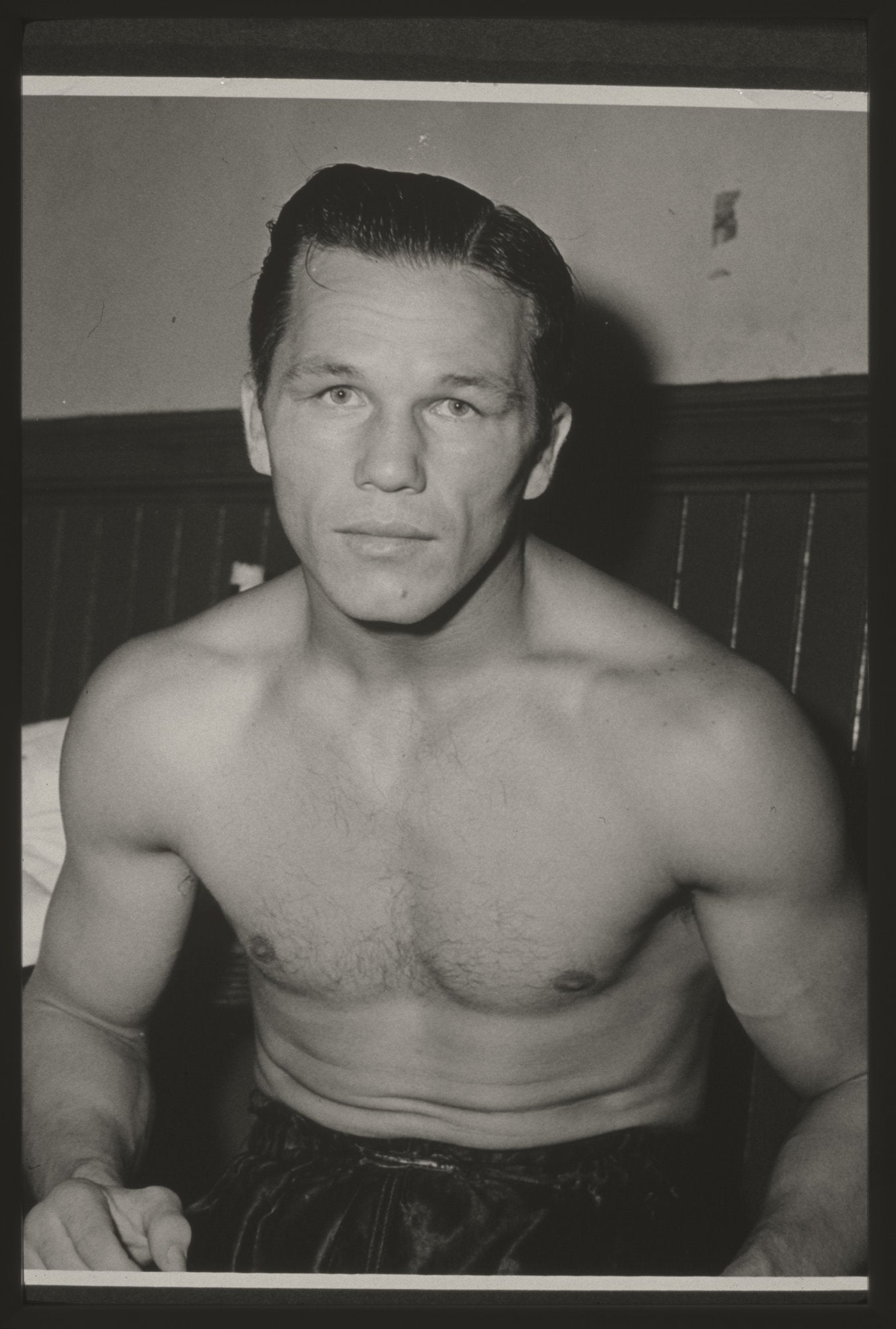
Tony Zale and Rocky Graziano: Three Fights, 1946 to 1948
The three fights with Rocky Graziano between 1946 and 1948. None went beyond six rounds.
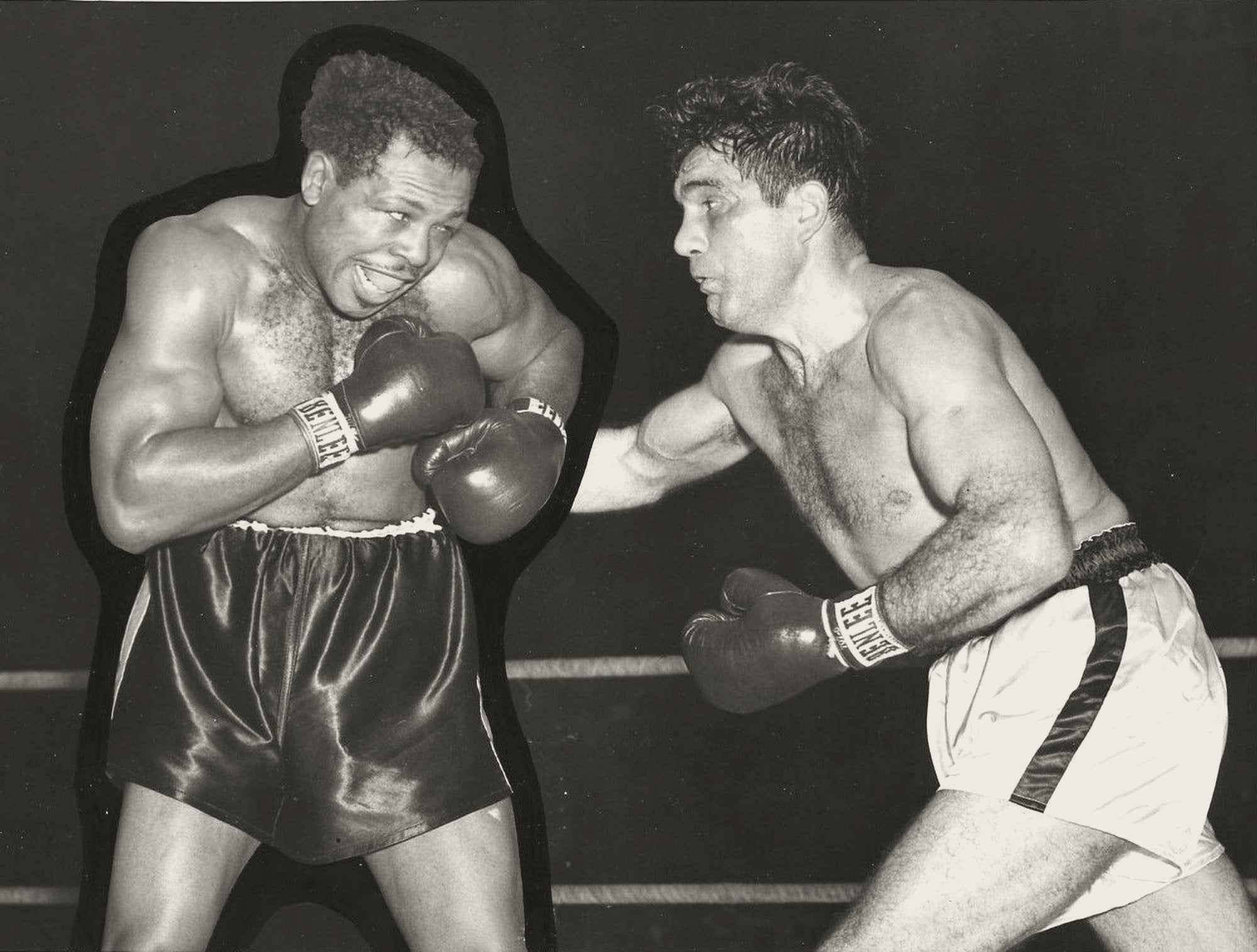
Archie Moore, the Old Mongoose: Boxing's Knockout Record
The career knockout record, most often cited as 131. It is the highest in the recorded history of boxing and is not seriously threatened.
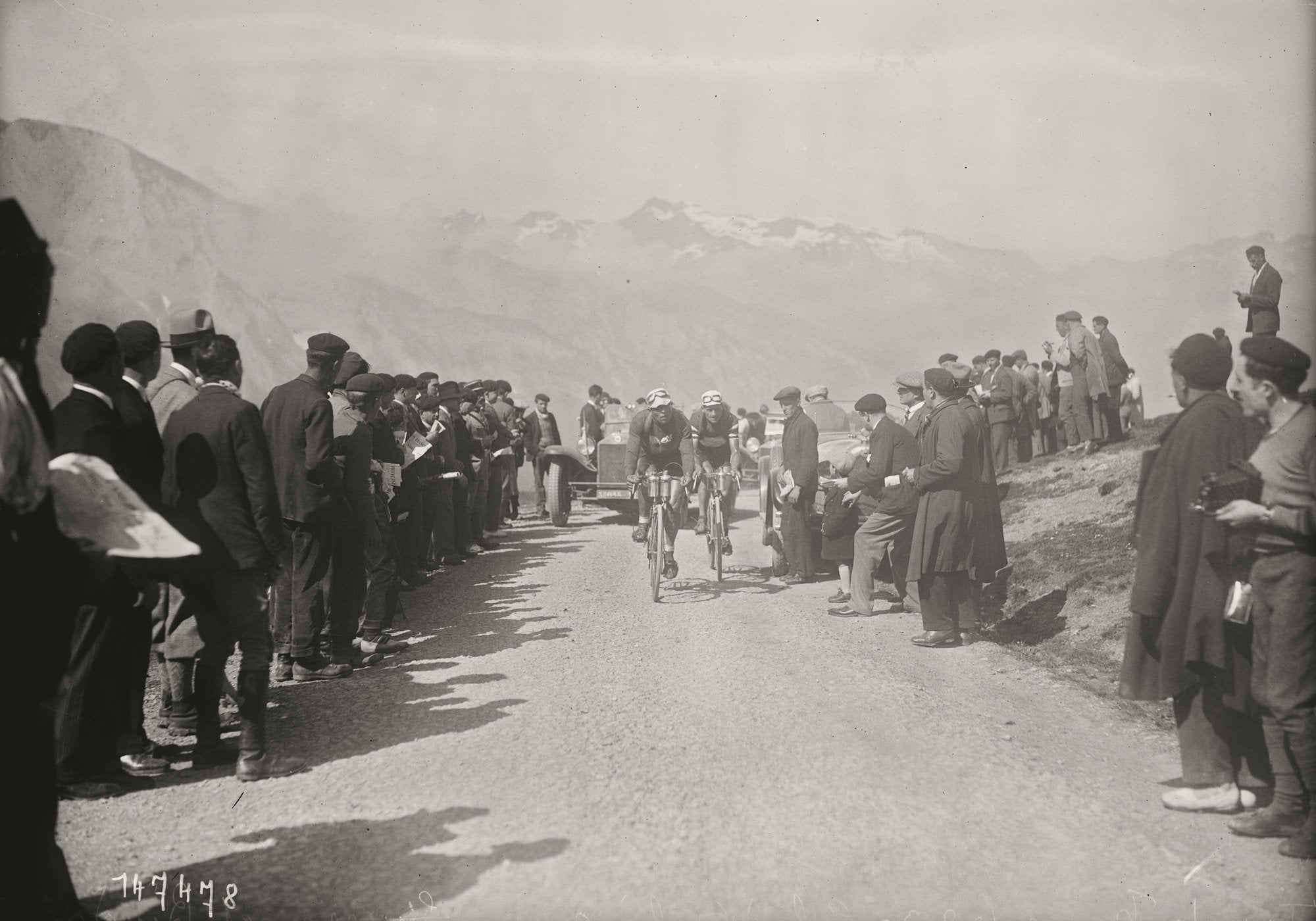
Alfredo Binda, Paid to Skip the 1930 Giro d'Italia
The year the Giro d'Italia organisers paid Binda not to start, a sum reported at twenty-two thousand five hundred lire, matching the winner's prize.
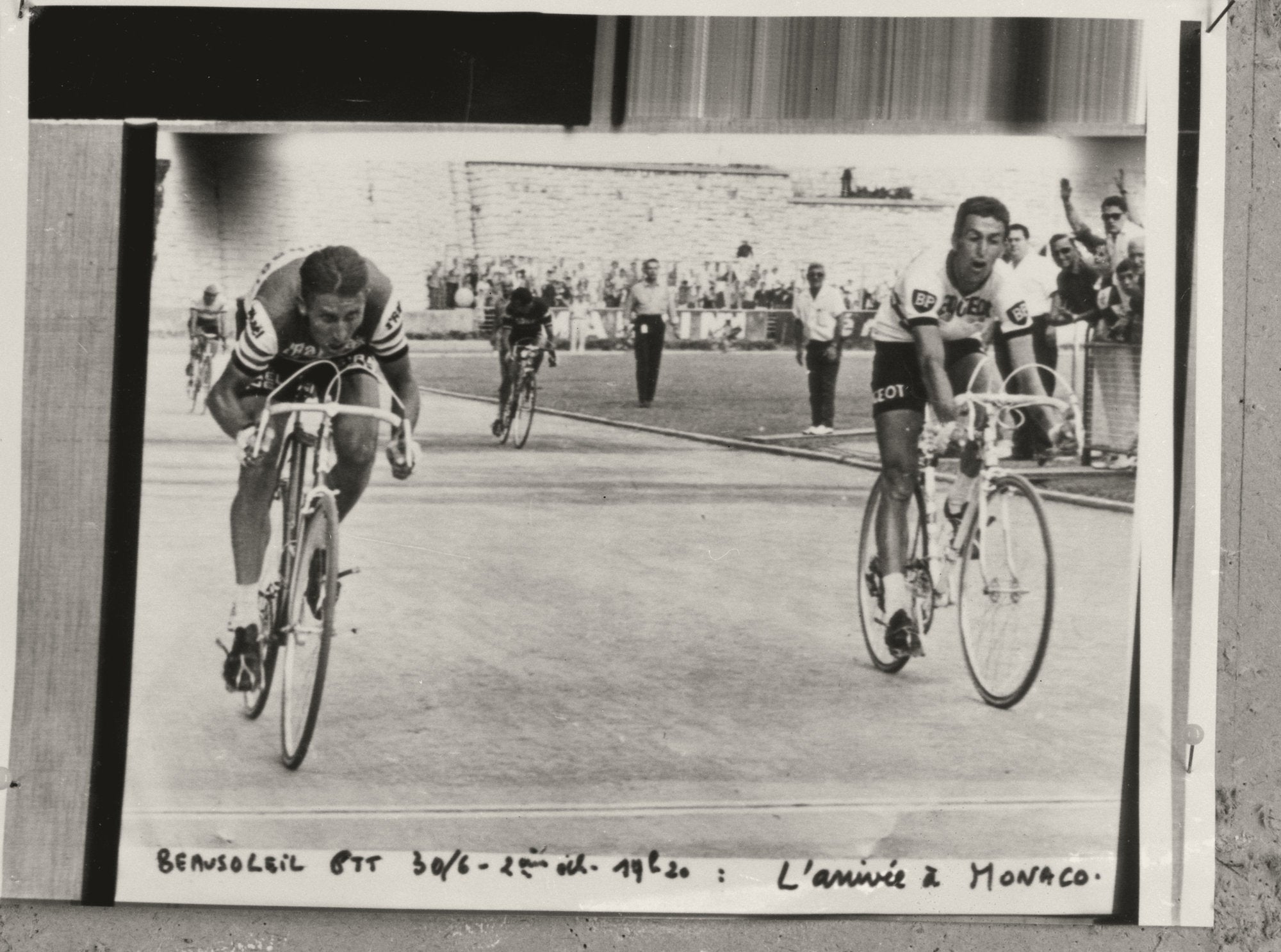
Tom Simpson on Mont Ventoux, 1967
The year Tom Simpson died on Mont Ventoux during the thirteenth stage of the Tour de France, on 13 July.
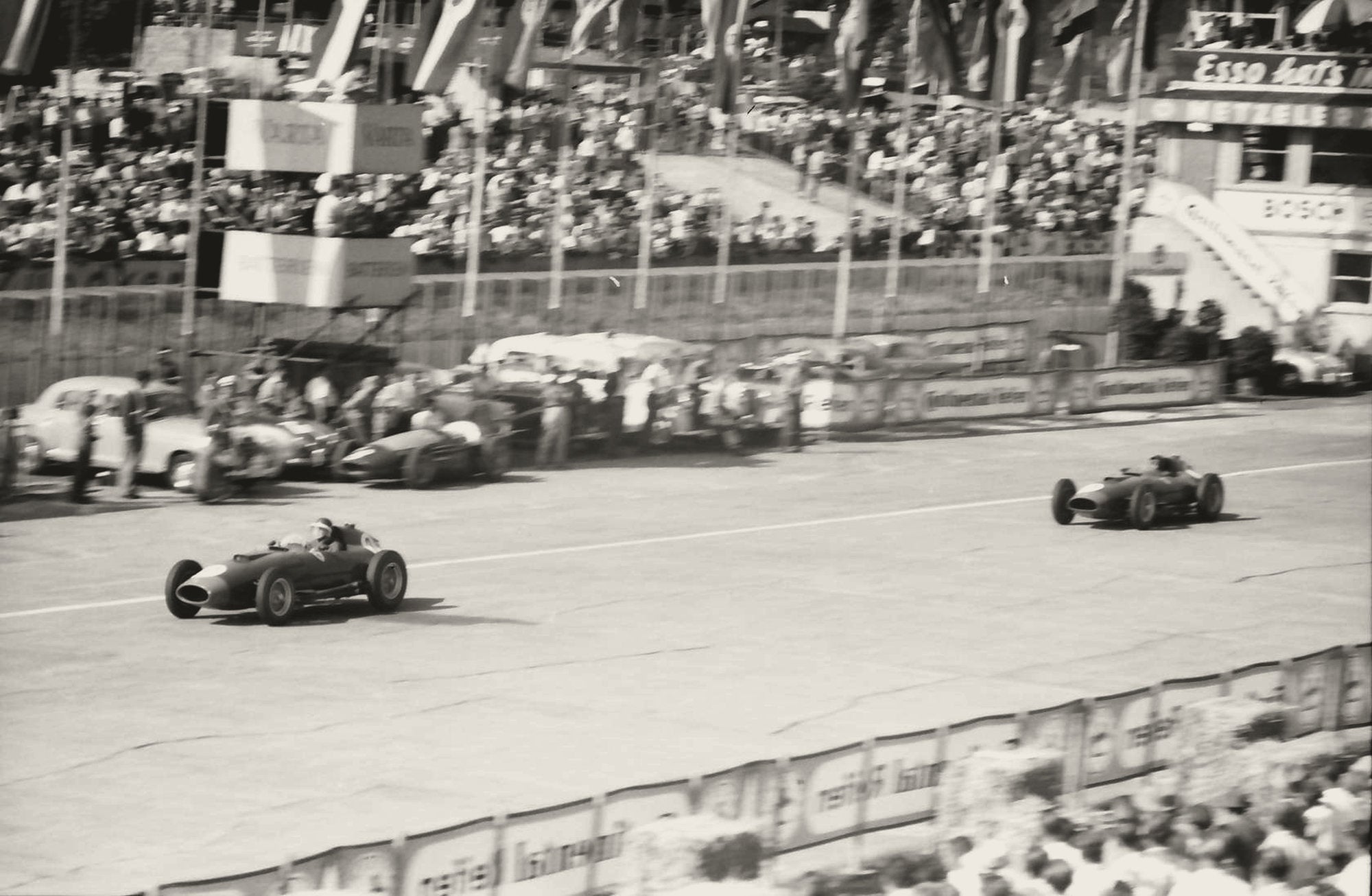
Mike Hawthorn, 1958: Champion by a Single Point
The margin, in points, by which Hawthorn won the 1958 world championship from Stirling Moss: 42 to 41.
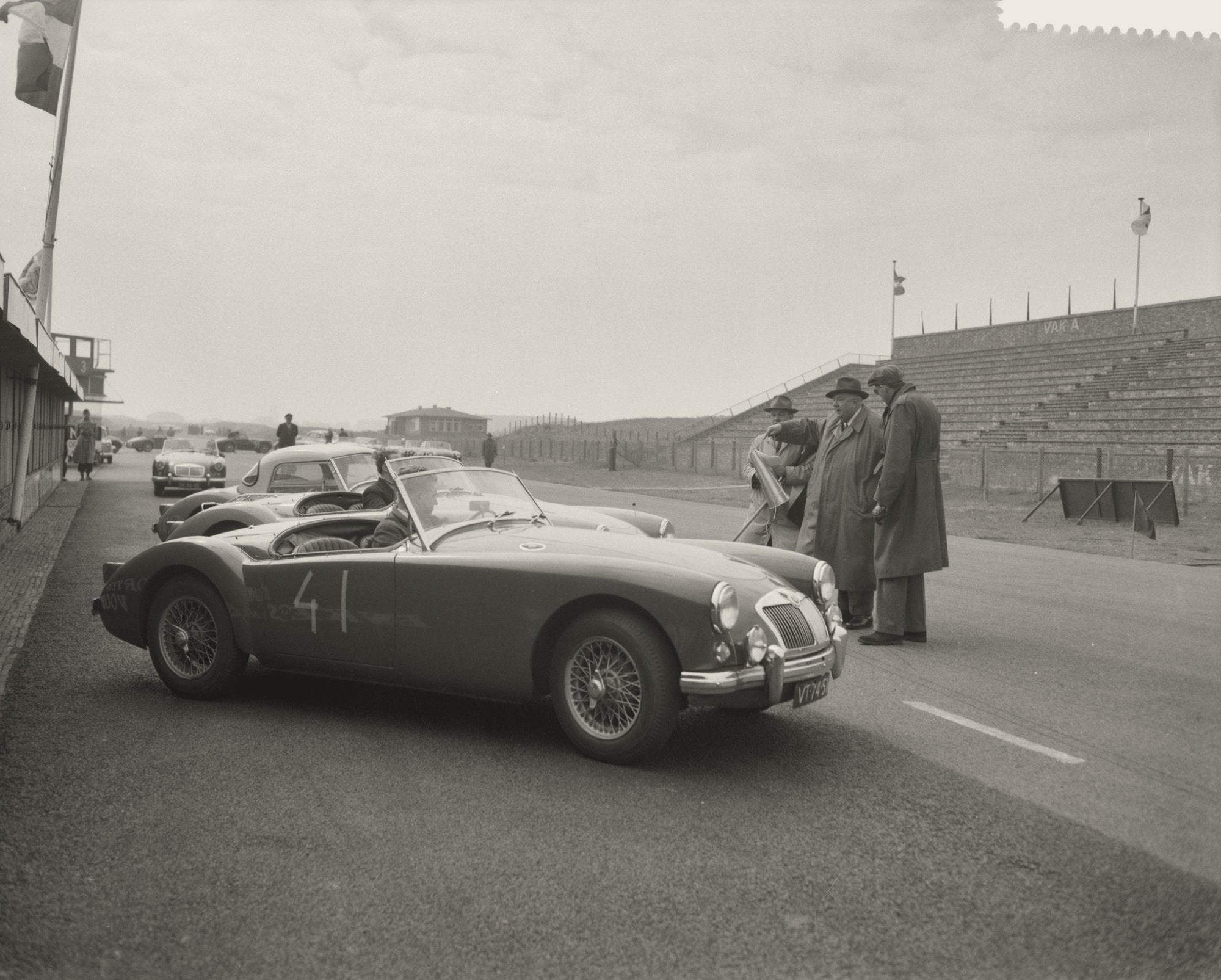
Wolfgang von Trips, Monza 1961: One Round Remaining
The championship von Trips was leading when he was killed at Monza on 10 September, with one round remaining.
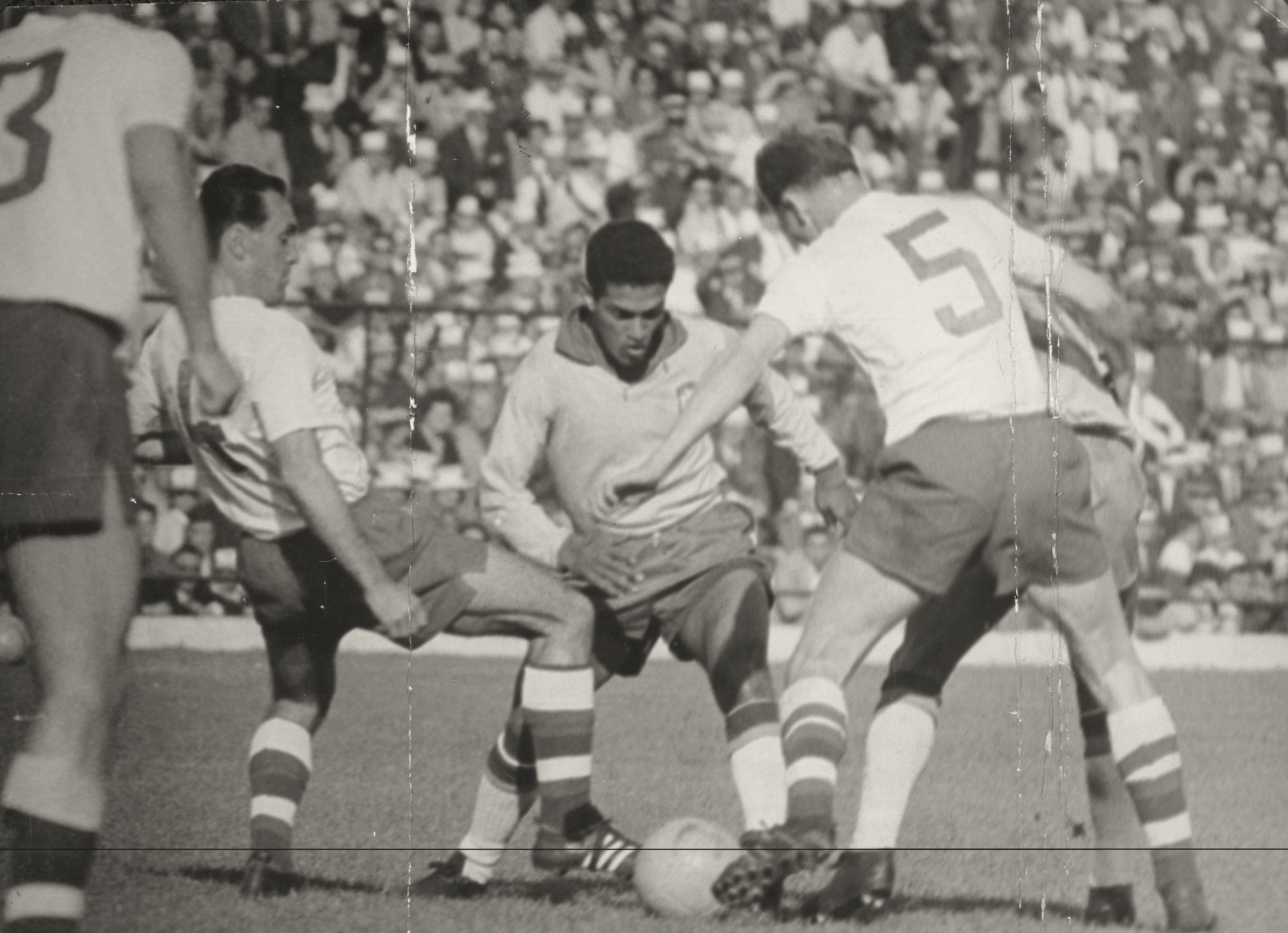
Garrincha: Two World Cups, 1958 and 1962
World Cups won: Sweden 1958 and Chile 1962.
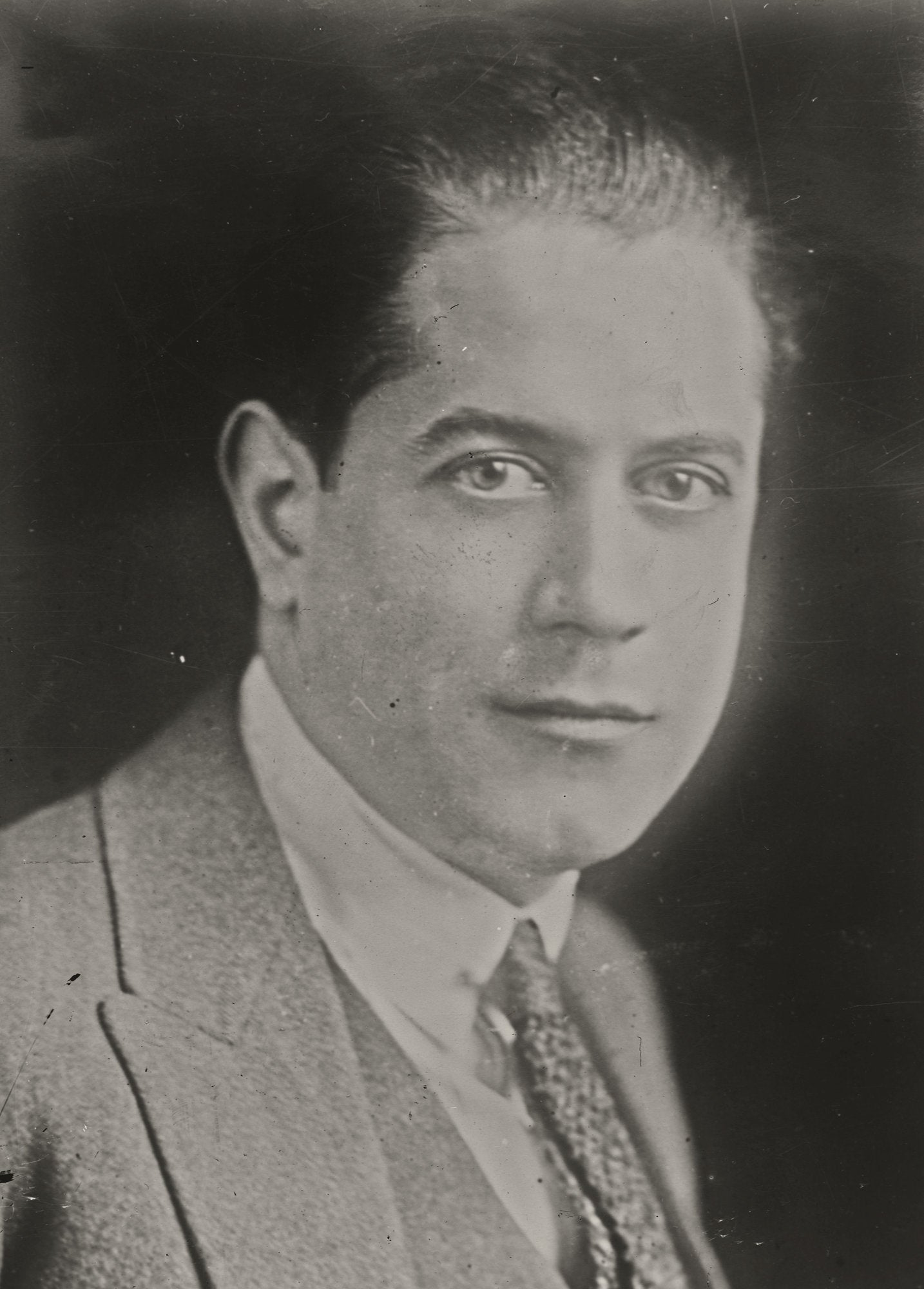
Capablanca: Eight Years Without a Loss, 1916 to 1924
The years without a loss in serious play, from February 1916 to March 1924.
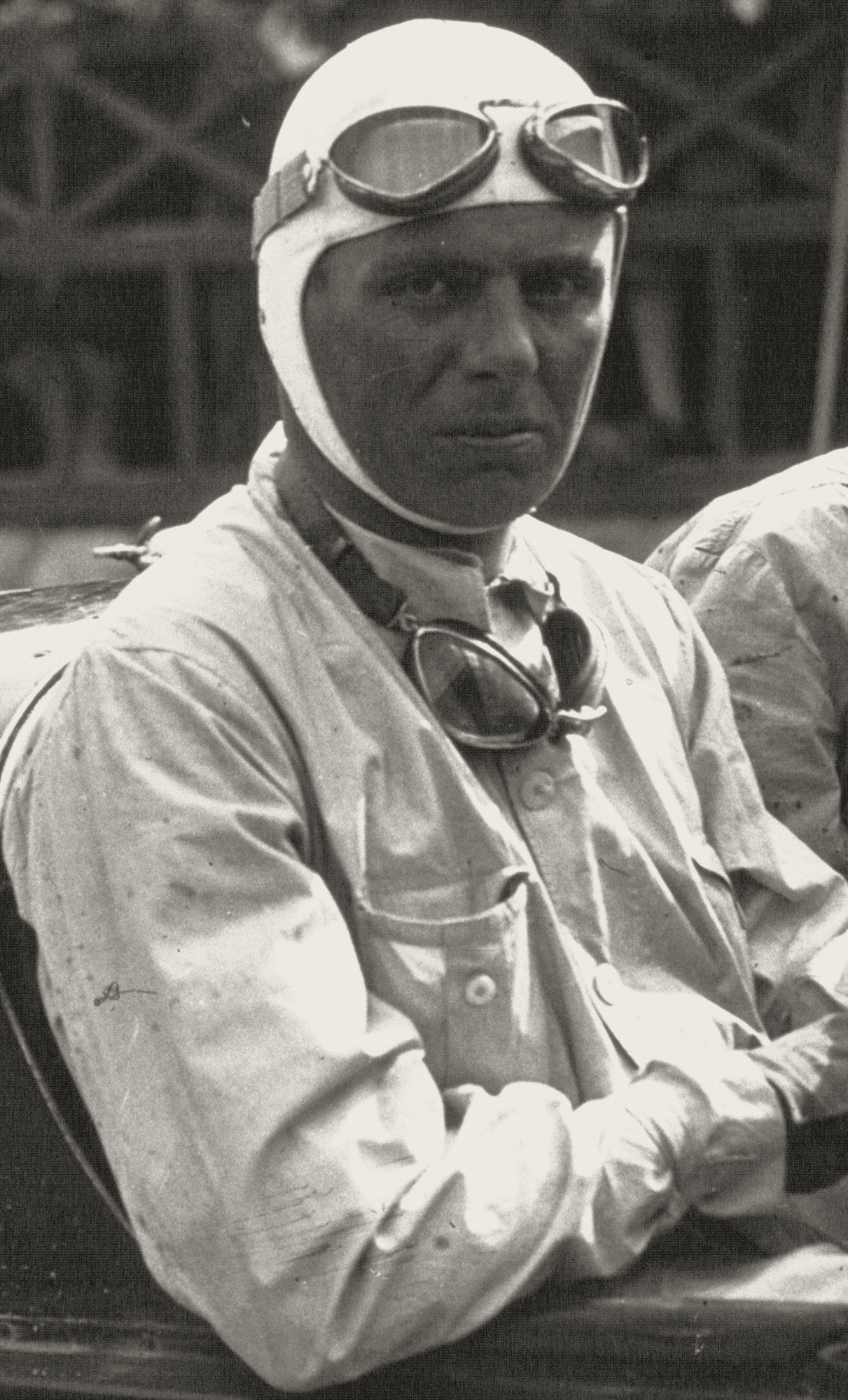
Achille Varzi: The Last Lap at Bremgarten, 1948
The year Varzi was killed in practice for the Swiss Grand Prix at Bremgarten, Bern, on 1 July, in wet conditions.
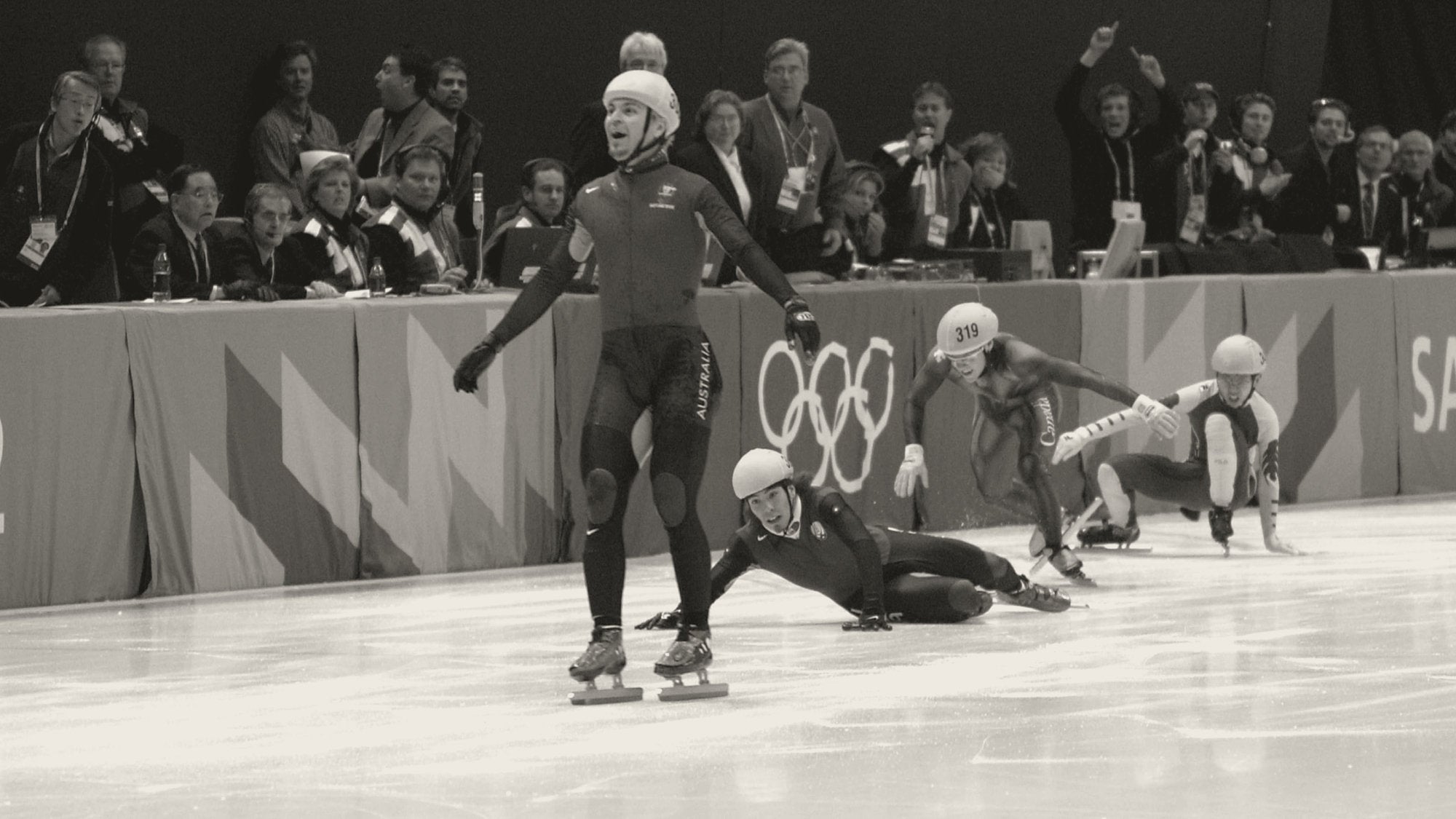
Steven Bradbury, Salt Lake City 2002: Last Man Standing
The first Winter Olympic gold medal won by any athlete from the Southern Hemisphere.
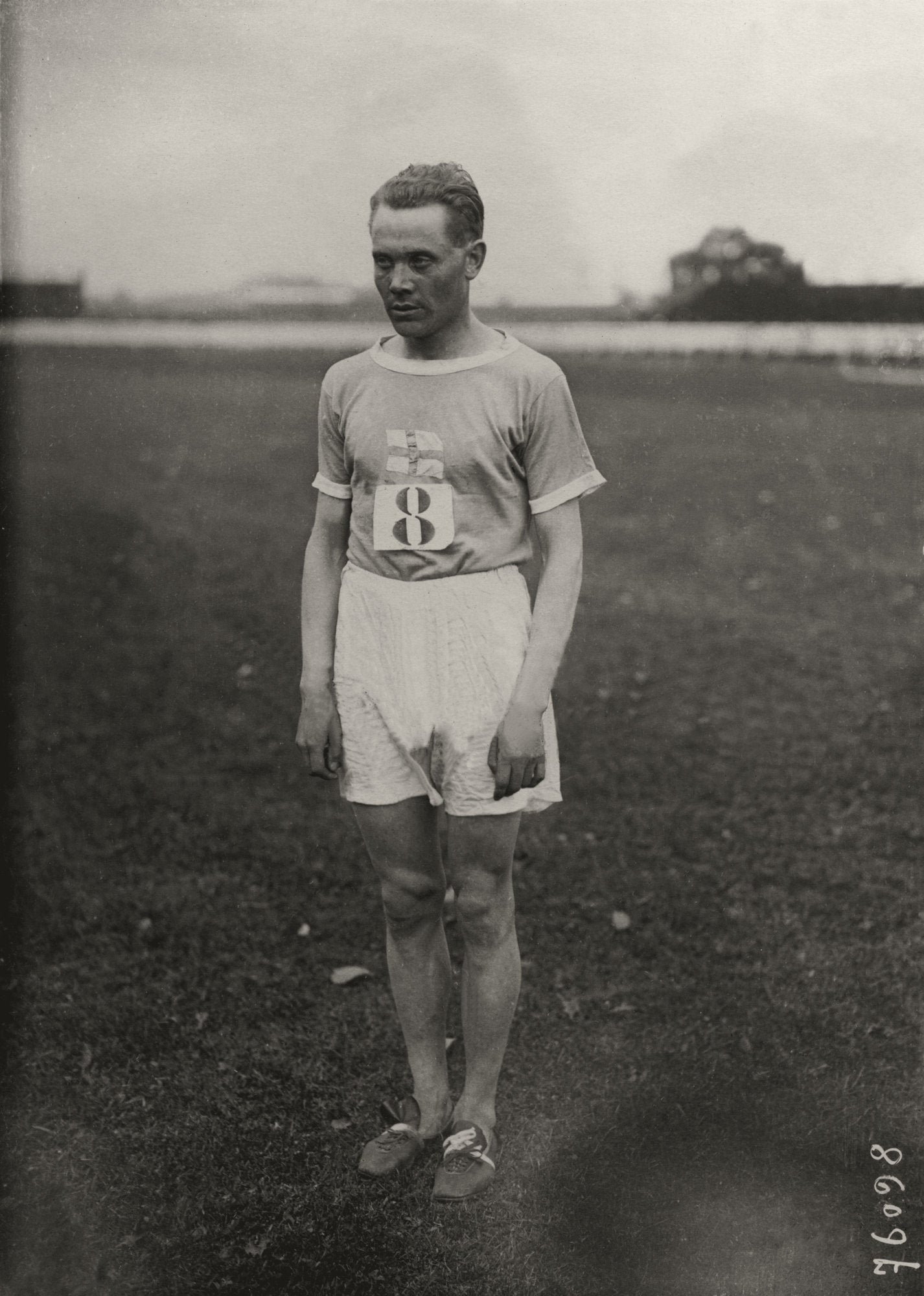
Paavo Nurmi: Nine Olympic Golds, 1920 to 1928
Olympic gold medals, won between 1920 and 1928, with three silvers alongside them.
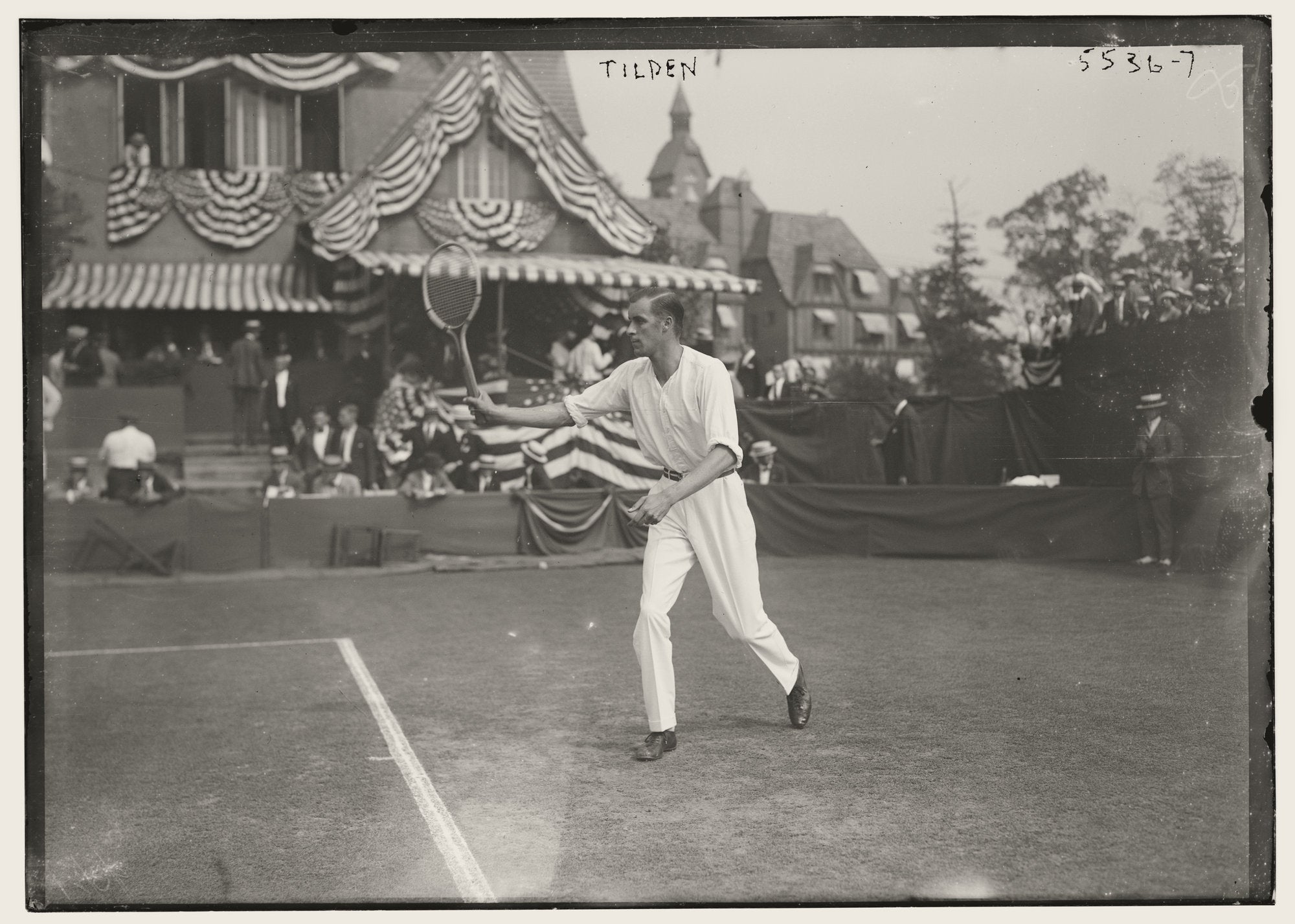
Bill Tilden: Seven US Titles, and What Came After
Consecutive Davis Cup titles won by the United States between 1920 and 1926, with Tilden as the central player.
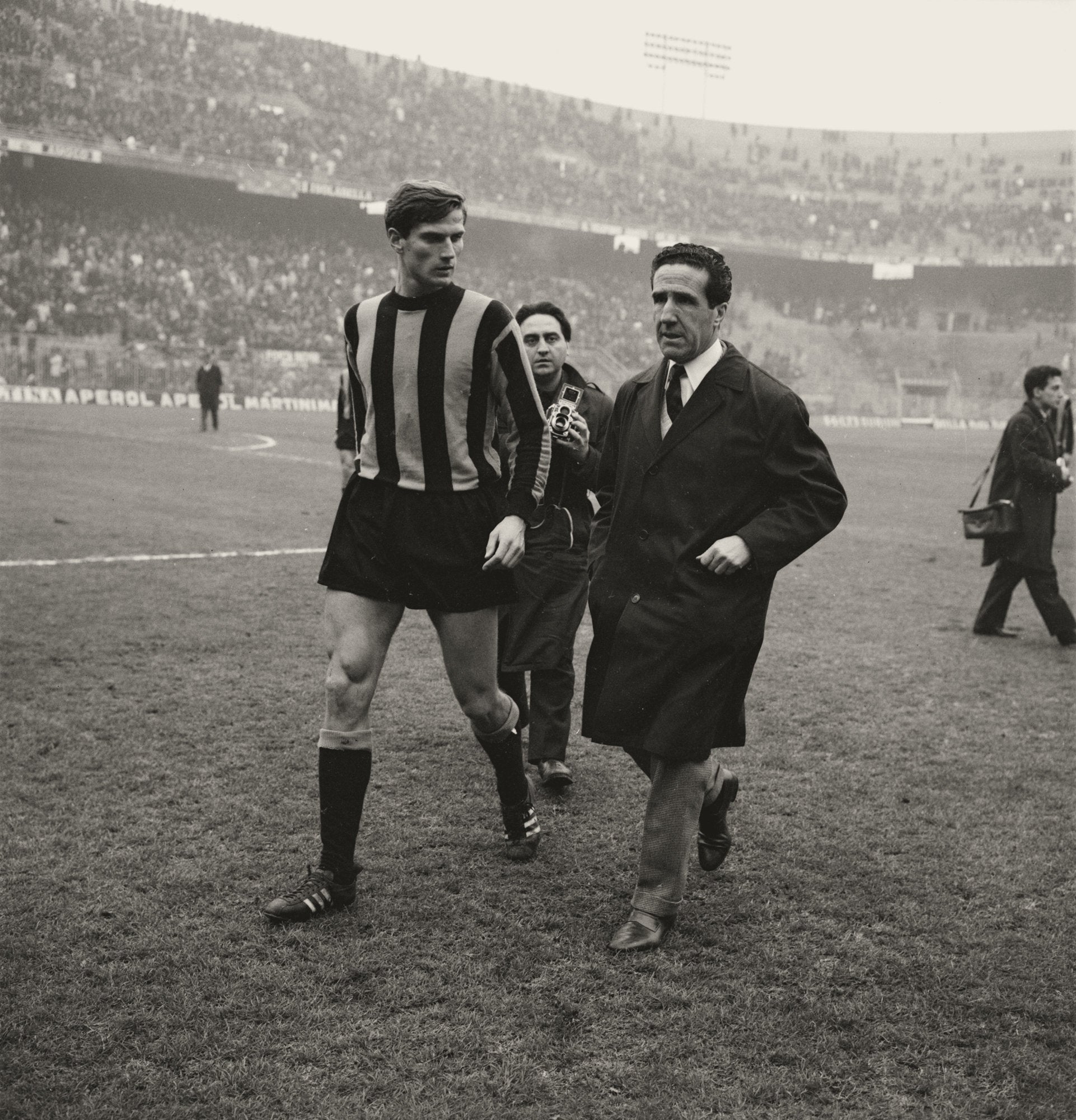
Herrera's Grande Inter: Two European Cups, 1964 and 1965
European Cups, won consecutively: 1964 and 1965.
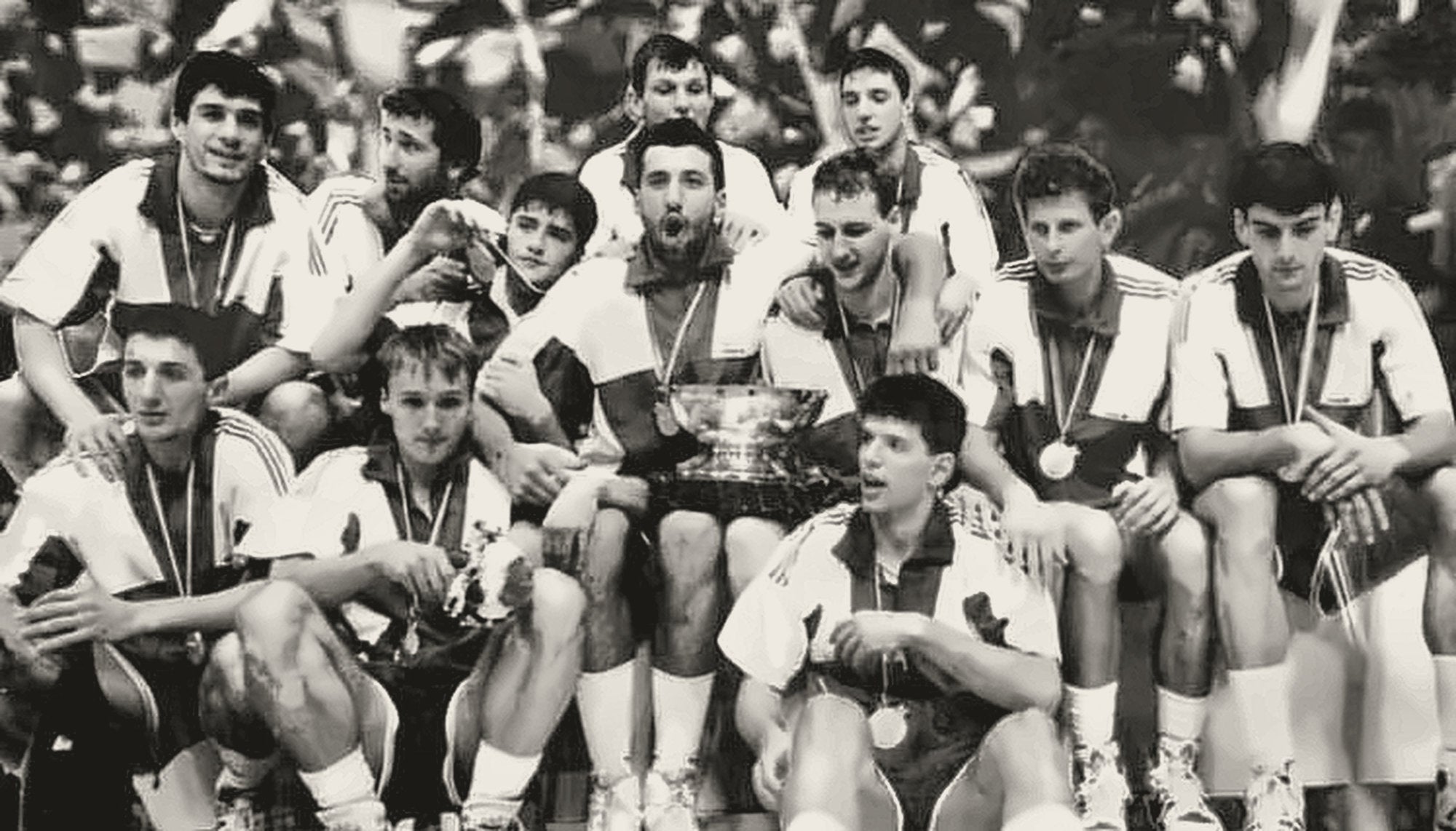
Yugoslavia's Basketball School: World Champions, 1990
The final of the 1990 World Championship was played in Buenos Aires on the nineteenth of August. Yugoslavia beat the Soviet Union ninety two to seventy five.
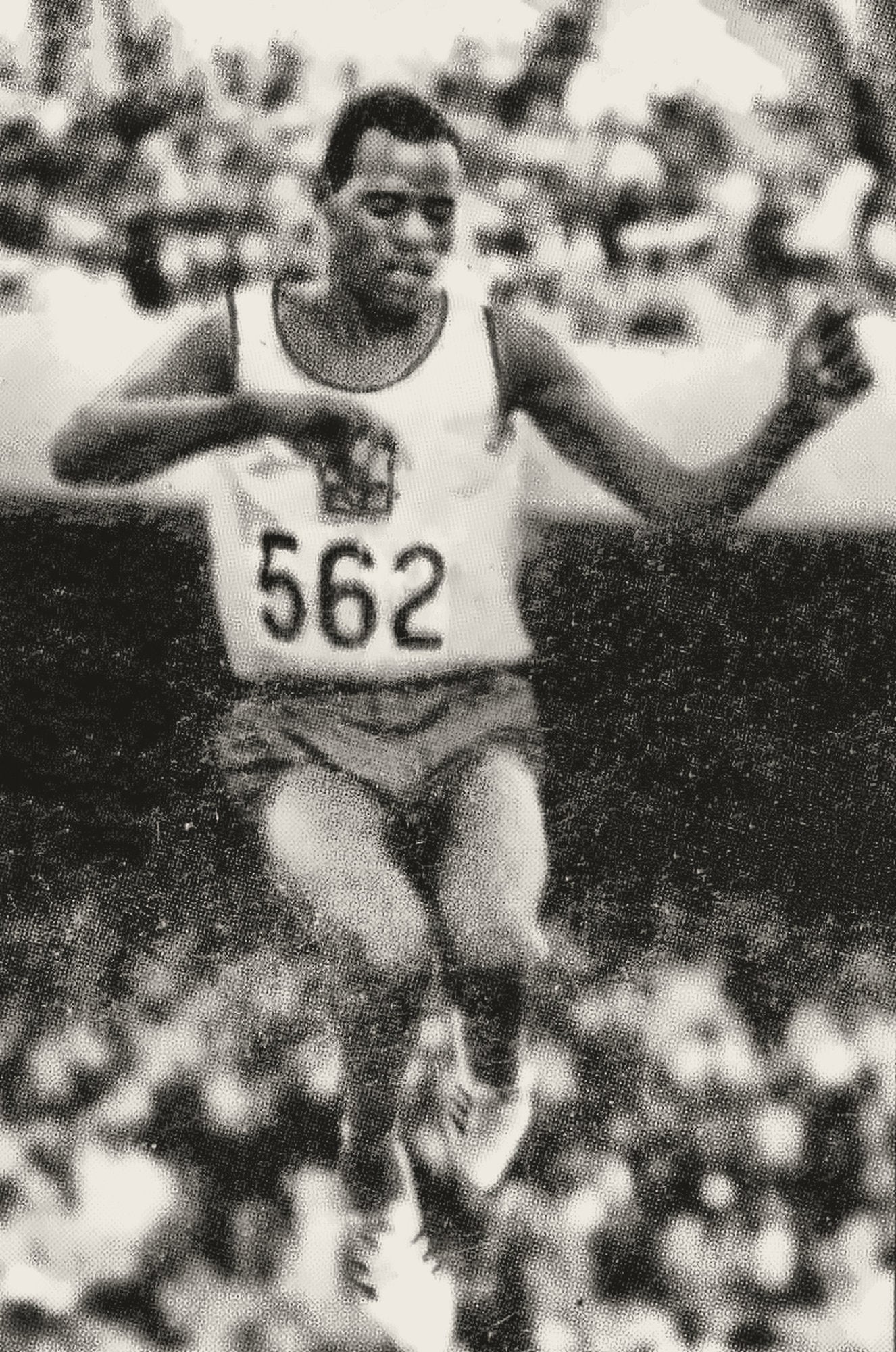
Kenyan Distance Running: From Mexico City, 1968
The Mexico City Olympics, held at roughly 2,240 metres, and the moment Kenyan distance running entered the world's attention.
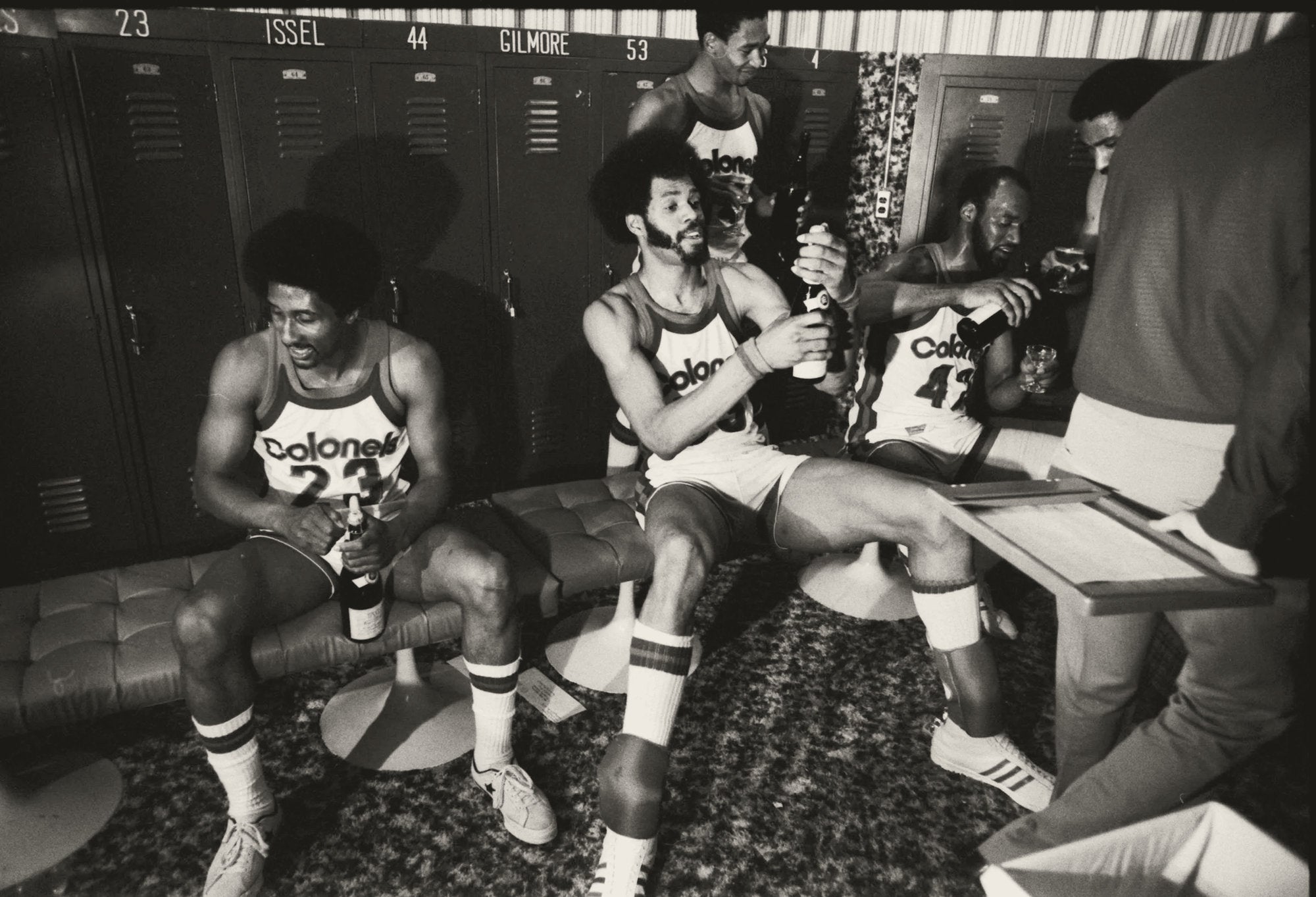
Kentucky Colonels: ABA Champions, Left Out of the NBA
In the summer of 1976 the American Basketball Association came to an end, and four of its surviving clubs were admitted to the National Basketball Association. The Denver Nuggets, the Indiana Pacers, the New York Nets and the San Antonio Spurs went across and are all still playing today.
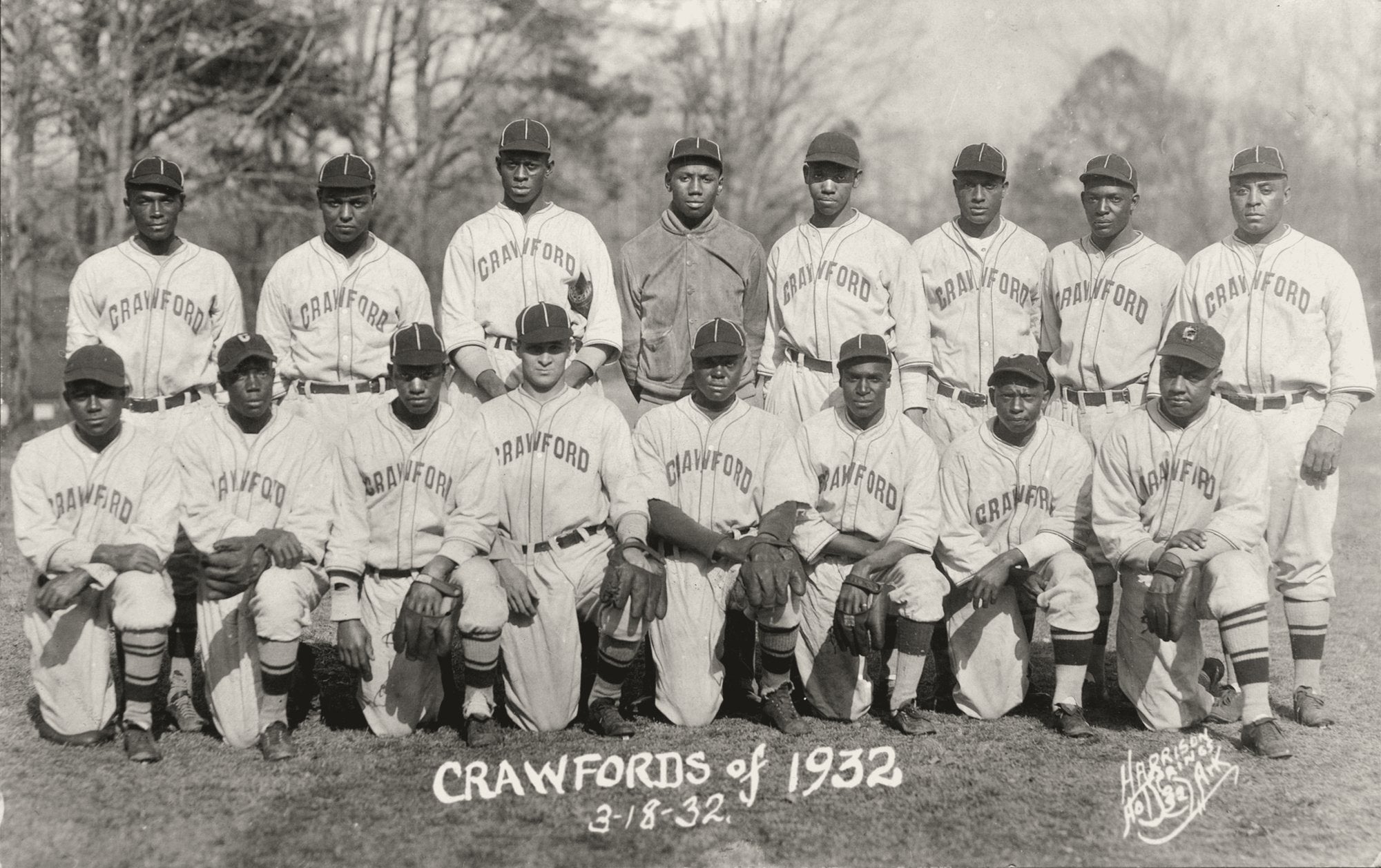
Satchel Paige: Still Pitching at Fifty-Nine
Fifty-nine. Set it down beside the sport it belongs to and it looks wrong, the way a price looks wrong when a zero has been added by mistake.
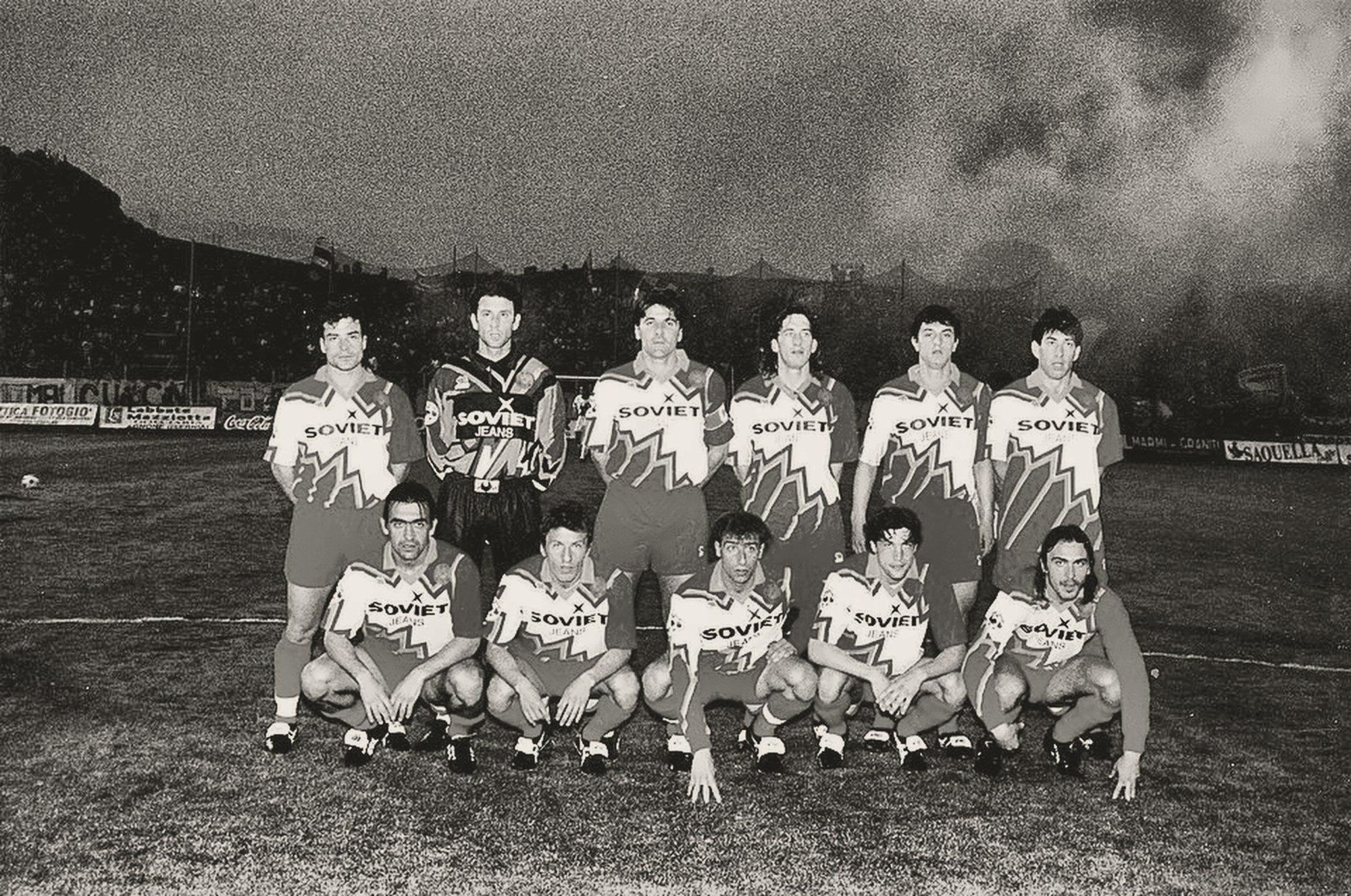
Castel di Sangro, 1996: The Smallest Town in Serie B
Roughly the population of Castel di Sangro when its football club reached Serie B in 1996. No smaller municipality has ever played in the second division of Italian football.
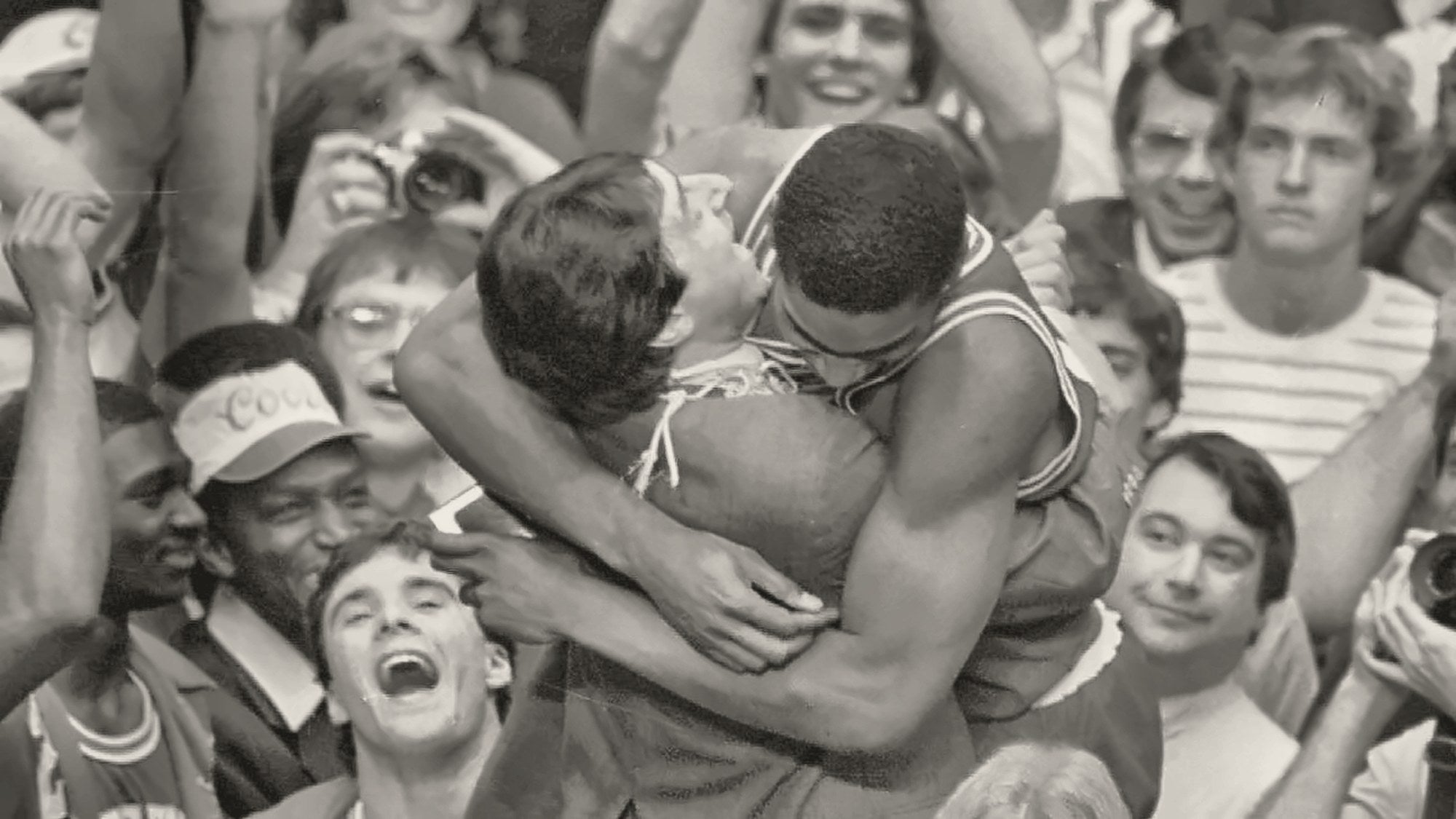
NC State 1983: The Shot That Fell Short
The final score in Albuquerque on 4 April 1983. North Carolina State beat Houston, the top ranked team in the country, with a shot that missed.
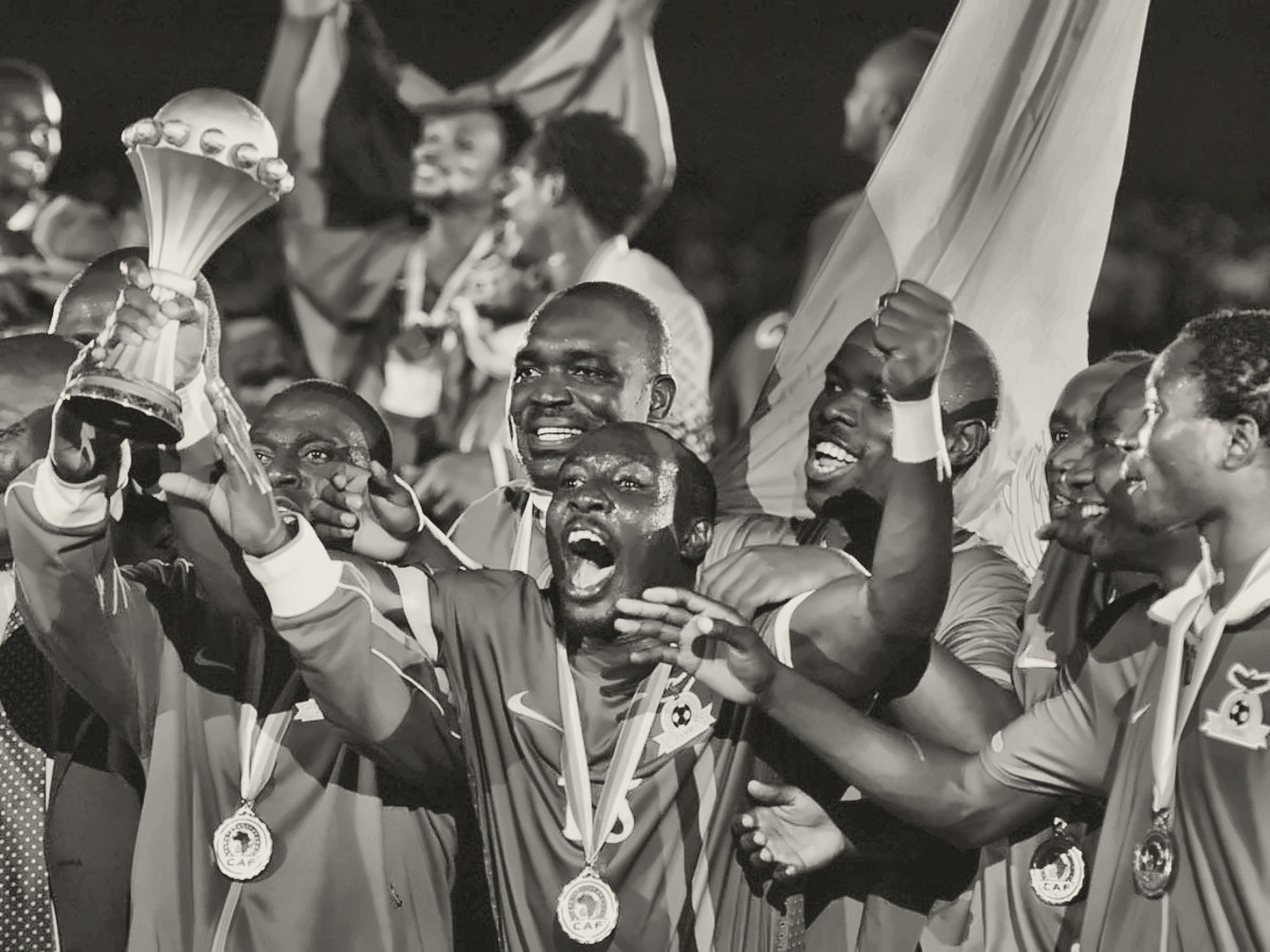
Zambia, 1993 to 1994: The Team Rebuilt
The number of people killed when the aircraft carrying the Zambia national football team came down off Libreville on 27 April 1993. Twenty five passengers and five crew.
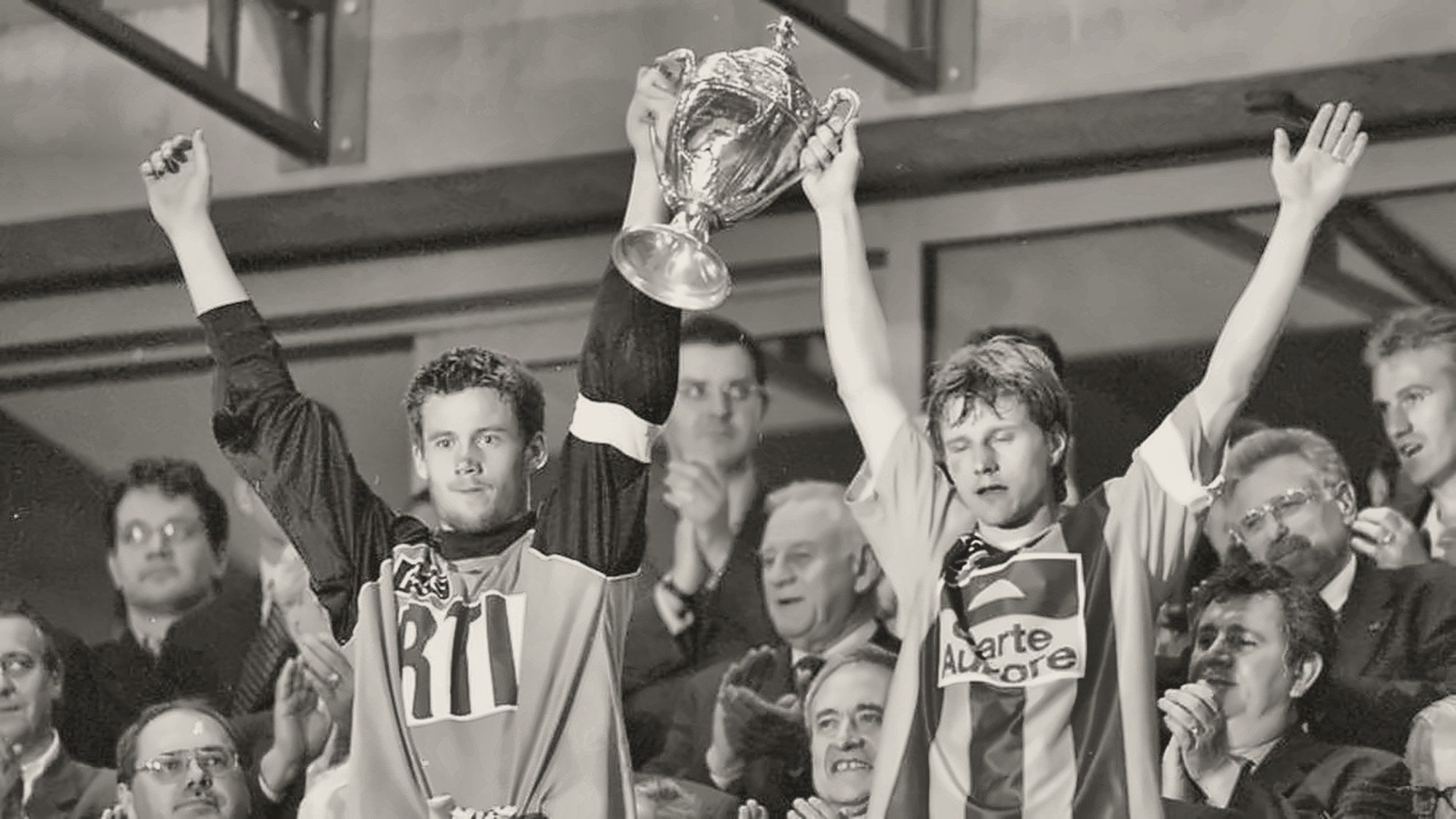
Calais RUFC, 2000: Amateurs in the Coupe de France Final
The attendance at the Stade de France on 7 May 2000, for a cup final in which one of the two sides was an amateur club from the fourth division.
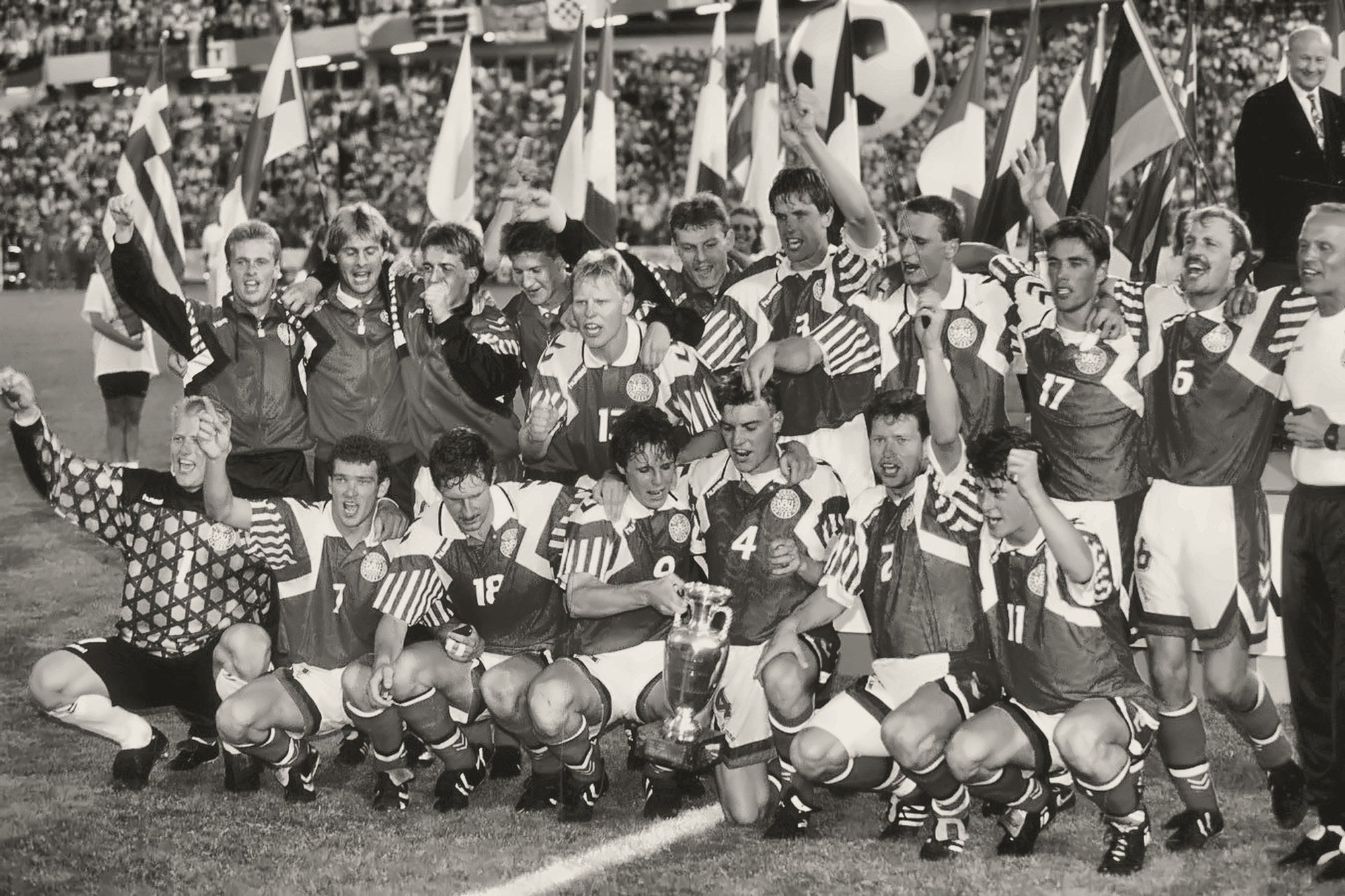
Denmark 1992: Called Up Ten Days Before
The score in the final of the 1992 European Championship, in Gothenburg on 26 June, between Denmark and Germany. Denmark had not qualified for the tournament.
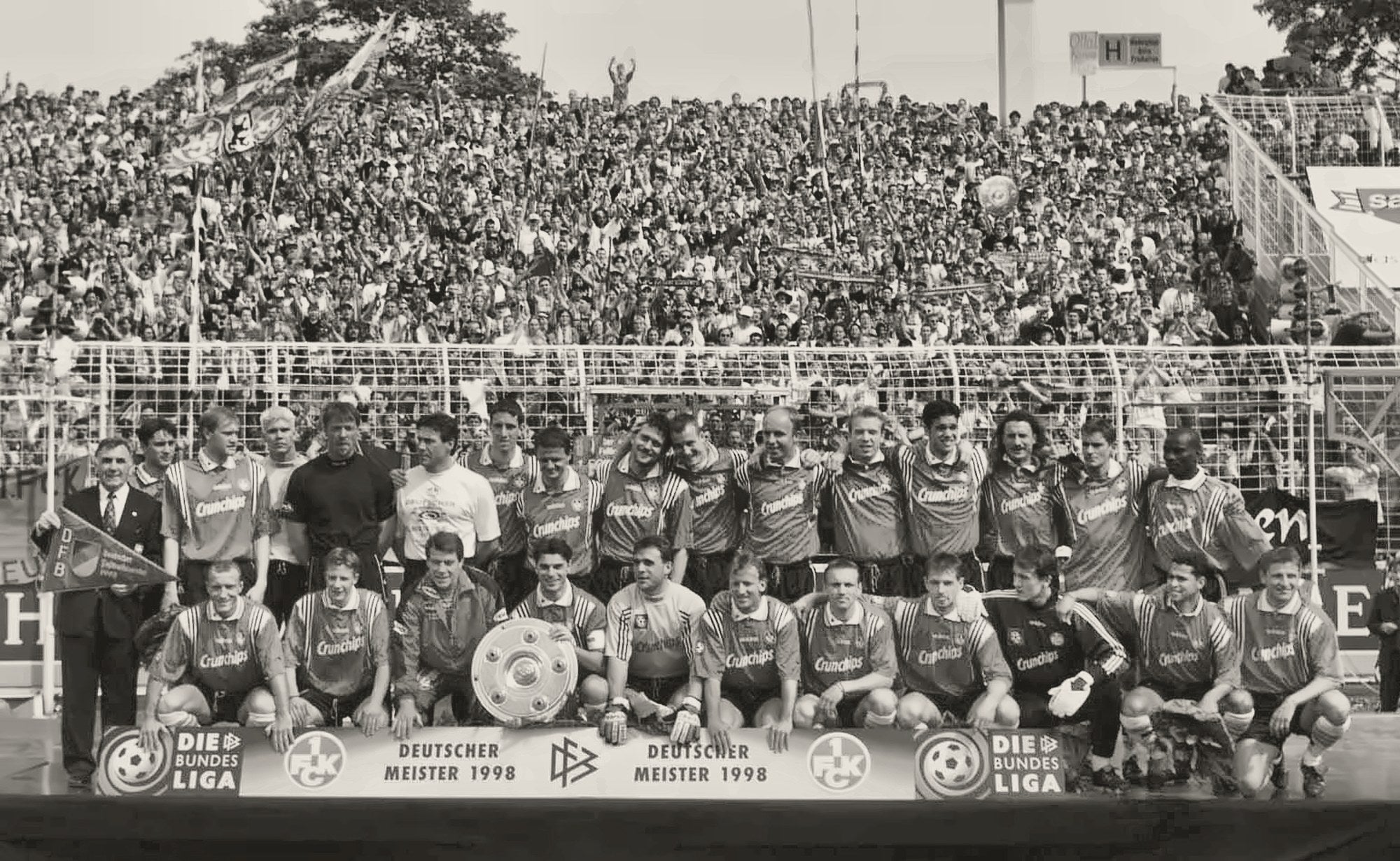
Kaiserslautern 1998: Promoted, Then Champions of Germany
The number of times a newly promoted club has won the Bundesliga. It was Kaiserslautern, in 1998, and it has not happened again.
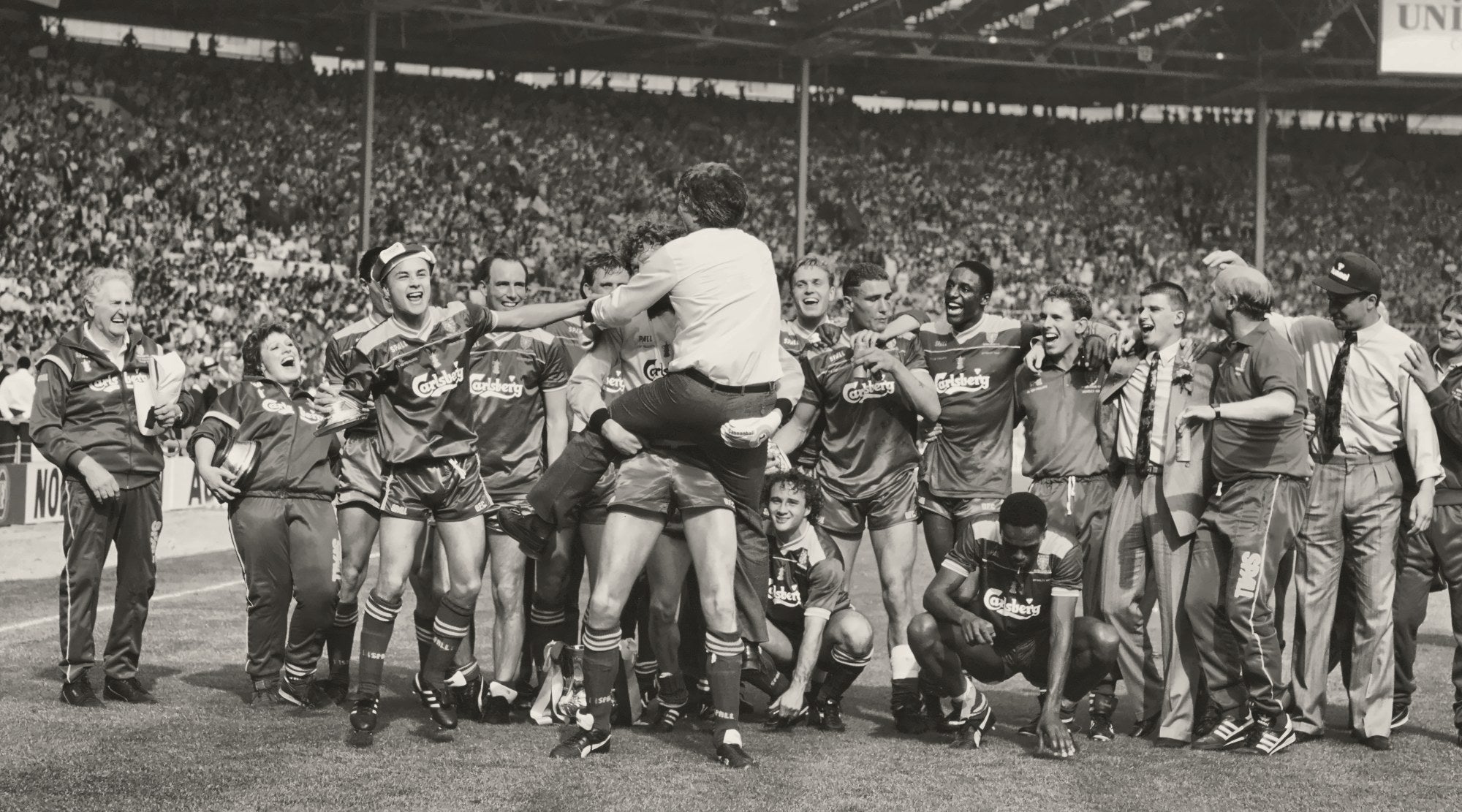
Wimbledon 1988: The Crazy Gang Beat Liverpool at Wembley
The score at Wembley on 14 May 1988, between the champions of England and a club that had been playing non league football eleven years earlier.
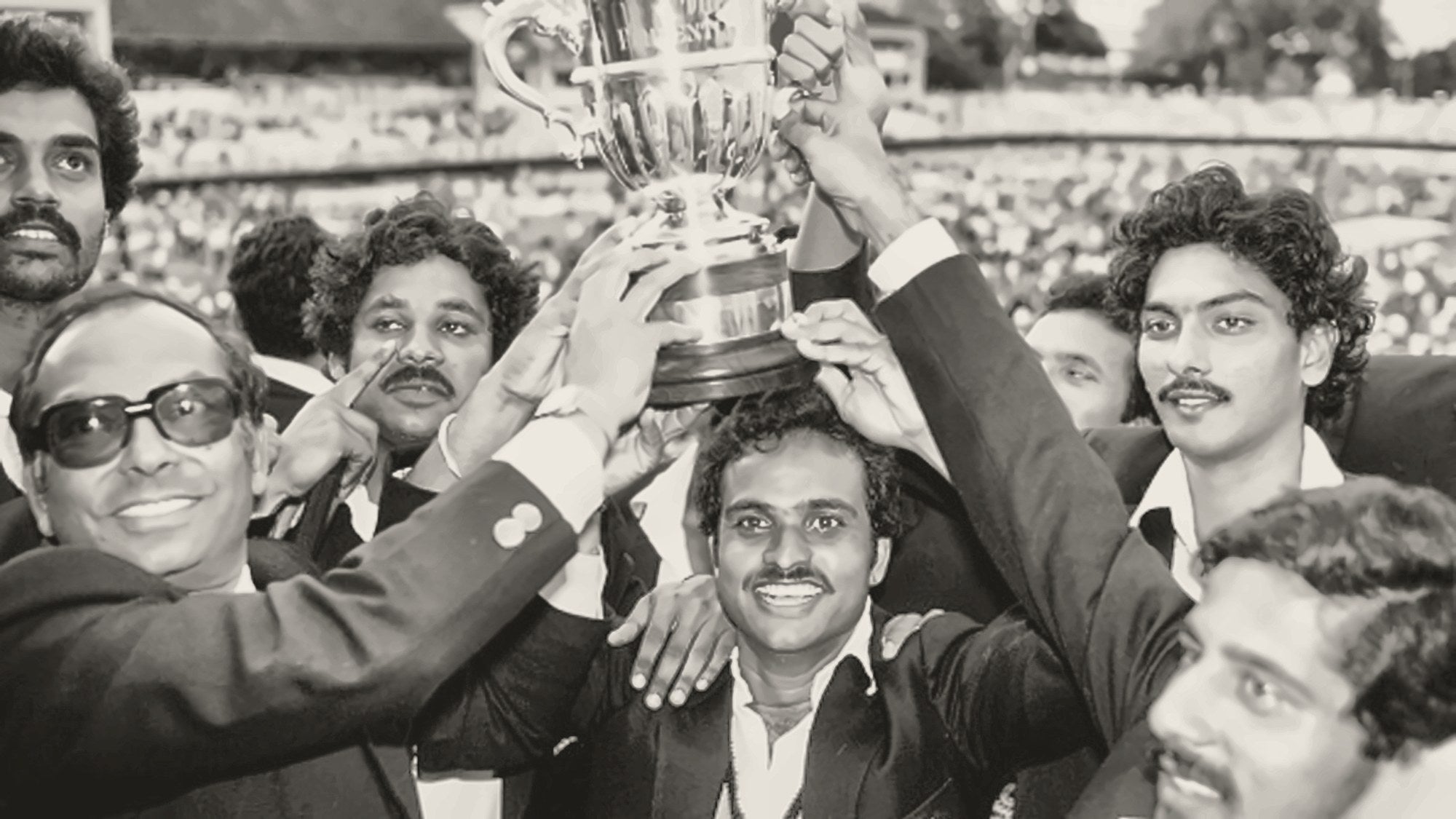
India 1983: The World Cup Won With 183 Runs
India's total in the 1983 World Cup final at Lord's, and the smallest total ever defended in a World Cup final.
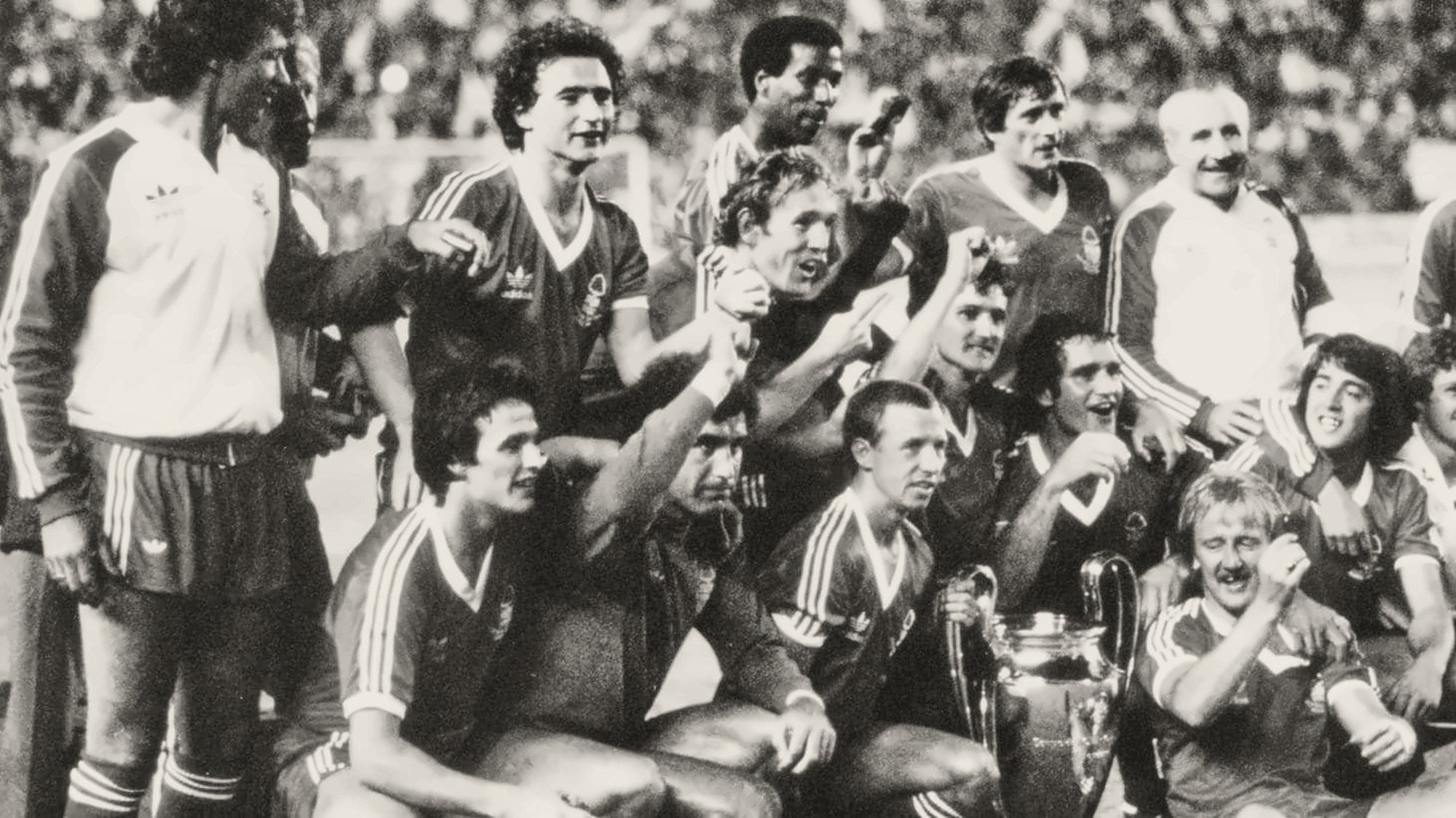
Nottingham Forest: From the Second Division to Two European Cups
European Cups, won in consecutive seasons, by a club that had been in the English second division three years before the first of them.
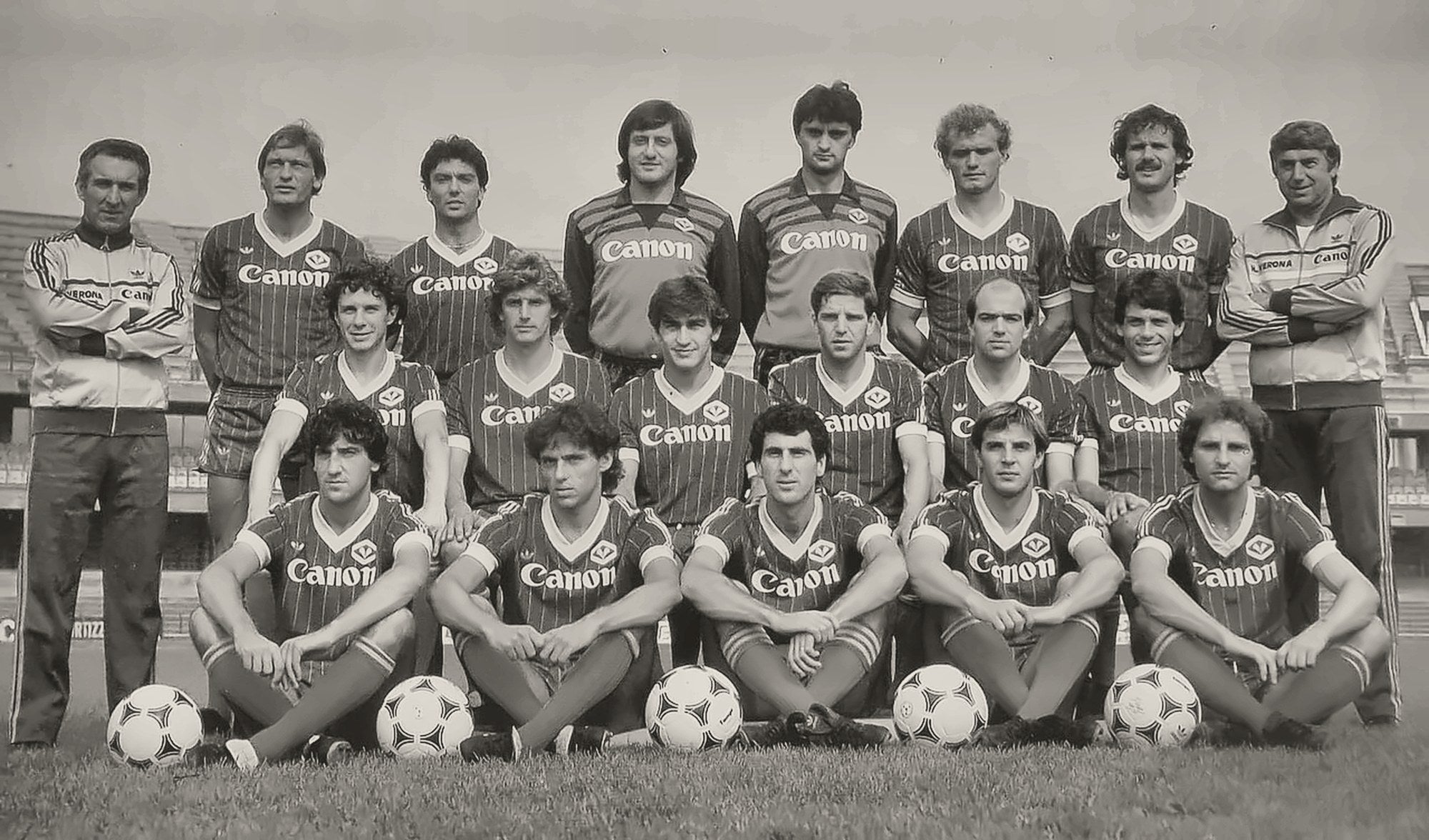
Hellas Verona, 1985: A Scudetto Won With Seventeen Players
The number of players Hellas Verona used across the entire 1984-85 league season, at the end of which they were champions of Italy.
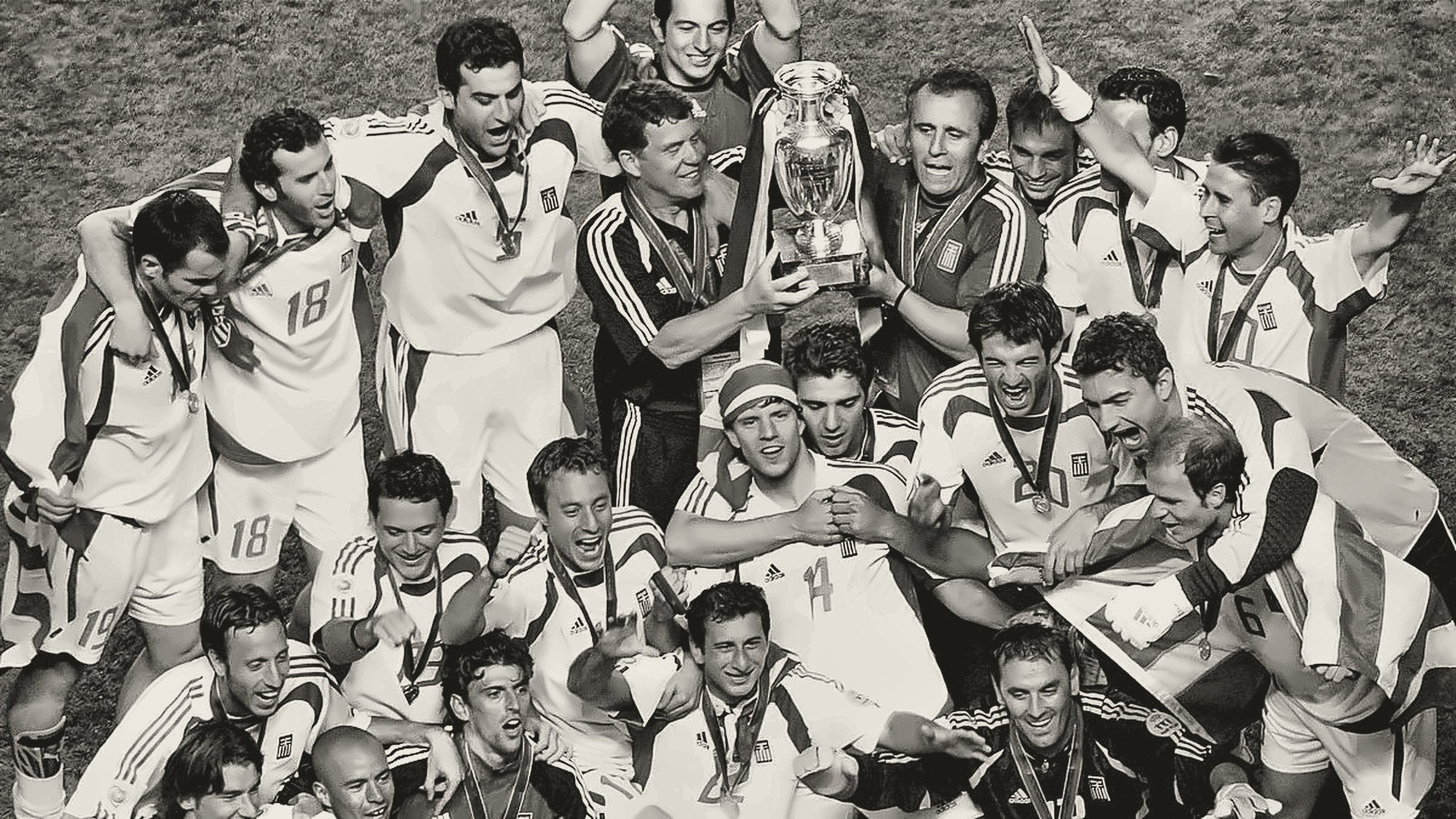
Greece 2004: They Beat the Hosts Twice
The price on Greece before the 2004 European Championship began.
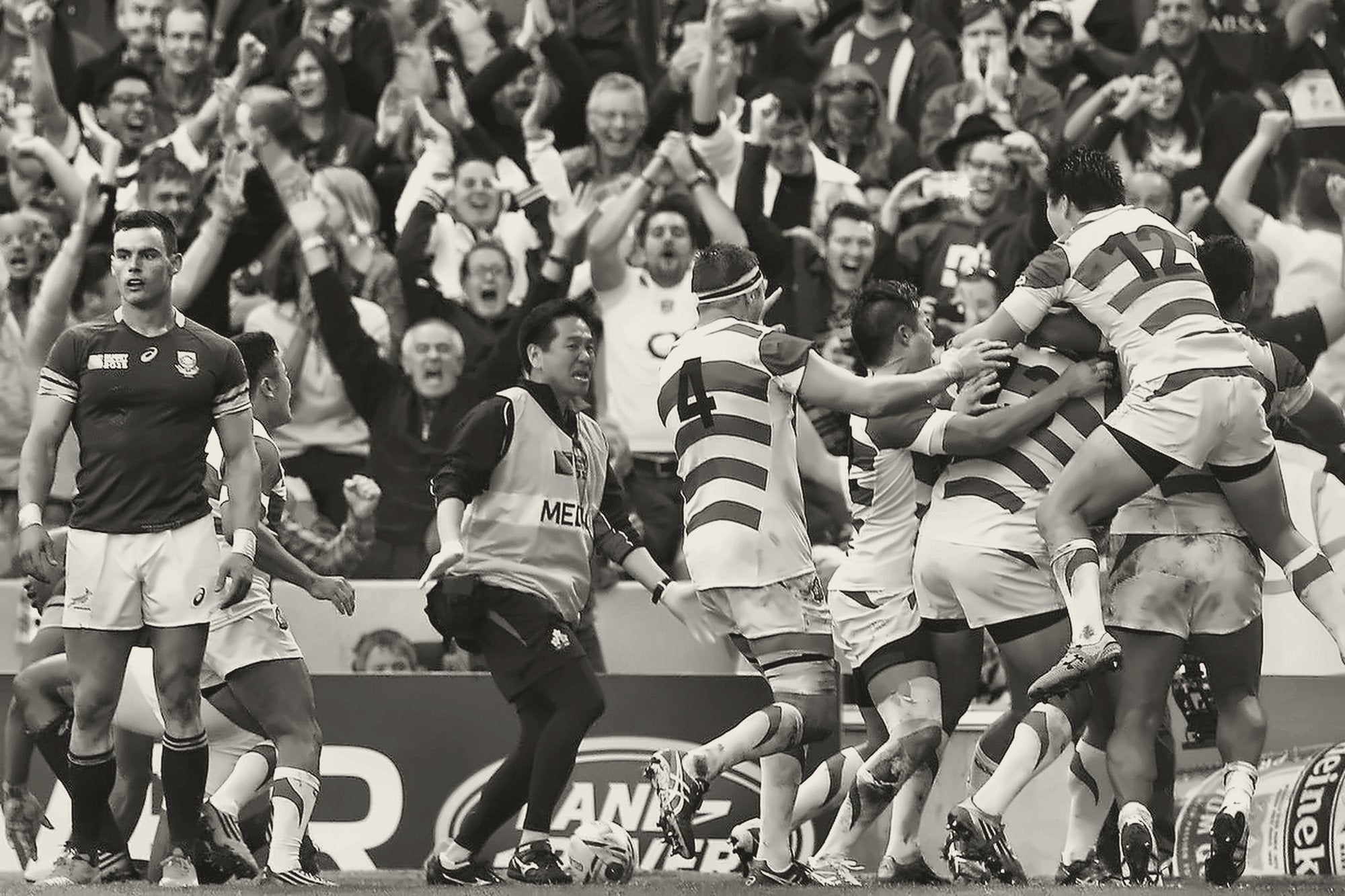
Japan 2015: The Kick They Did Not Take
The score at the Brighton Community Stadium on 19 September 2015, in the pool stage of the Rugby World Cup.
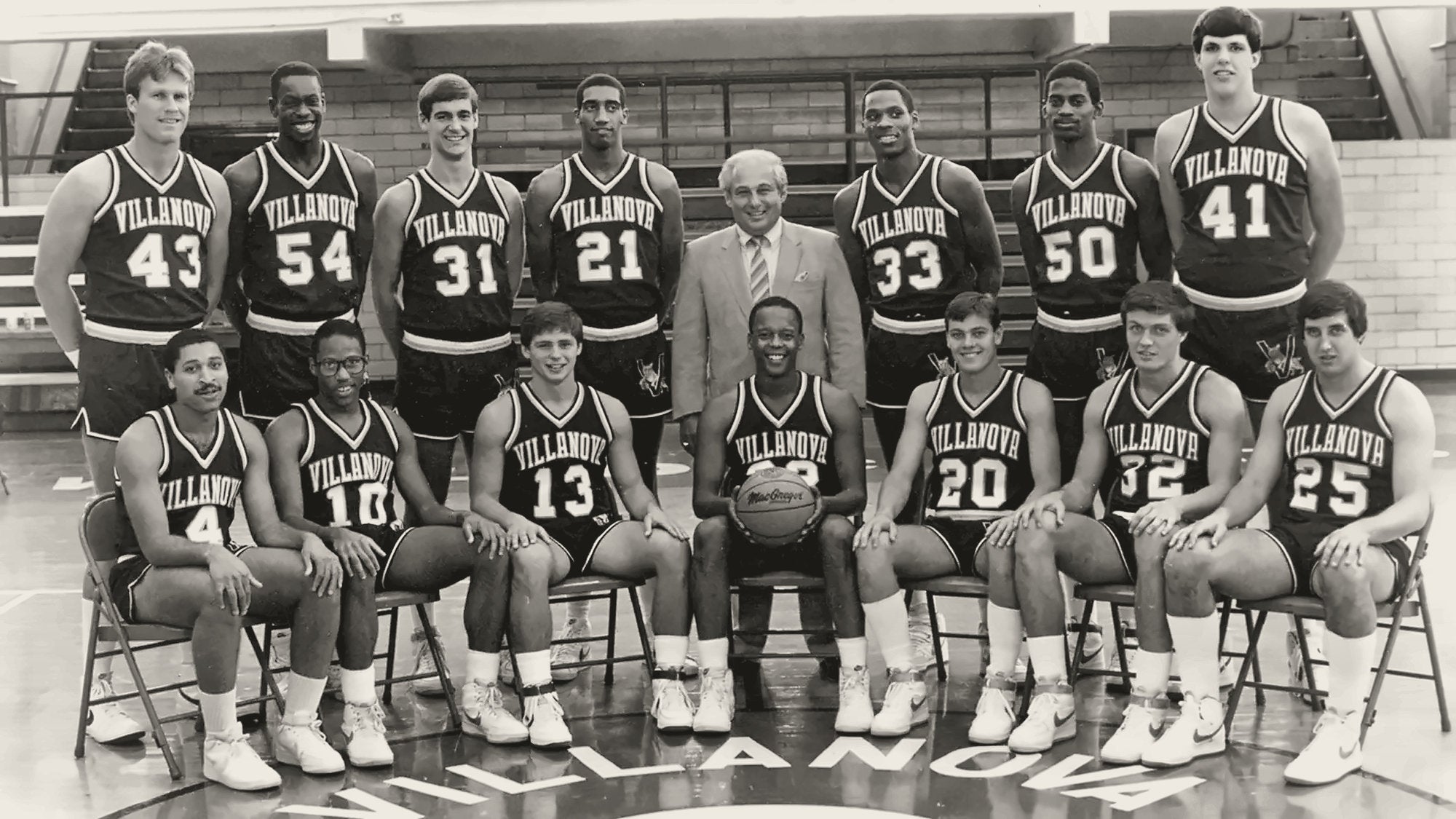
Villanova 1985: The Perfect Game
The percentage Villanova shot from the field in the 1985 national championship game. It is the highest figure recorded in a Final Four.
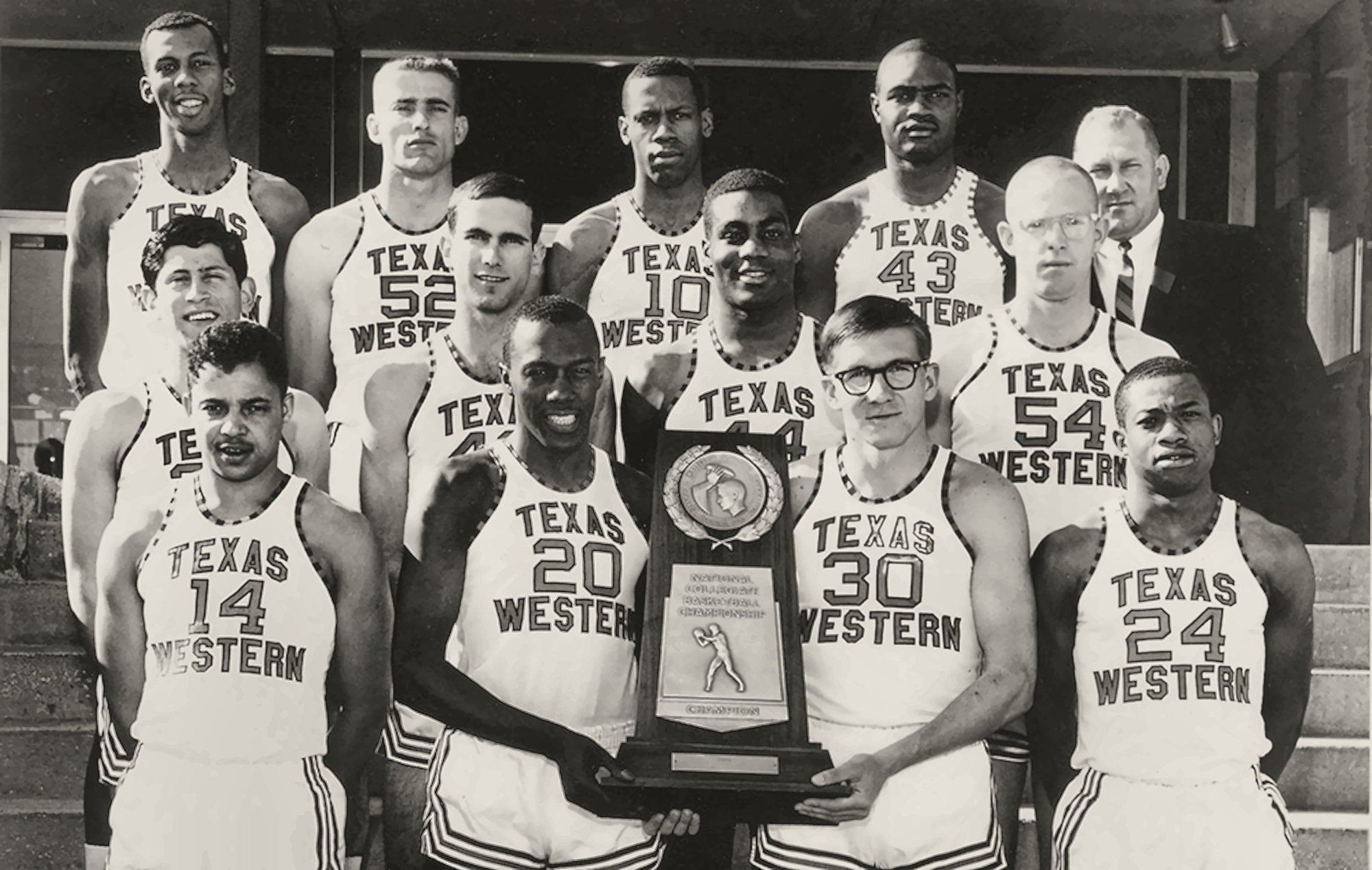
Texas Western 1966: He Played His Best Players
The number of black players Texas Western put on the floor at the start of the 1966 national final. No team had started five in a title game before.
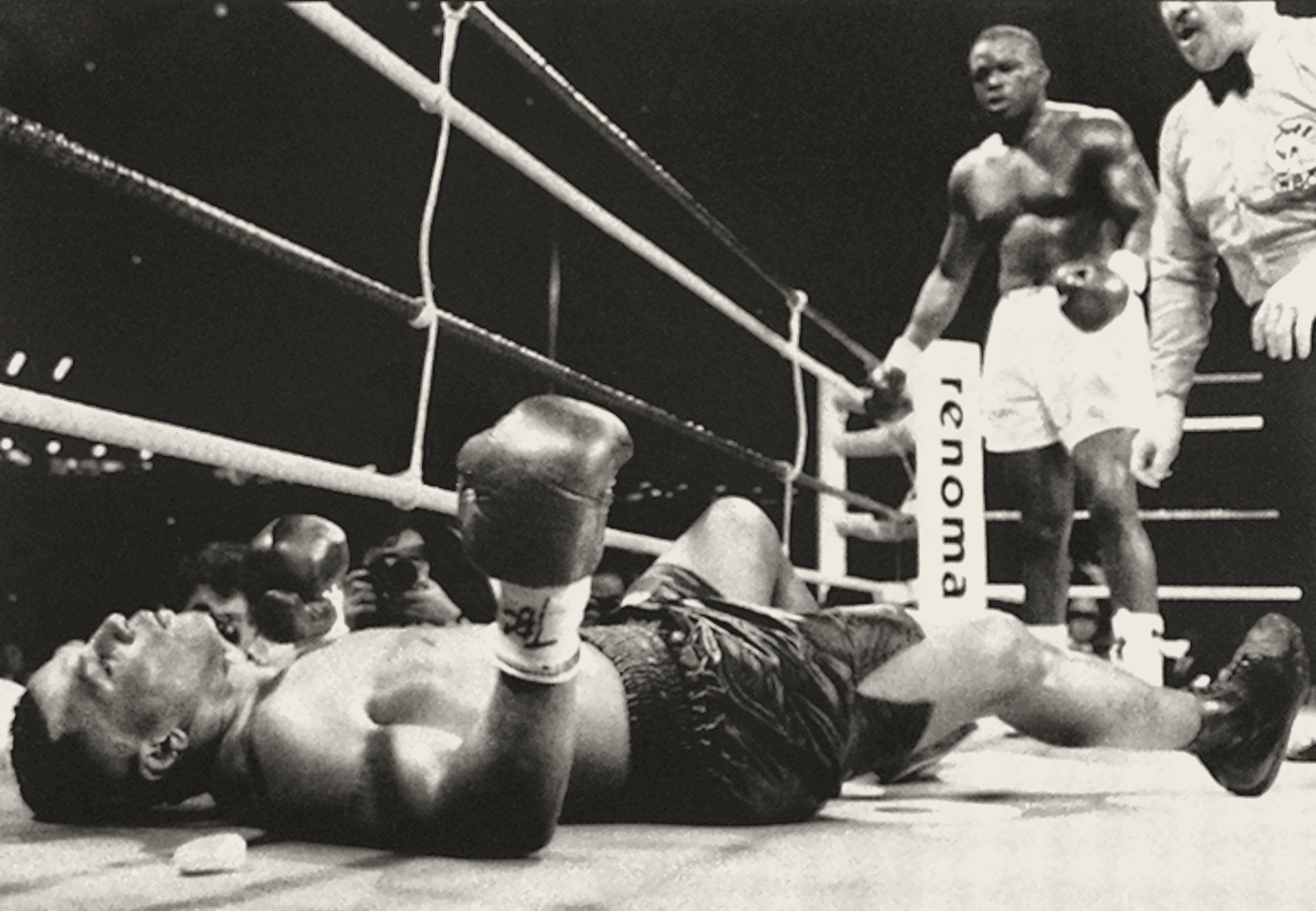
Buster Douglas 1990: Forty Two to One in Tokyo
The price on James Buster Douglas at the Mirage, the only casino in Las Vegas that would take bets on the fight. The others did not consider it a contest.
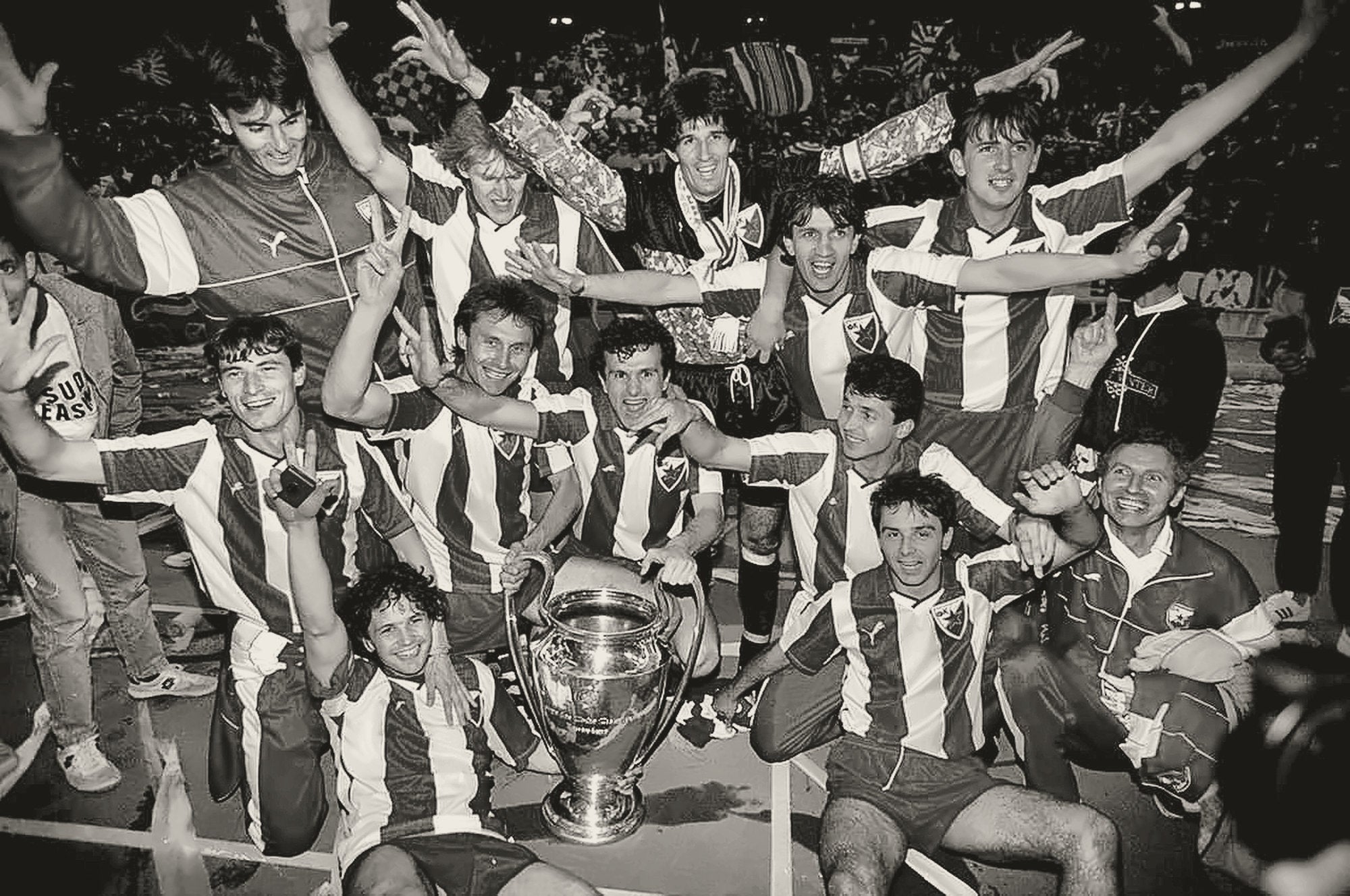
Red Star 1991: The Country Did Not Last
The penalty shoot-out in Bari on 29 May 1991, after a final that finished goalless.
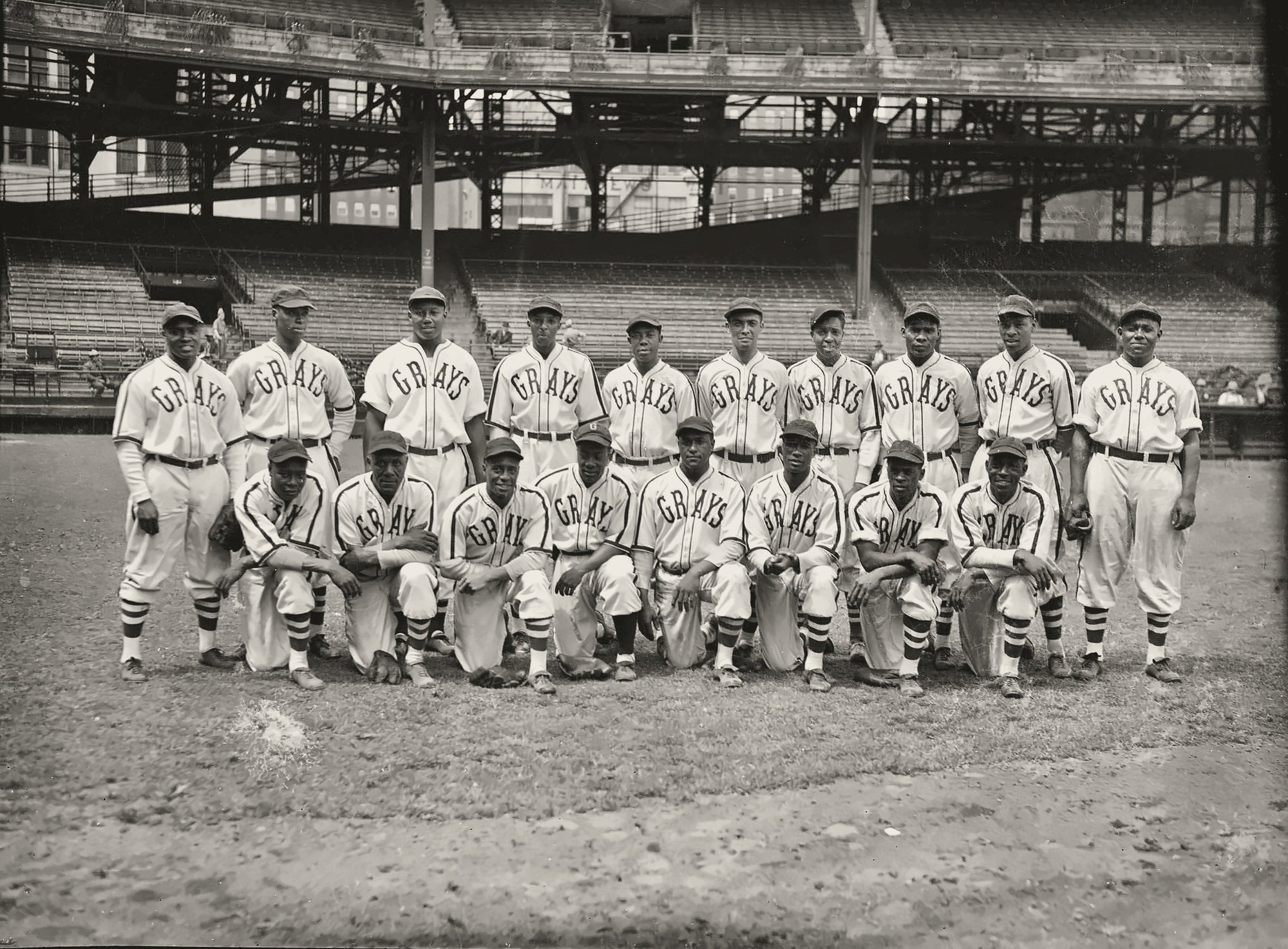
Homestead Grays: The Best Team in a Lost League
Consecutive Negro National League pennants, 1937 to 1945, plus the Negro World Series in 1943 and 1944.
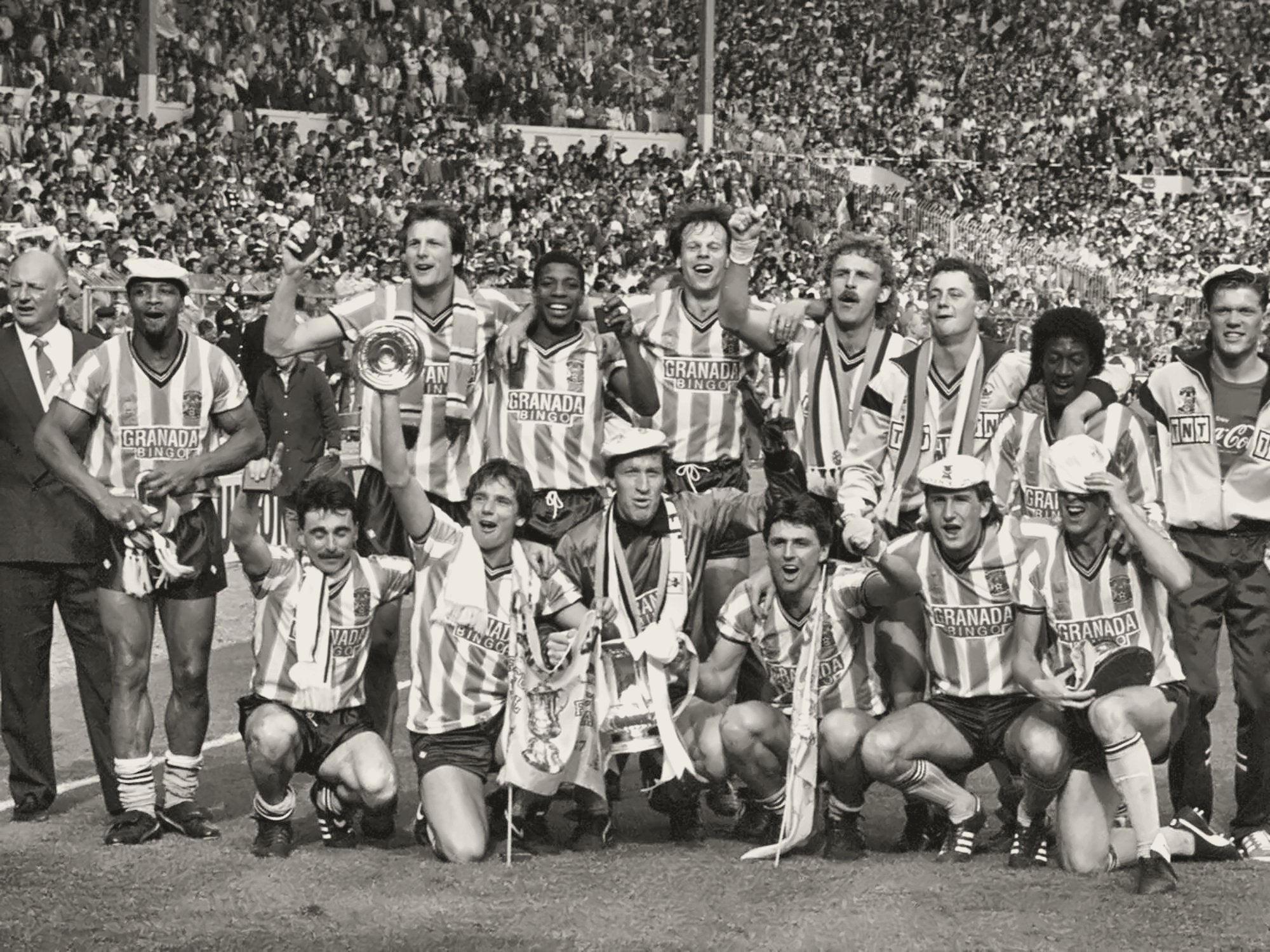
Coventry City 1987: Their Only Major Trophy
Wembley, 16 May 1987, after extra time.
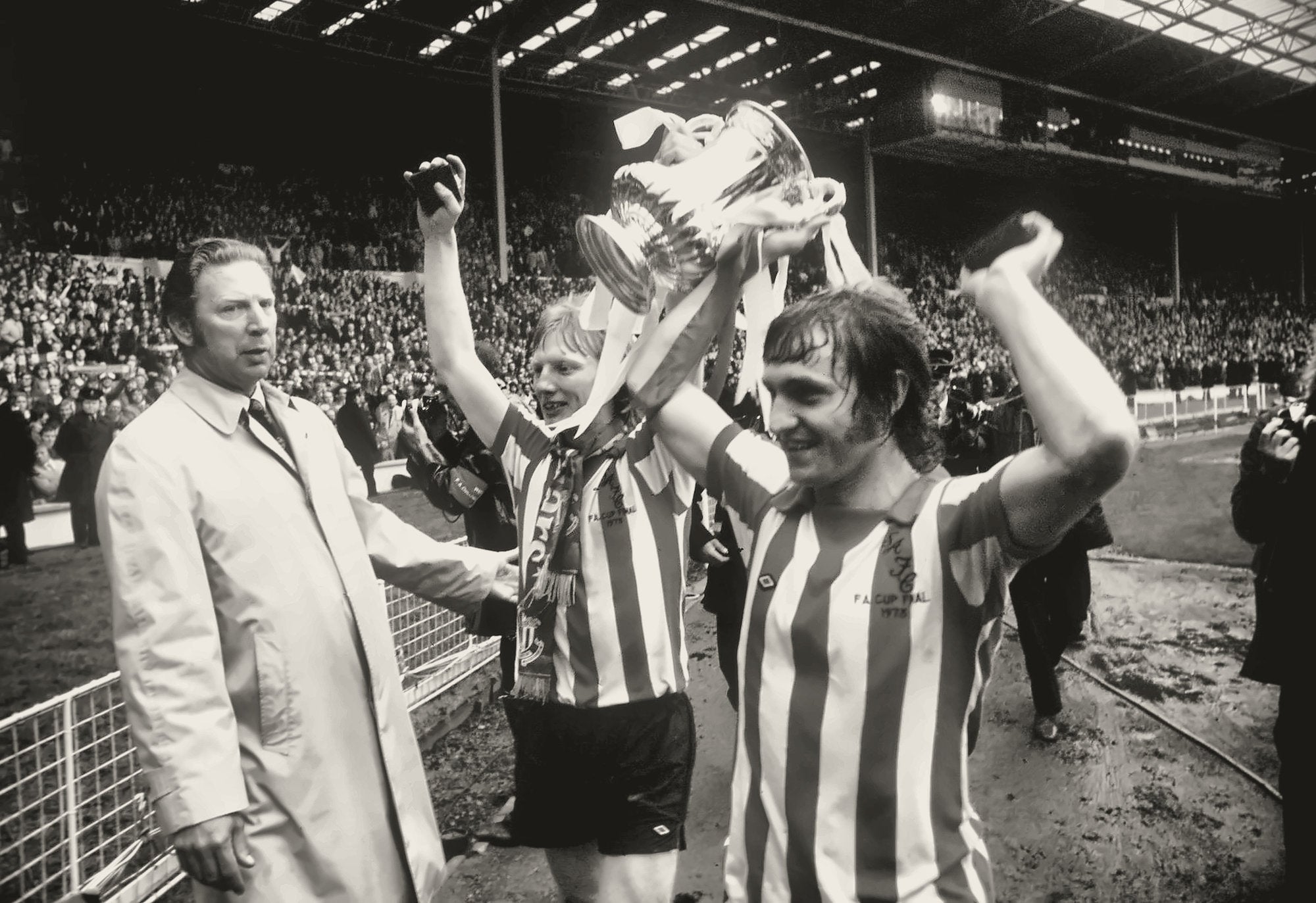
Sunderland 1973: A Second Division Cup
Wembley, 5 May 1973.
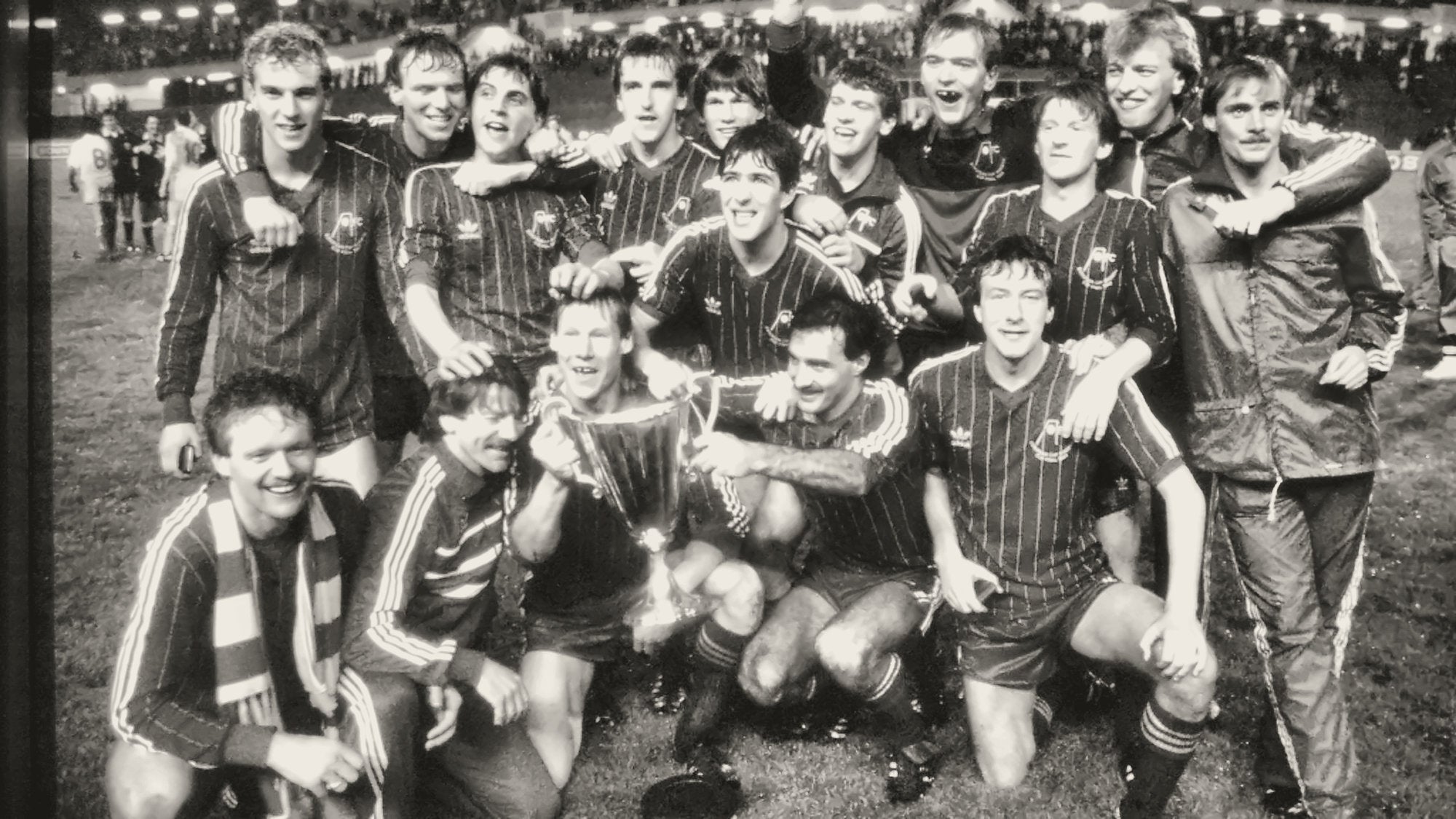
Aberdeen 1983: The Last Time Madrid Lost
The minute of John Hewitt's header at the Nya Ullevi in Gothenburg, 11 May 1983.
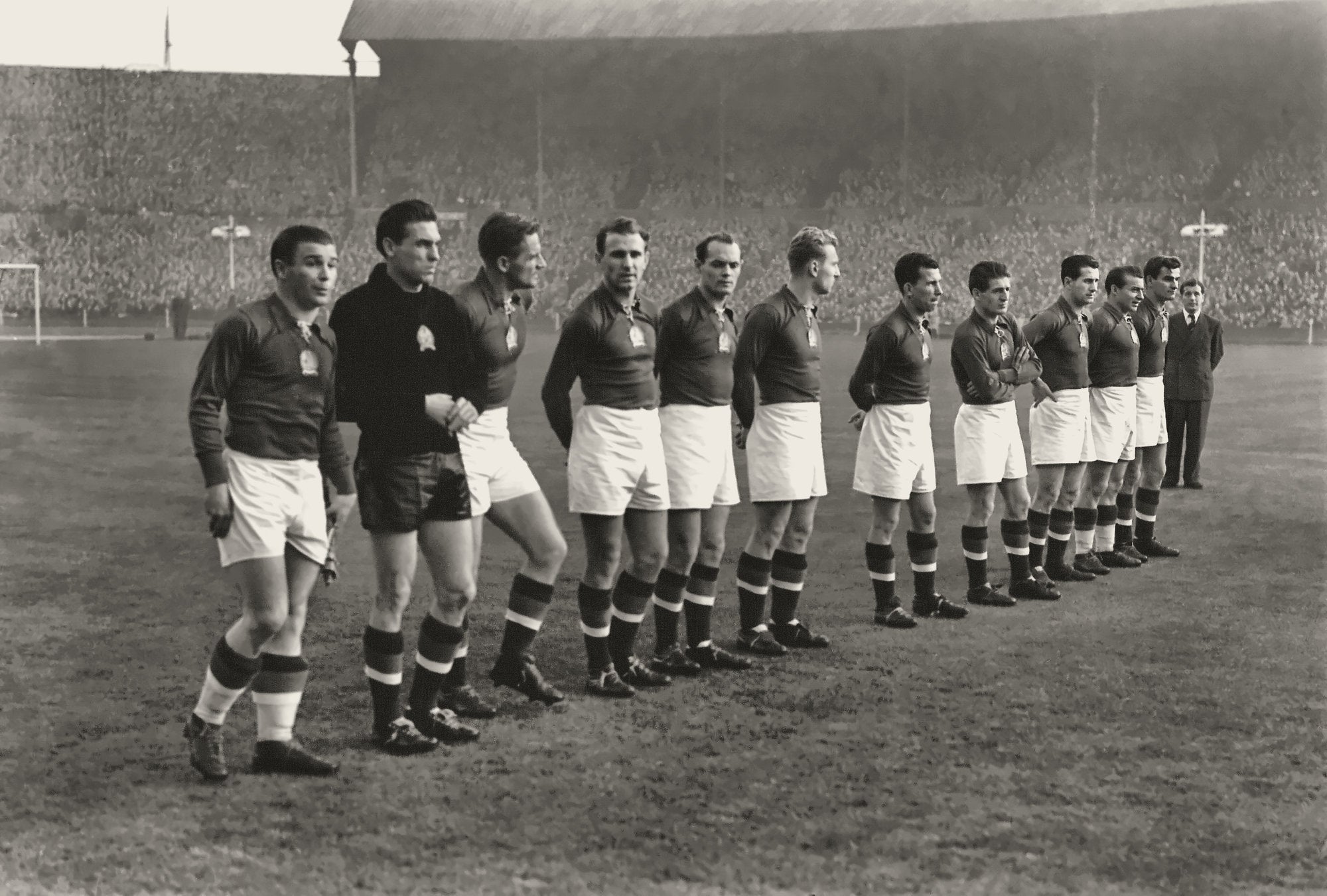
Hungary 1953: The Match of the Century
Wembley, 25 November 1953. The scoreline is the whole title of the match in England: people say six three and everyone knows.
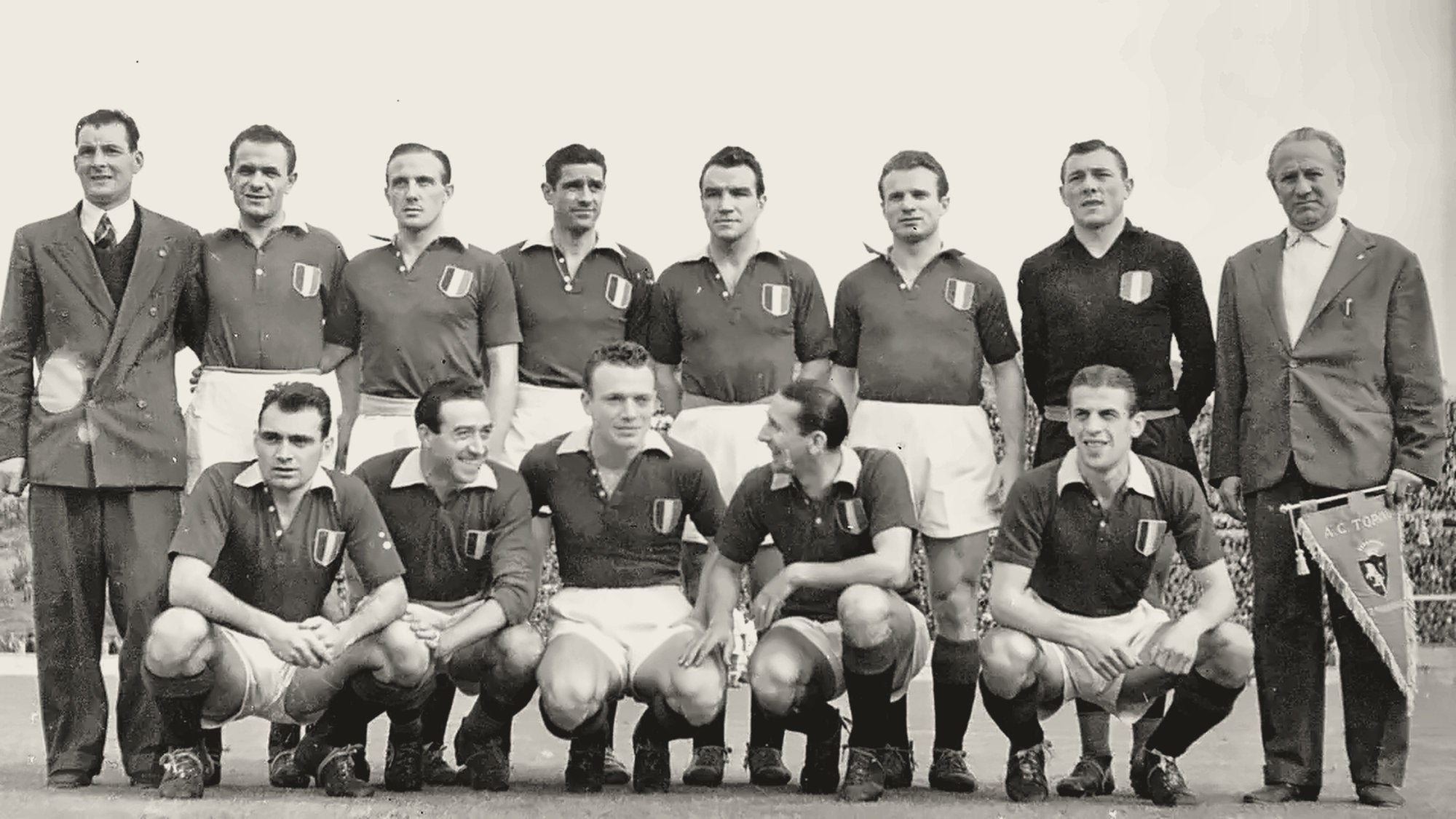
Grande Torino: The Hill Above Turin
Consecutive Italian championships, 1942-43 to 1948-49. No Italian club had done it before.
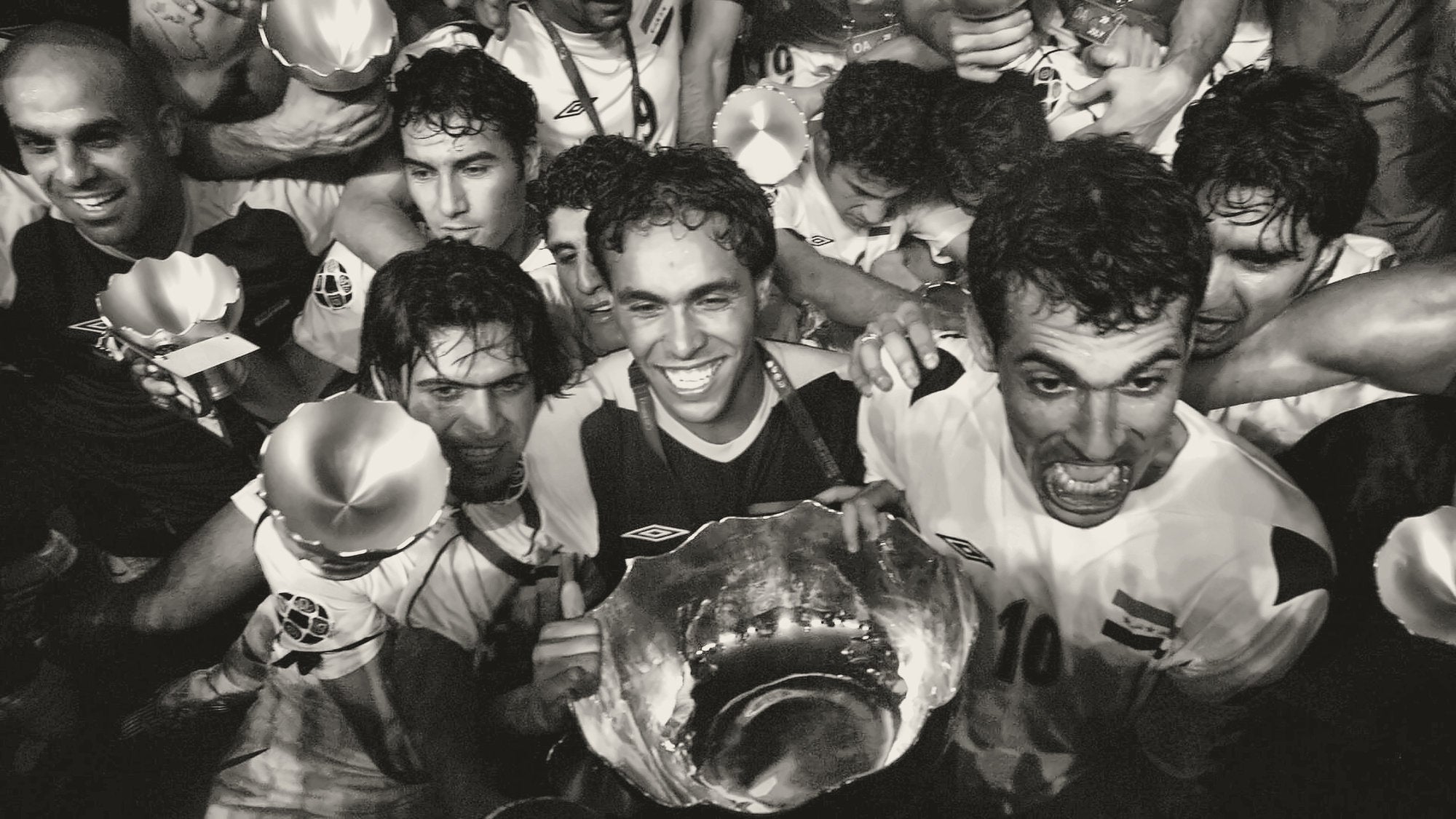
Iraq 2007: A Team With No Home Ground
Gelora Bung Karno stadium, Jakarta, 29 July 2007. Sixty thousand people, none of them at home.
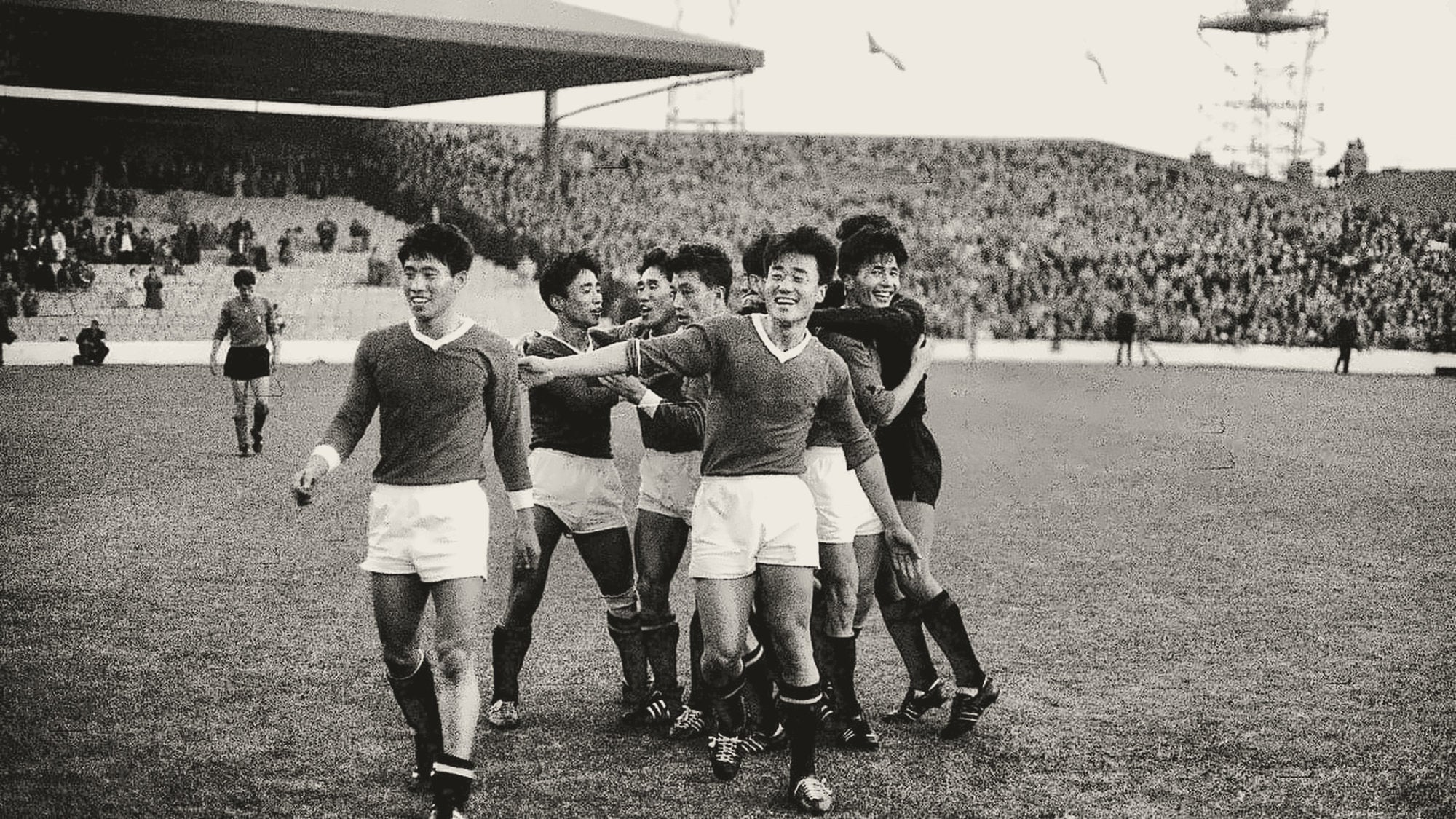
North Korea 1966: They Knocked Out Italy
Ayresome Park, Middlesbrough, 19 July 1966.
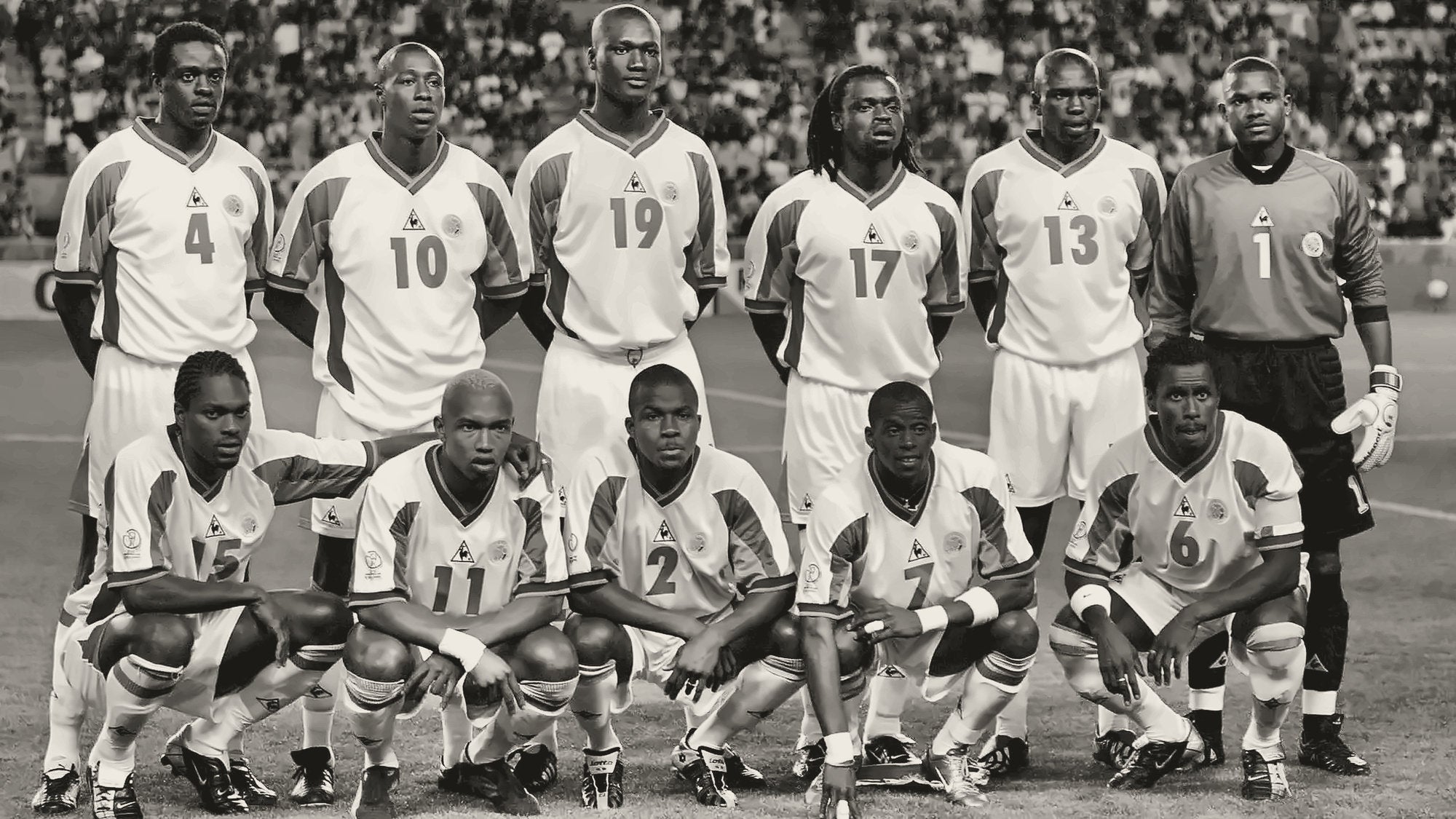
Senegal 2002: They Beat the Holders
Seoul, 31 May 2002, the opening match of the tournament.
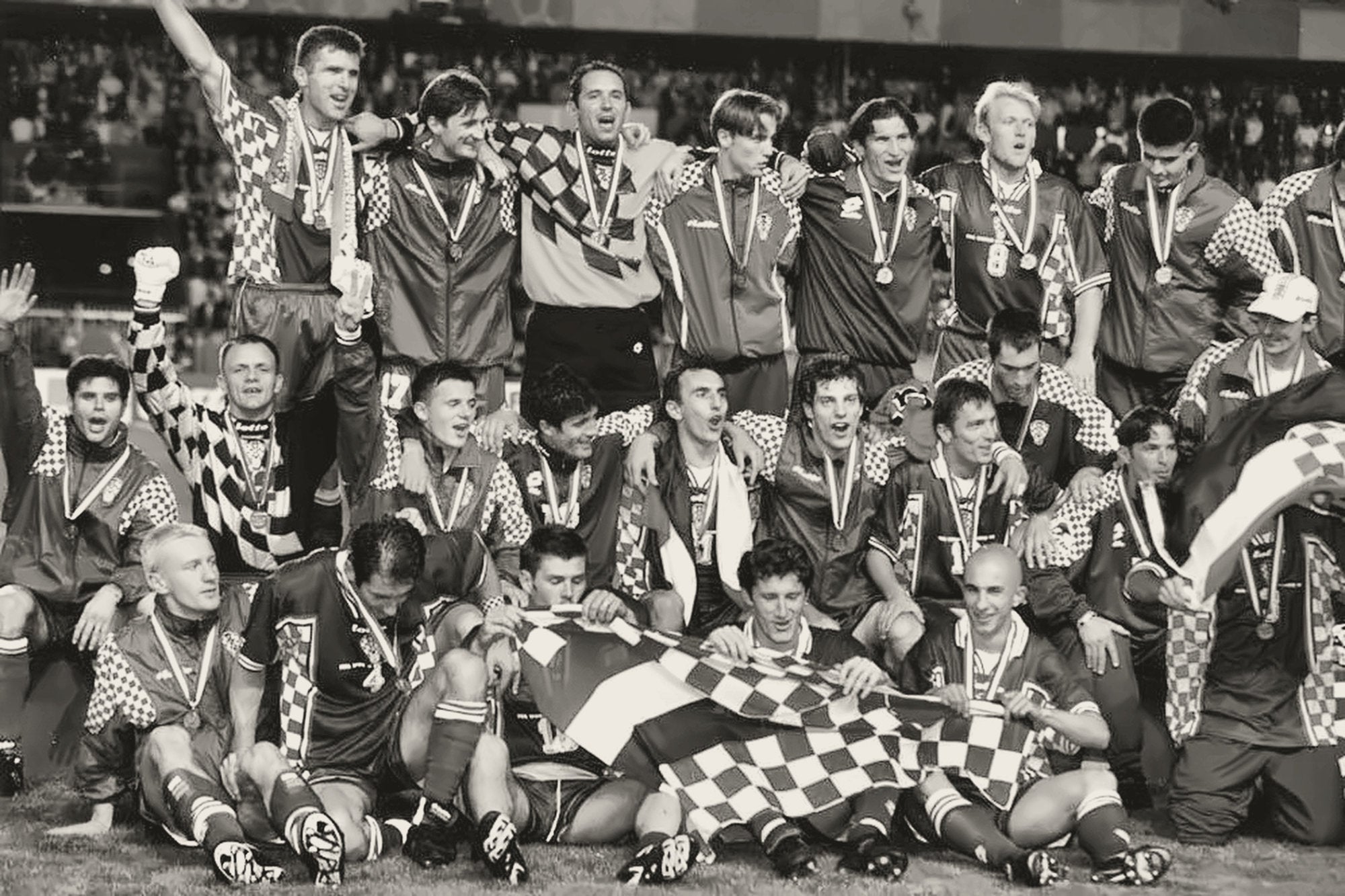
Croatia 1998: A Country Seven Years Old
At the first World Cup Croatia ever entered, in France in 1998.
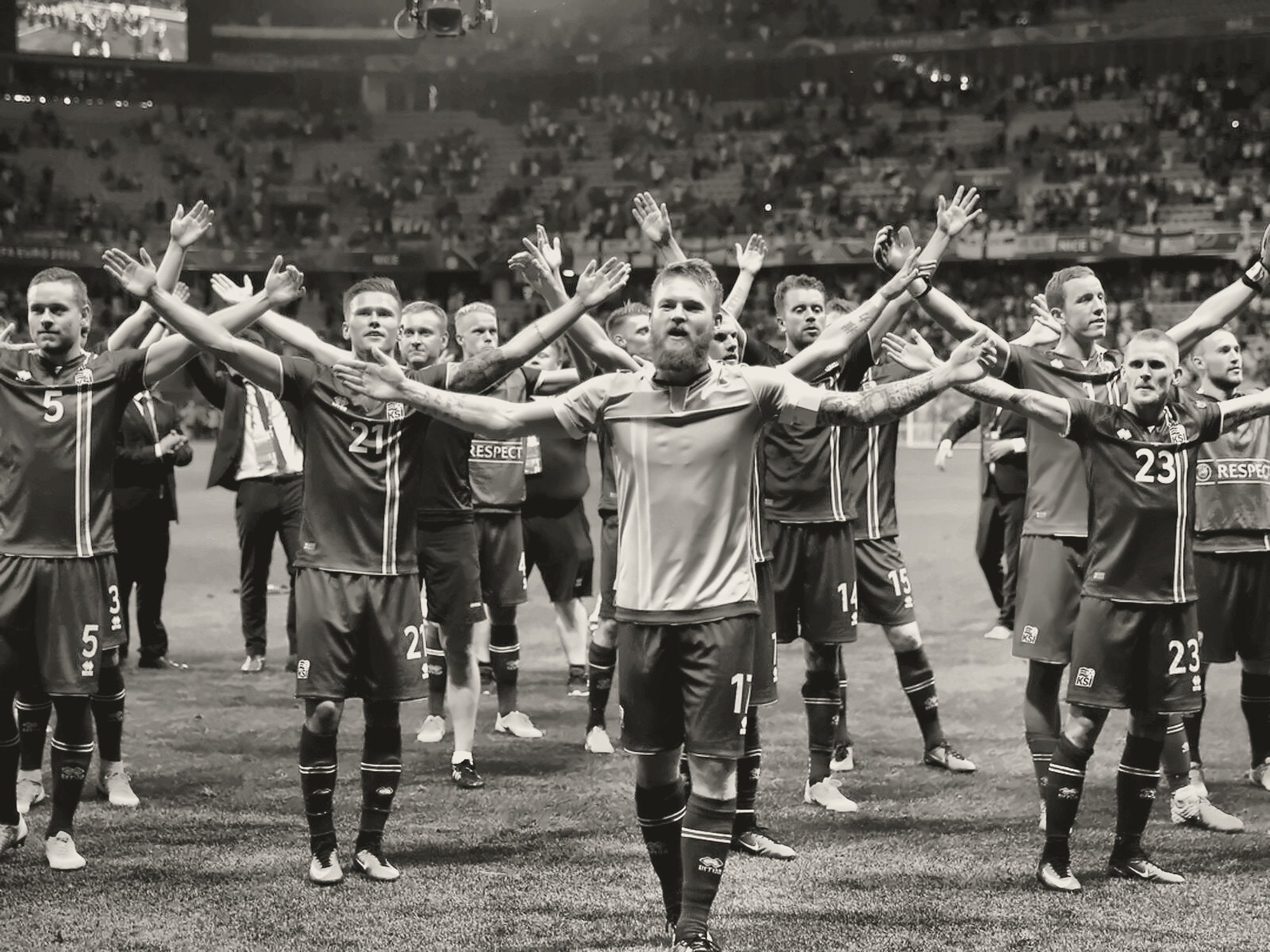
Iceland 2016: The Smallest Nation There
Stade de Nice, 27 June 2016, round of sixteen.
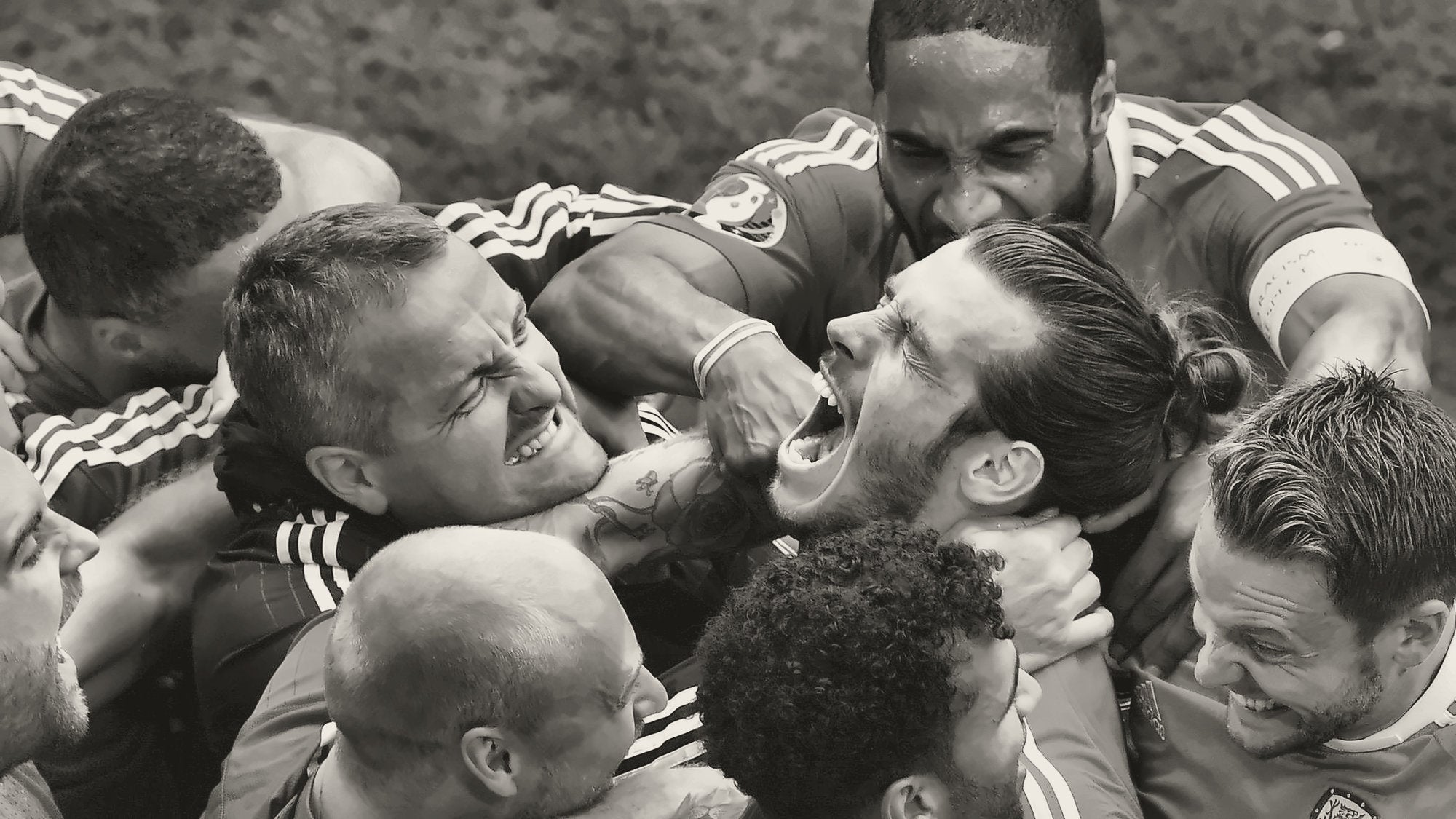
Wales 2016: The Longest Wait Ended
Between the World Cup of 1958, where Wales reached the quarter-final, and the European Championship of 2016.
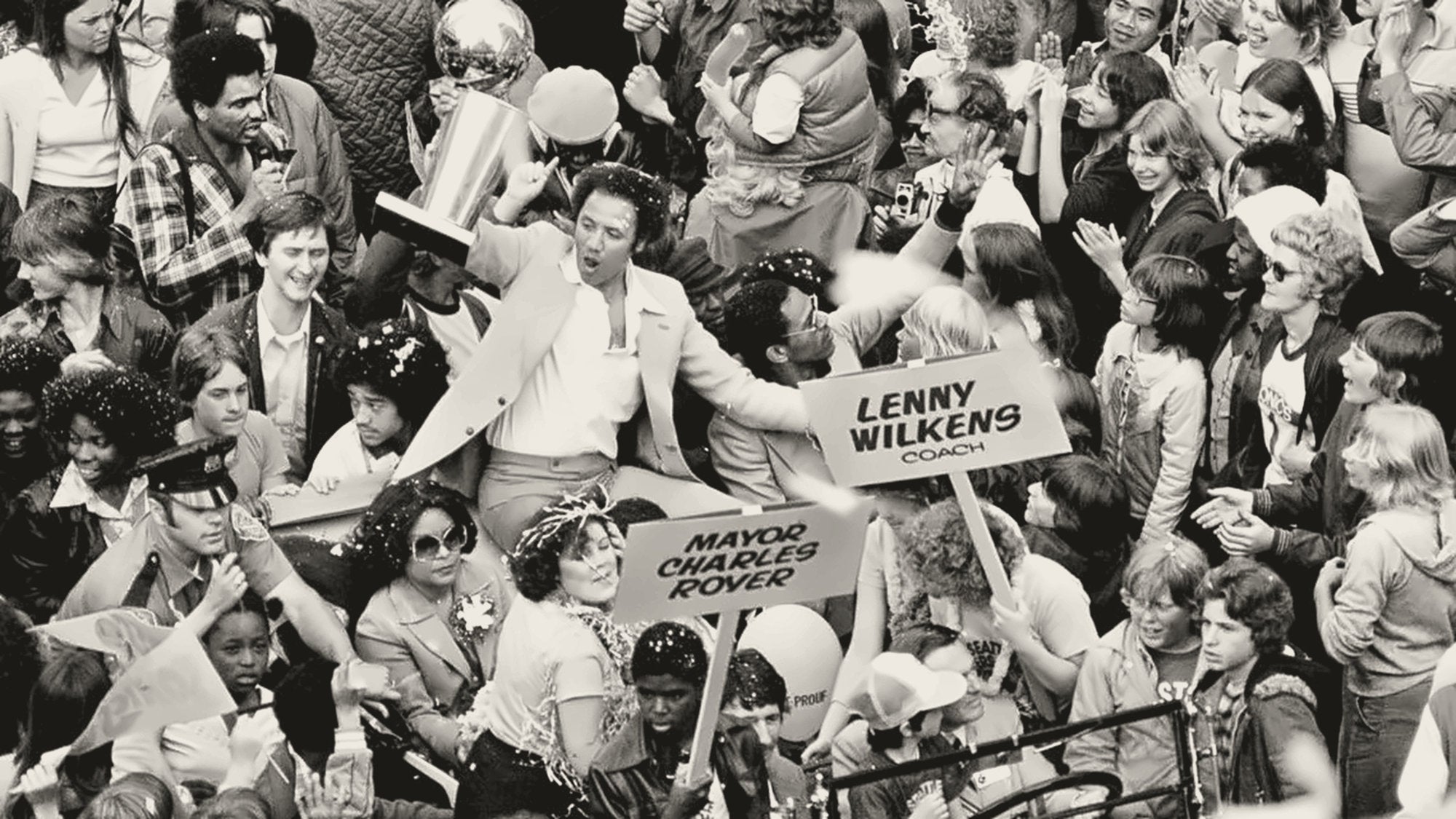
Seattle SuperSonics: The City Still Has No Team
Championship, in 1979, in forty one seasons.
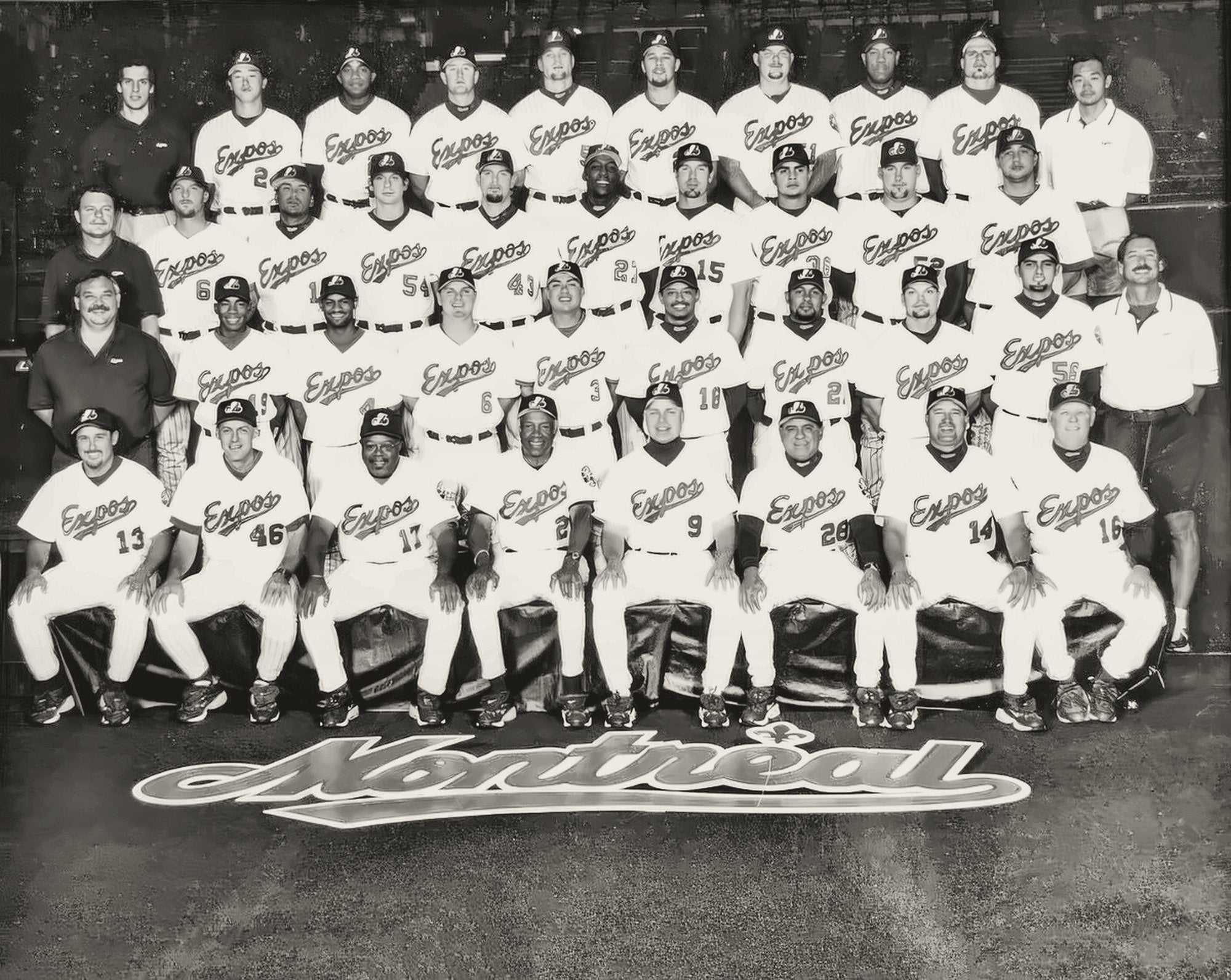
Montreal Expos: The Best Record in Baseball
The record on 12 August 1994, the last day baseball was played that year.
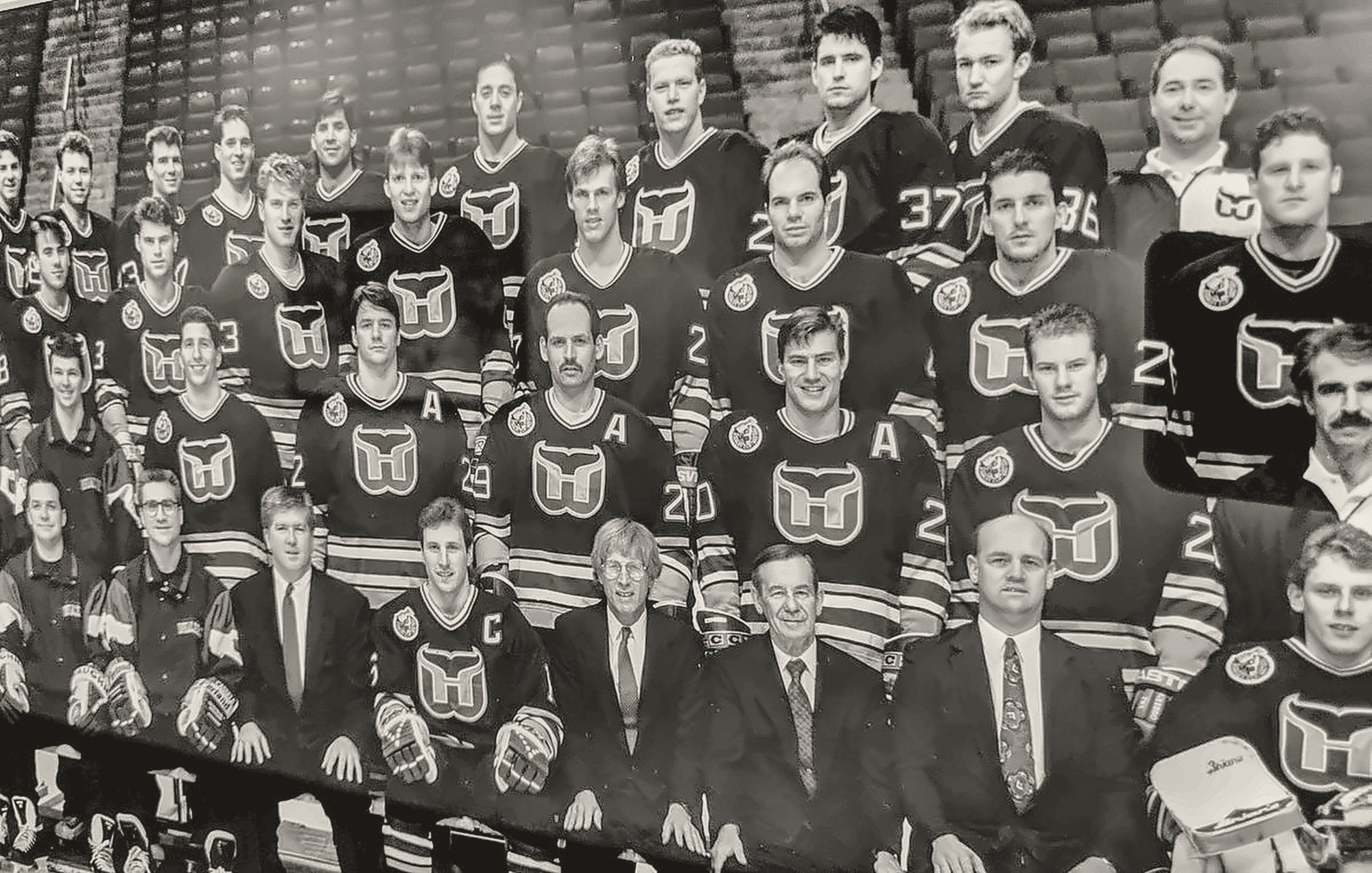
Hartford Whalers: The Song Outlived the Team
Playoff series won, in the whole history of the club: April 1986, against Quebec, in three games.
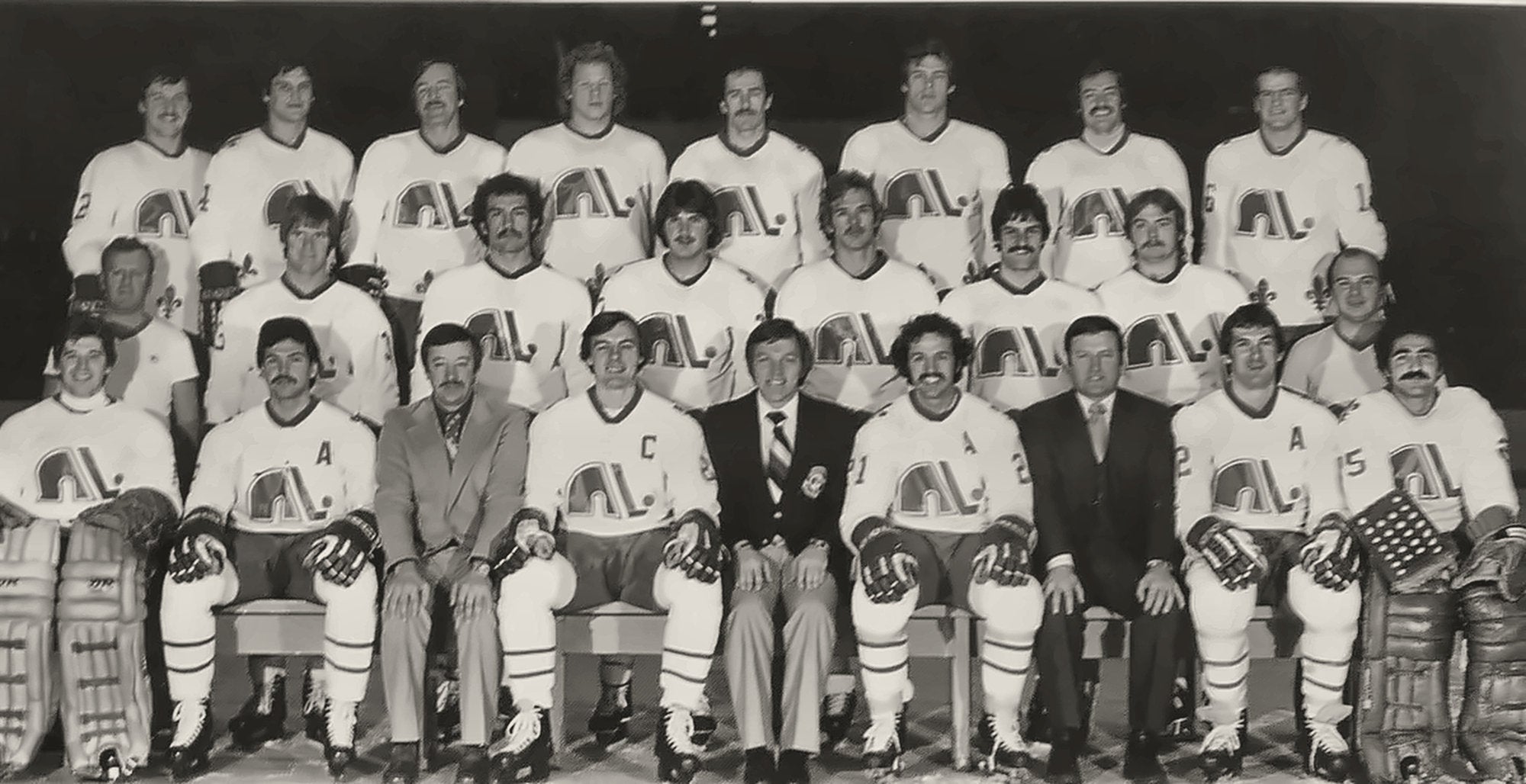
Quebec Nordiques: They Won It the Year After
Seasons in Quebec City, from 1972 to 1995, without a championship.
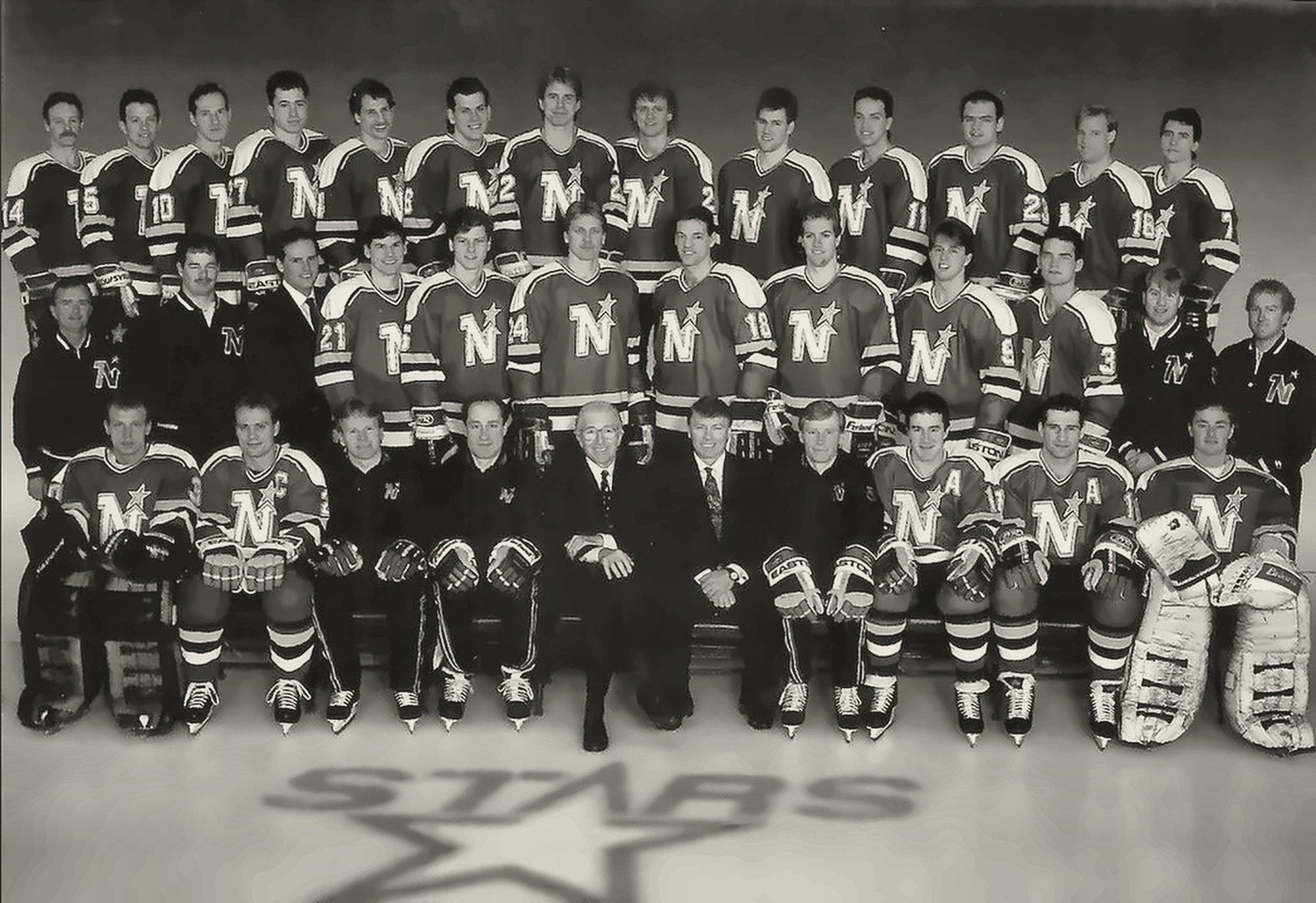
Minnesota North Stars: They Left After the Final
Years between a Stanley Cup final and the removal vans.
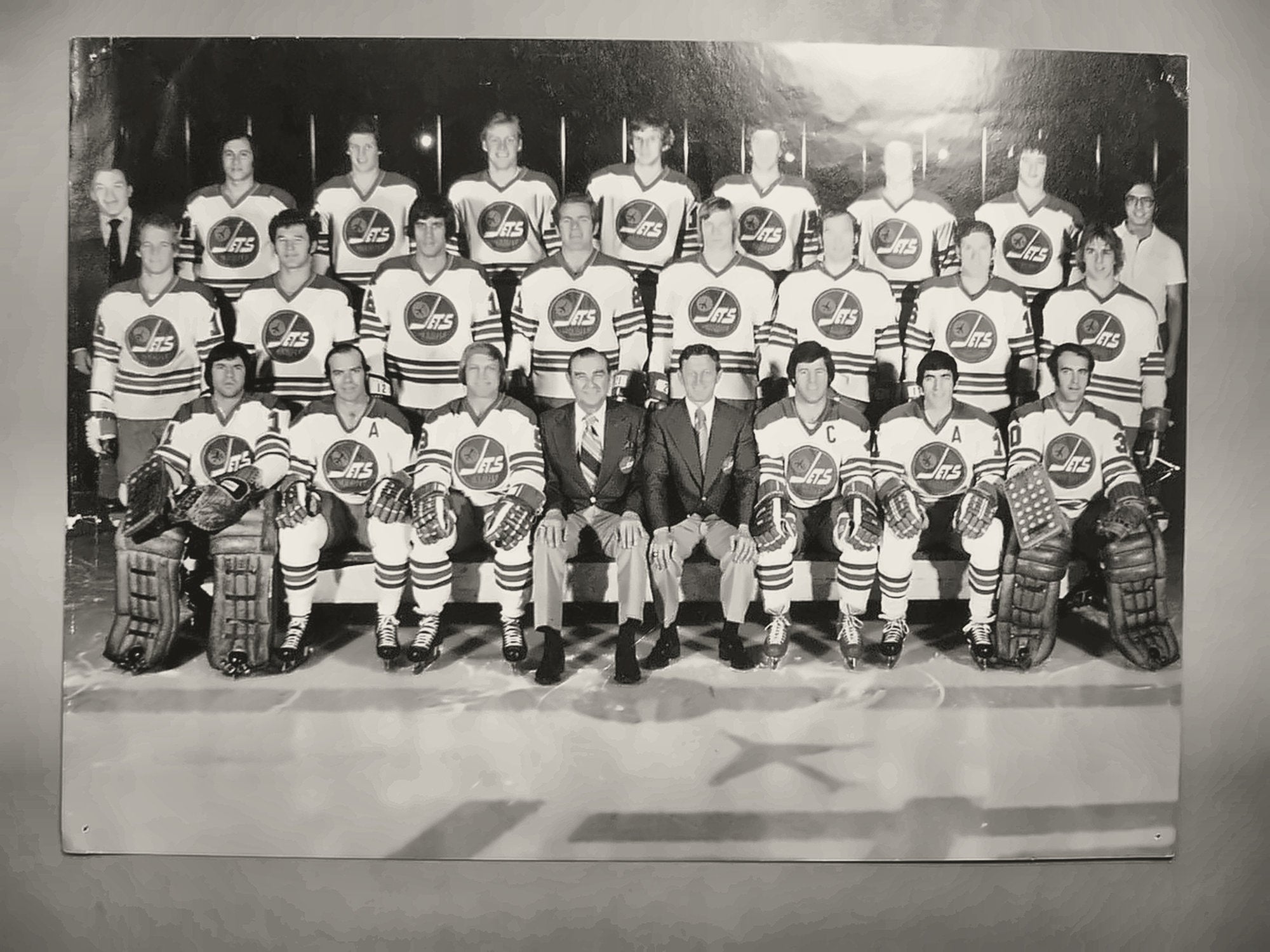
Winnipeg Jets: The City Tried to Buy Them
Seasons in Winnipeg, from 1972 to 1996.
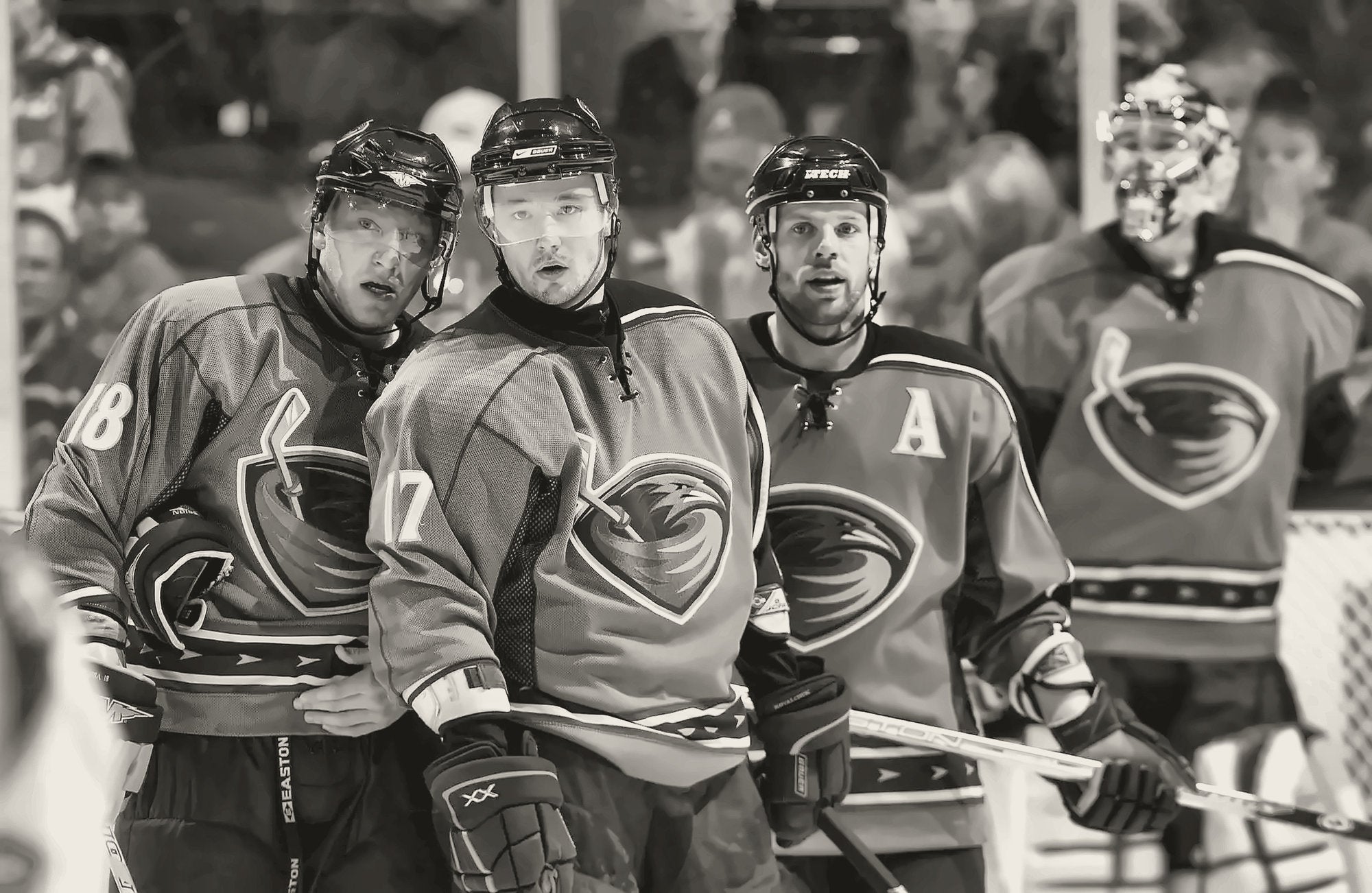
Atlanta Thrashers: Not One Playoff Win
Play-off matches won, in twelve seasons.
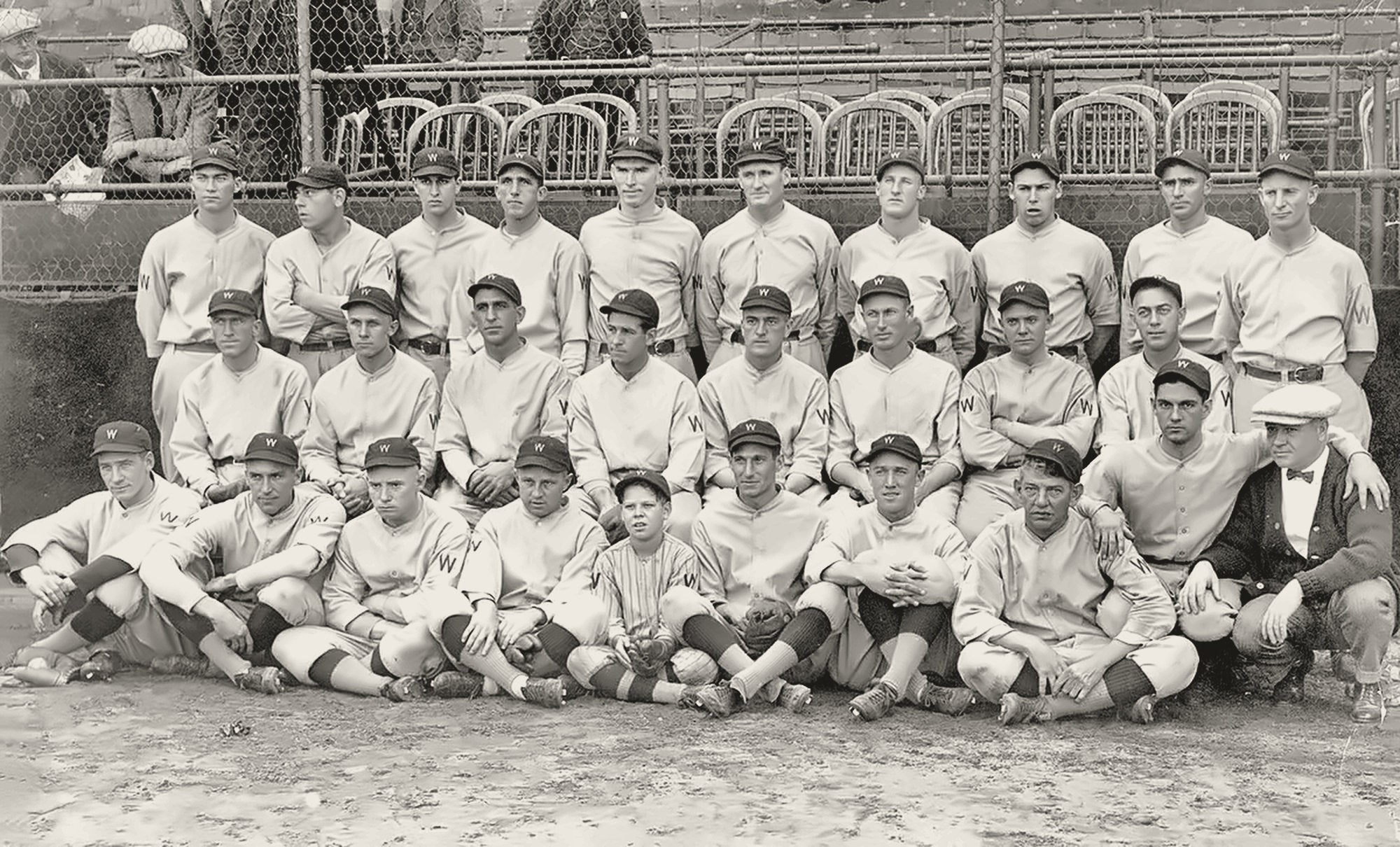
Washington Senators: The City Lost It Twice
The number of times Washington lost a major league baseball team, in ten years.
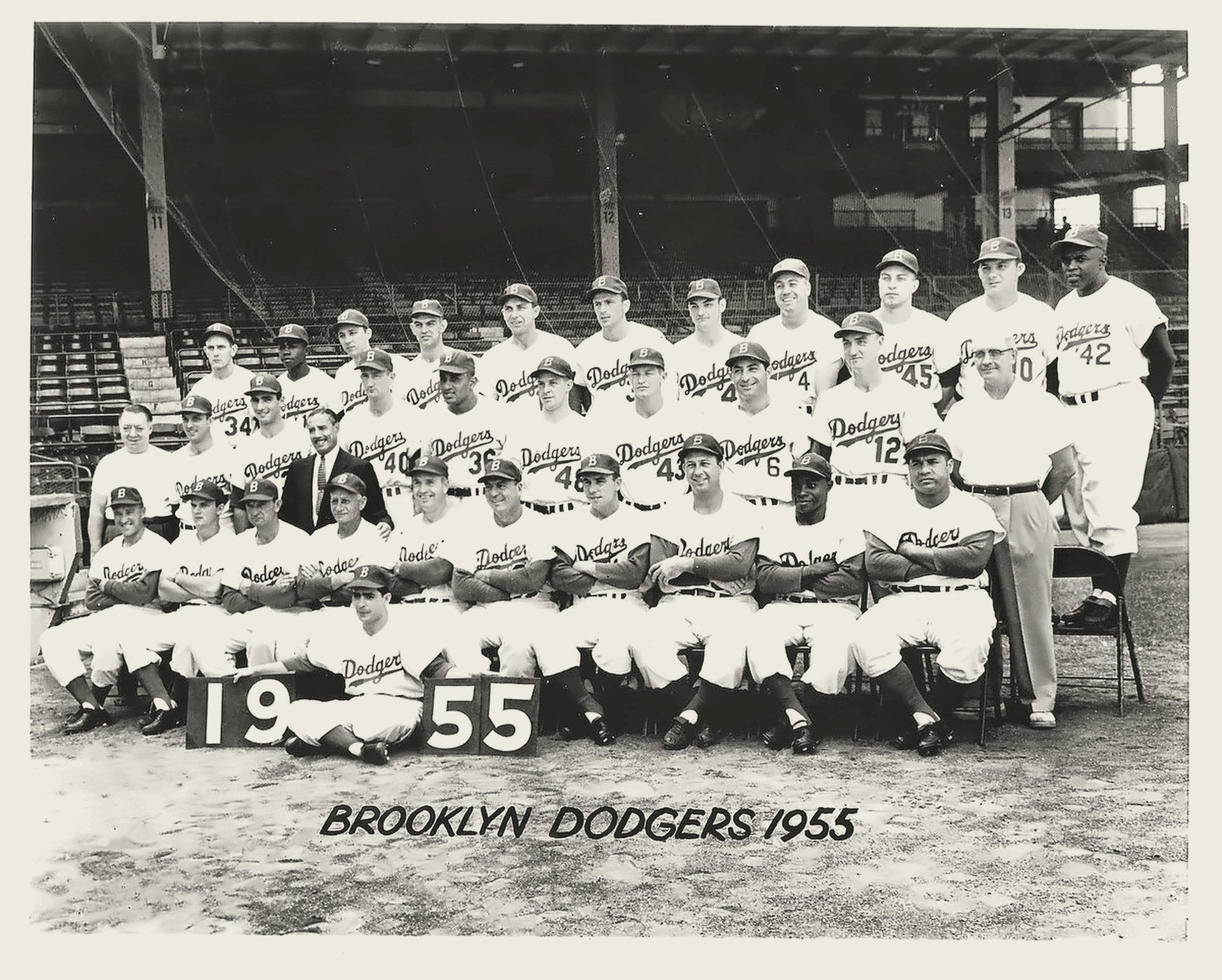
Brooklyn Dodgers: They Won It, Then Left
Seasons in Brooklyn, and one championship in all of them.
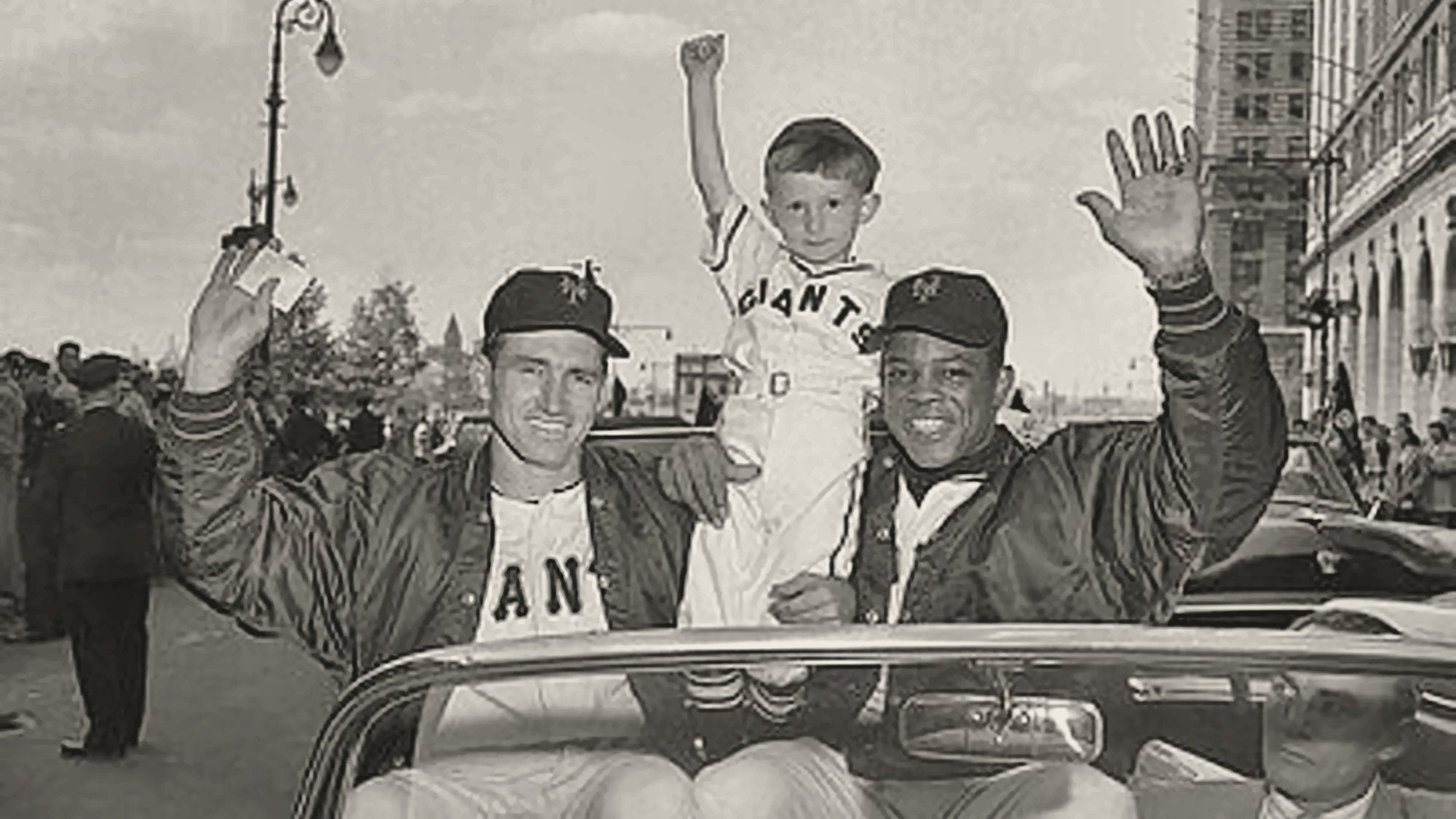
New York Giants: Both City Teams Went West
The season both National League clubs in New York played somewhere else.
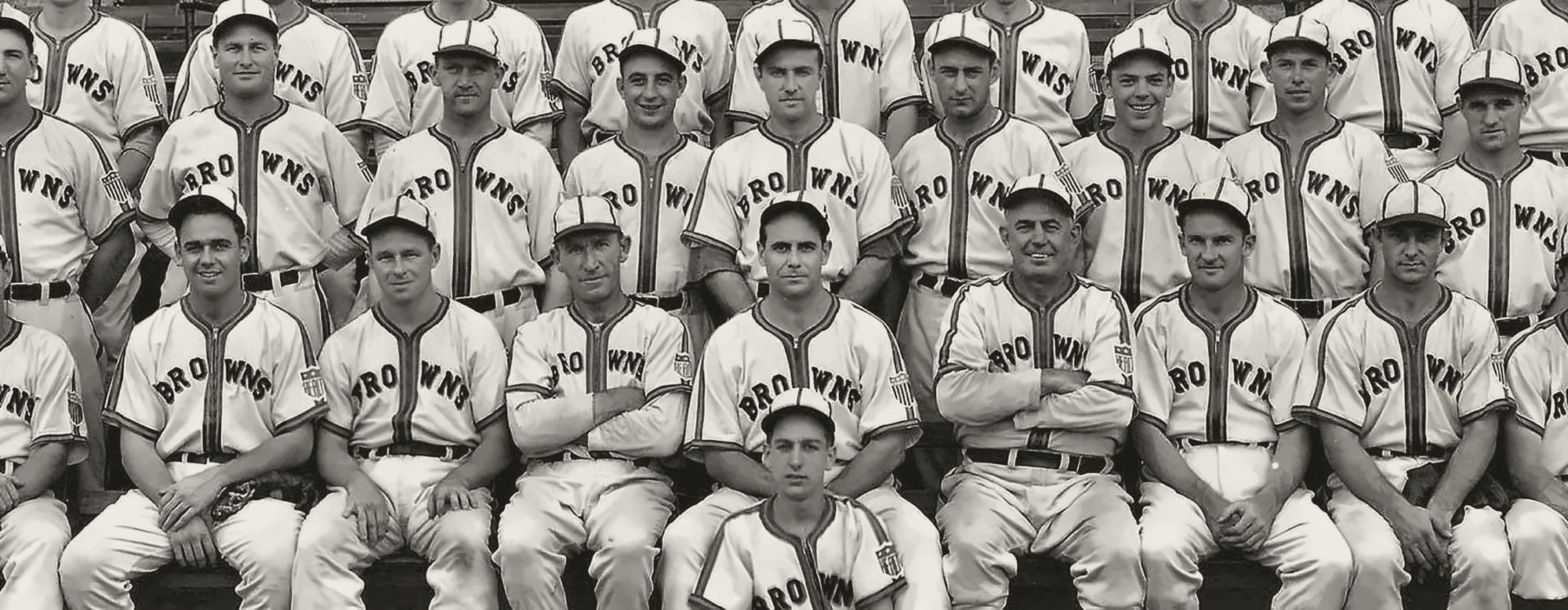
St. Louis Browns: One Pennant, and a Stunt
Seasons in St. Louis, one pennant, no World Series.
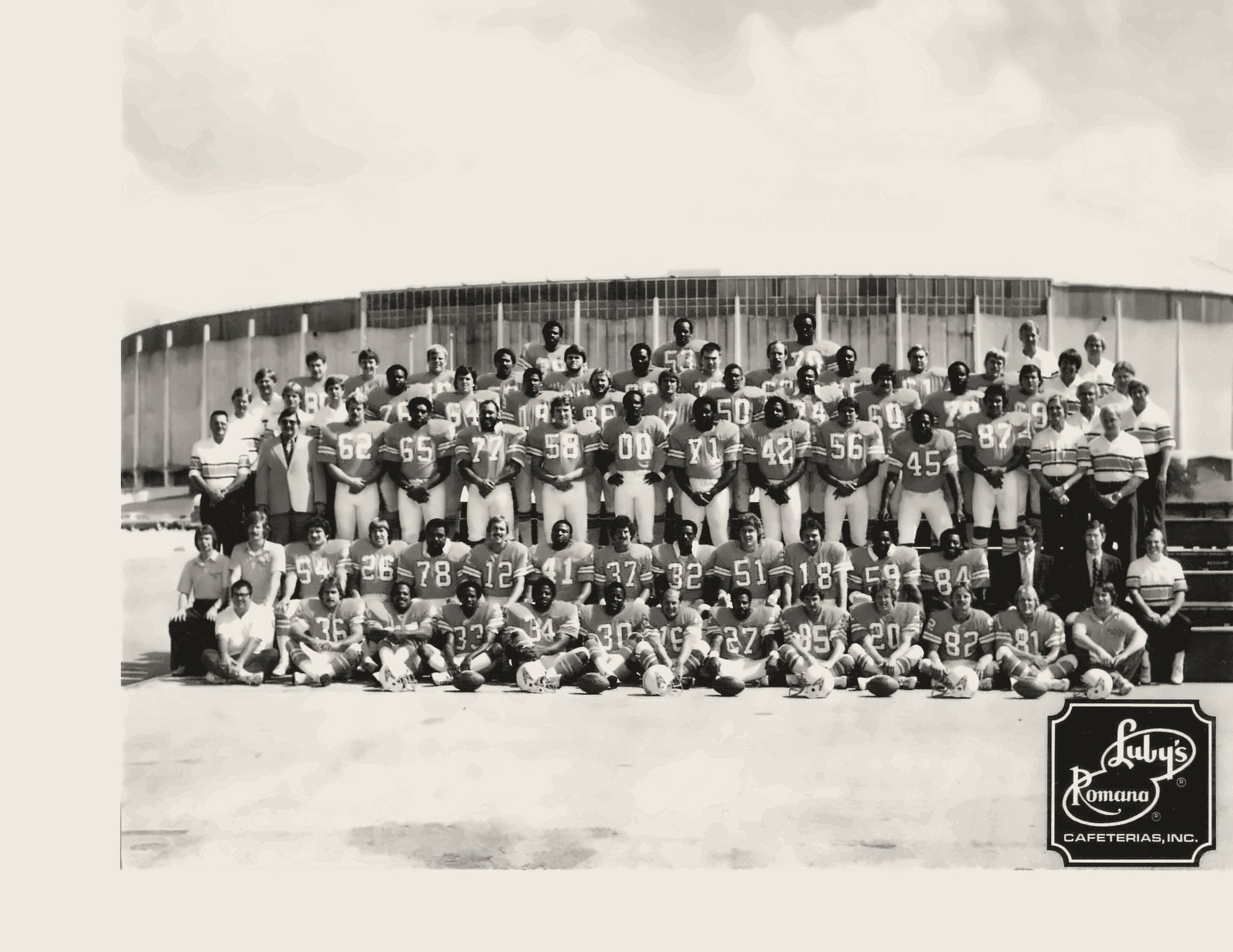
Houston Oilers: The Biggest Lead Ever Lost
The margin at the start of the second half: thirty five to three.
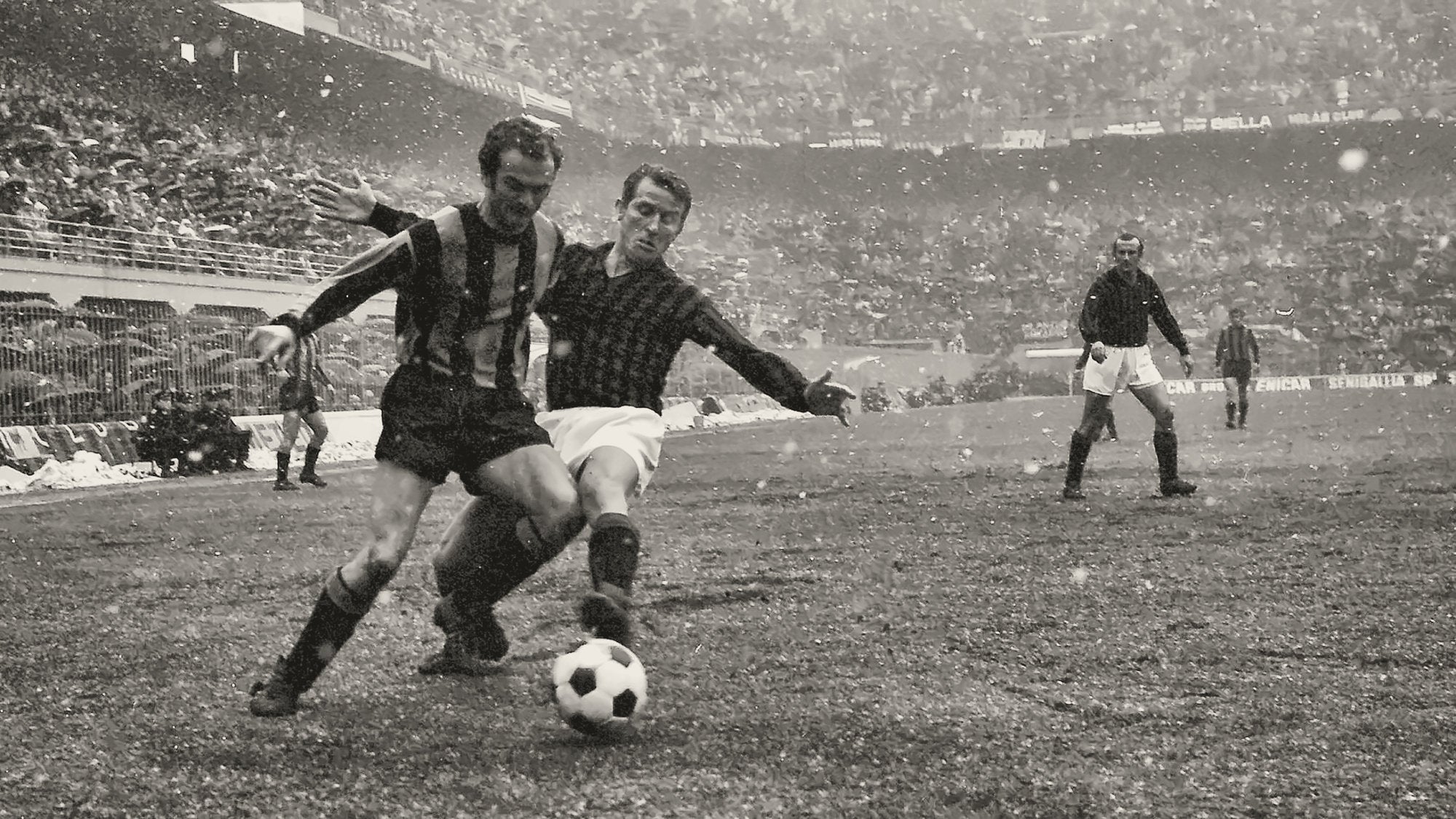
Sandro Mazzola: The Captain's Son, Inter 1960 to 1977
Seasons at Inter, from 1960 to 1977, without a single match for another club.