
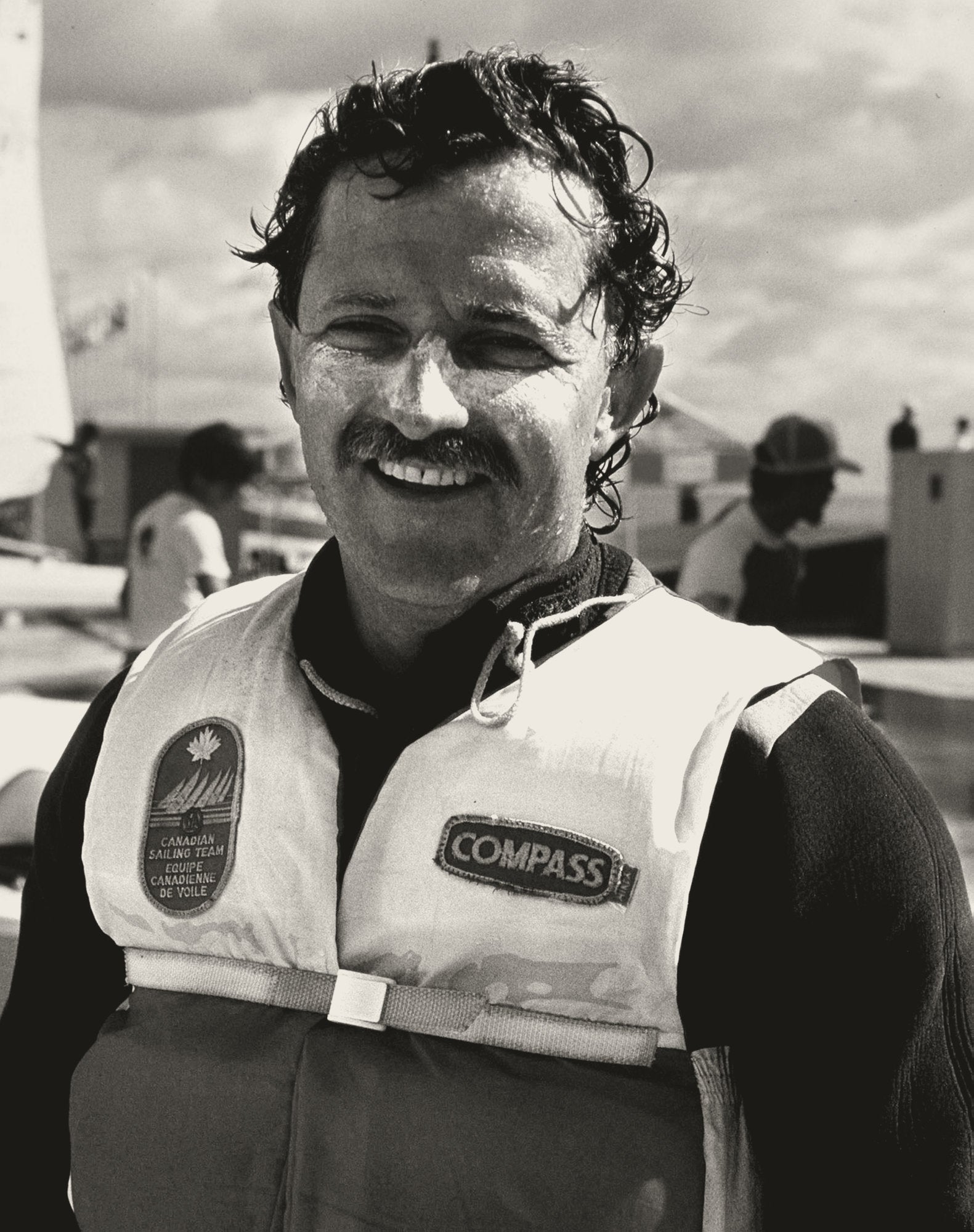
He was second. He finished twenty-second. The gap between those two numbers is the story.
The conditions
The 1988 Olympic sailing was held off Pusan. On 24 September the wind reached force six and the sea state was considerably worse than the fleet had been racing in.
Lemieux was competing in the Finn, a single-handed dinghy that demands constant physical work from one sailor.
Where he was
Second in the race, and on course for a silver medal. For a sailor who had been to one previous Games without a result, this was the afternoon everything had been for.
What he saw
A capsized 470 from the Singapore team, off the course. Two sailors in difficulty. Joseph Chan was injured and in the water. Siew Shaw Her was holding the hull and being pulled away from it by the current.
No rescue boat was close.
What it cost to reach them
He had to sail upwind, away from the course, which is the slowest and most laborious point of sail and the one that guarantees you will not get the place back.
He recovered both men into his boat and waited with them until a Korean navy patrol craft arrived. Only then did he return to the course and complete the race.
He was scored twenty-second.
What he got
No medal in the regatta. The International Olympic Committee awarded him the Pierre de Coubertin medal for sportsmanship, which has been given fewer than twenty times since the modern Games began. It was presented by Juan Antonio Samaranch.
Lemieux has consistently declined to make anything of it, on the grounds that helping a boat in trouble is simply what sailors do, and that anyone else would have done the same.
Why it goes on a wall
Because the decision took seconds and cost a medal, and because the person who made it has spent thirty-seven years insisting it was not a decision at all.
Second, and then twenty-second.