
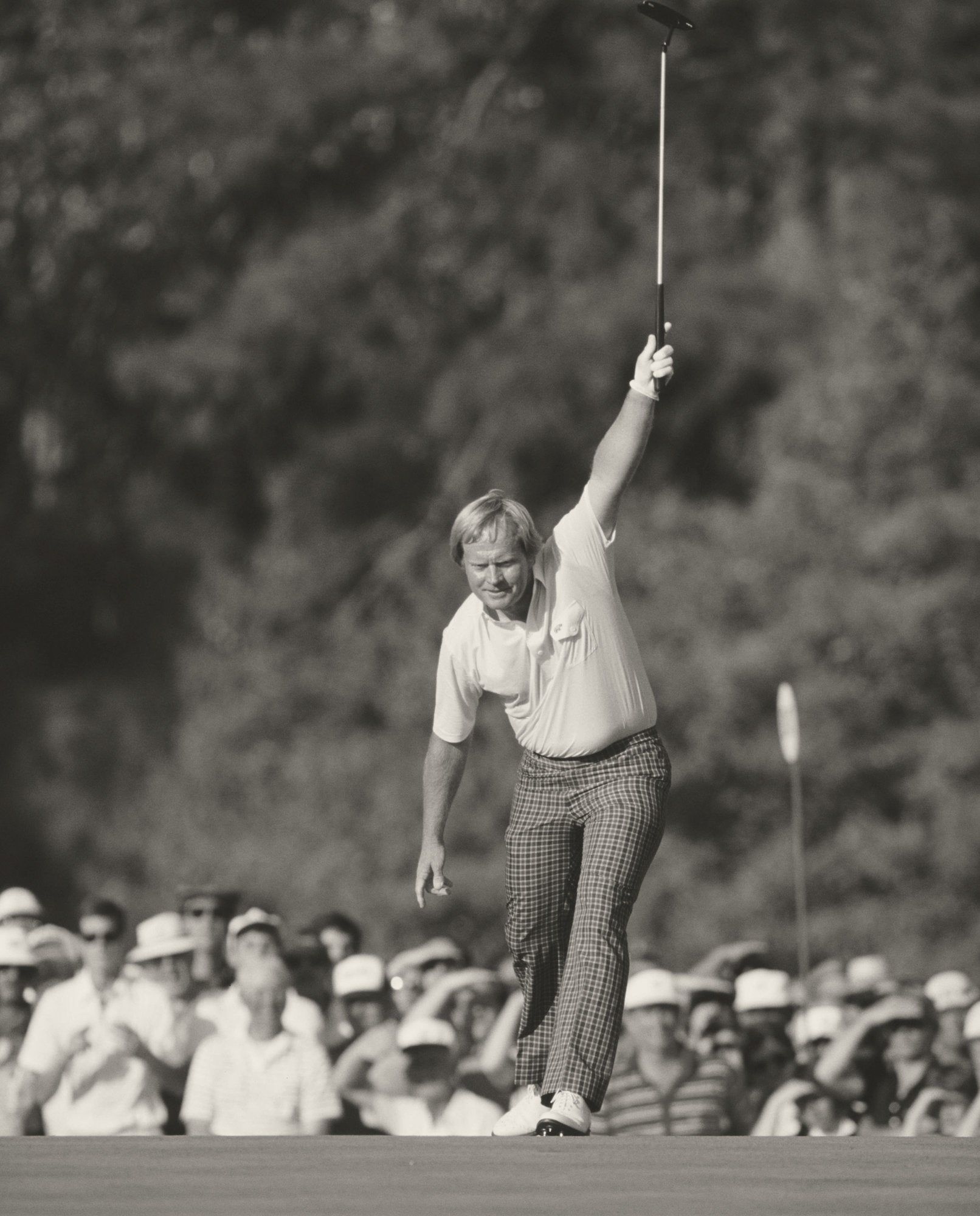
The 1969 Ryder Cup finished level. Sixteen points each. It had never happened before, and it happened because one player declined to make another player hole a two-foot putt.
An unpleasant week
Royal Birkdale, September 1969. The atmosphere was poor throughout: contested rulings, open hostility, players refusing to speak to opponents. The United States had held the trophy continuously since 1957.
This matters, because concessions are easy in a friendly contest and this was not one.
The last match
Everything came down to the final singles, Nicklaus against Tony Jacklin, on the eighteenth green, with the overall match tied.
A Nicklaus win took the Cup outright for the United States. A half tied the contest.
Nicklaus holed from around four feet. Jacklin was left with roughly two feet for the half.
What a two-foot putt is
It is a putt professionals make almost always and miss occasionally, and the occasions cluster around moments exactly like this one. Match play exists to create them. Nobody would have criticised Nicklaus for standing still and watching.
The concession
He picked up the marker and conceded it, and said that he did not think Jacklin would have missed but was not willing to give him the chance.
The Cup was tied at sixteen apiece. As holders, the United States retained the trophy, so the outcome was not a defeat. It was, however, a win given away.
The reaction
Captain Sam Snead was openly unimpressed and said so, as did several American players. The criticism was not subtle at the time, and it took years for the gesture to acquire the status it now has.
Jacklin and Nicklaus remained close. Decades later they built a course together in Bradenton, Florida, and called it The Concession.
Why it goes on a wall
Because it was not a gesture made in comfort. It was made at the exact moment it cost the most, in the worst-tempered week the event had produced, by the man who stood to gain most from doing nothing.
Two feet, and he picked up the marker.