
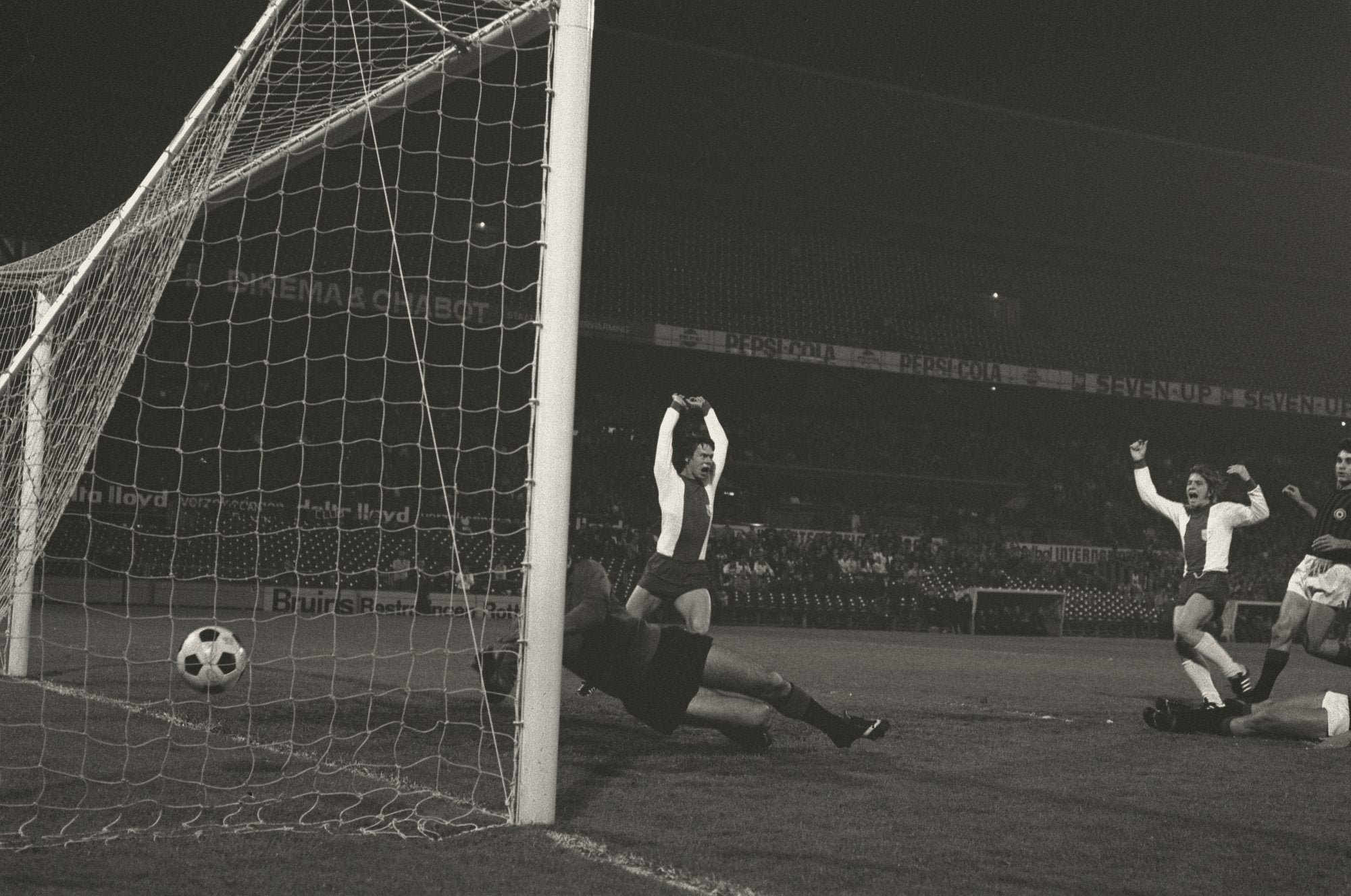
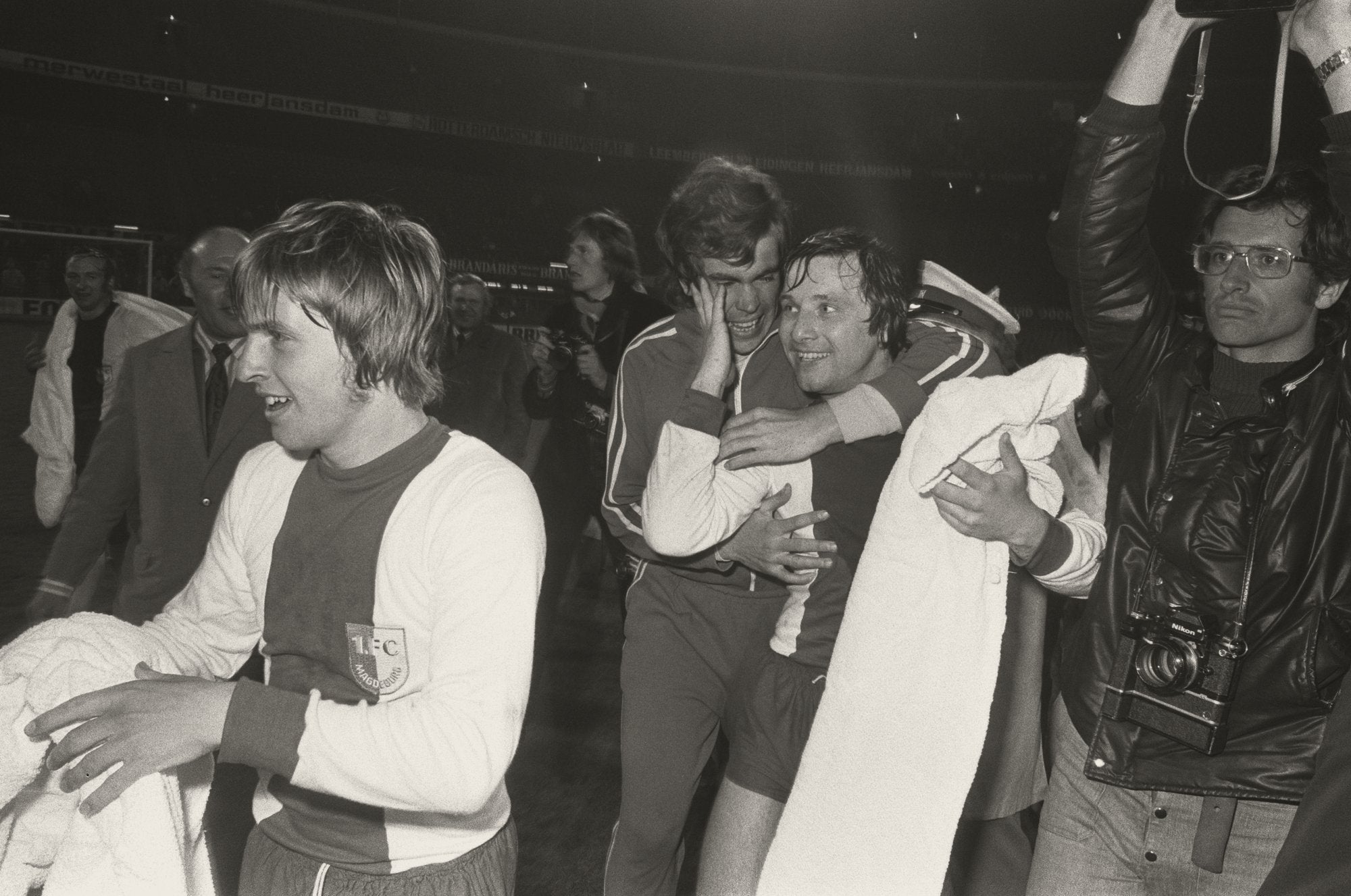
Rotterdam, the eighth of May 1974. A European final, played in a stadium built for more than sixty thousand, in front of a few thousand at most. The precise attendance is still disputed. The figure usually printed is a little above four thousand; some accounts say more, none say many. A competition final was taking place before a crowd that would have looked thin at a training session.
On one side were the holders, a celebrated club from Milan who had won the same cup twelve months earlier, in a final the beaten English side still disputes, and who still had Gianni Rivera in their ranks. On the other were eleven men from a city in the east of a country that has since been dissolved. They wore the colours of Magdeburg. Almost no one in the ground had come to see them, because almost no one had come at all.
They won two-nil.
A city rebuilt in concrete
Magdeburg stands on the Elbe, set down more or less between Berlin and the line that once cut Germany in two. In a single night in January 1945 the old town was burned out by an air raid; a great deal of what had stood for centuries was gone by morning. What replaced it was practical and grey. Machine works, cranes, housing blocks, the productive apparatus of a socialist state that measured itself in tonnes and plans.
The river kept its course through all of it, past the new blocks and the rebuilt cathedral, the one old silhouette the bombs had left standing. People fished off the banks. The football club, when it came, gave the place something to be that had nothing to do with output figures.
Football in such a place began as a factory pastime before it was anything else. The club that reached Rotterdam, 1. FC Magdeburg, had only existed under that name since 1965, assembled to concentrate the district's better players in one competitive side. Its footballers were mostly men from nearby. They had grown up within a short distance of one another, come through the same youth teams, and stayed together long enough to play by instinct. That kind of closeness gets written up afterward as a secret. It was probably just familiarity, which is harder to sell and closer to the truth.
There is a temptation, telling a story like this, to make the city a character. The temptation is worth resisting. Magdeburg was a working place with a football team that happened, for a few years, to be very good. The rest is added later.
The coach they could not keep
Heinz Krügel had charge of them. He had spent years shaping the team, and he carried a quality the system found awkward: he preferred to make his own decisions. In East German sport this was not a small thing. Public life was arranged from above, football included, and the arrangement had a favourite. The security ministry took a close interest in a club in the capital. That club had the pick of players and the protection of powerful men. Through the 1980s it dominated the league, taking ten titles in a row. Its footballers were the ones who filled the national team. That was the game Magdeburg had won their cup inside: one arranged, from the top, to lift someone else.
Magdeburg were not that club. They won the national league in 1972, and would win it again in the seasons around their European run, but they were never the intended standard-bearer. A side like theirs winning in Europe complicated the story the state wanted to tell about itself. Two years after Rotterdam, Krügel's licence to coach in the top division was withdrawn and he was moved out of the game's front rank. The reasons given were procedural. Almost no one believed the reasons given. He lived a long life afterward, longer than the country that had sidelined him, and in the end the recognition came, quietly, from the people who had never needed convincing.
The road, and the emptiness of it
The way to the final ran through the earlier rounds of the Cup Winners' Cup, the smallest of the three European competitions of the day, the one kept for the sides that had won their national cups. Those matches are barely remembered now, even by people who remember the final well. What is remembered is the last night, and how few were there to see it.
The reasons for the empty ground are not a single reason. The final was held in the Netherlands, a long way from either club's home. The Italian side travelled in modest numbers. And from the east, ordinary supporters could not simply follow their team across a border; travel to the West was controlled, granted to some and refused to most, and a machinist from Magdeburg did not, as a rule, board a plane to a European final.
So the terraces that ought to have held a wall of sound stood mostly bare, and the men played the largest match of their lives in something close to silence. You can win a European final and hear your own studs on the turf. It happened here.
Most great sporting nights survive because thousands were there to carry them out of the ground and into forty years of retelling. This one had almost no such carriers. It survived on the scoreline and on the memory of the few, which is a thinner thread. Perhaps that is why it feels, even now, more like a rumour that happens to be true than a famous result.
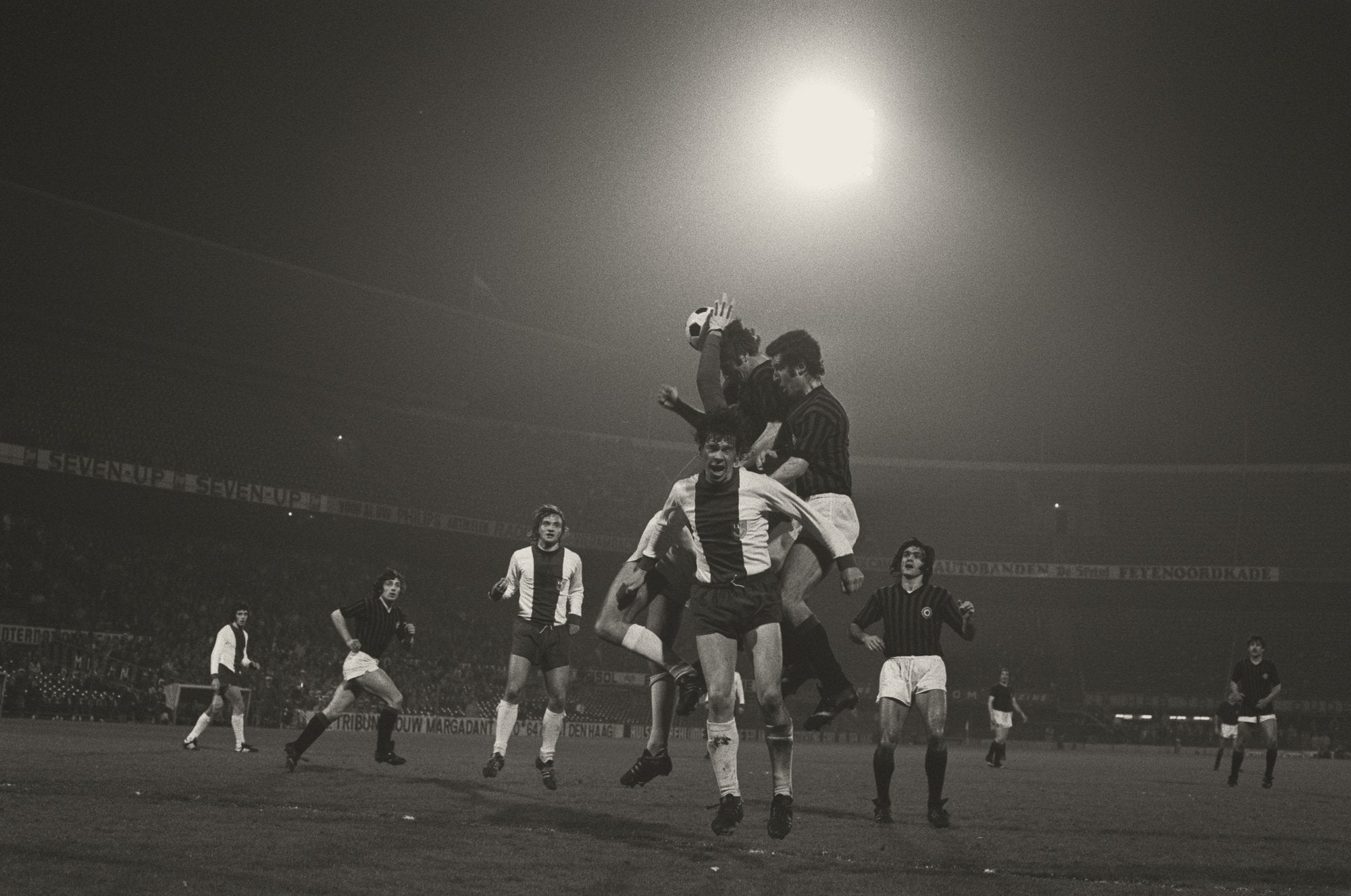
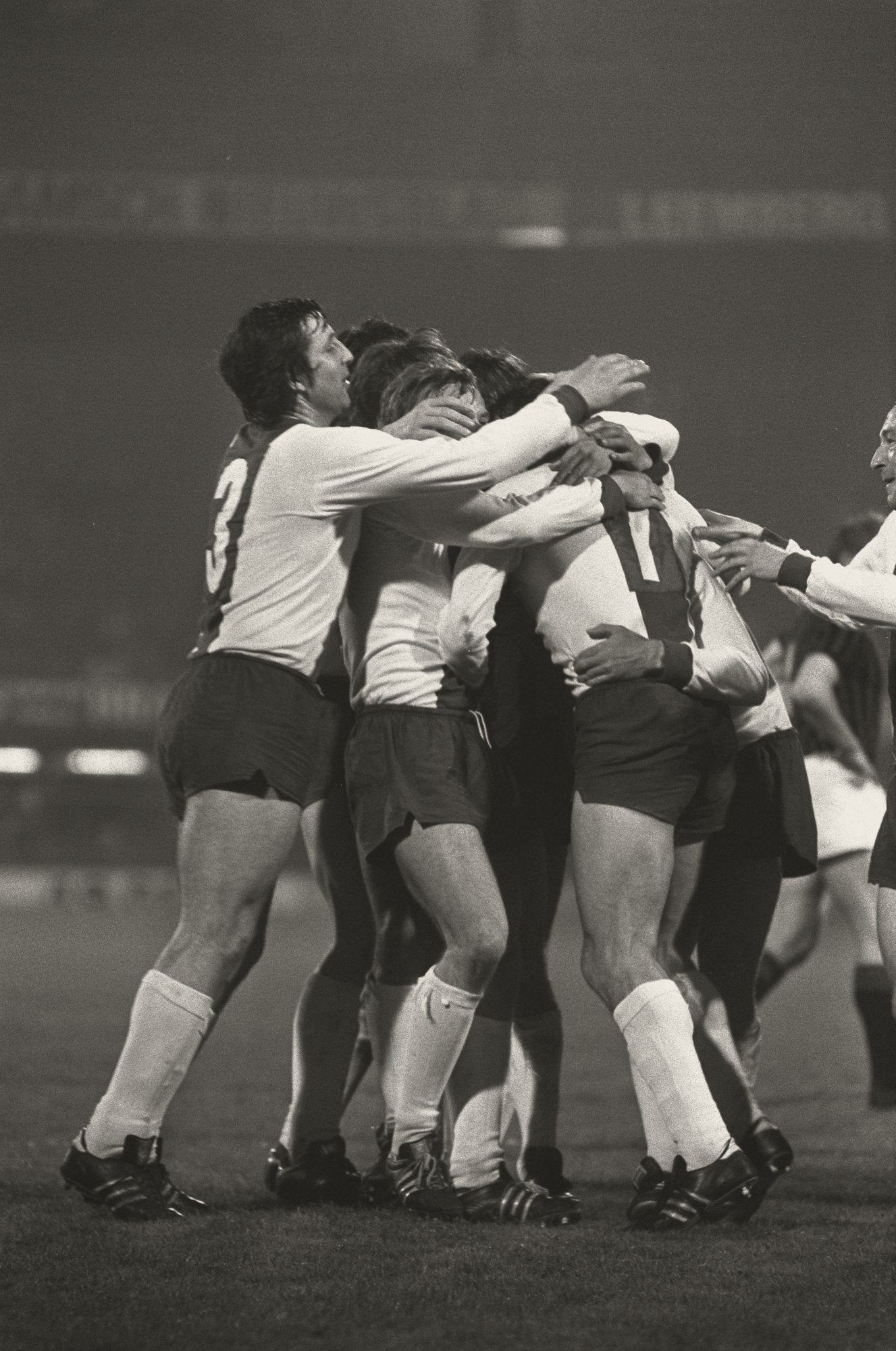
The first goal came before half time, off one of their defenders, who turned the ball past his own goalkeeper. Seguin scored the second inside the final quarter of an hour. Rivera and the rest pushed forward and found nothing that counted. When the whistle went, players from a grey city on the Elbe had beaten one of the most decorated clubs in Europe, and had done something no other team from their country would manage, before or since. Magdeburg remain the only club from East Germany to have won a European trophy. The country is gone now, so the record has quietly become permanent.
The homecoming that did not happen
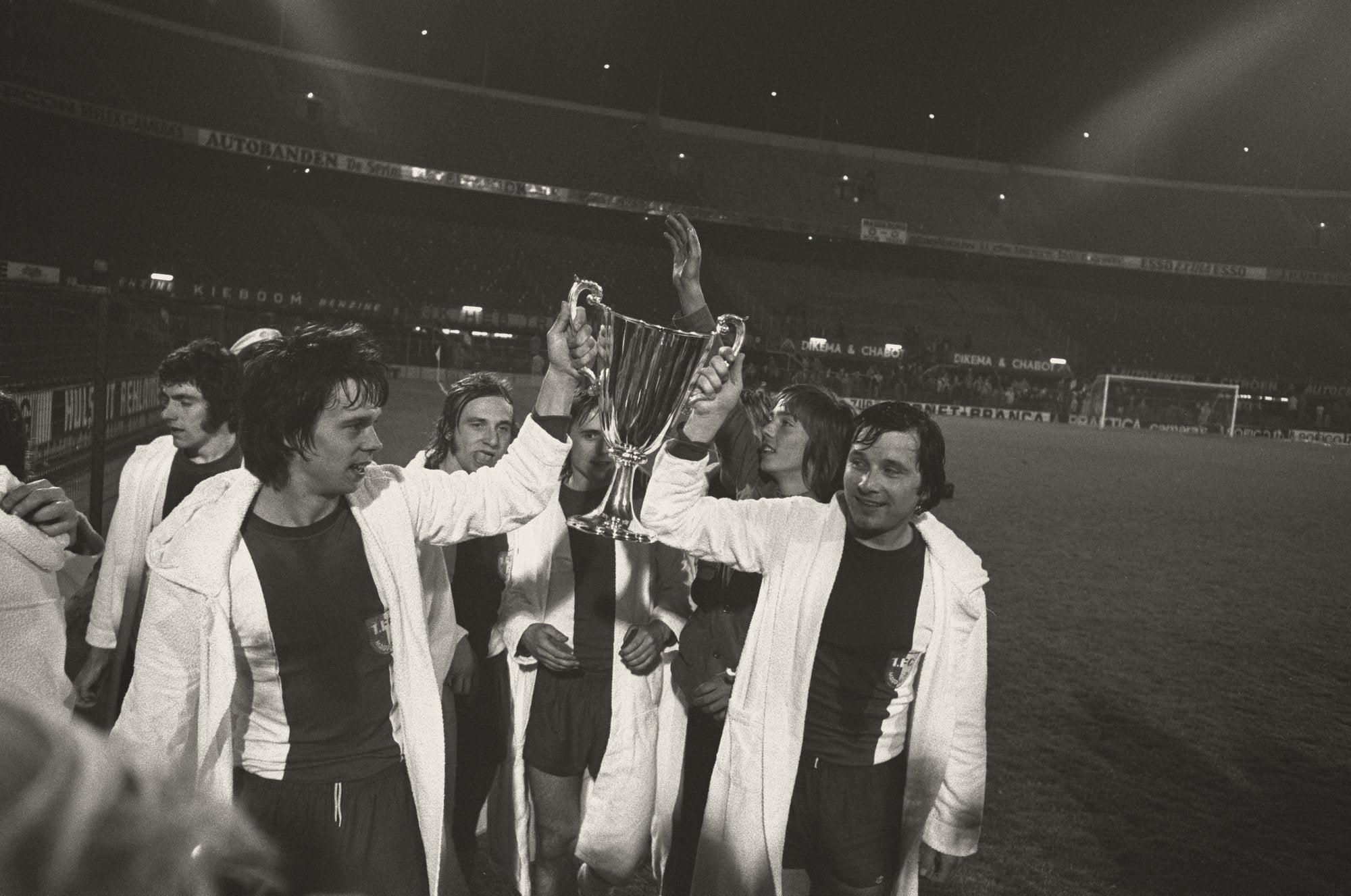
What followed is the part that stays. A win of that size usually comes home to a square full of people and a long, loud night. This one did not, or not in full. A triumph that had not been planned for, won by a club that was not the chosen one, was an awkward possession for the men who ran things. There was no great civic release, no week given over to it. The players returned to their jobs and to the ordinary Friday lives they had left.
It would be easy to make this crueller than it was. Some of the men have said, in the decades since, that they were proud and that the pride was enough. Others have said very little. What is not in doubt is that the celebration fell short of the achievement, and that the shortfall was not an accident of the weather or the calendar. It was a choice made somewhere above them.
Six weeks later, in Hamburg
The story has a second act, and it belongs to one man. Jürgen Sparwasser was a Magdeburg forward, in the side that had just won in Rotterdam. On the twenty-second of June 1974, at the World Cup in Hamburg, he scored the only goal in a match between East Germany and West Germany. One country, divided, meeting on a football pitch in front of the world, and the touch that settled it came from a player who six weeks earlier had won a European final in an all-but-empty stadium.
That goal became far more famous than the cup. It was awkward in its own way, a gift to the state that also unsettled the state, because it drew every eye to the very division it appeared to celebrate. Sparwasser carried the goal for the rest of his life, in the way a man carries a single afternoon that outgrows him. In 1988, on a trip to the West for a veterans' match, he stayed, and did not come back. Within two years the country he had scored against had absorbed the country he had scored for, and the fixture that made him famous could never be played again.
After
When the Wall came down and the two Germanys became one, the clubs of the east were pushed into a market they had never been built for, and most of them fell. Magdeburg fell a long way. The reasons were less about football than about money. The state combines that had paid the wages and kept the lights on were closing. The better players signed for western clubs within months of the border opening, and the crowds that were left had less to spend. A team could not simply carry on, because the world it had carried on in was being taken apart. Season on season they dropped, through divisions that no longer had cameras pointed at them, into money trouble and the lower reaches of the game. For long stretches the club that had beaten the reigning cup winners played in front of gatherings not much larger than the one that had watched it win.
The cup stayed with them through all of it. A single trophy, kept in a small room, in a city that had already lost most of what it once was. Its keepers changed. The building around it changed. The scoreline did not.
In time the club climbed part of the way back. It was watched again, though it never became what it had been. The trophy did not move. It had been the high point before most of the present supporters were born, and it stayed the high point, which is a strange weight for a club to carry: its best day permanently behind it, in black and white.
There is a print of that night, somewhere on a wall, with a number on it that reads like a misprint. Two-nil. Most people who pass it will never know what it cost, or that it was won in a near-silent stadium by men who were then told, more or less politely, not to make too much of it.
What became of most of them is not recorded. A few names surface now and then; the rest went back into ordinary work and ordinary streets, in a city on a river, on the far side of a wall that no longer exists.