
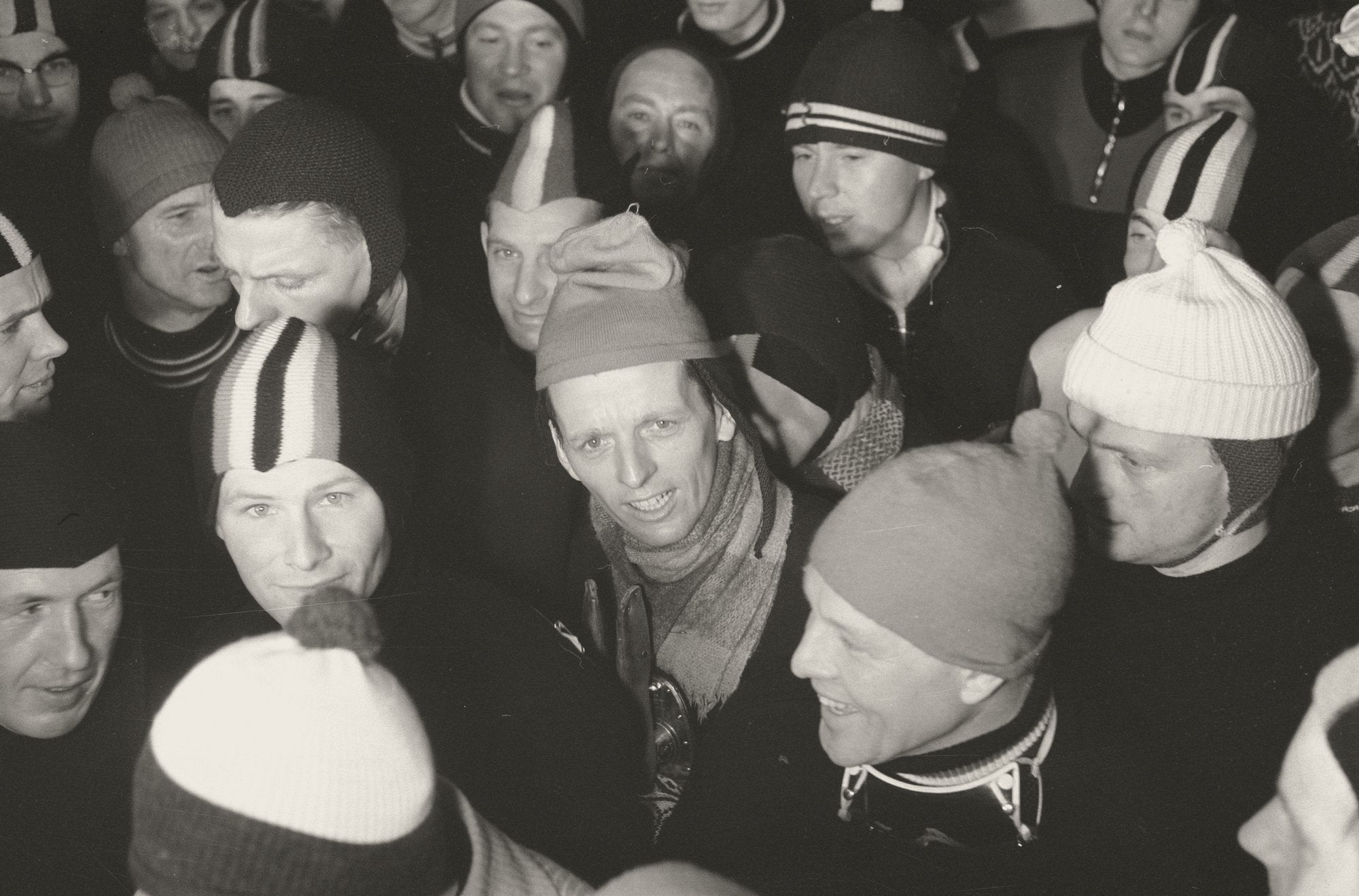
Sapporo, February 1972, the first Winter Olympics held in Asia. Over a few days a skater from the Netherlands, Ard Schenk, won three of the four speed-skating titles. He took the 1500, then both of the long races, the 5000 and the 10000, and he took them by margins that left little to argue about. In the fourth race, the short sprint over 500 metres, he caught an edge in the opening seconds and went down on the ice, and the one title that would have made it a clean sweep went to someone else. Three from four, and a fall in the shortest of them. By then Schenk had already been world all-round champion more than once, and at home the winning had more or less stopped being news.
The number on the medals was three. It is the figure that stays with this story, because sixteen years later another skater from the same small country would go to another Games and come back with exactly the same haul. Three, and then three again. In a sport most nations treat as a specialism, one flat corner of Europe kept producing the same improbable total, as if it were simply what the ice there grew.
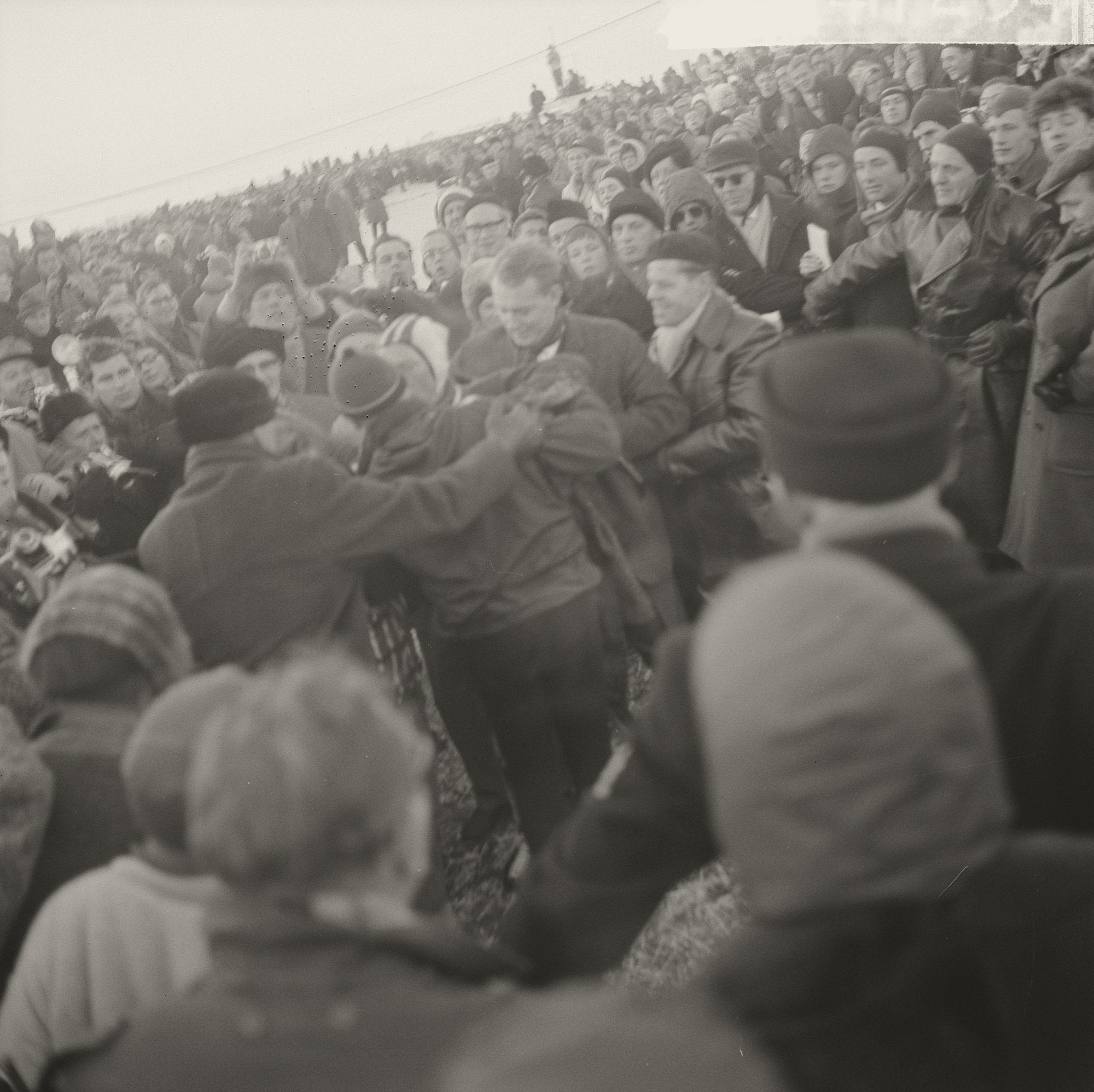
A country that froze
To see why, it helps to put the sport aside for a moment.
The Netherlands is flat and low and laced with water. A great deal of the land sits at or below the level of the sea and stays dry only because it is drained, and the draining is done through a dense web of canals and ditches that runs to every corner of the country. For much of the year that water is just water, worked by pumps and old mills. In a hard winter it sets. And once it sets it becomes the quickest way to travel that a person on foot has ever been given: a child on blades could reach the next village faster than a cart could take the road.
So skating there did not begin as a pastime or a discipline. It began as transport. The sport came afterward, almost as a by-product, laid on top of something people already did to get through the winter. Where everyone skates, some skate faster. Where some skate faster, sooner or later somebody holds a watch on them. What other countries had to build from nothing, a reason to lace the boots and a place to do it, already existed in the Netherlands as ordinary life. The talent was not manufactured so much as gathered, off a population that had been sliding across frozen water since before it could remember starting.
A hard winter turned the water into more than a road. Markets shifted onto it. Stalls appeared on the thicker canals selling hot drinks and cake, and people who never raced anything spent their Sundays out there, children and grandparents together, in a country that for a few weeks a year found itself with a second set of streets. The champions grew out of that, not apart from it.
Friesland, in the north, was the deep heart of it. A province of small towns and big skies, with its own old language, where the cold bit harder and the water was everywhere, and where skating was less a hobby than a feature of the year.
Verkerk, and the years before Sapporo
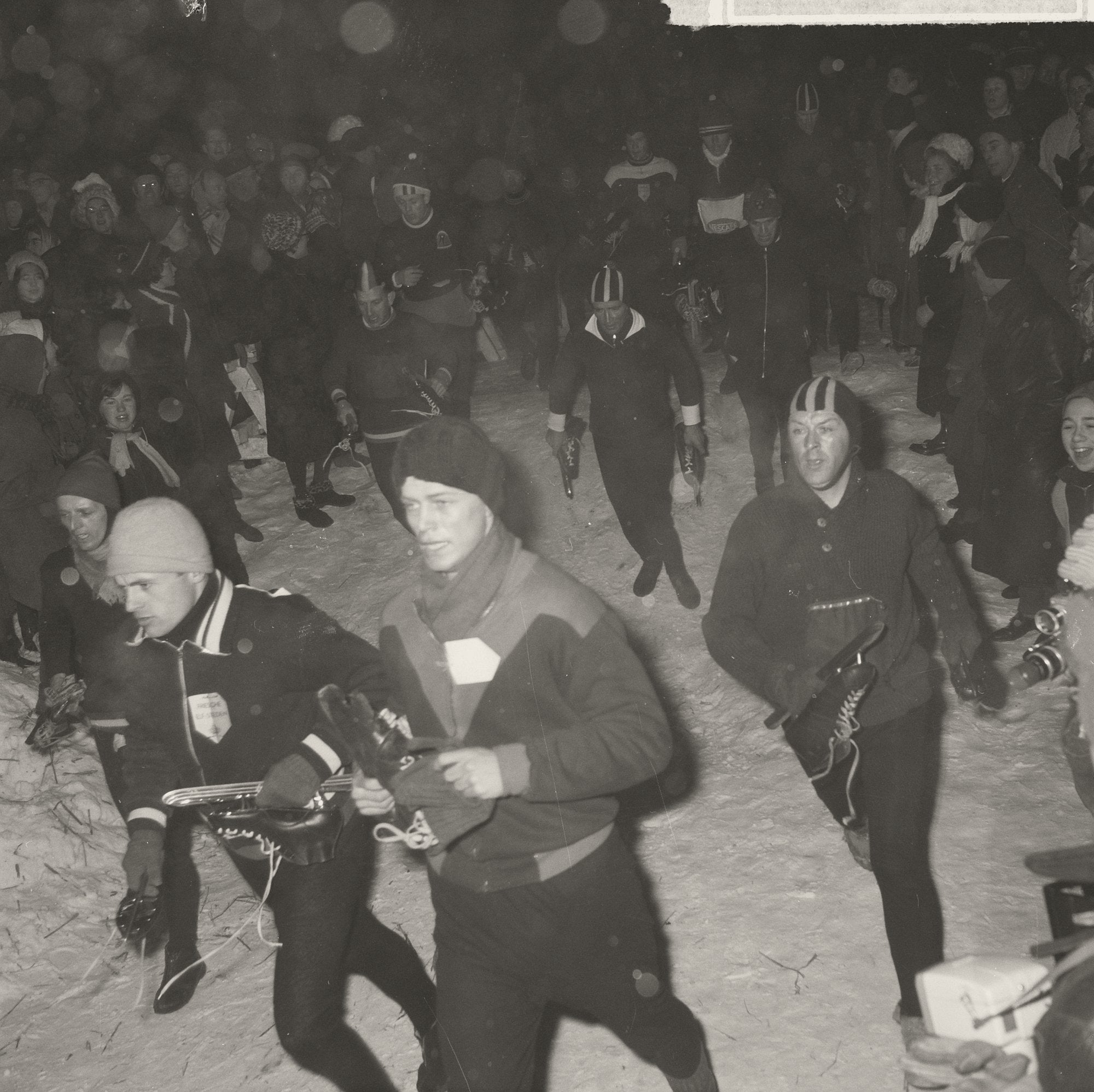
Schenk did not appear from nowhere. Before him, and then beside him, there was Kees Verkerk, and for a run of winters in the late Sixties the two of them simply were the sport. They pushed one another around the big open ovals of Europe and passed the crowd's affection back and forth. Verkerk won titles of his own, an Olympic honour among them, and both men wore the world all-round crown, which in the Netherlands counted for more than any single Olympic distance.
That championship is worth explaining, because it says something about the culture. The all-round is not one race. It is four, skated across a weekend, from the short sprint to the long grind of the 10000, with every time converted to points and added together. It rewards no specialist. It asks a skater to be quick off the line and still upright and driving after more than a quarter of an hour of effort, and it was the title the Dutch respected above the rest. To win it you had to be complete.
For a few seasons Verkerk and Schenk were on the magazine covers and in the front rooms, watched on television in black and white by a country that knew exactly what it was seeing. This was not a borrowed enthusiasm. Nearly everyone following along had, at some point, stood on a frozen ditch on the same kind of blade, which in that era was fixed rigidly to the boot at heel and toe, a different piece of craft from the hinged skate that would come long after these men had finished.
Which of the two was the better skater, taken over a whole career, is the sort of argument that never really closes. There is no need to close it here.
The race that cannot be planned
One event explains the Dutch bond with ice better than any medal does.
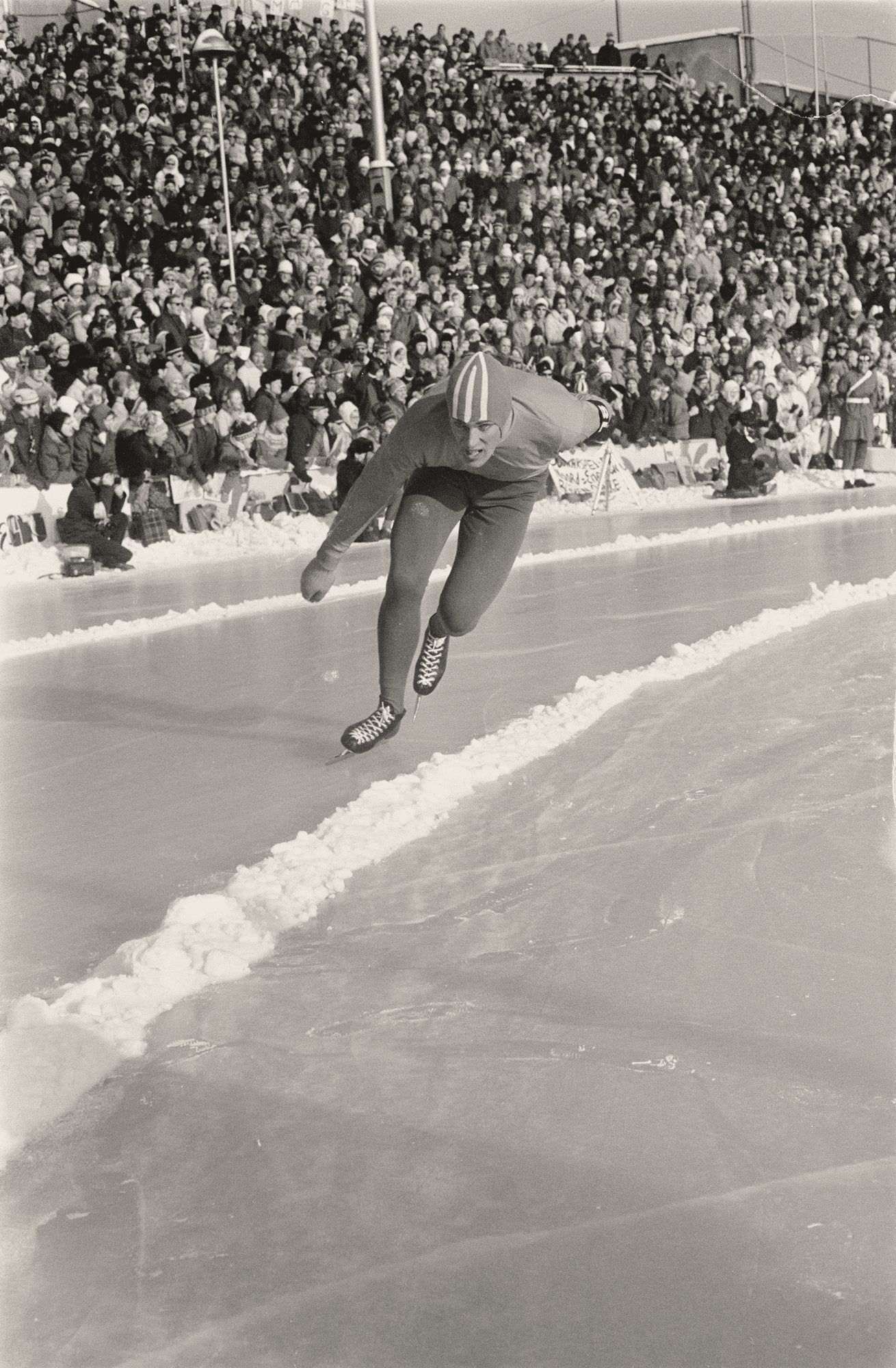
The Elfstedentocht, the Eleven Cities Tour, is a skating race through Friesland: close to two hundred kilometres over natural ice, starting and finishing in Leeuwarden, the provincial capital, and looping out past eleven old towns before it returns. It has no fixed date, and it cannot. It is run only when the winter has been cold enough, for long enough, to make the entire route safe, every canal and every reach of open water thick enough at once to carry thousands of skaters. Most years the ice never comes to that. Sometimes two decades go by between one running and the next.
When it does come, the country rearranges itself around it. Work stops. The route fills with skaters who are not athletes and never wanted to be, ordinary people who have waited years for a single cold enough winter. Those who finish are handed a small cross and little else. There is no prize worth the pain of it, which is close to the whole point. People go out because the ice is there and may not be there again for a very long time.
The records of individual editions vary, and there is no reason to pretend to a precision that is not honestly available. One running, decades back, turned so bitter that only a small share of those who set out ever reached the end; the figures given for it differ, and have hardened into the kind of story a country tells about itself. What is not in doubt is the shape of the thing: a whole nation watching a frozen line on a map, waiting to learn whether the winter will be hard enough to let its oldest ritual take place at all.
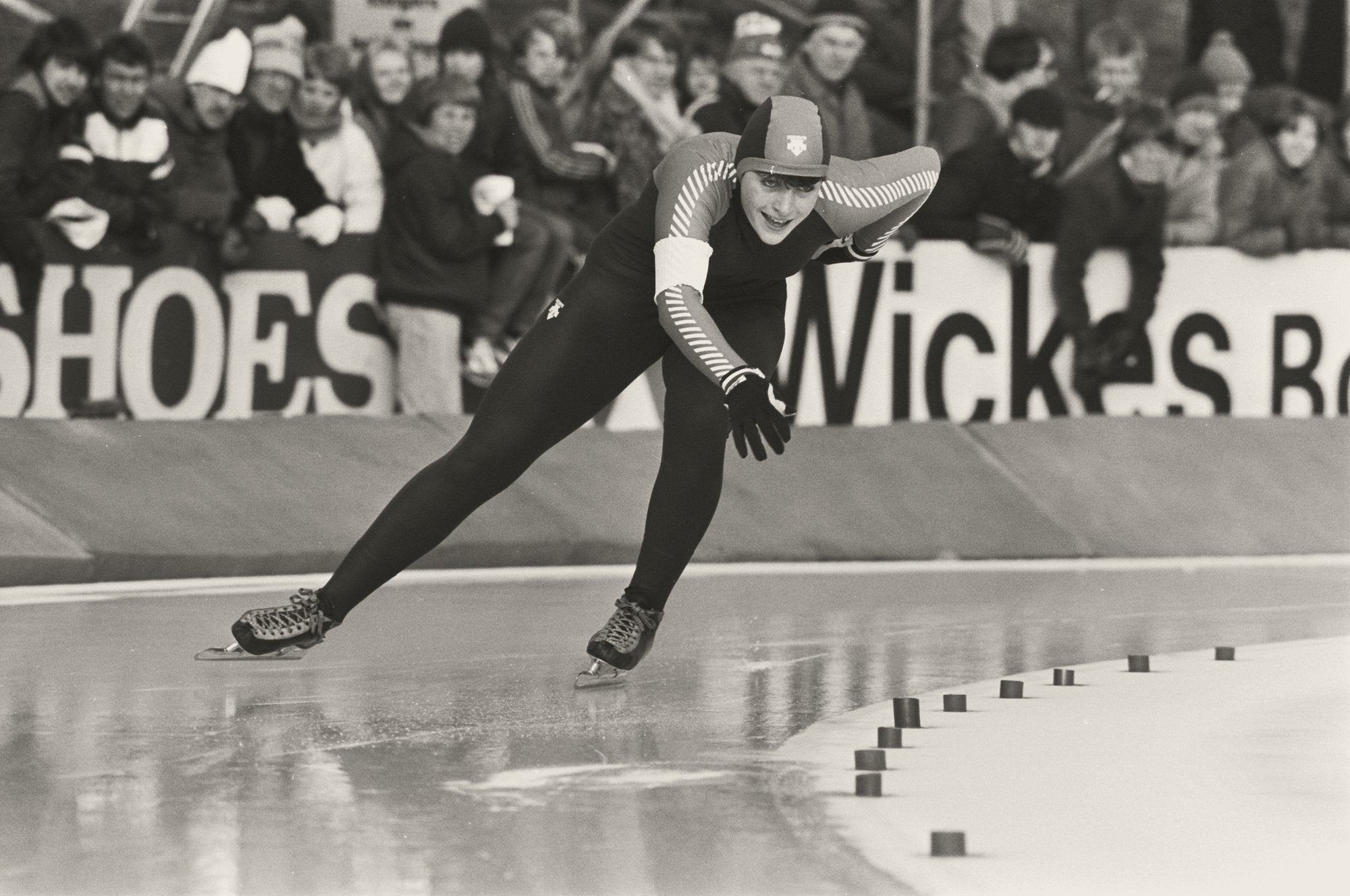
Calgary, 1988
Sixteen years after Sapporo, at the Winter Olympics in Calgary, a Dutch skater named Yvonne van Gennip won three gold medals. She won the 1500 and the two longer races, the 3000 and the 5000. The pure sprint, the 500, was the one that got away, as it had for Schenk. Her three ran from the middle distance out to the long 5000, the whole span of speed and stamina that the all-round had always asked of a skater. There was nothing lucky in that spread; a single good week could not have produced it. It was the old completeness the country had prized since Verkerk and Schenk.
The setting makes the number heavier than it looks. Women's speed skating through the Eighties was ruled from the East, by a state training apparatus that ran the sport as a branch of policy and produced results to match. The East German women were expected to take the distances as a matter of routine. Van Gennip took three of them off them. By the accounts of the time she had come through a foot injury not long before the Games, which only sharpened the unlikelihood of it.
Three golds, again. The same figure Schenk had carried home from Japan. Two skaters, sixteen years apart, out of a country that size, each returning with the identical haul from the same event. It is the kind of coincidence that stops reading as coincidence and starts reading as a trait.
The ice that comes less often
The dominance never actually ended, which is what makes this awkward to write as a lament. The Dutch still win, and still treat the long oval as ground that belongs to them by right. If anything they have grown more organised at it, more complete. The whole thing has moved indoors, onto covered ovals of measured ice where the temperature never wavers and the season never ends. Under the lights, the machine runs as well as it ever ran.
What has gone quiet is the older thing beneath the medals. The natural ice comes less often now than it did in the years of Schenk and Verkerk. The winters are milder; the canals set less hard, and less often, and the great race has not been run in a generation. A child in Friesland today is far more likely to learn the sport on a refrigerated indoor track than on the ditch behind the house. That is a gain for the medal table and the loss of something harder to name. The skill is still taught and the winning still comes. What arrives less and less is the water itself, the hard natural ice a blade was really made for.
The men in black and white are old now, or gone. They came up in a version of the country that froze hard every winter, where being quick on skates came less from any decision than from the plain luck of where a person was born. That country is being edited out by degrees, one mild January after another.
There is a print of it somewhere, on a wall, with a number on it that looks like a misprint. Three. And then, a few years further on, three again. Most people who walk past will read it as a result, which it is, and miss the older fact sitting underneath: that a country which froze every winter, and taught its children to cross the ice before it taught them much else, will now and then turn one of them into a champion almost without meaning to.
The last of the men who won on natural water will not see a great many more hard winters. Neither, on the present evidence, will the country that made them. The blades are kept sharp anyway, in cupboards and back halls across a low, flat land, waiting on a cold that has taken to keeping them waiting.