
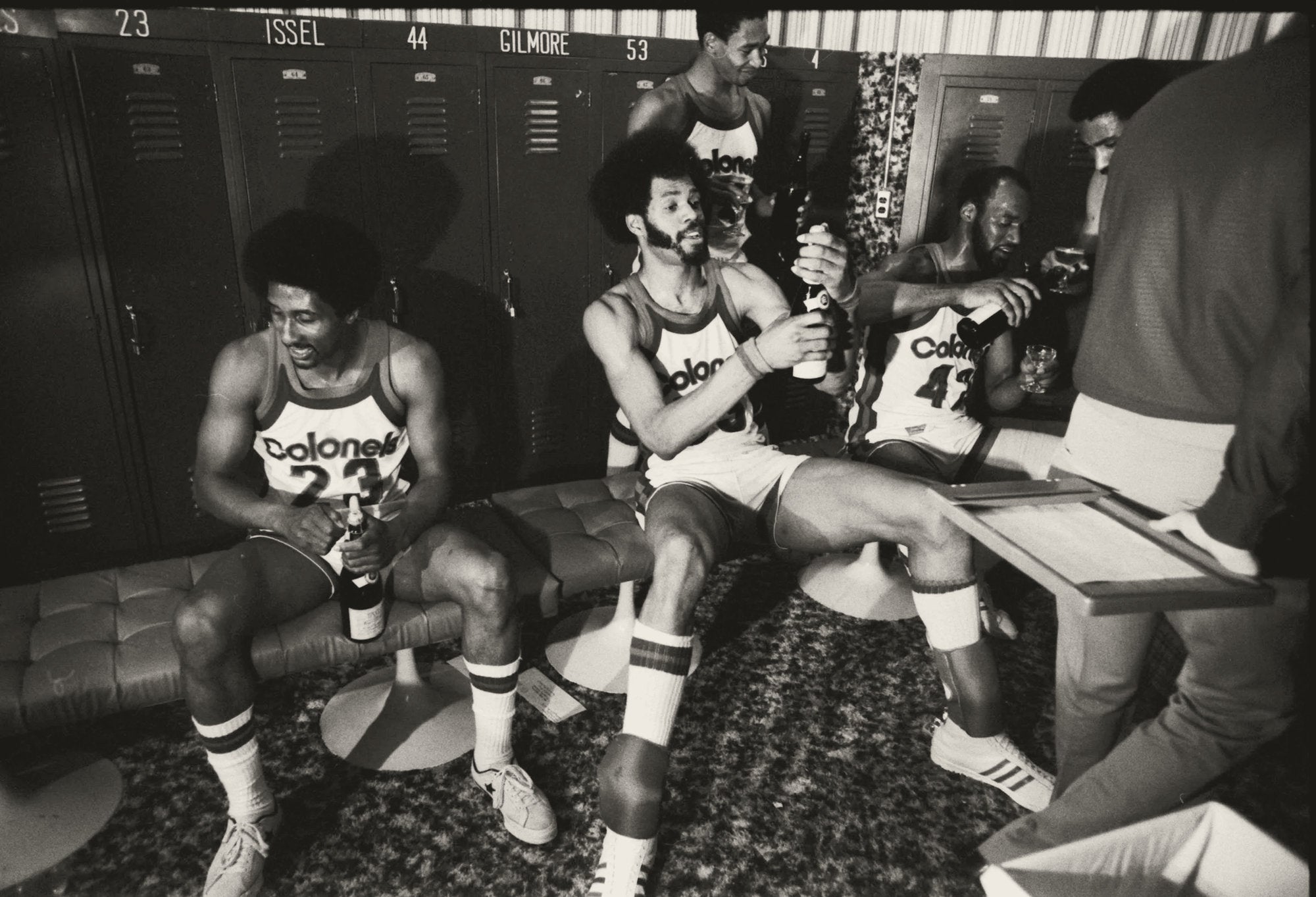
In the summer of 1976 the American Basketball Association came to an end, and four of its surviving clubs were admitted to the National Basketball Association. The Denver Nuggets, the Indiana Pacers, the New York Nets and the San Antonio Spurs went across and are all still playing today.
The Kentucky Colonels were not admitted. Their owner accepted three million dollars from the four teams that were, and closed the club.
At that point Kentucky had the best all-time record in the history of the league they were leaving. They had won the championship the season before last. They had a seven foot two centre in his prime and a coach who would go on to spend forty years in the game. And they were switched off, in an office, for a figure that would not now buy a mid-rotation player a single season.
A league with a red, white and blue ball
The ABA started in 1967 as a rival to the NBA and spent nine years being both better fun and less solvent. It had a three-point line before the older league did. It had a ball striped red, white and blue that is now the main thing anyone remembers about it. It had a slam dunk contest, teams in cities the NBA had ignored, and a habit of signing college players the NBA thought it had a right to.
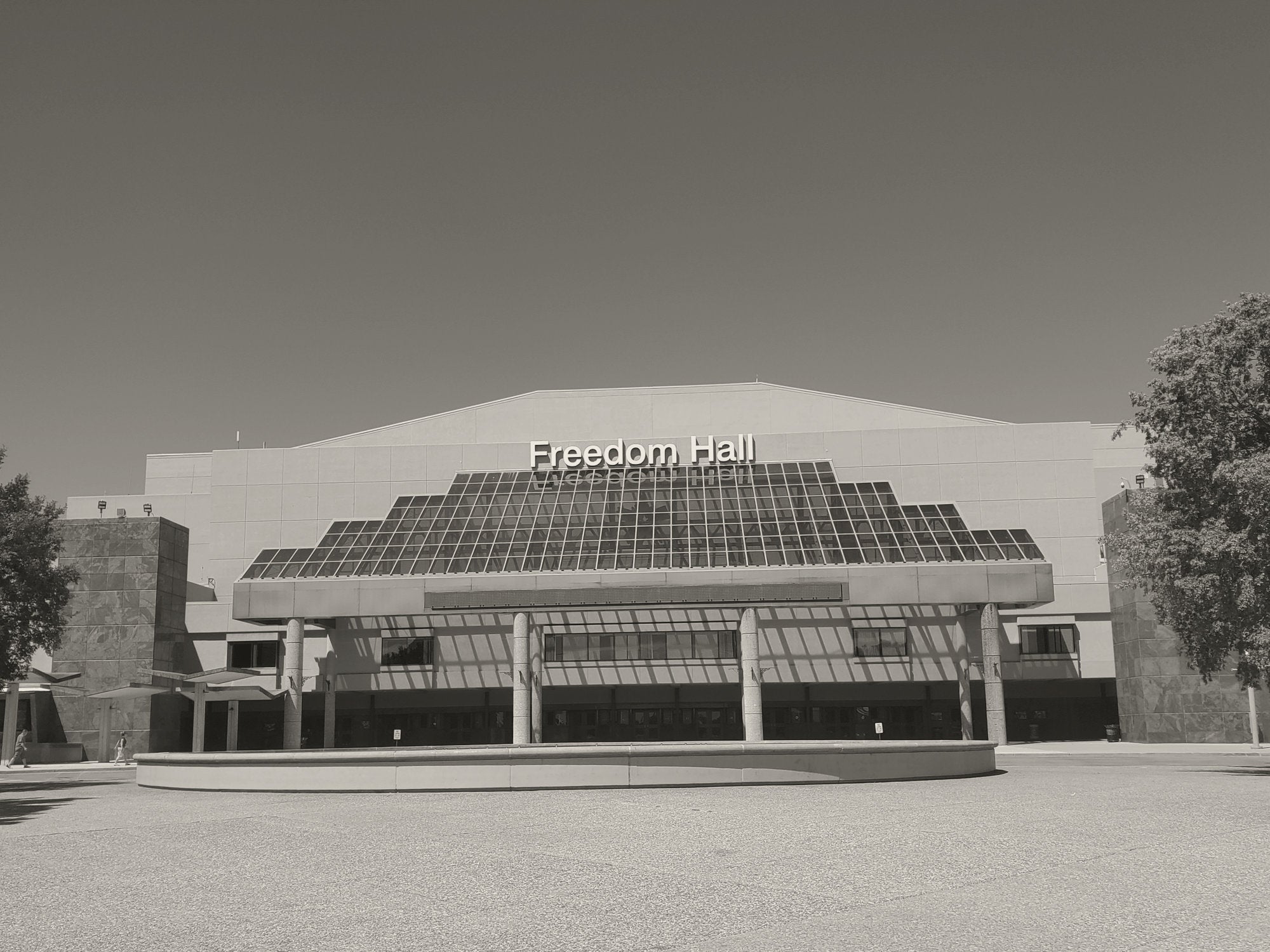
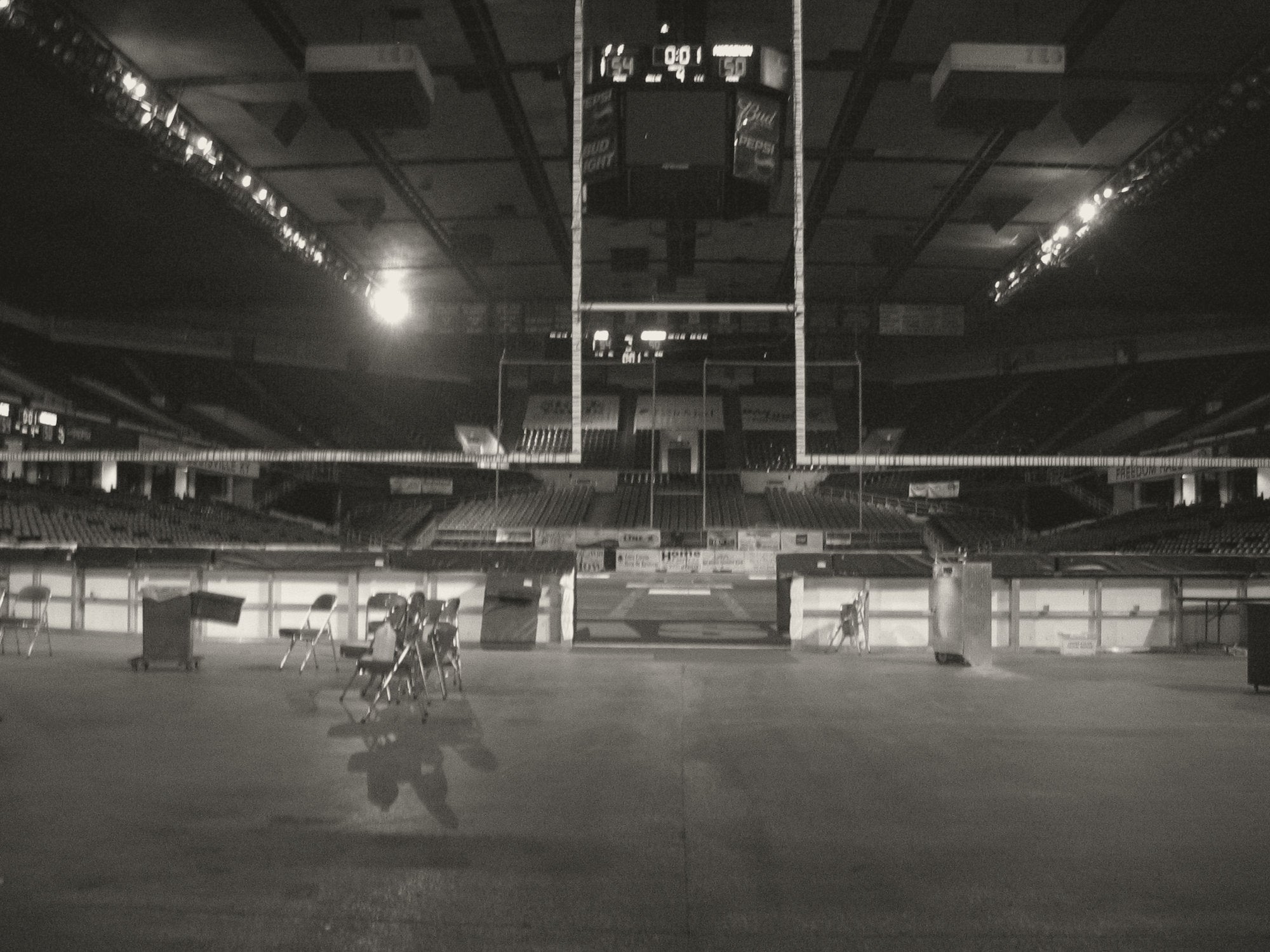
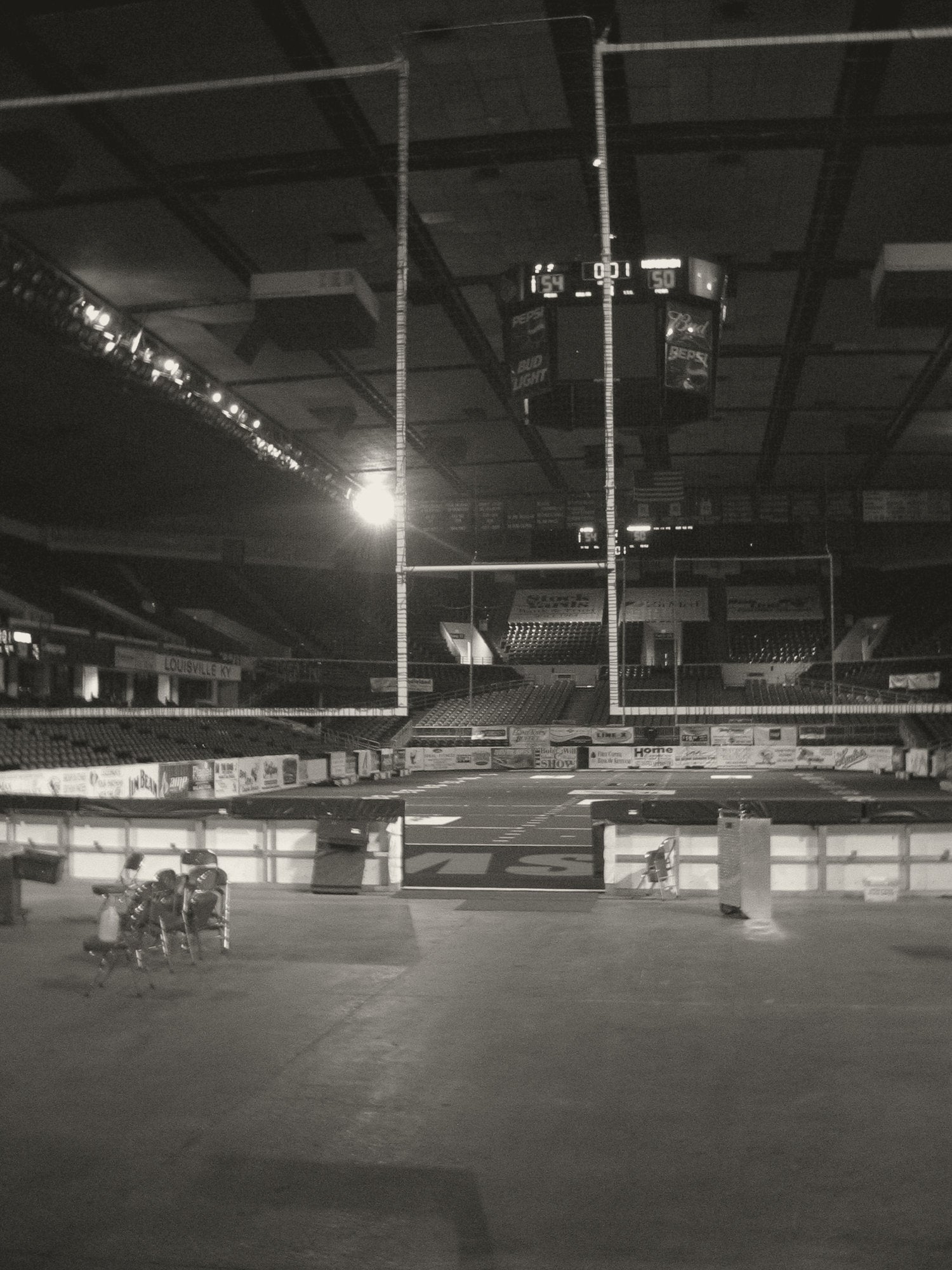
It also had franchises that moved, folded, renamed themselves and occasionally failed to pay anyone. Against that background Kentucky was a model of stability. They played all nine seasons in Louisville, at Freedom Hall on the state fairgrounds, a building that could hold a serious crowd and often did. Louisville is a basketball city in a basketball state, and the Colonels were the professional expression of something the region already cared about deeply.
That matters for what happened later. This was not a franchise struggling for an audience.
The A-Train
Artis Gilmore arrived from Jacksonville University in 1971, at seven feet two, and in his first professional season was named both rookie of the year and most valuable player. That combination is rare in any league in any decade. He rebounded at a rate that reads like a typing error, blocked shots before blocked shots were formally counted for most of his career, and was, by every account of every person who played against him, extraordinarily difficult to move.
Around him were two men from the University of Kentucky, which is its own kind of local logic. Dan Issel had joined in 1970 and immediately led the league in scoring. Louie Dampier had been there since the first season in 1967 and would be there for all nine, the entire lifespan of the competition, without playing for anybody else. When the ABA's all-time totals were finally added up, Dampier was top of the list for points, for assists, and for three-pointers made. He had simply been present for all of it.
Issel was traded away in 1975 for money, which was the sort of thing that happened. Gilmore stayed.
1975
Hubie Brown took over as head coach in 1974. It was his first head coaching job. In his second season the Colonels won sixty-eight games, went through the play-offs, and beat the Indiana Pacers four games to one in the finals. Gilmore was named the most valuable player of the series.
The team that won it was not a collection of stars passing through. Dampier had been there since day one. Gilmore had been there four years. They were coached hard by a young man who would still be coaching, and then broadcasting, in his eighties. And they were watched by a city that turned out for them.
They also had a team president, Ellie Brown, at a point when a woman running a professional sports franchise in the United States was close to unheard of. She was the owner's wife, which is how she got the job, and she did the job, which is a distinction that tends to get lost.
The merger, and the room they were not in
By 1976 the ABA was down to six teams and negotiating its own absorption. The NBA would take four. The mathematics of that were brutal and everyone involved understood them.
The two that did not go across were the Colonels and the Spirits of St. Louis. The Spirits' owners, the Silna brothers, negotiated a share of the four surviving teams' television revenue, in perpetuity, which turned out to be one of the most profitable decisions in the history of American sport and paid out for decades.
John Y. Brown Jr. took three million dollars in cash.
He was not a foolish man. He had made his money in fried chicken, he bought the Buffalo Braves not long afterwards, and at the end of the decade he was elected governor of Kentucky. The buyout was a rational transaction for him. It simply happened to be the end of the only professional basketball team the state has ever had.
Artis Gilmore went first in the dispersal draft, to the Chicago Bulls, and had a long NBA career. Dampier went to San Antonio and played three more seasons. The others found what they could find.
What became of them
The men were fine. That is worth saying, because the story is otherwise unrelieved.
Artis Gilmore played twelve more seasons in the NBA, most of them for Chicago, and finished with the highest field goal percentage in the history of the league. He was elected to the hall of fame in 2011, thirty-five years after the club that made him was closed. Dan Issel went to Denver, scored a very large number of points, went into the hall of fame in 1993 and later coached the team. Louie Dampier played three seasons in San Antonio and retired in 1979, and was elected to the hall of fame in 2015, at sixty-eight, largely on the strength of nine years in a league that no longer existed.
Hubie Brown had the strangest career of all of them. He coached Atlanta and New York, moved into television, stayed there for the better part of two decades, and then in 2002, at sixty-nine, took the Memphis job and was voted coach of the year. He was still broadcasting games into his nineties.
John Y. Brown Jr. bought the Buffalo Braves within months of taking the buyout, swapped that franchise into what became the San Diego Clippers, and in 1979 was elected governor of Kentucky.
Everybody landed. The club did not.
The league inside the league
It is also worth noting how much of the ABA was quietly kept.
The three-point line came across, formally adopted by the NBA three years after the merger, and is now the organising principle of the entire sport. The dunk contest came across. So did a generation of players, and with them a faster, more improvised way of playing that the older league had regarded as unserious.
The competition that produced all of that was folded up and four of its clubs were let through a door. The rest of it, including the team with the best record it ever had, was left on the other side.
After
There is a specific quality to how the Colonels disappeared that separates them from other lost clubs. Teams normally leave a trace. They relocate and take their records with them, or they are renamed, or they are absorbed and the new owners hang the old banners in the new building because it is good business. There is nearly always somebody left holding the history.
Kentucky was extinguished. No successor franchise, no inherited record book, no city that gets to say it used to be ours. The championship of 1975 belongs to a club that has no descendants. When people who were at Freedom Hall in the spring of that year die, the last direct memory of it goes with them, because there is no organisation with an interest in keeping it alive.
Louisville still has basketball, at the university, in enormous quantity. The professional game never came back. Every so often the subject is raised, and every so often somebody points out that the state once had a team that won more than anybody else in its league and was closed down by its own owner for three million dollars, one year after winning the title.
Freedom Hall is still standing on the fairgrounds. It holds concerts, and horse shows, and college basketball. There are photographs of a very tall man in a Colonels jersey in various places around the city, and most of the people who walk past them are not sure what they are looking at.