
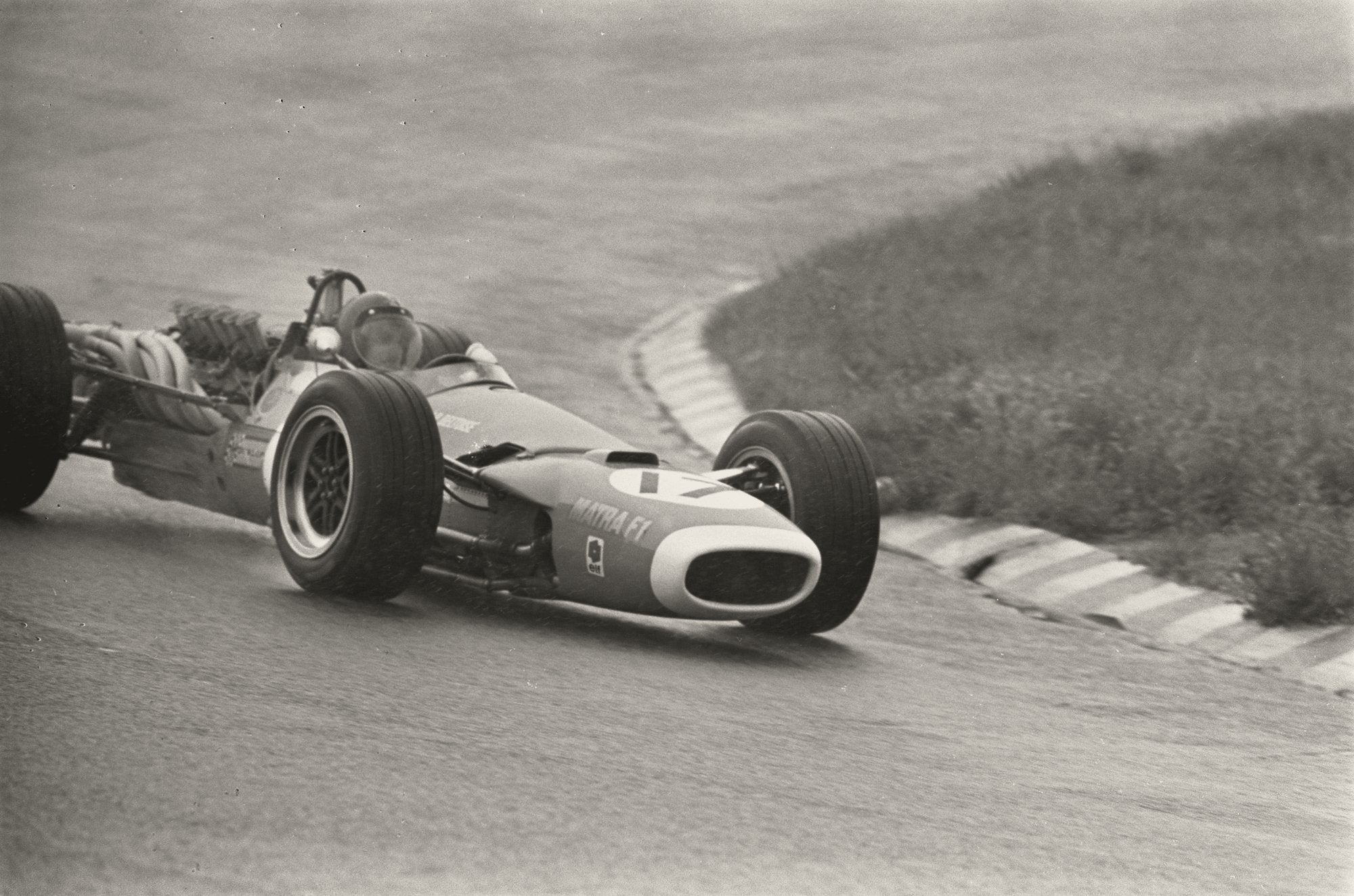
Matra was not built to go racing. It was a French aerospace and defence concern, and its ordinary work involved guided weapons and the hardware of a country that preferred to arm itself with its own engineering rather than borrow anyone else's. It also, along the way, made a small road-going sports car or two, which is the sort of detail that gets forgotten because it does not fit the picture. But the core of the business was serious and national, the kind of firm whose name appears in defence budgets rather than sports pages. Somewhere inside a company like that, the decision was taken to go motor racing. It is the sort of move that looks eccentric right up until the moment it works.
By the end of the 1960s the firm had been in Formula One only a short time, and had already come close. The year before its great season the same broad partnership had run near the front and finished the championship as runner-up, near enough to see exactly what winning would require. There is one race from that earlier year that people still talk about, run in fog and rain on a long German circuit, which Stewart was said to have won by a margin measured in minutes rather than seconds. Accounts of it vary in the details, as they tend to with anything driven mostly on instinct through weather no one could see through. What the near-miss proved was that the pieces were nearly right. What was missing was one more car and one clear season.
The car, and the men who ran it
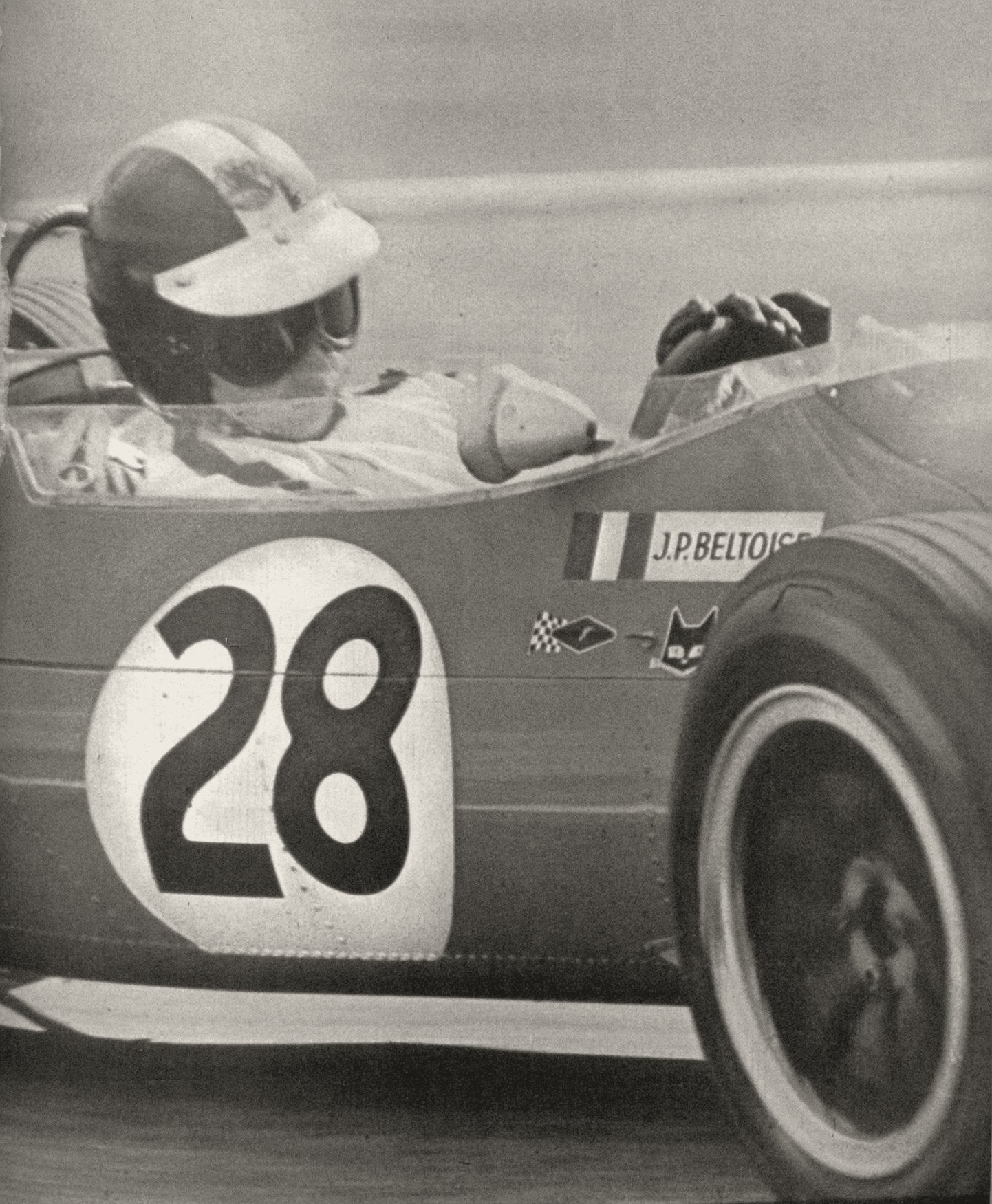
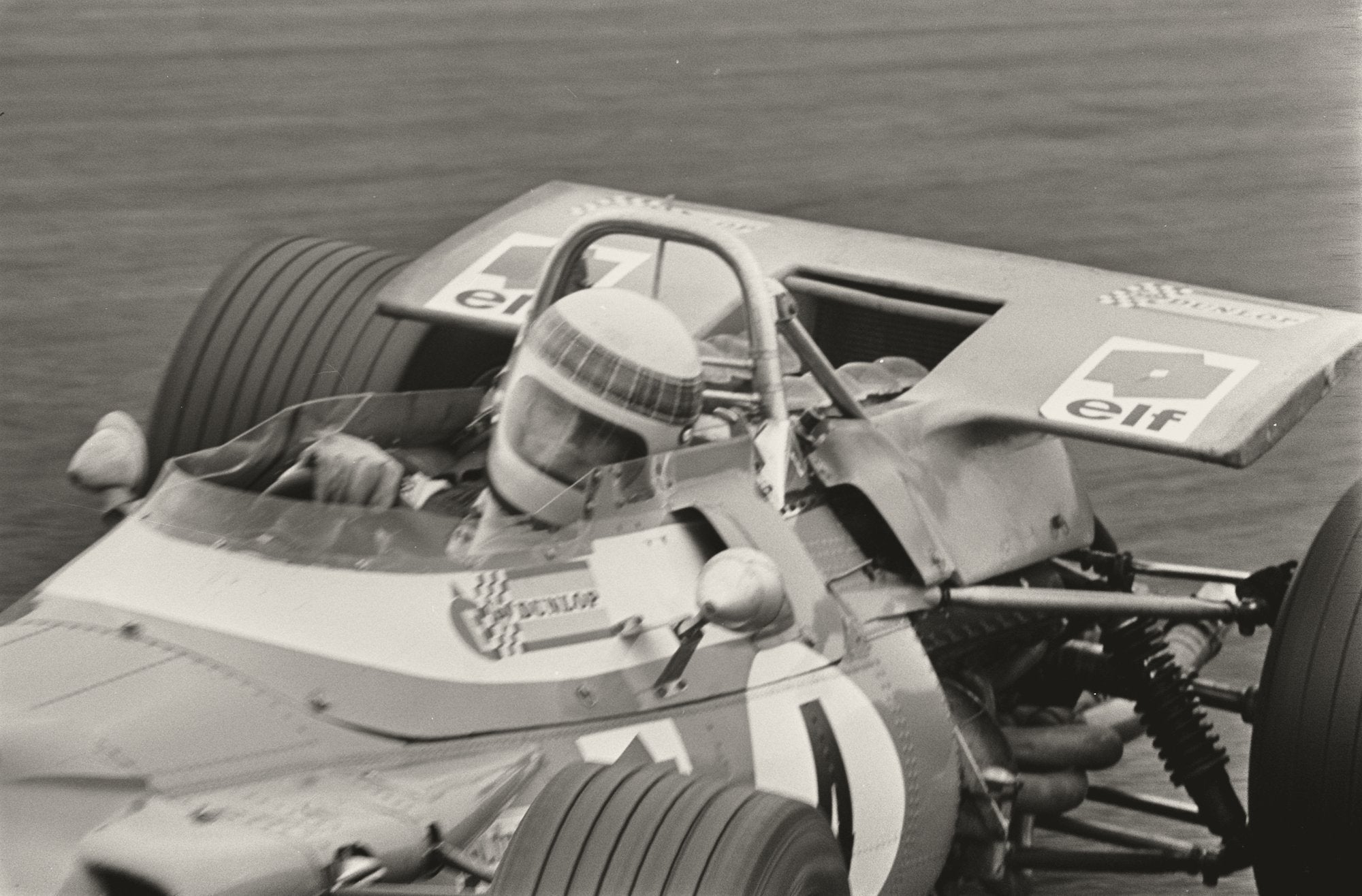
The car was the MS80. Matra designed and built the chassis, and here the story takes the turn that makes it worth telling: the French did not run it themselves. They handed the car to a British team led by Ken Tyrrell, a man who had made his name finding and shaping drivers rather than building machinery, and who ran a tight, unshowy operation out of premises that had once been a timber yard. The arrangement looked strange written down. A French aerospace giant supplied the shell. A modest English outfit working out of a shed supplied the running of it.
Into the seat went Jackie Stewart, a Scot whose driving that year had a quality the sport still reaches for words to describe. He went quickly without appearing to hurry, and he was hard on himself about the things that could be measured, which in that era of the sport was not the fashion. He had come up the hard way, through the lower formulae, and he thought about the job with a coldness that read, from the outside, almost like ease.
The engine was British. A compact V8, made in England, that had arrived in Formula One a couple of seasons earlier and was in the middle of changing it. By 1969 a large share of the grid had bolted the same unit into the back of its cars, because it was powerful, and because, unlike most of what won races, it could simply be bought. What Matra added was everything wrapped around that engine. The people who drew the MS80 came out of a world of aircraft and weapons, of air flowing cleanly over surfaces at speed, and the car carried something of that discipline in the way it was made. The English side ran it. The shape of the thing, the way it cut through the air, came from people who had spent their working lives on the parts of machines that fly.
This was also, it should be said, an odd and slightly dangerous moment in the sport itself. Cars of the period had begun to sprout tall wings on thin struts, mounted high above the wheels, and some of them failed in ways that hurt people, and the rules were changed partway through to bring the wings down and make them safer. The MS80 belonged to that unsettled time. It is worth remembering that the season now filed under a clean French triumph was, week to week, run on machinery the sport was still arguing about how to build.
The one season
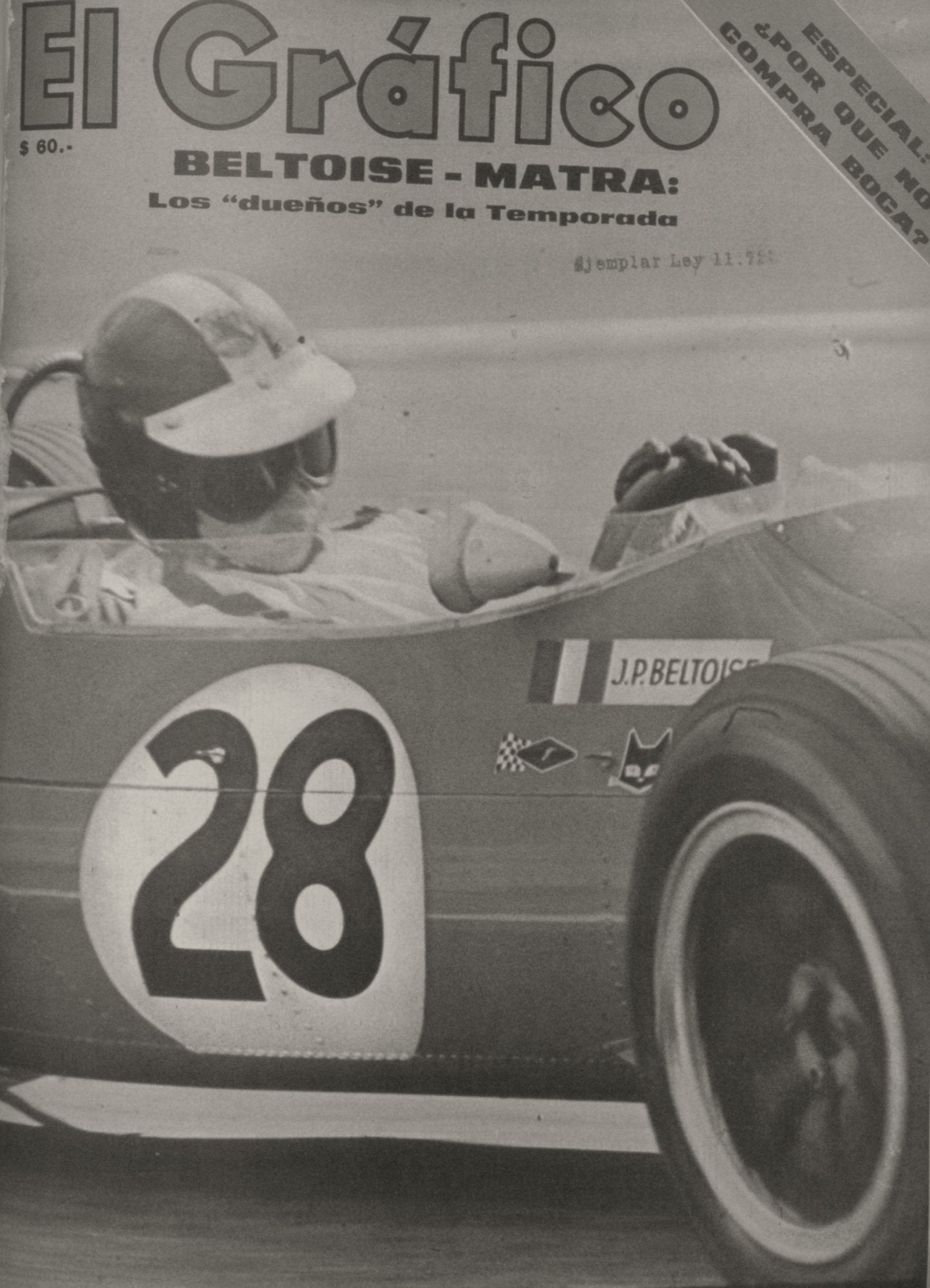
It worked immediately. Stewart won, and won often enough that the drivers' title was effectively settled before the last rounds of the year were run. The exact tally of victories matters less here than the shape of the thing, and in any case the safe way to tell an old motor-racing story is to be careful with the numbers rather than confident with them. What is not in doubt is that one driver in one car spent that season in front, in a way that does not happen by accident, and did not happen for them again.
Matra took the constructors' championship, the prize awarded to the maker of the car rather than the man in it, and in doing so became the first French-built chassis to win it. France had been present at motor racing since its beginnings. The country had even given the sport one of its earliest Grand Prix races, decades before, on public roads closed for the day. But the modern constructors' title, the one that goes to the car, had never gone to a French one until now, and when it did it went to a firm better known for ordnance than for anything with a steering wheel.
There is a temptation, telling it now, to make the season sound inevitable. It was not. It rested on a marriage of convenience between a French industrial concern and a small English team, held together for one year by the fact that it was winning, and by very little else underneath. Take the winning away and there was not much holding the two sides together. That, as it turned out, was exactly what happened next.
Why they walked away
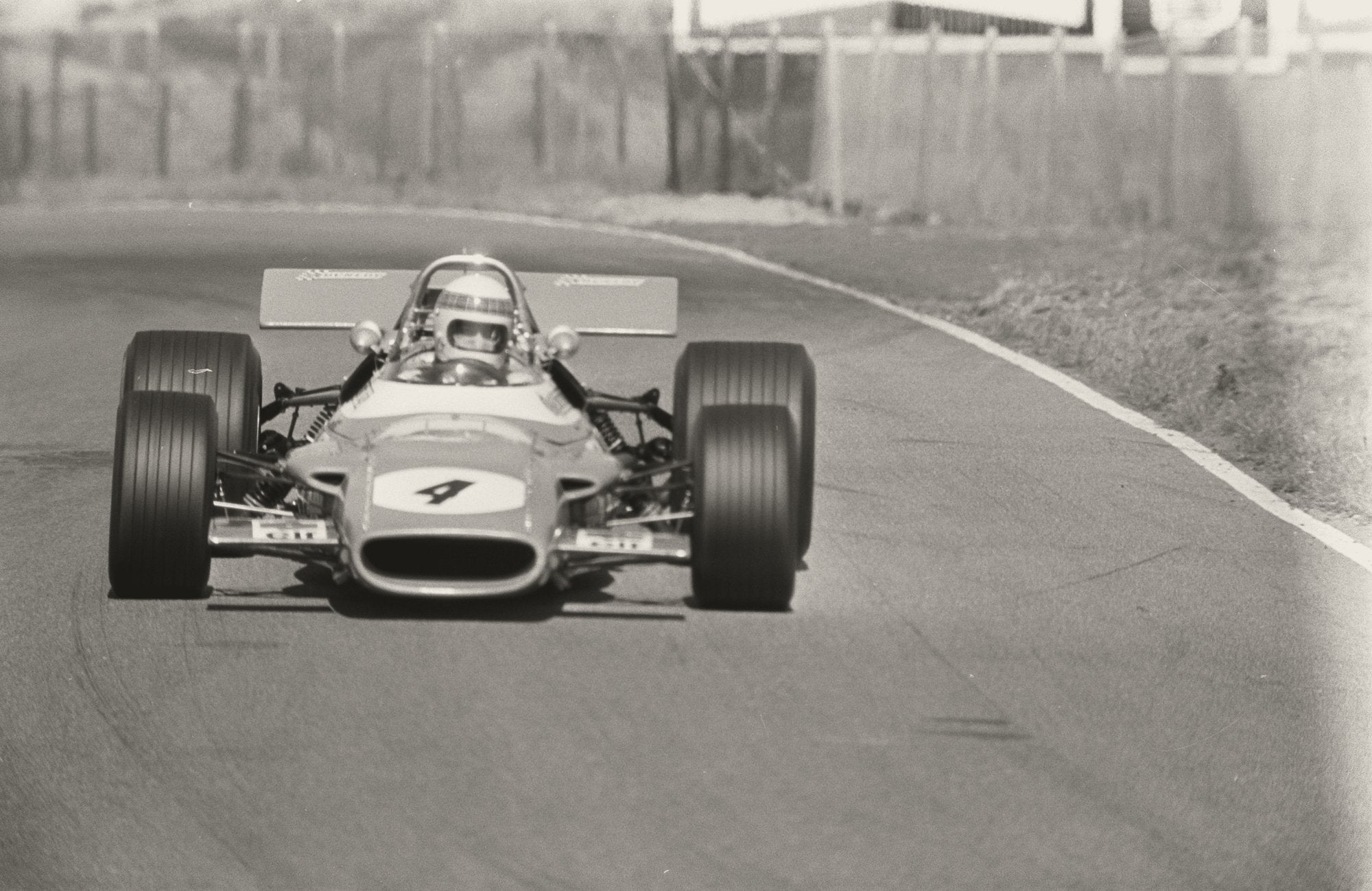
Here the story stops being about winning and becomes about something harder to explain. Matra had taken everything on offer, with a car that ran on a British engine. And that, to the people who ran the company, and beyond them to a national mood the company answered to, was the flaw in it. A French car that won on English power counted as only half a French victory. The firm wanted the whole of it. It set about building an engine of its own, a twelve-cylinder unit designed and made in France, and let it be understood that its future in the sport would run on French power or it would not run at all.
There is a detail that sharpens the choice. In the period around the title the company had already run an engine of its own design in parallel with the bought British one, in a separate car, and it was the English V8 and not the home-built unit that kept delivering the results. Matra knew, then, which engine won. It chose the other one anyway, and lived with what followed.
The partnership could not survive that decision. Tyrrell wanted the engine that won, the British V8, because his business was winning races and not carrying a flag. Stewart, whose interest ran the same way, went with him. The alliance that had just taken both world titles came apart inside a single off-season, each side keeping hold of the thing that mattered most to it. It is one of the quieter divorces in the sport's history, conducted without much noise, between two partners who had just stood together at the very top.
What Matra built instead was, by many accounts, a marvel to listen to. The twelve-cylinder engine it put into its own cars made a sound that people who stood near it at the time still describe decades later, a high, tearing note that was unlike anything else on the grid and that some of them clearly loved more than they loved the results. For all of that, it did not win the way the British engine had won. The company had chosen the harder road on principle, and the principle cost it the seasons that followed.
The years that followed
Matra carried on in Formula One on its own terms, with its own engine, and never reached that first height again. The solo effort gathered places and the occasional near-miss, and the cars were quick enough on their day, but the combination that had made 1969 work had been broken up deliberately and could not be put back together. Tyrrell, for his part, went on to build his own cars and win more titles with Stewart, using the British engine the whole time. Matra's Grand Prix story, having peaked at almost the first attempt, wound down across the next few seasons and closed without much ceremony.
The vindication the company had wanted arrived, in the end, somewhere else. Not on the Grand Prix circuits but at Le Mans, on the twenty-four-hour sports-car race in the Sarthe, where the winner is decided by an entire day and night of running rather than by a single afternoon. There, in cars powered by the French twelve-cylinder it had insisted upon, Matra won three years in a row in the middle of the Seventies, in 1972, 1973 and 1974. The engine that could not carry a Grand Prix championship carried the longest and hardest race in the world three times over. Whether that settles the argument the French had started with themselves is a matter of taste. It certainly answered it in the only currency they had said mattered, which was their own.
One year, standing on its own
What is left of the Formula One part is a single season sitting by itself. Most long runs in the sport come in clusters. A team finds an advantage and holds it for three or four years, and the record shows a block of seasons with one name printed down the side. Matra's shows one. Before it, the near-miss and the fog. After it, the slow fade of a company that had chosen its own pride over the machinery that had actually won. The 1969 line stands there with empty years on either side of it, in the place where a dynasty would ordinarily sit.
There is a print of it now, the kind of thing that hangs on a wall and makes a passer-by stop and look twice. A number on it, 1969, and under the number the plain fact that a firm which built missiles held the two highest titles in Grand Prix racing for that one year and no other. Most people who walk past it will not know that the winning car ran on an engine from another country, or that the French took the whole thing apart the following winter because half a victory in their own name was not enough to keep.
The engine they built to replace it is the part that outlived the results. Long after the classifications had stopped mattering to anyone but the people who keep records, those who once heard that twelve-cylinder at full stretch still talk about the noise, the way a person talks about a room they stood in once and can no longer quite describe.